



Georgian Gold Ring
A georgian gold ring carries the intimate hand of the late eighteenth and early nineteenth centuries in polished precious metal and gem.
Georgian Gold Ring
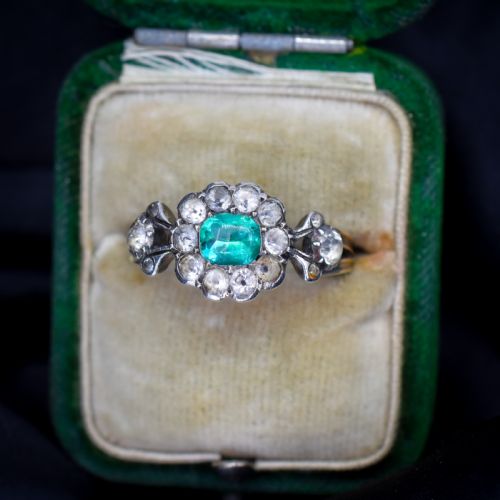
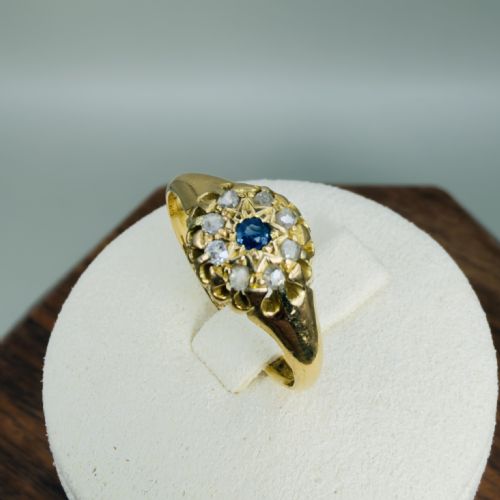
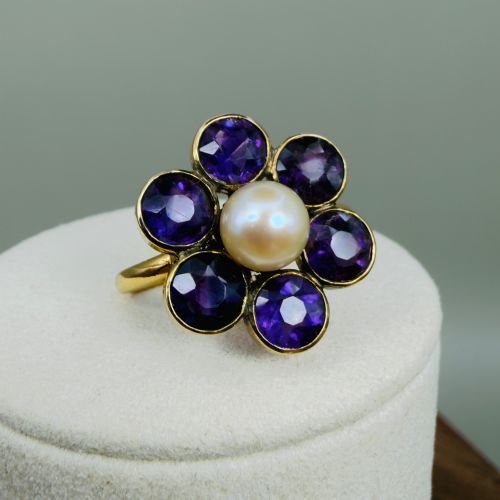
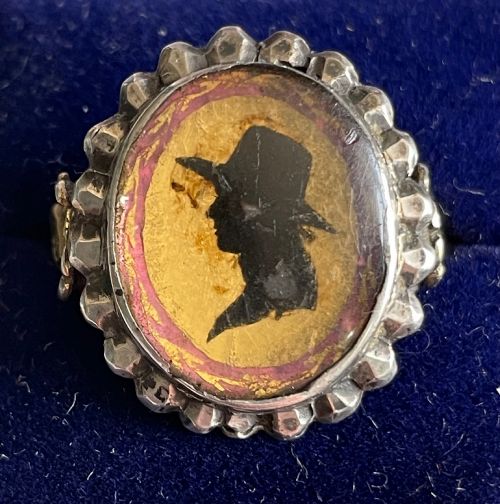
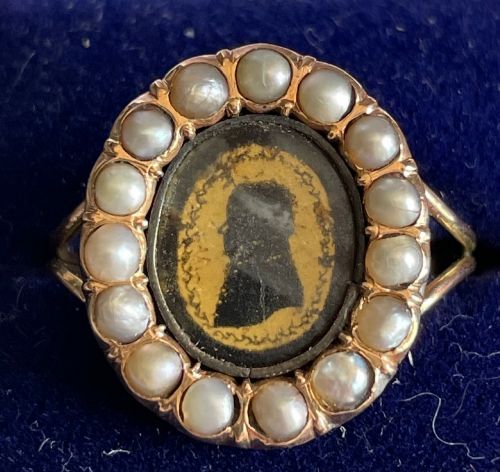
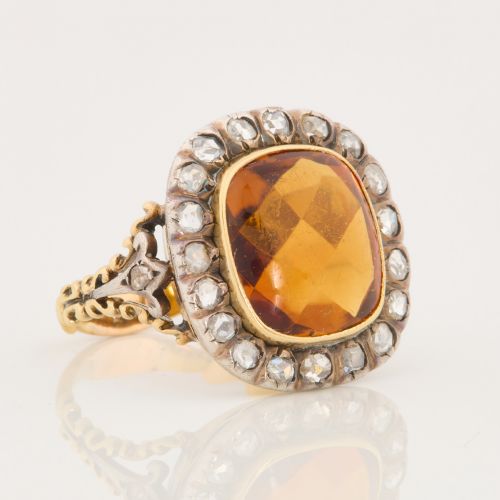
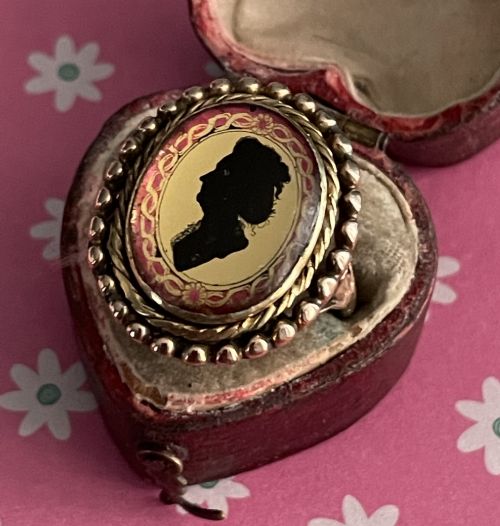
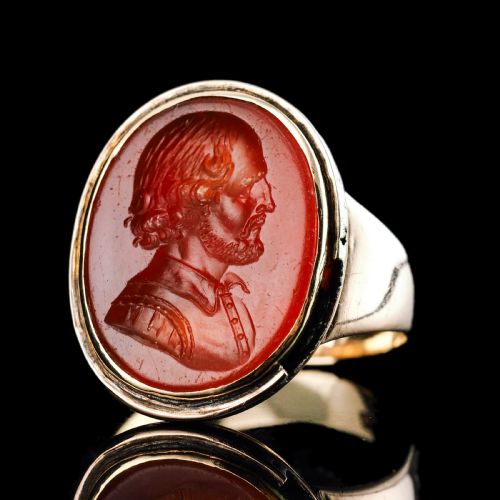
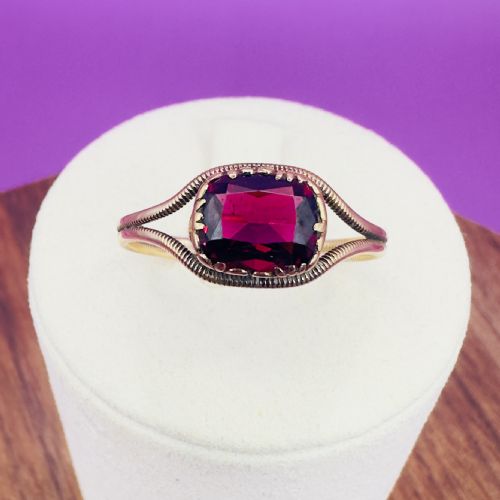
The surviving examples display a variety of gemstones such as garnet, diamond, pearl, amethyst, and hardstone cameo. Many feature intricate settings that showcase the stones using period techniques characteristic of the workshops of the time.
How they were made
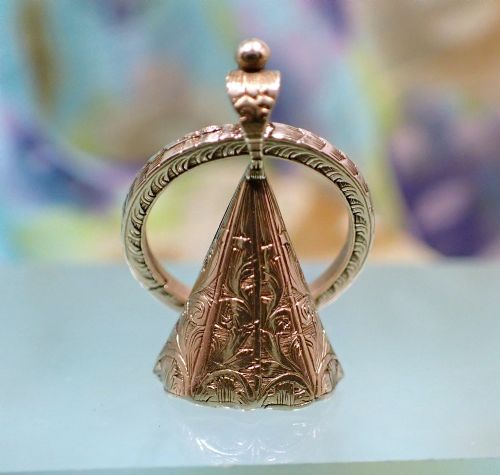
Goldsmiths of the period employed high-carat gold, 18ct gold, and lower gold alloys, frequently working the metal by hand into ornate openwork, engraved bands, and cluster settings. Gemstones like diamonds, garnets, and emeralds were often foil-backed or set in closed-back mounts to enhance their brilliance under candlelight.
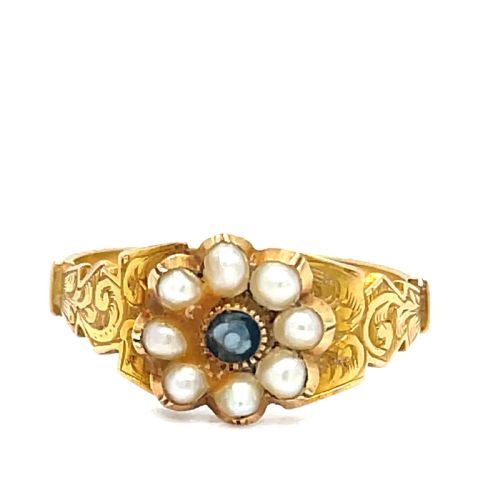
Detailing frequently involved fine seed pearls, blue enamel guilloche, and hand-carved hardstone cameos or intaglios depicting classical motifs. Stones were shaped with rose cuts, table cuts, or cabochons, reflecting the lapidary methods standard before machine cutting became widespread.
Some rings carry secret locks of hair beneath glass, keeping an ancestor's memory close to the pulse.
What varies in quality
Quality rests upon the precision of the goldsmith's handwork, the depth and clarity of the engraved or carved motifs, and the preservation of the delicate seed pearls or enamel work. Finer specimens maintain their original settings and stone arrangements without structural alterations.
The choice of materials also divides the range, with higher carat gold alloys and superior gemstone clarity separating standard production from more ambitious artisanal commissions of the era.
The Georgian Gold Ring Glossary
- Intaglio
- A gemstone carved with a sunken design so that it produces a relief impression when pressed into sealing wax. These were commonly used for signet rings and personal seals.
- Cabochon
- A gemstone shaped and polished with a smooth, rounded surface rather than faceted. This cut is frequently seen on garnets and other coloured stones from the period.
- Guilloche
- An ornamental pattern produced by a mechanical technique in which a precise, intricate design is engraved into a metal surface. It is often paired with translucent enamel.
- Foil-backed
- A technique where a thin sheet of metallic foil is placed behind a gemstone within a closed-back setting to enrich its colour and light reflection.
- Cluster
- A ring design featuring a central gemstone surrounded by a border of smaller stones, often diamonds or seed pearls arranged in a floral pattern.
Georgian Gold Ring: Frequently Asked Questions
How do I care for a georgian gold ring?
These antique rings require gentle handling due to their delicate construction and historical materials. Avoid exposure to harsh chemicals, ultrasonic cleaners, and moisture.
Store each ring separately in a soft pouch to protect the softer gemstones like pearls and garnets from friction against other jewellery.
Are these rings suitable for daily wear?
Due to their age and delicate foil-backed or closed-back settings, most examples need careful treatment rather than constant everyday wear. Removing them before washing hands or engaging in manual tasks prevents damage.
Many collectors reserve them for special occasions to preserve the fragile enamel, seed pearls, and historic goldwork.
How can I tell a genuine piece?
Authentic pieces display the characteristic hand-fabricated traits of early nineteenth-century goldsmithing, such as irregular hand-cut stones and closed-back settings. Hallmarks, where present, reflect period standards of assay and manufacture.
Examining the construction under magnification reveals the subtle tool marks and organic asymmetry typical of pre-industrial benchwork.
What stones are most common in these rings?
Garnets, seed pearls, and diamonds appear frequently across surviving examples, often set alongside coloured stones like emeralds, amethysts, and citrines. Hardstone cameos and intaglios also feature prominently.
These materials reflect the mineral preferences and lapidary styles favored by jewelers working during the Georgian period.