



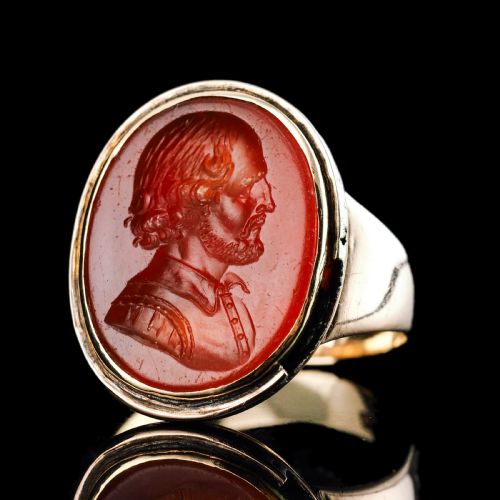
Georgian Gold Jewellery
Georgian gold jewellery comprises rings, lockets, fob seals and portrait miniatures crafted from the eighteenth century onwards, offering tangible links to historical craftsmanship.
Georgian Gold Jewellery
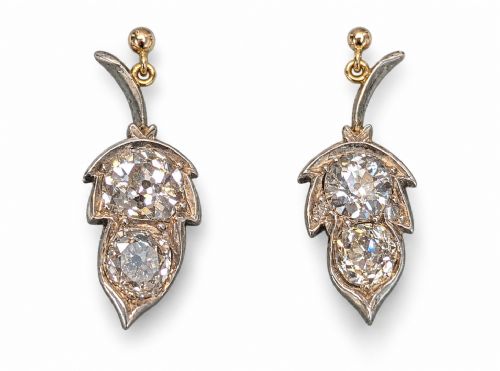
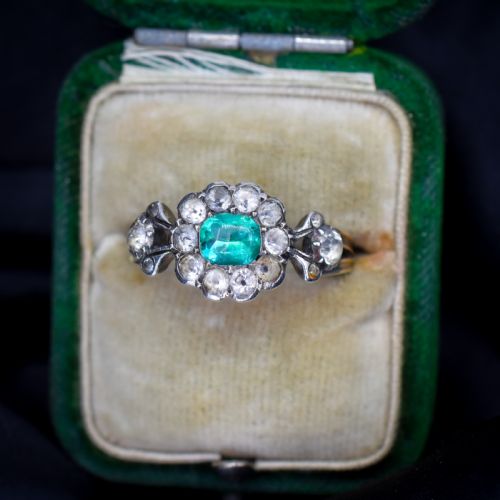
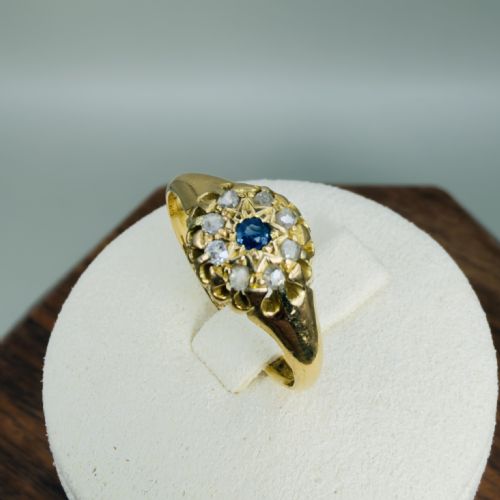
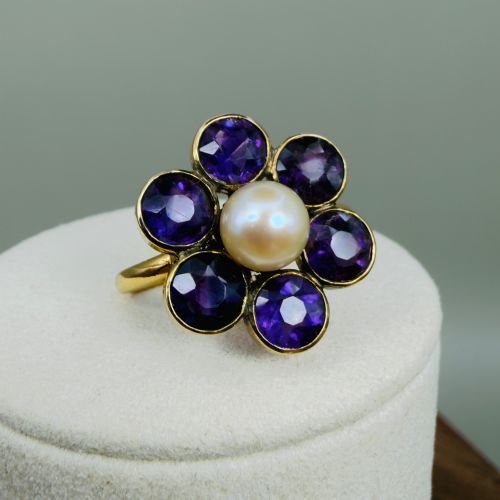
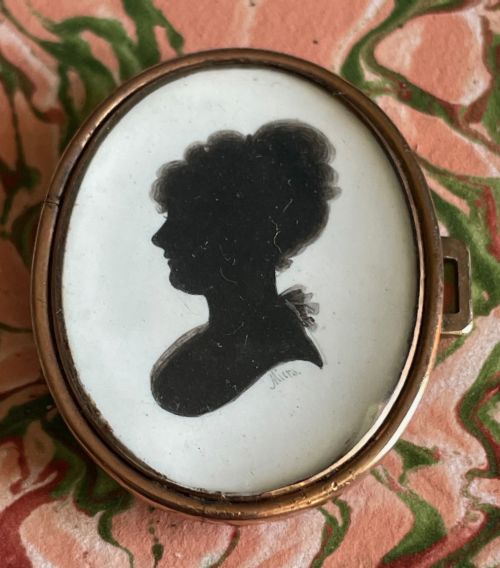
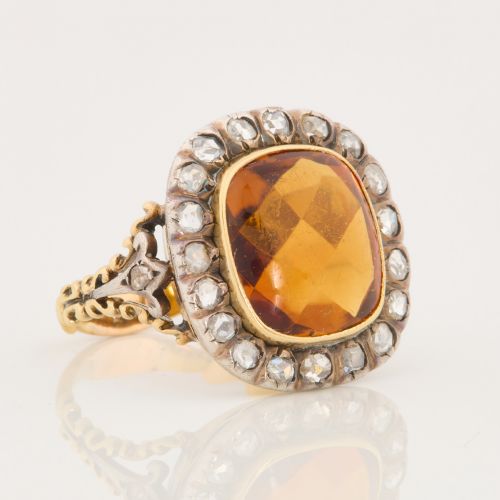
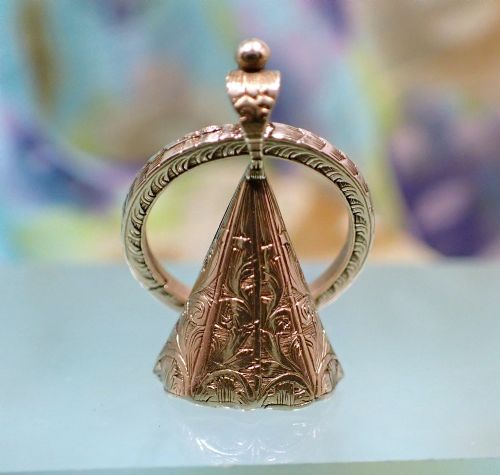
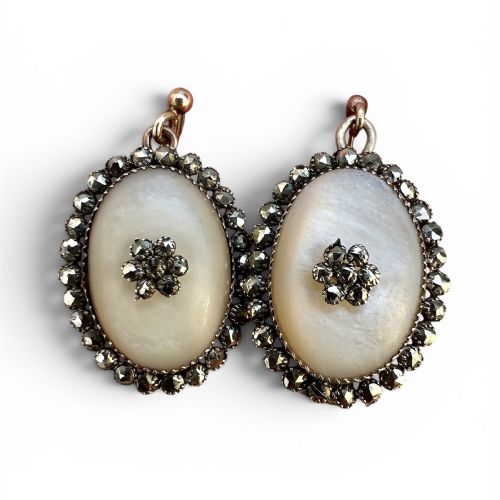
Georgian gold jewellery encompasses rings, earrings, pendants, lockets, fob seals, brooches and portrait miniatures spanning the eighteenth century and subsequent Victorian periods. When searching for georgian gold jewellery, buyers frequently encounter rings set with diamonds, pastes, garnets, sapphires and amethysts, alongside hand-painted portrait miniatures and engraved carnelian seals.
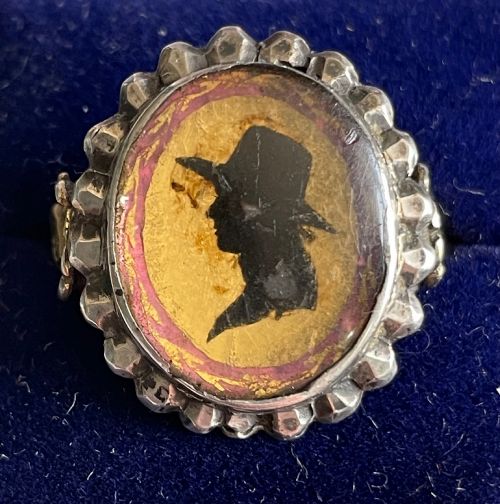
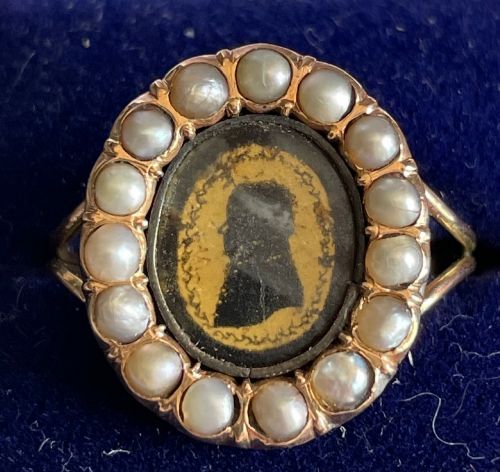
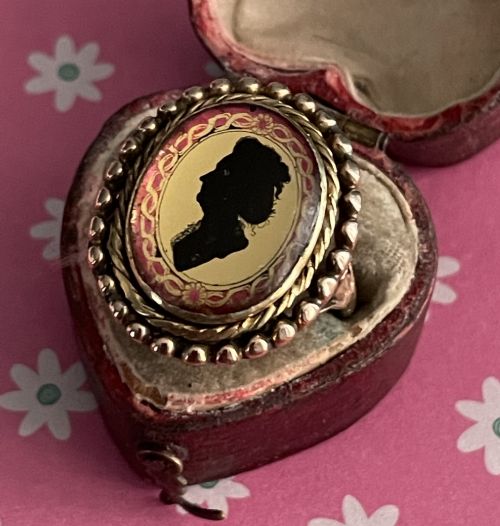
The selection includes pieces featuring materials such as gold, silver, glass, diamond, carnelian, pearl and enamel. These items take diverse forms, from mourning lockets and sentimental love token brooches to swivel fob pendants and silhouette jewellery.
How they were made
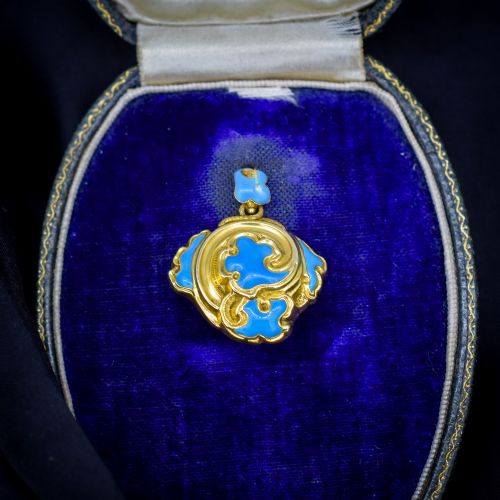
Items of georgian gold jewellery are constructed using metals like gold, 18ct gold, 9ct gold and silver, often paired with gemstones such as old cut diamonds, rubies, emeralds, sapphires and garnets. Workmanship incorporates detailed elements like blue enamel, turquoise, coral, seed pearls and carved hardstones.
Makers utilise specialised techniques including intaglio engraving on carnelian and sardonyx, verre eglomise for silhouettes, and hand-painted portrait miniatures. Metalwork frequently combines gold and silver settings to enhance the brilliance of old cut stones and paste clusters.
Georgian Gold Jewellery Retail Price Guide 2026
Typical asking prices for georgian gold jewellery among the pieces listed under this phrase on Sellingantiques today, from the lower quarter to the upper quarter. They describe what is for sale here now, not the wider market.
Current listings feature items spanning the 18th Century, Georgian period, and Victorian era, utilising materials including gold, silver, diamond, carnelian and pearl.
What varies in quality
Quality in georgian gold jewellery depends upon the fineness of the metalwork, the precision of hand-carved intaglios and the clarity of portrait miniatures or silhouette details. Pieces exhibiting well-preserved enamel, sharp engraving on fob seals and intact gemstone settings distinguish superior examples.
The sophistication of the design, such as multi-stone gemstone clusters or double-sided viennese enamel work, separates standard production from exceptional artistry. The condition of delicate components like seed pearls, glass covers and original gold settings also dictates the standing of a piece.
Henry Bone ARA·John Miers·Christian Friedrich Zincke·Jacob Amyand
The Georgian Gold Jewellery Glossary
- Fob seal
- A small pendant used for stamping wax seals on correspondence. These often feature carved carnelian, sardonyx or bloodstone set in gold.
- Mourning jewellery
- Pieces created to commemorate deceased individuals. They incorporate hairwork, black enamel, pearls or portrait miniatures.
- Intaglio
- A design incised into a gemstone such as carnelian or rock crystal. It produces a raised impression when pressed into sealing wax.
Georgian Gold Jewellery: Frequently Asked Questions
What is georgian gold jewellery?
It comprises rings, lockets, fob seals, brooches and portrait miniatures produced during the Georgian era and early nineteenth century. These items use gold and silver alongside diamonds, pastes, garnets and carnelian.
Such pieces reflect the personal sentiments, fashions and decorative arts of the eighteenth century. They include mourning items, love tokens and everyday wearable ornaments.
How do I identify periods?
Periods are identified through specific stylistic traits, gemstone cuts like old mine or old cut diamonds, and manufacturing techniques. Hallmarks, when present, provide additional chronological markers.
Cross-referencing silhouette styles, enamel work and metal purity helps distinguish Georgian pieces from later Victorian interpretations.
How were fob seals used?
Fob seals were suspended from pocket watch chains and utilised to stamp wax seals on letters and documents. The hardstone base was engraved with initials, crests or motifs.
Owners carried them as functional accessories that doubled as personal emblems and decorative ornaments.
How do I care for antique jewellery?
Antique jewellery requires gentle handling due to aged settings, foil-backed stones and delicate materials like seed pearls or enamel. Avoid harsh chemical cleaners and ultrasonic baths.
Store pieces individually in soft pouches to prevent friction damage between gemstones and fragile metal components.