






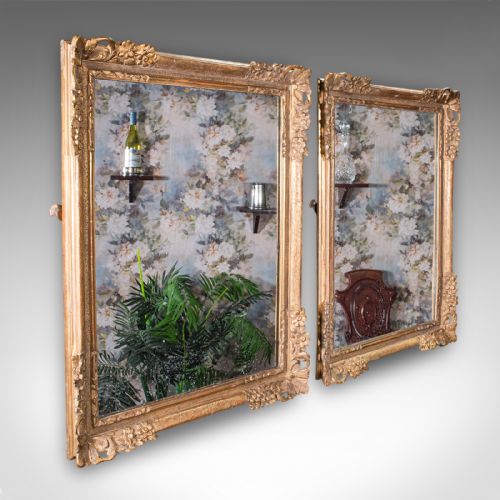

Georgian Gold Frame
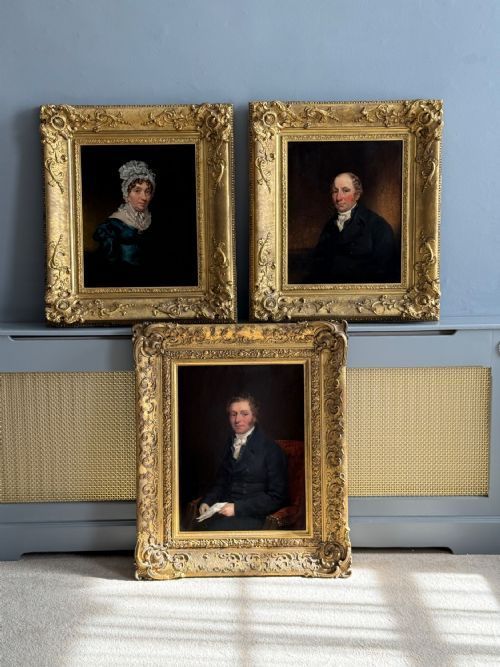
A georgian gold frame houses centuries of oil portraits, mirrors and miniatures, offering a touch of period elegance to any interior.
Georgian Gold Frame
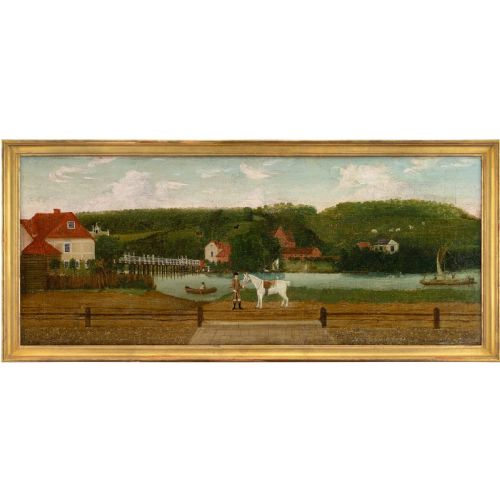
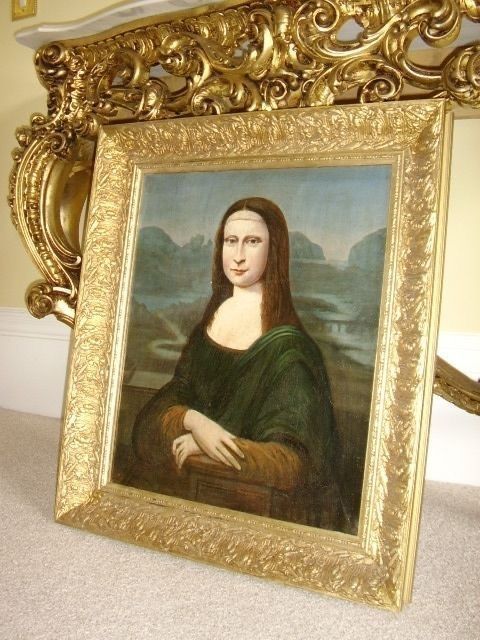
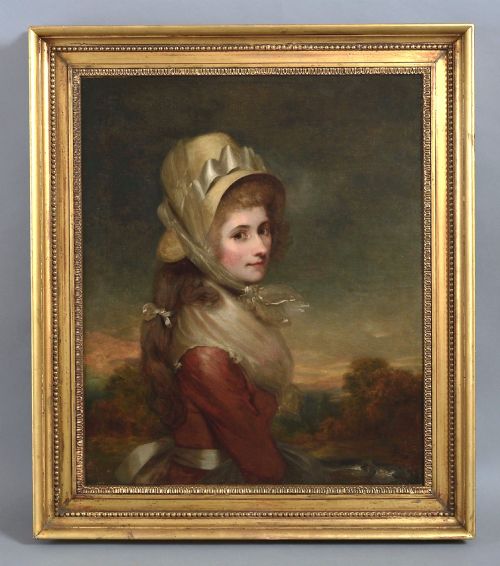
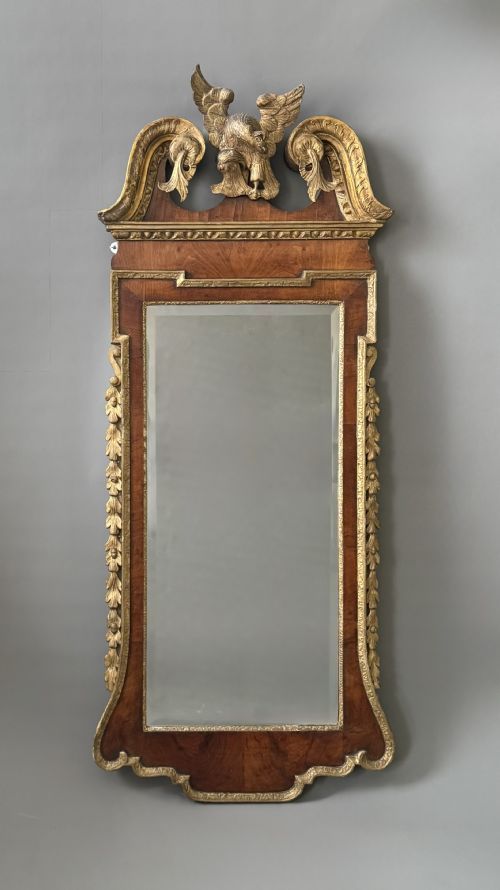
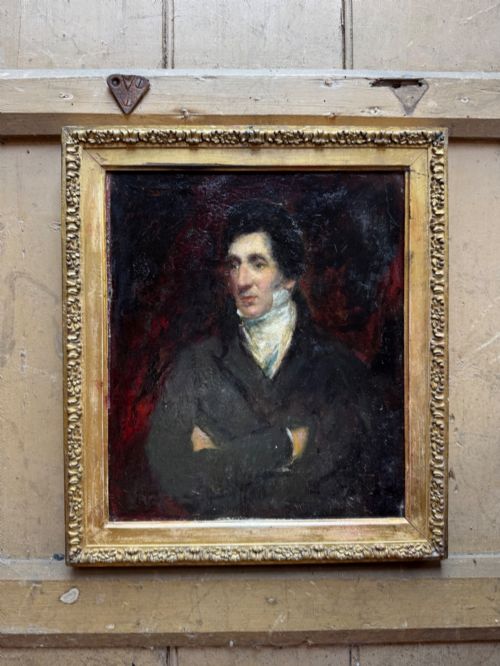
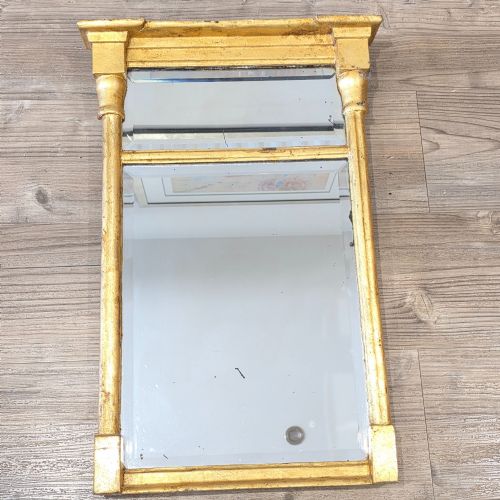
When searching for a georgian gold frame, buyers encounter a distinct selection of antique mirrors, oil paintings, and portrait miniatures. These items span the eighteenth and nineteenth centuries, often categorised under styles like Regency, Neoclassical, and British Baroque.
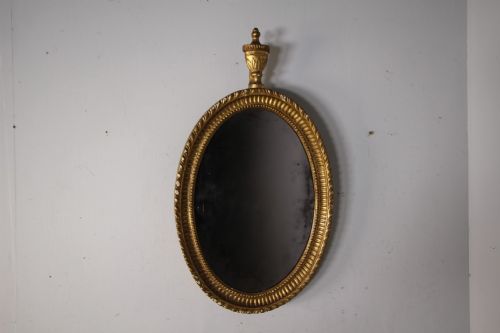
The objects themselves range from carved oval mirrors and overmantle mirrors to framed portraits on canvas and panel. Many of these pieces combine gilded wooden surrounds with historical artwork, preserving the aesthetic of the period.
Wall mirrors and portrait paintings dominate the selections available, reflecting the domestic tastes of the era. Buyers find both large giltwood wall mirrors and smaller, intimate miniatures framed in gold.
How they were made
Frames and mirrors rely on materials such as giltwood, gesso, and gold leaf applied over timber bases like walnut or pine. Artisans carved intricate details directly into the wood before applying layers of size, gesso, and gold leaf.
Paintings utilise oil on canvas or panel, whilst mirrors incorporate period glass, including mercury glass with characteristic ageing. Miniature portraits often feature enamel or delicate watercolour on paper, secured in small metallic housings.
What varies in quality
The depth and crispness of the hand-carving separate standard mouldings from superior examples. Finely chased gesso work and the retention of original gold leaf demonstrate superior workshop execution.
The harmony between the artwork and its surround dictates desirability. Original pairings of canvas and frame hold greater historical cohesion than later marriages of convenience.
Sir Godfrey Kneller·Sir Joshua Reynolds·Jean Baptiste Van Loo·Joseph Clover·Sir Martin Archer Shee·James Sharples·Henry Bone·Jeremiah Davison·Edward Bradford·Lemuel Francis Abbott·William Joseph Shayer Senior·Horace Hone·Charles Shirreff·François Nicolas Martinet·Sir Thomas Lawrence·Richard Cosway·John Smith·Charles D Agar·John Wootton·Thomas Hudson
The Georgian Gold Frame Glossary
- Giltwood
- Timber coated with gold leaf or gold paint for a decorative metallic finish. This surface finish defines the appearance of many period frames and mirrors.
- Gesso
- A plaster mix applied to wood surfaces to create a smooth base for gilding. Artisans carved fine decorative motifs directly into this dried layer.
- Mercury glass
- Silvered glass produced by pouring a mercury amalgam behind the pane. This technique creates a distinct mottled reflection seen in older mirrors.
- Overmantle mirror
- A large horizontal mirror designed to hang above a fireplace mantel. These pieces frequently feature elaborate giltwood frames typical of the Regency period.
Georgian Gold Frame: Frequently Asked Questions
How do I date a gold frame?
Dating relies on examining the construction techniques, timber types, and the composition of the gesso beneath the gold leaf. Earlier pieces often display hand-carved wooden ornament rather than cast composition details.
Secondary indicators include the backing boards, fixings, and the chemical composition of the gilding itself. Comparing the style to documented period examples helps confirm the decade of manufacture.
Were these frames made specifically for the artwork?
Many portraits and mirrors retain their original frames, designed together to complement the scale and subject of the piece. Commissioned artworks typically received bespoke surrounds that matched contemporary interior decoration.
Over the centuries, frames and paintings were frequently separated and rematched. Evaluating the rabbet size and fit helps determine if a frame started life with its current artwork.
How should I clean a gilded frame?
Gilt surfaces require minimal intervention using a soft, dry brush to gently remove accumulated dust. Moisture and chemical cleaners can dissolve delicate water gilding and antique gold leaf.
Professional conservators should handle any structural repairs or cleaning involving the removal of surface grime. Preventing direct sunlight exposure preserves the underlying gesso and wood.