
Georgian Glass Mirror
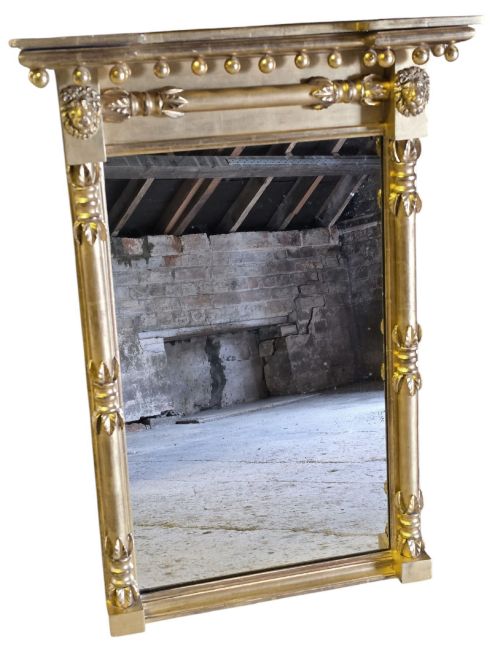
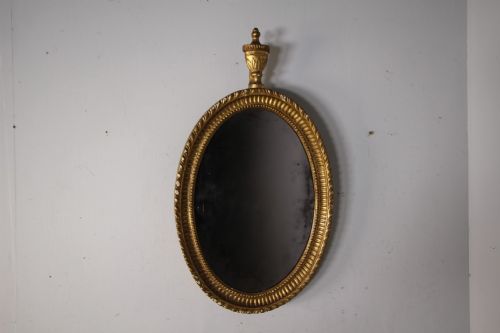
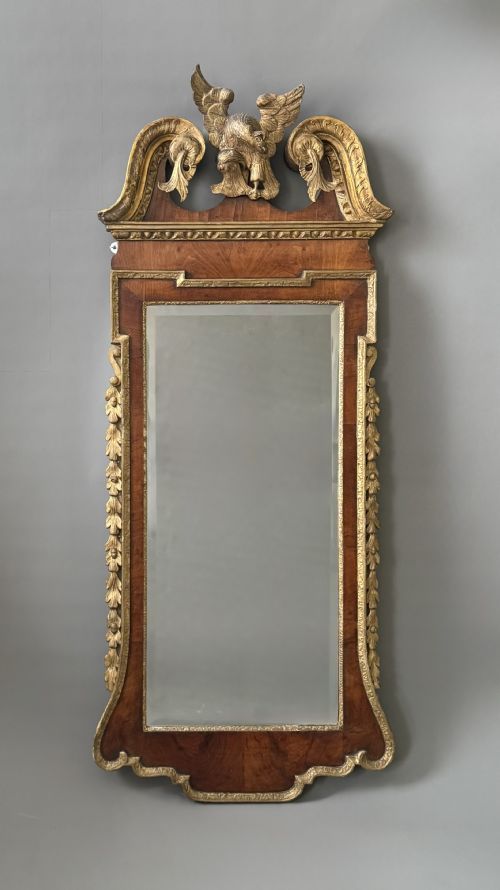
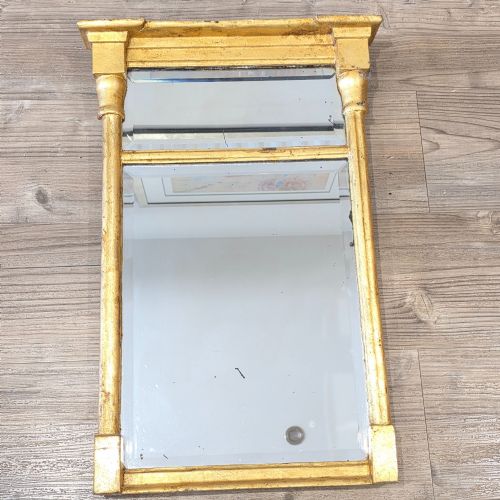
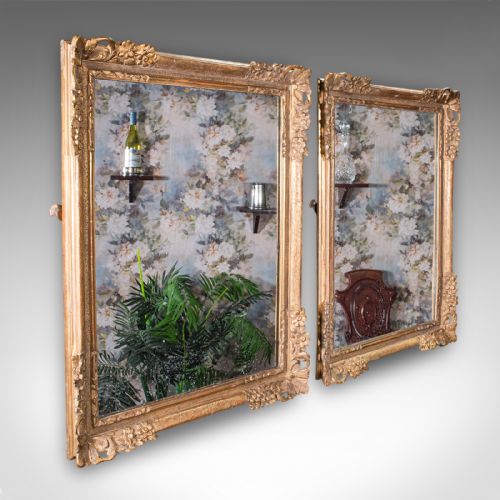
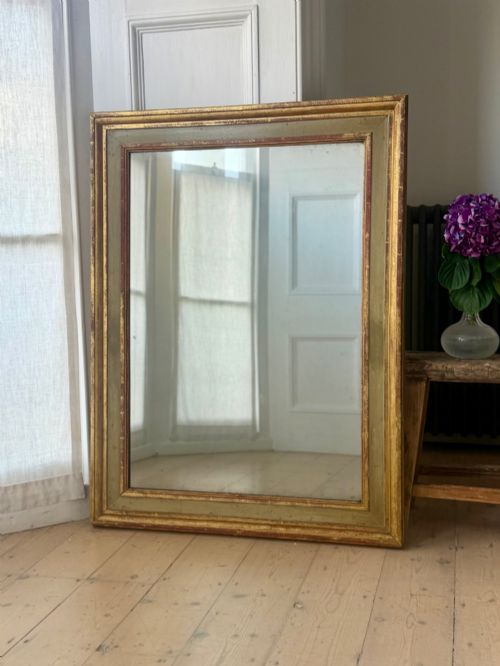
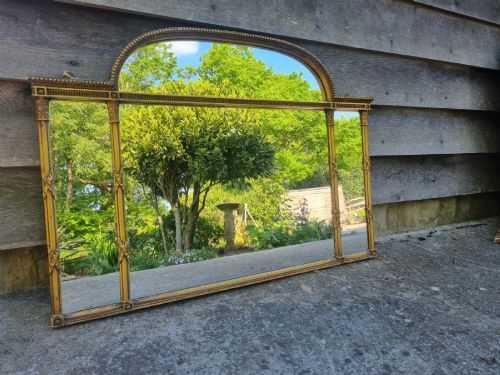
A georgian glass mirror brings period symmetry and reflective depth to a room, ranging from mahogany fretwork designs to gilded overmantels.
Georgian Glass Mirror
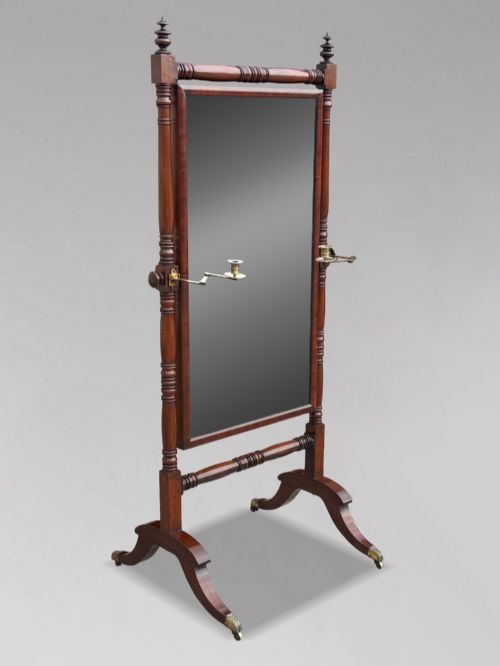
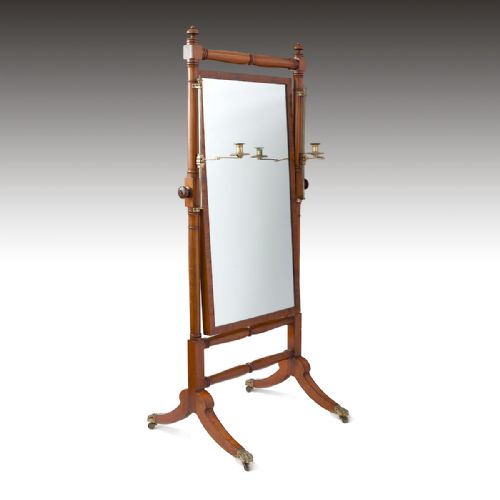
When searching for a georgian glass mirror, a buyer encounters wall mirrors, dressing mirrors, overmantel mirrors, and larger cheval glasses spanning the eighteenth and nineteenth centuries. These pieces originated in English country houses, town residences, and parlours, serving both functional dressing roles and decorative wall display.
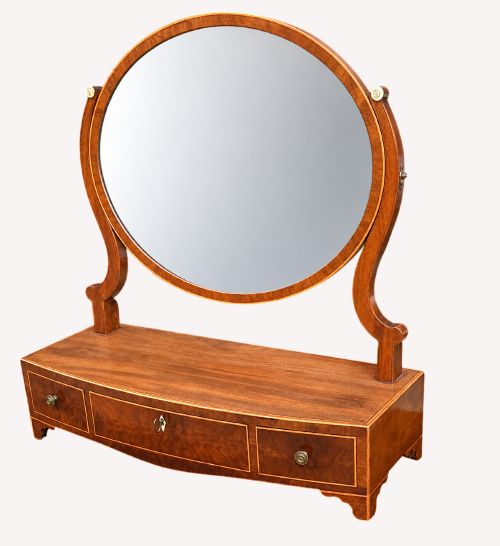
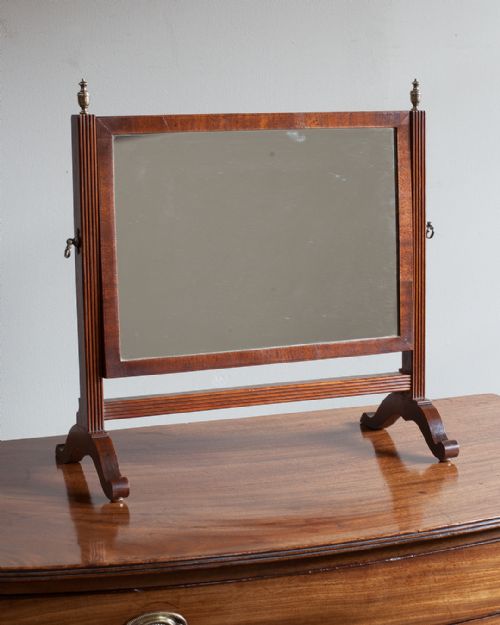
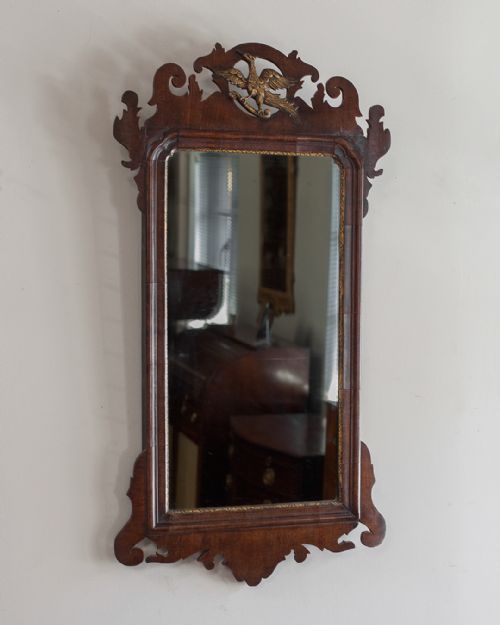
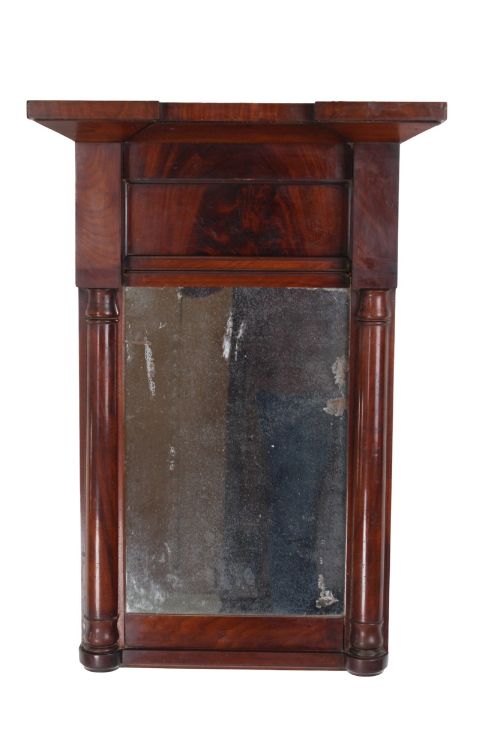
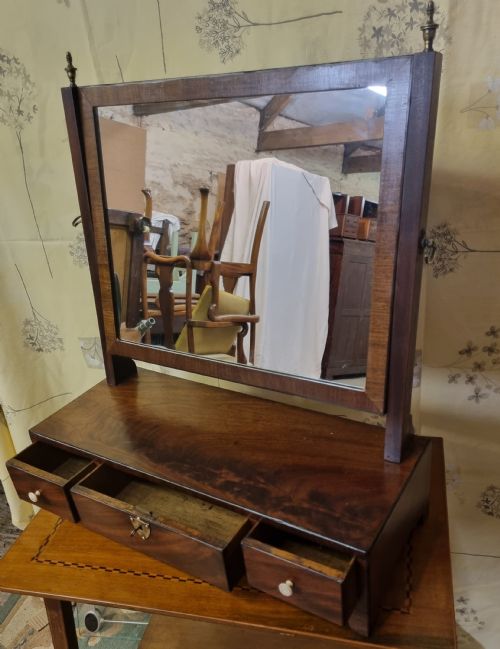
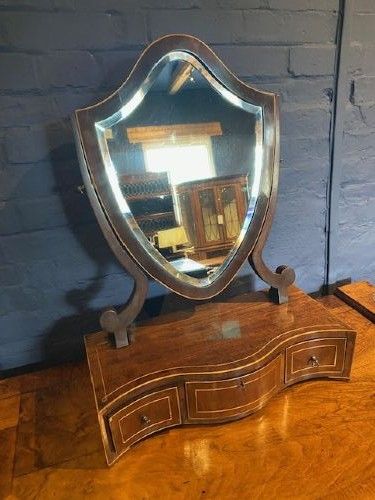
Mahogany dressing table mirrors and smaller toilet mirrors appear frequently, often featuring swing plates and box bases with small drawers. Wall-hung pier mirrors and fretwork designs represent another common form, alongside grander giltwood overmantels designed to sit above a fireplace.
Examples cross several stylistic sub-periods, including George III, Regency, and Queen Anne influences, with walnut, mahogany, and giltwood serving as the primary framing materials.
Materials and Construction
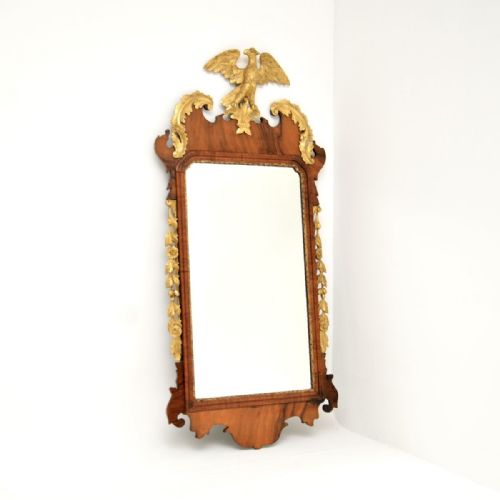
Carpenters and joiners constructed frames from dense hardwoods like mahogany and walnut, frequently applying parcel gilt details or intricate fretwork cut on a scroll saw. Cabinetmakers also utilised softer woods covered in gesso, which they carved and gilded to create reflective pier and overmantel frames.
Mirrors utilised mercury glass or early silvered plates, which often display foxing, silver loss, and distortion that evidence their age and method of manufacture.
Some fretwork mirrors feature carved wooden birds at the crest, reminding modern viewers that antique decorators loved a perched pheasant.
Assessing Quality
Quality rests in the crispness of the hand-carved gesso, the depth of the parcel gilding, and the fidelity of the mahogany grain. Fretwork frames show distinction through balanced proportions, clean fret cutouts, and the presence of original brass hardware.
The survival of the original mirror plate heavily influences the character of a piece, distinguishing mirrors with authentic mercury glass from later replacements.
Gillows Of Lancaster
The Georgian Glass Mirror Glossary
- Gesso
- A plaster-like mixture applied to wood frames before gilding or painting. It provides a smooth surface for intricate carved details.
- Mercury glass
- A type of silvered glass created by pouring a mercury amalgam between double-walled glass or onto a flat plate. It produces a characteristic dark, mottled reflection known as foxing.
- Parcel gilt
- A decorative technique where specific raised portions of a wooden frame receive gold leaf while the underlying wood remains visible. This contrasts the warm grain against bright metallic highlights.
- Fretwork
- Openwork ornamentation cut from thin wood boards using a fine scroll saw. It defines the flat crests and borders of many eighteenth-century wall mirrors.
- Cheval glass
- A full-length dressing mirror suspended on a vertical frame with pivoting pivots. It allows the glass to tilt at various angles for outfit viewing.
Georgian Glass Mirror: Frequently Asked Questions
How do I identify a genuine period mirror plate?
Original glass frequently exhibits minor distortions, tiny bubbles, and areas of dark foxing where the backing has degraded over centuries. Modern replacement plates look entirely uniform and lack this depth.
Inspect the edges of the glass for beveling and check how the plate is secured into the frame using traditional wooden slips or old glazier points.
Where should I hang a heavy overmantel mirror?
Overmantel mirrors were traditionally designed to sit directly on a mantelpiece shelf while being secured to the wall with concealed brackets. This prevents the heavy giltwood frame from tipping forward.
Ensure the wall fixings anchor directly into structural studs or brickwork to safely support the substantial combined weight of the wood and glass.
What is the difference between a toilet mirror and a dressing mirror?
Toilet mirrors are smaller table-top pieces featuring a swing glass mounted on a miniature bureau or a box base fitted with small drawers for cosmetics. Dressing mirrors typically refer to larger vanity formats or full-length cheval mirrors.
Both types served domestic bedroom functions during the Georgian and Regency periods.
How do I care for antique giltwood frames?
Dust giltwood surfaces very gently using a soft, dry ostrich feather duster or a clean dry brush. Avoid all commercial cleaning sprays, polishes, and moisture.
Water and chemical solvents can quickly dissolve delicate water gilding and antique gesso.