



Georgian Glass Jar
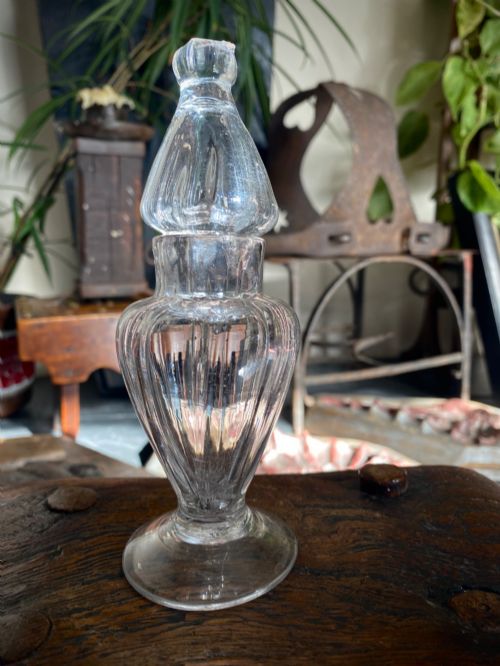
These georgian glass jar examples are hand-blown or cut lead crystal vessels designed for the table or apothecary chest, prized for their heavy metal and deep optical refraction.
Georgian Glass Jar
A georgian glass jar encompasses utilitarian apothecary bottles, dresser boxes with internal vials, and dining table caddies for mustard, butter, or biscuits. When exploring this selection, buyers encounter functional containers spanning the eighteenth century through the regency period.
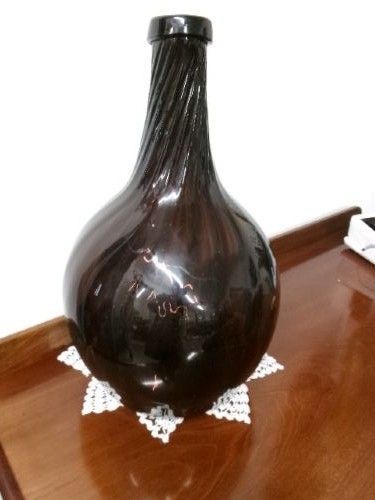
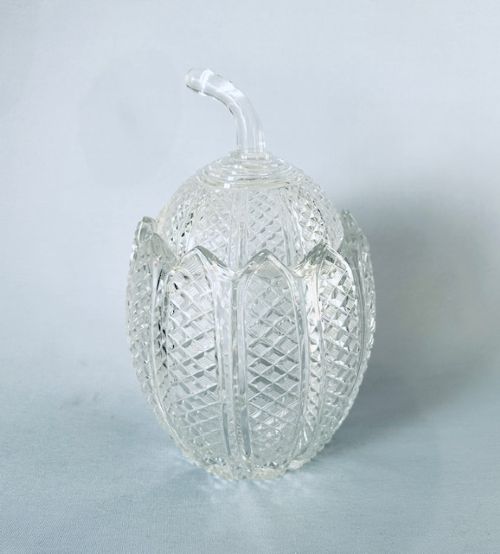
The domestic forms include cut glass preserve pots, condiment sets, and large tea mixing bowls alongside medical tincture bottles and onion apothecary vessels. Hand-blown specimens with rich coloration sit alongside heavily cut lead crystal tableware.
Materials and construction
Makers utilised lead glass and heavy lead crystal to achieve the brilliant clarity and substantial weight characteristic of the period. Vessels were hand-blown into shape before being finished on the wheel with deep prismatic cutting.
Mounts and lids frequently incorporate sterling silver or brass, seen in mustard pot rims, silver-gilt inkwells, and fitted dressing table hardware.
Georgian Glass Jar Retail Price Guide 2026
Typical asking prices for georgian glass jar among the pieces listed under this phrase on Sellingantiques today, from the lower quarter to the upper quarter. They describe what is for sale here now, not the wider market.
The listings feature glass items in clear lead crystal, amethyst coloured glass, and hand-blown burgundy glass.
Judging quality and craftsmanship
Quality rests upon the crispness of the wheel-cut facets and the purity of the metal, where finer pieces display sharp geometric edges and minimal interior seed bubbles in the glass. The weight of the lead crystal and the balance of fitted silver or brass mounts distinguish superior examples.
Originality of components, such as matching cut glass lids or associated silver spoons, elevates a piece above items with replacement elements.
Asprey & Co.·Jonathan Douglas
The Georgian Glass Jar Glossary
- Lead glass
- Glass containing lead oxide, which increases brilliance, weight, and workability for cutting. This material defines the substantive feel of period tableware.
- Apothecary bottle
- A vessel designed to store medicines, herbs, or tinctures safely. These often feature onion or cylindrical bodies with ground glass stoppers.
- Prism cut
- A linear facet cutting technique utilised on crystal to refract light. It creates sharp geometric patterns across the body of jars and bowls.
- Silver-gilt
- Sterling silver coated with a thin layer of gold. This finish protects the metal from tarnishing when exposed to inks or condiments.
Georgian Glass Jar: Frequently Asked Questions
What were georgian glass jars used for?
These vessels served diverse roles ranging from storing dry mustard and preserves at the dining table to holding liquid medicines and tinctures in apothecary cabinets. Vanity sets also utilised smaller glass jars for cosmetics and powders.
Their thick walls and fitted lids protected contents from moisture and air, making them practical for both the dining room and the travelling medicine chest.
How do I identify a georgian glass jar?
Look for the characteristic weight and greyish or clear tone of lead glass, combined with hand-blown pontil marks on the base. Faceted cutting and applied silver or brass mounts often indicate late eighteenth or early nineteenth century origin.
Proportions tend to be heavy and robust, reflecting the manufacturing techniques of the period before mass production.
Can I use an antique jar for food?
While many mustard pots and preserve jars were made for dining, lead crystal from this era can contain trace elements that leach into acidic contents over long periods. Modern usage is generally restricted to dry storage or display.
Gentle hand washing in lukewarm water preserves the fragile glass and any historic silver mounts without risking thermal shock.