

Georgian Giltwood Pier Glass
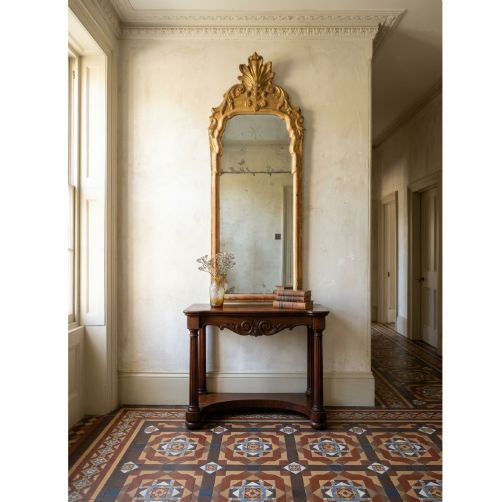
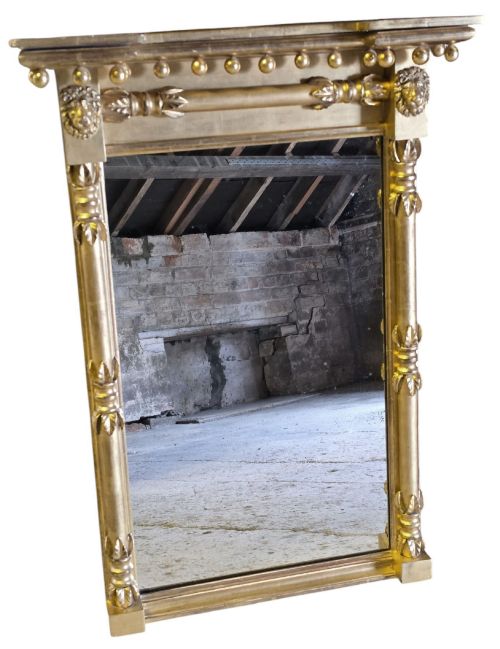
A georgian giltwood pier glass brings a heavy warmth to a room, catching daylight from between tall windows.
Georgian Giltwood Pier Glass
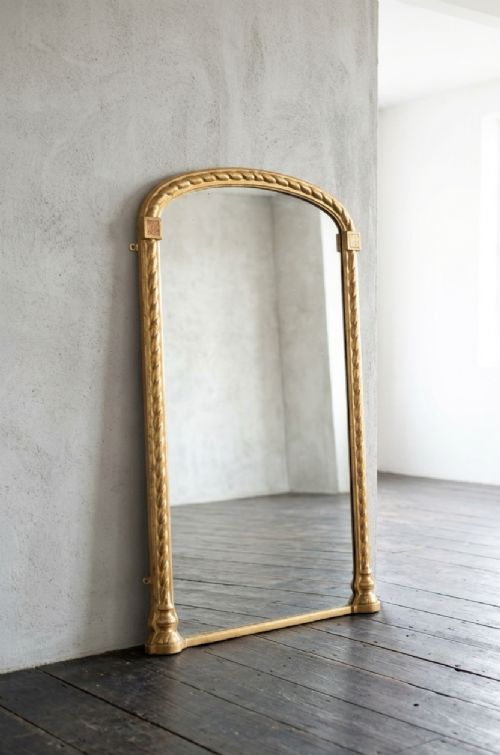
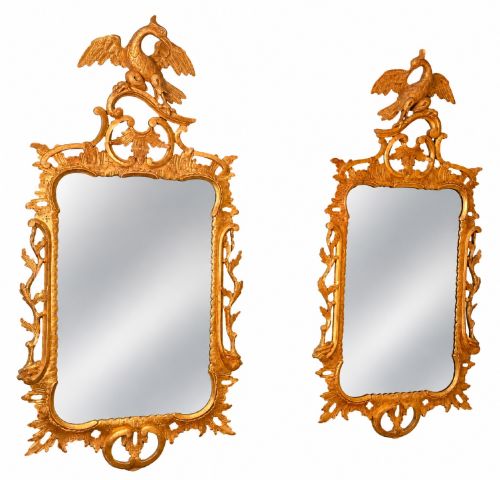
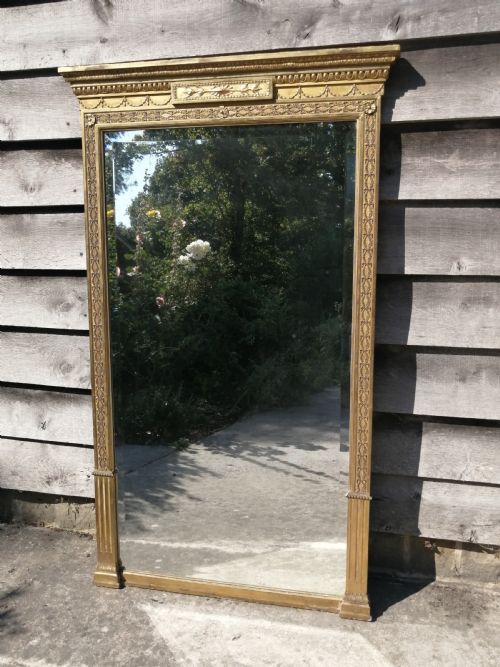
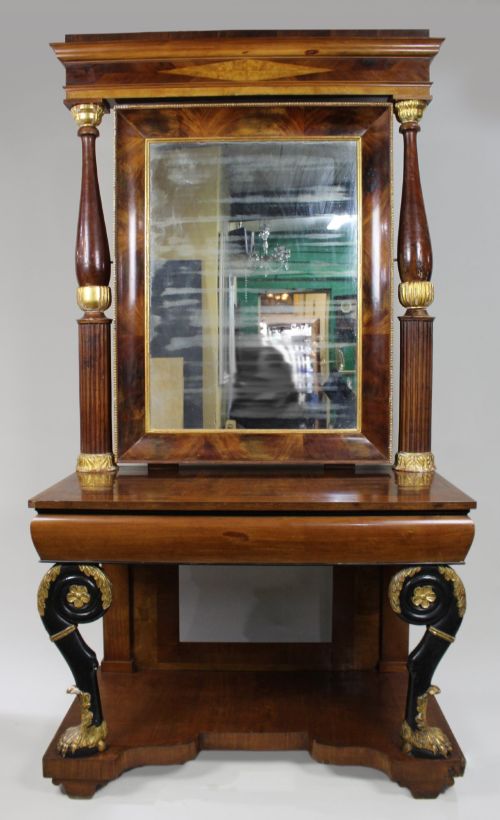
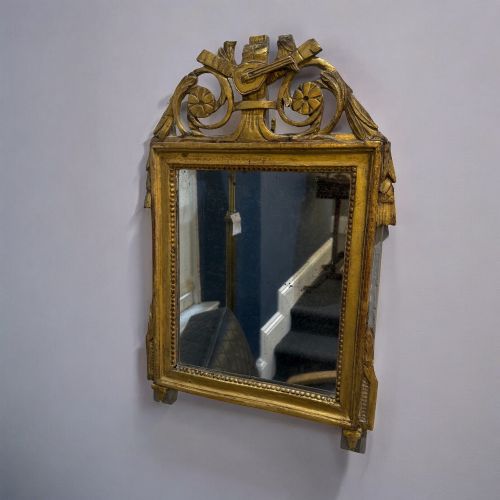
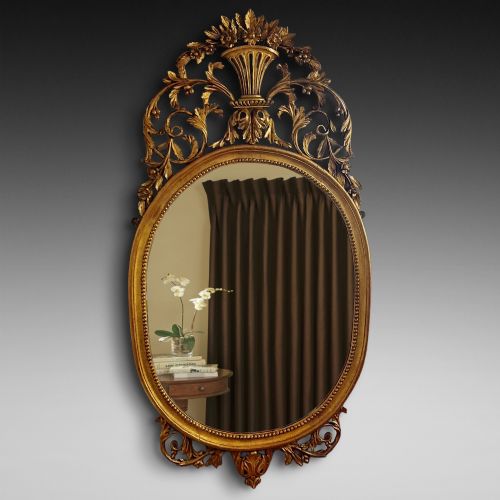
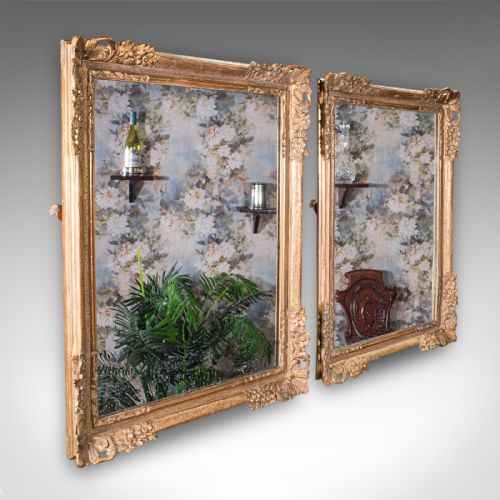
A georgian giltwood pier glass sits between windows or hangs above mantelpieces, designed to bounce interior light back into reception rooms. The pieces here span the eighteenth century, the regency, and later revivals, taking forms such as wall mirrors, trumeaus, and pier mirrors.
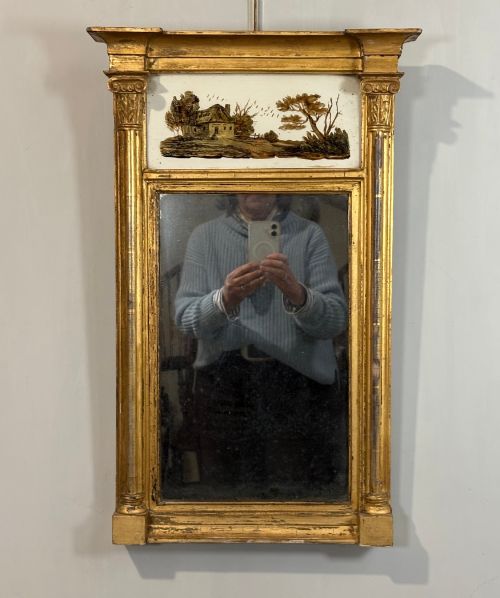
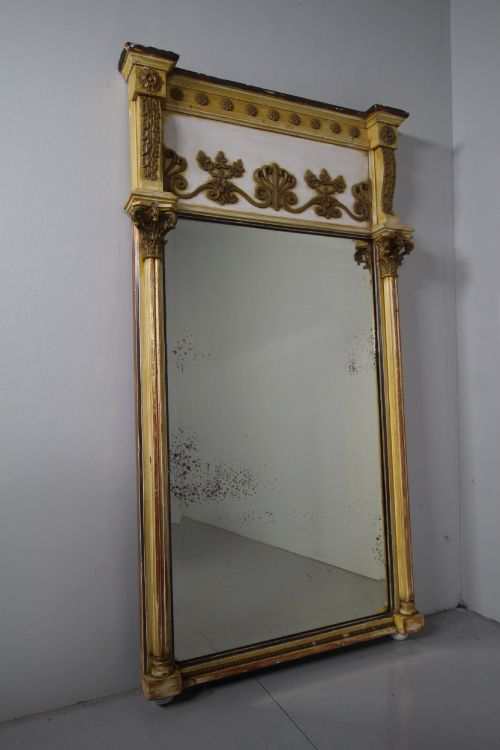
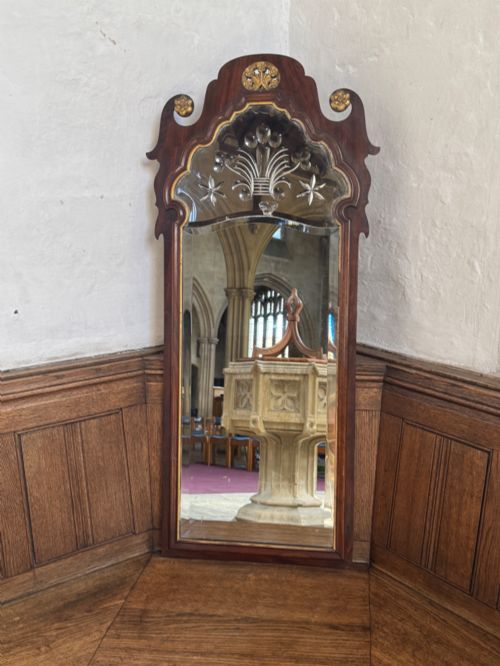
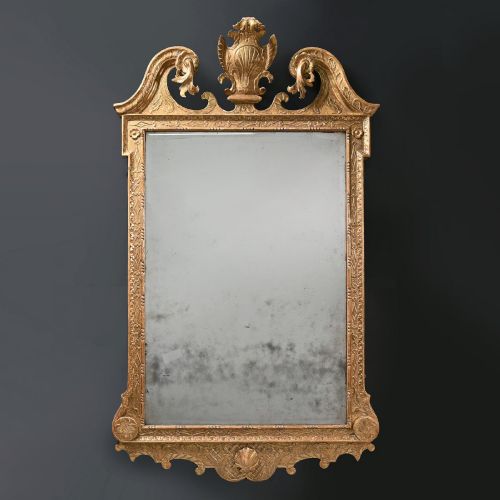
Most examples meet on this page carry frames of carved wood coated in gold leaf or gesso. They range from neat, compact proportions to large vertical formats, sometimes incorporating painted verre eglomise panels or reverse cut plates above the main glass.
Materials and construction
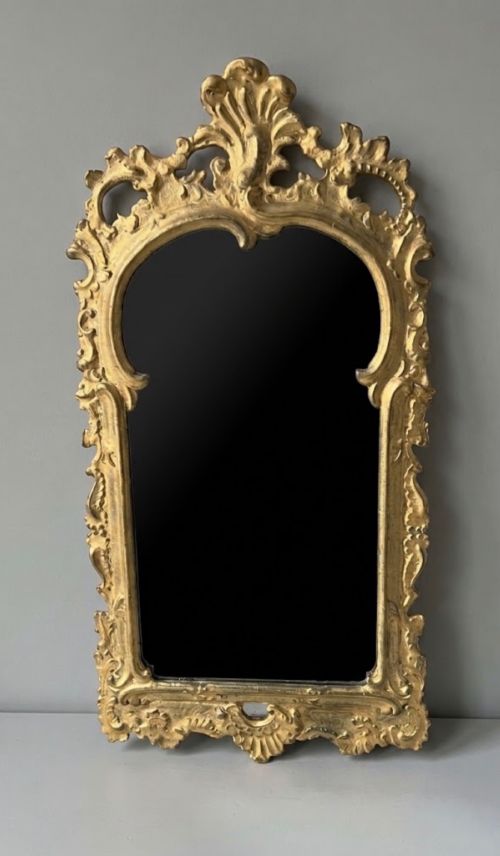
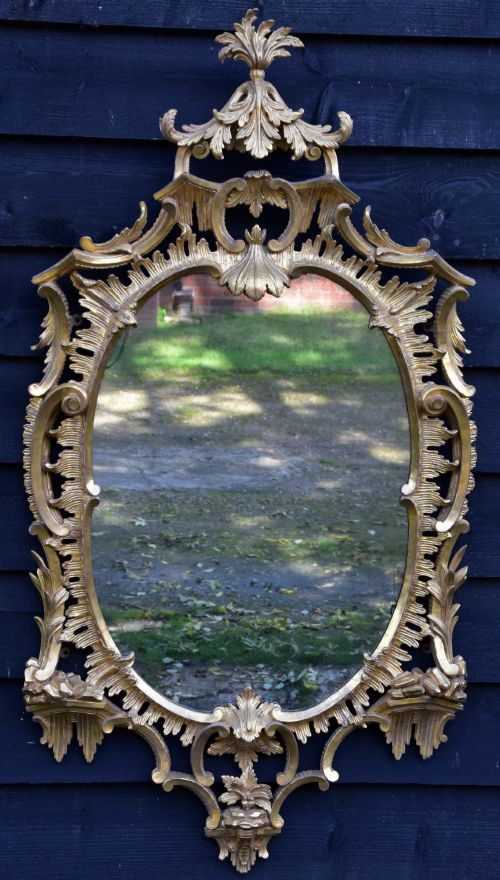
Makers carved frames from solid timbers such as mahogany, walnut, or softer woods, then applied layers of gesso to build up crisp relief for ornamentation. Gold leaf or gilding covers these prepared surfaces, catching light across carved foliage, classical columns, and rococo scrolls.
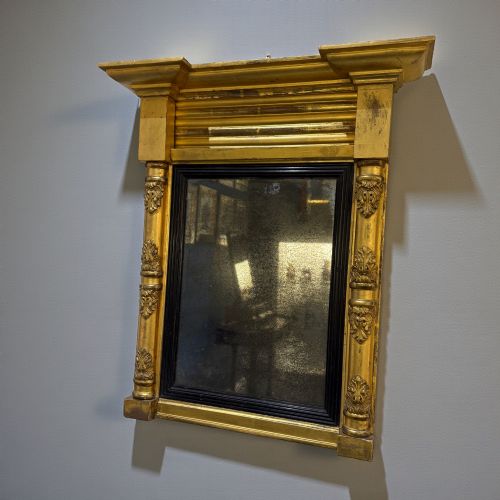
Mirrors utilise historic mirror glass or mercury glass plates, sometimes held by original pine backs. Panels of verre eglomise frequently appear in the upper sections of regency pier glasses, adding dark contrast above the reflective plate.
Georgian Giltwood Pier Glass Retail Price Guide 2026
Typical asking prices for georgian giltwood pier glass among the pieces listed under this phrase on Sellingantiques today, from the lower quarter to the upper quarter. They describe what is for sale here now, not the wider market.
Some pier glasses carry hidden candle arms designed to double the flicker of evening light.
Distinctions in quality
The depth and crispness of the carving separate standard workshop output from finer work, particularly where gesso is layered thickly to hold sharp edges on acanthus leaves and mouldings. Original gilding retains a softer, muted warmth compared to later metallic paints.
The survival of original mirror plates and glass panels alters the character of the object, showing gentle oxidisation and dark foxing rather than uniform modern reflection. Intact verre eglomise panels and original pine backboards indicate a high degree of survival.
William Kent·John Belchier
The Georgian Giltwood Pier Glass Glossary
- Giltwood
- Wood covered with thin sheets of gold leaf over a prepared base. This finish provides the characteristic warm metallic sheen found on eighteenth and nineteenth-century frames.
- Gesso
- A mixture of chalk, binder, and sometimes plaster applied to wood frames. Craftsmen carved intricate surface details directly into this pliable ground before gilding.
- Verre eglomise
- A technique involving cold painting and gilding on the reverse of glass panels. These dark, decorative sections frequently sit at the top of regency pier mirrors.
- Pier glass
- A tall mirror designed specifically for the wall space between windows. Their vertical proportions match the architecture of formal period rooms.
- Trumeau
- A decorative wall mirror combined with a painted panel or oil painting above the glass. They appear in neoclassical and regency interiors.
Georgian Giltwood Pier Glass: Frequently Asked Questions
Where should I hang a pier glass?
These tall vertical mirrors work best on narrow stretches of wall, traditionally between two windows where they can reflect light inward.
They also sit comfortably above low console tables or mantelpieces, echoing the proportions of high-ceilinged rooms without overwhelming the surrounding space.
What is mercury glass?
Older mirrors often utilise a backing of tin and mercury amalgam rather than modern silvering. This creates a deep, mottled reflection with characteristic dark spots.
Such plates show age naturally, offering a softer appearance than clean contemporary glass.
How do I spot a revival piece?
Revival mirrors from the nineteenth or early twentieth century imitate earlier georgian, george ii, or adam styles. Makers adopted historical ornament while using machine-sawn timbers and different construction methods.
Examining the backboards, fixings, and the wear on the gilding helps determine whether a mirror dates to the original period or a later revival.
Are original mirror plates common?
Many mirrors retain their original glass, though some have received replacement plates over the centuries due to damage or deterioration. Original plates show light foxing and uneven thickness.
Replacements remain bright and clear across the entire surface.