

Georgian Furniture Server
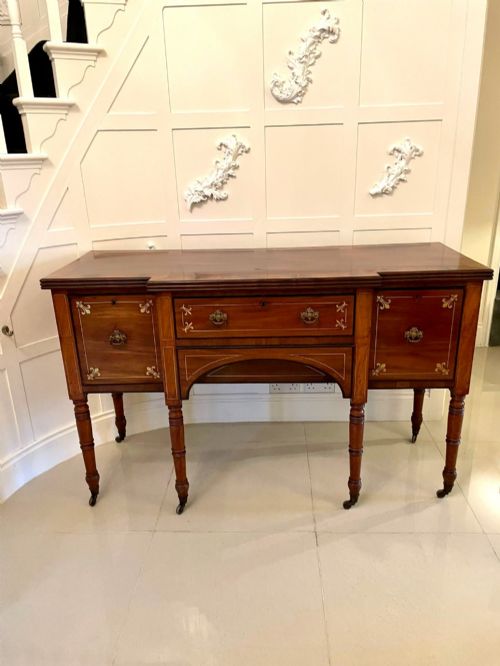
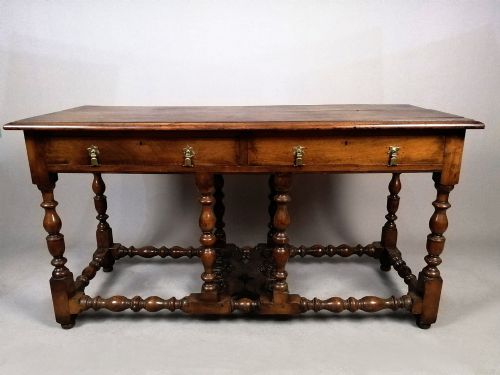
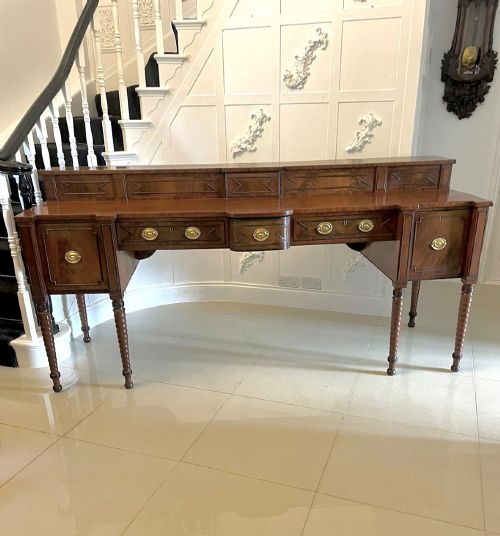
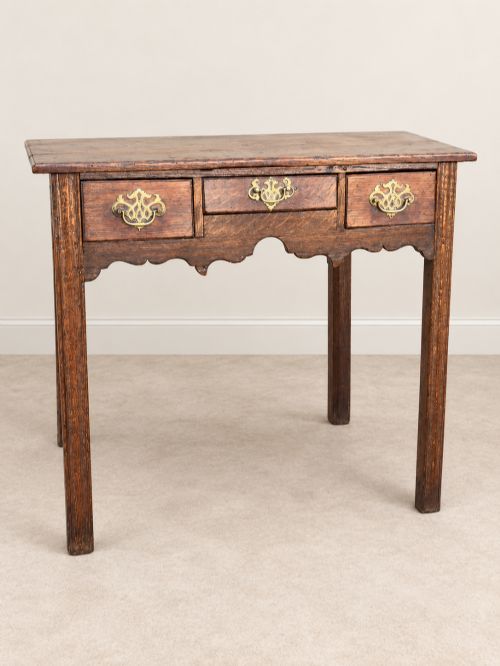
Georgian furniture server pieces are substantial serving tables and lowboards designed for dining rooms in walnut, oak, and mahogany.
Georgian Furniture Server
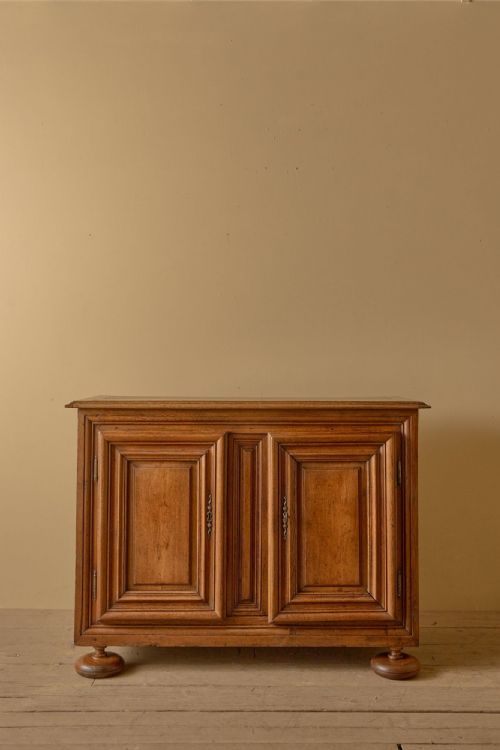
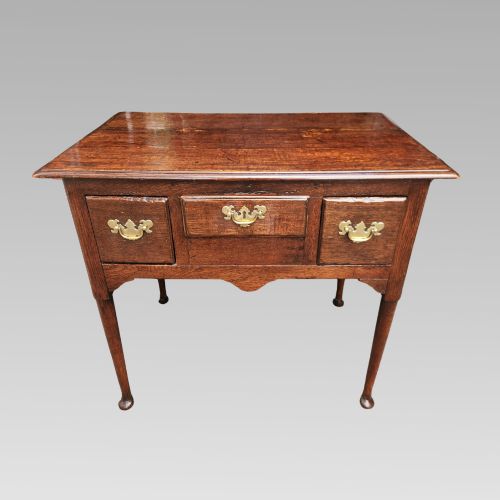
A georgian furniture server encompasses foundational dining room storage and display pieces including sideboards, dresser bases, lowboys, and console tables. These forms date primarily across the eighteenth century and the Regency period, though later revivals also appear.
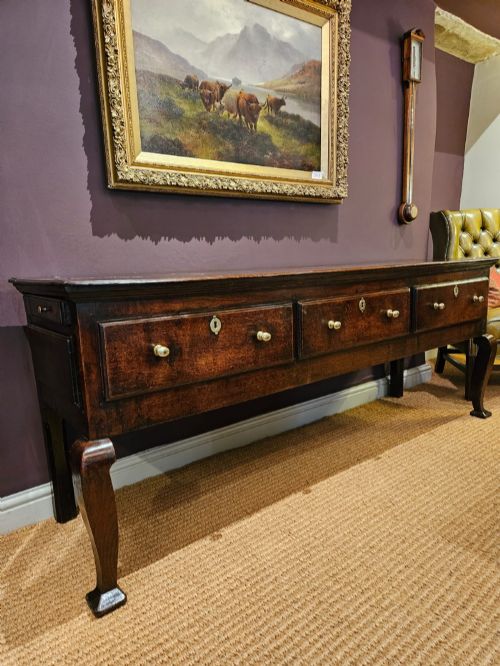
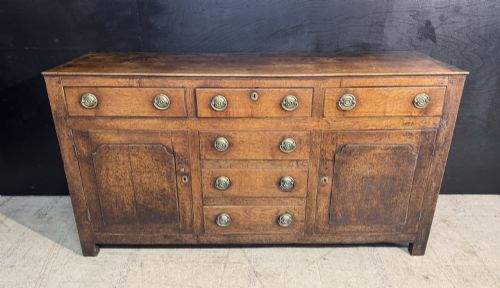
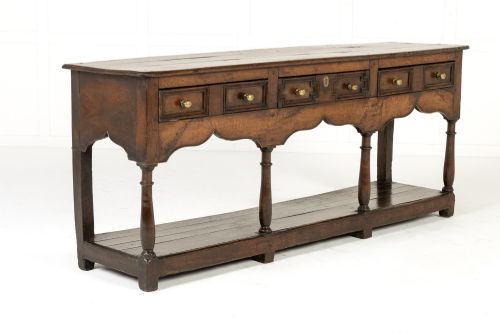
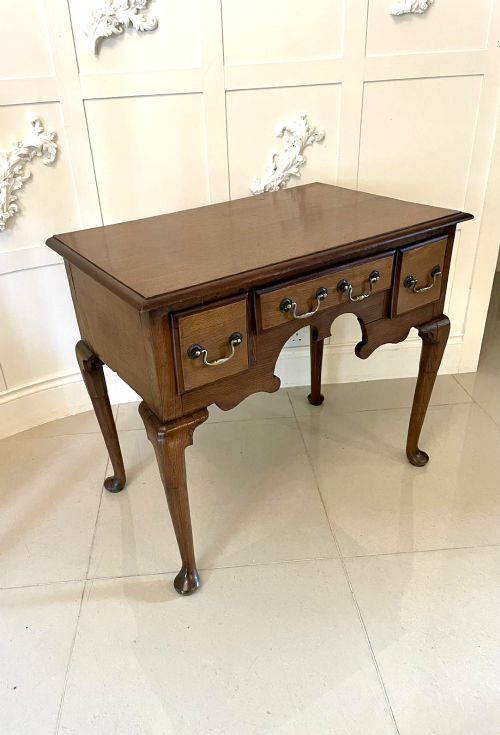
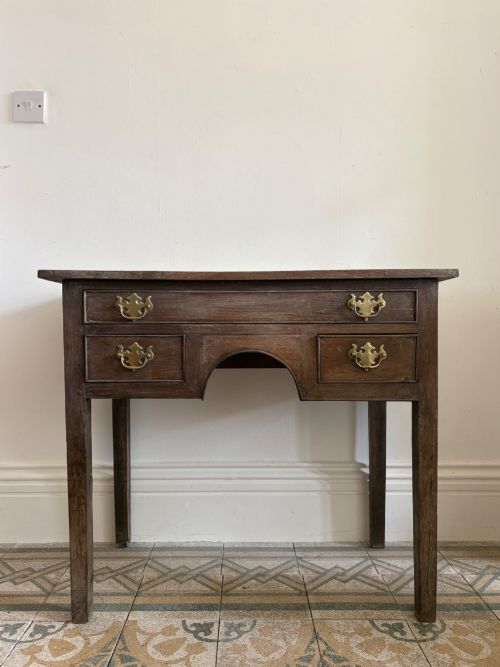
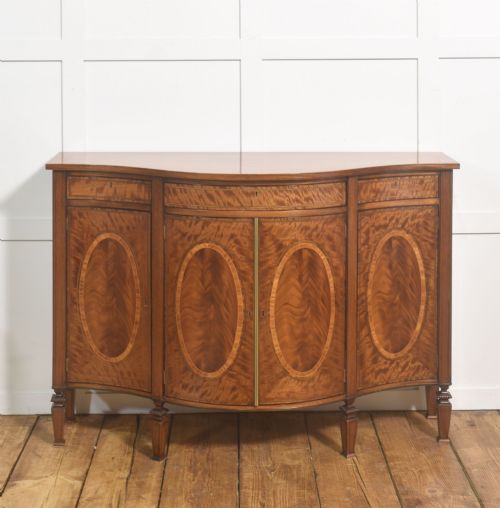
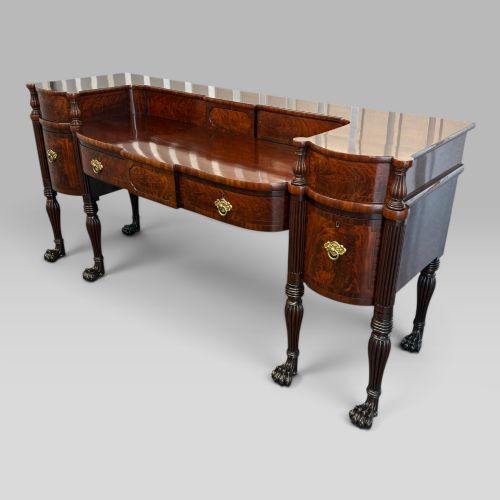
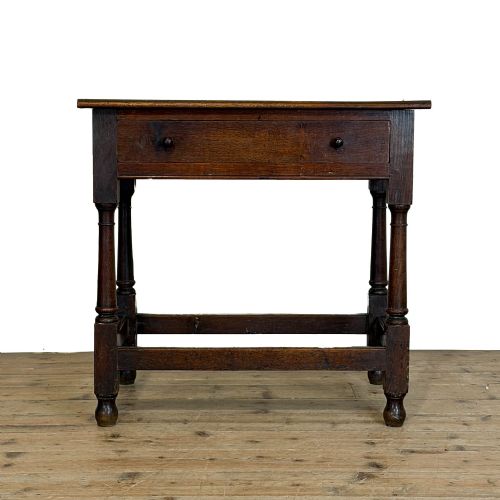
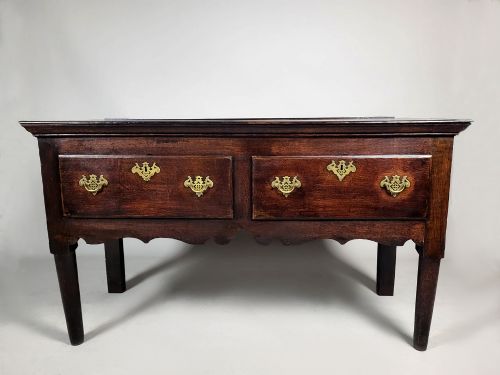
Oak and mahogany dominate the selection, manifested in regional dresser bases, potboard bases, lowboys with multiple drawers, and breakfront sideboards. Regional pieces such as Welsh and Scottish examples sit alongside formal metropolitan designs.
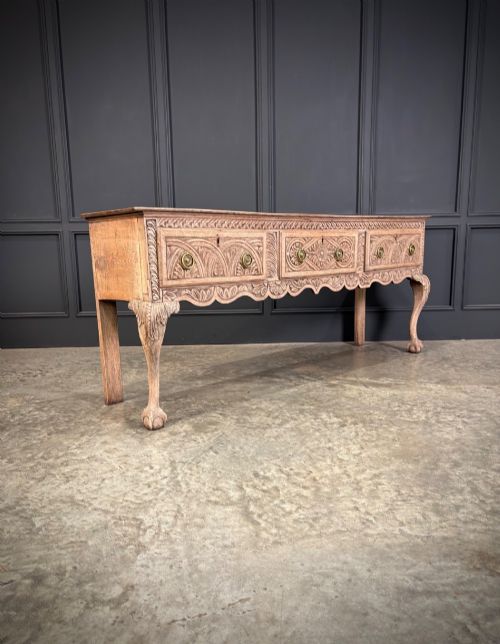
Forms range from compact lowboys and side tables to large breakfront sideboards with brass inlays, lion paw feet, and stage-backs. Simpler country variations utilise local timbers like elm, fruitwood, and pine.
Materials and construction
Cabinet makers utilised dense hardwoods including oak, mahogany, walnut, and elm, often pairing primary display surfaces with secondary woods. Flame mahogany veneers and figured grain selections provided decorative visual texture on formal metropolitan items.
Detailed construction techniques incorporate boxwood stringing, brass inlay work, geometric mouldings, and hand-carved elements such as cabriole legs. Original brass hardware, handles, and escutcheons frequently complete the structural assembly.
Georgian Furniture Server Retail Price Guide 2026
Typical asking prices for georgian furniture server among the pieces listed under this phrase on Sellingantiques today, from the lower quarter to the upper quarter. They describe what is for sale here now, not the wider market.
Several sturdy dresser bases retain their original potboards, built long ago to hold heavy iron pots without complaining.
Variations in quality
Quality rests upon the selection of timber grain, such as figured mahogany or geometric oak mouldings, combined with the crispness of hand-carved details and inlay. Superior examples display restrained proportions and balanced drawer arrangements that reflect skilled craftsmanship.
The integrity of the surface finish, including dry surfaces on early oak pieces and preserved original brasses, distinguishes higher tier items from later reproductions or heavily altered examples.
The Georgian Furniture Server Glossary
- Lowboy
- A small oak or walnut dressing table or side table featuring a low set of drawers beneath a flat top. They typically stand on slender cabriole or square legs.
- Dresser base
- The lower portion of a traditional kitchen or dining room dresser, constructed with open potboards or enclosed cupboards and drawers below the work surface.
- Breakfront
- A cabinet or sideboard design where the central section projects forward past the flanking cupboard wings. This configuration adds architectural depth to large mahogany pieces.
- Potboard
- An open slatted lower shelf fitted between the legs of a dresser base, traditionally utilised for storing heavy kitchen pots and serving dishes.
Georgian Furniture Server: Frequently Asked Questions
What is a lowboy used for?
A lowboy served historically as a small dressing table or side table for domestic chambers and parlours. They provided convenient surface space and drawer storage for personal items.
Today, collectors utilise lowboys as compact side servers in dining rooms or as hallway accent tables. Their modest footprint allows them to fit easily into smaller interior spaces.
How do I identify a Georgian sideboard?
Georgian sideboards generally feature linear mahogany construction, often enhanced with brass inlays, bow-front shaping, or multiple central drawers flanked by cupboards. They emerged to meet changing dining customs during the eighteenth century.
Later Victorian and Edwardian revival pieces replicate these proportions but often utilise machine-cut veneers or different interior secondary woods. Examining drawer linings and timber age helps clarify the period of manufacture.
What is the difference between oak and mahogany servers?
Oak servers belong predominantly to earlier periods and regional rural workshops, displaying visible grain and robust country construction. They include dresser bases and lowboys with simple bracket or cabriole legs.
Mahogany servers reflect more formal metropolitan design trends, frequently incorporating refined veneers, brass mounts, and satinwood stringing. They became the dominant choice for late eighteenth-century dining rooms.
Where should I place a dresser base at home?
A dresser base fits naturally into a dining room or kitchen as a functional serving surface and storage unit. Their long wooden tops accommodate dishes, food, or decorative objects.
Placing them against a principal wall allows the timber grain and original brasses to stand out. Ensure they are kept away from direct heat sources to protect the historic wood.