

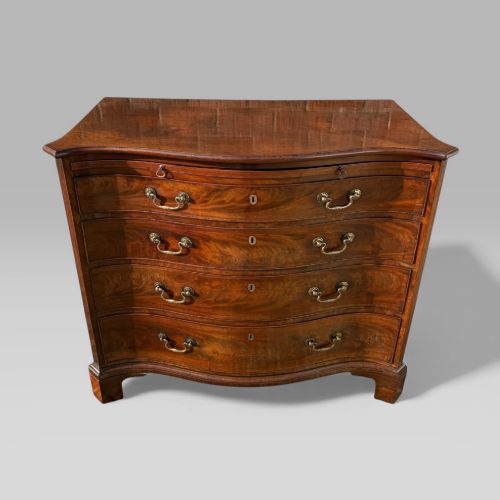
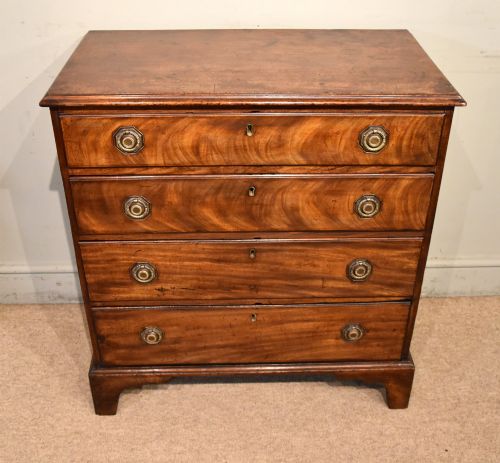
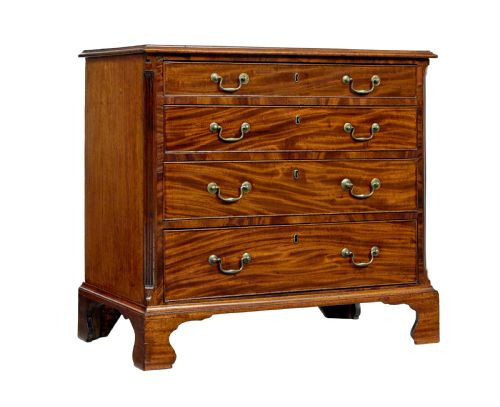
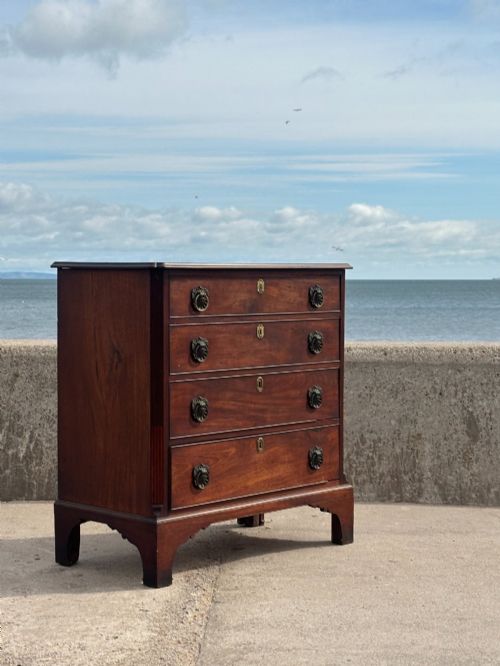
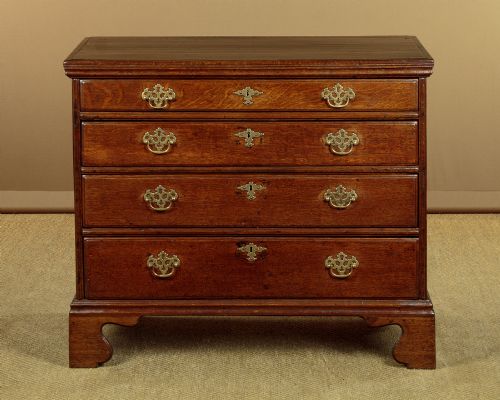
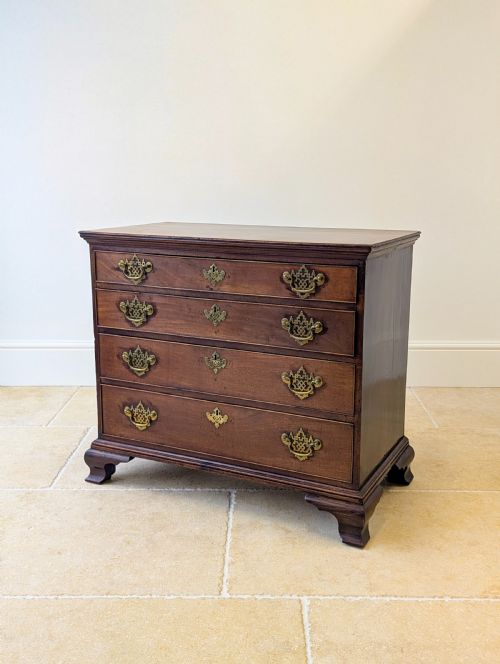


Georgian Four Drawer Bureau
A georgian four drawer bureau brings timber warmth and practical writing space into a room.
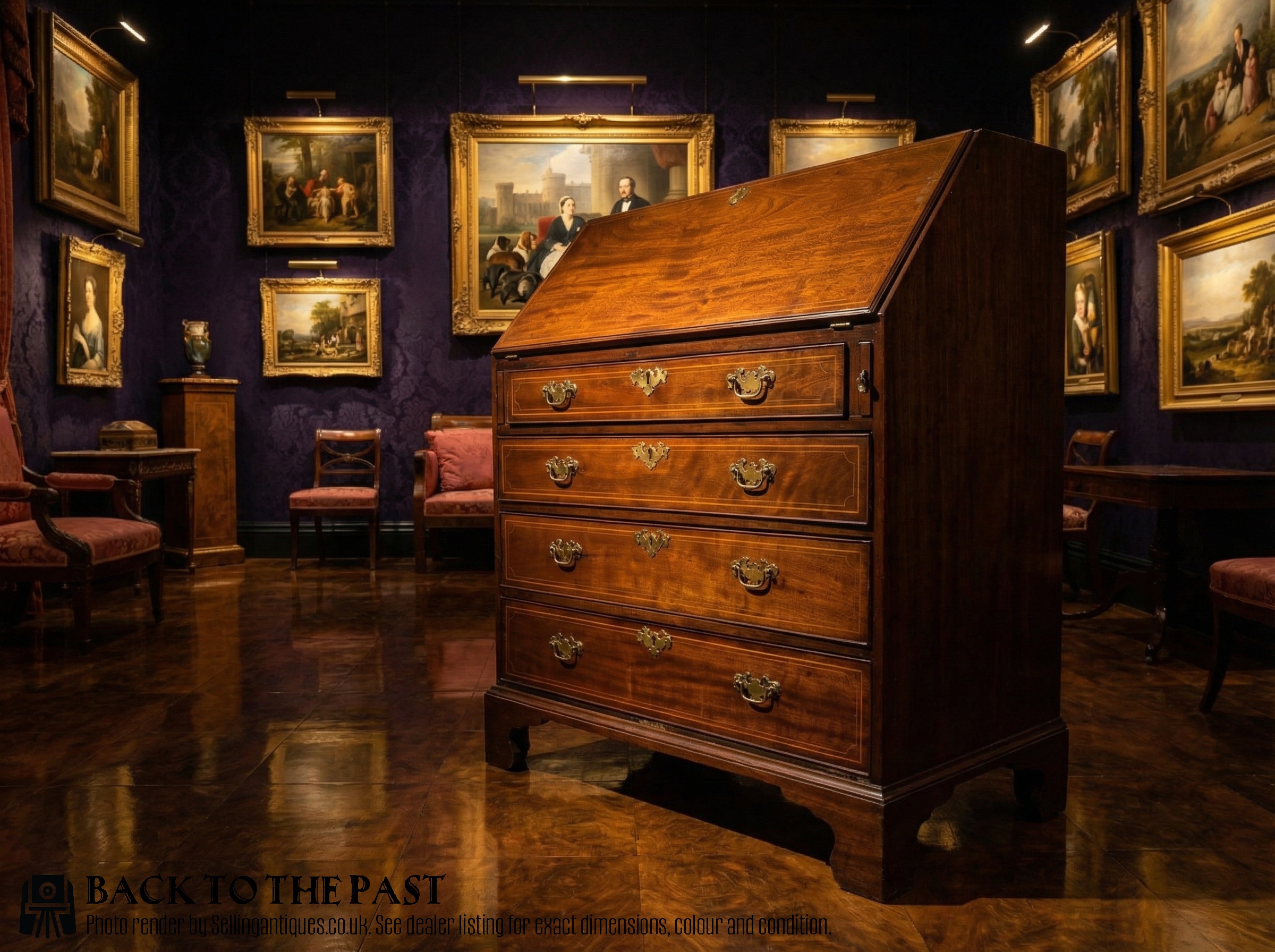
Georgian Four Drawer Bureau
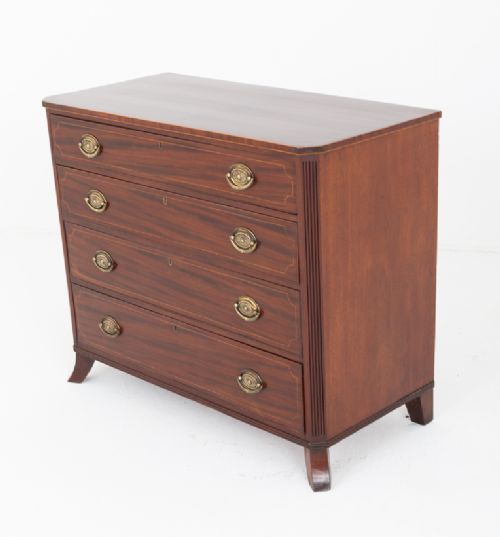
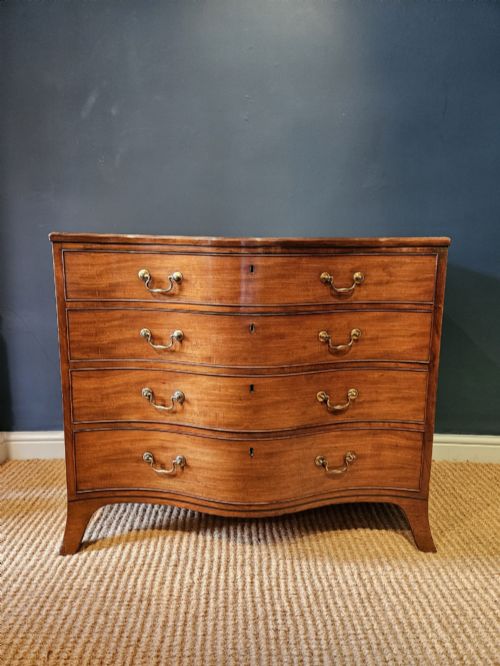
A georgian four drawer bureau combines a sloping writing flap with a chest base, offering compact utility for daily correspondence. The pieces found here span the georgian period alongside later revivals, bringing authentic eighteenth-century proportions or Edwardian interpretations into a modern interior.
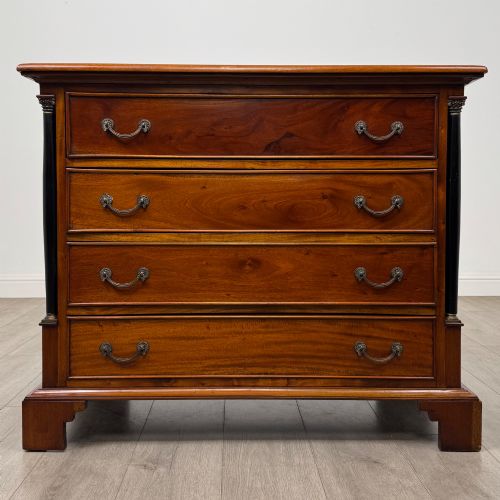
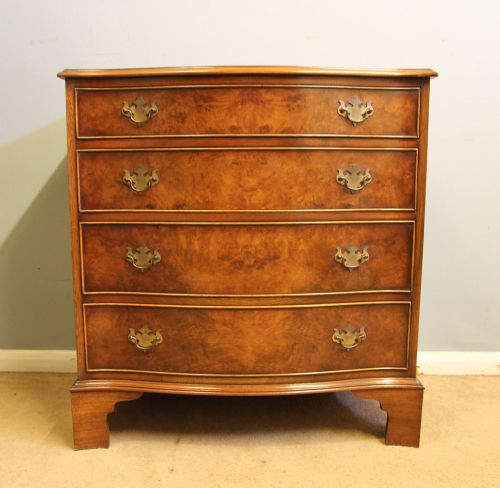
Most examples rely on a sturdy four-drawer carcase beneath the fall front, providing substantial storage alongside the fitted desk interior. Mahogany dominates the selection, though variations in oak and burr walnut appear across regional workshops and later revival eras.
How they were made
Cabinet makers built these pieces using solid timbers and decorative veneers, applying flame mahogany and burr walnut to primary surfaces with oak or deal for secondary carcase framing. Hand-cut dovetails join the drawer boxes, reflecting traditional joinery methods designed to endure centuries of daily use.
Brass handles and escutcheons secure the drawer fronts, often cast and chased in traditional drop or plate patterns appropriate to the specific decade of production. Fine line inlay and satinwood stringing frequently accent the principal surfaces on late georgian and revival pieces.
Current listings feature pieces spanning the georgian period, nineteenth century, and Edwardian revival eras, constructed primarily in mahogany, oak, and burr walnut.
What varies in quality
The choice of timber grain defines the visual impact, with matched flame mahogany and figured burr walnut commanding attention through rich movement and depth. Superior examples display restrained proportions, crisp cockbeading around the drawers, and well-figured secondary woods inside the fitted desk interior.
Subtleties in edge moulding, bracket foot shaping, and original brass hardware separate workshop masterpieces from standard vernacular production. Later revivals vary according to the fidelity of their period details and the quality of the timber selection.
The Georgian Four Drawer Bureau Glossary
- Bureau
- A writing cabinet featuring a sloping fall-front flap that opens to reveal internal pigeon holes and small drawers. This form provides a concealed workspace atop standard chest drawers.
- Fall front
- The hinged writing flap of a bureau that folds down to create a horizontal surface for correspondence. It typically rests upon pull-out lopers when opened.
- Serpentine front
- A furniture front curved in a wave shape, featuring a convex centre flanked by concave ends. This shaping requires specialist woodworking skill and premium timber.
- Cockbeading
- A narrow half-round moulding applied to the edges of drawer fronts to protect the timber and frame the opening. It is a hallmark of refined eighteenth-century cabinet making.
- Bracket foot
- A simple structural foot supporting a case piece, formed by two mitred pieces of timber shaped in an ogee or plain curve. It lifts the carcase slightly clear of the floor.
Georgian Four Drawer Bureau: Frequently Asked Questions
How do I use a bureau daily?
Lower the fall front to access the internal writing surface and compartments for modern stationery or laptop use. The drawers underneath offer generous storage for household linens or paperwork.
Keep the timber conditioned with suitable wax polish and avoid placing the bureau near direct heat sources to protect the veneers.
Are these pieces from the eighteenth century?
The selection includes genuine eighteenth-century georgian pieces alongside nineteenth-century interpretations and later Edwardian revivals. Each era brings distinct characteristics in timber choice and construction.
Examining the interior drawer construction and timber shrinkage helps determine the exact period of manufacture.
What woods were used?
Mahogany is the predominant timber found in these listings, complemented by oak, elm, and striking burr walnut veneers. Secondary woods like pine or oak appear inside drawer linings.
Line inlay in satinwood or ebony frequently decorates the finest surfaces on late georgian and revival models.
How do I fit one into a modern room?
A bureau serves well in a living room, hallway, or home study, offering a compact desk footprint that closes away clutter instantly. The warm tones of aged mahogany or walnut pair easily with contemporary or traditional decor.
Measure your available wall space carefully to account for the depth when the writing flap is open.