


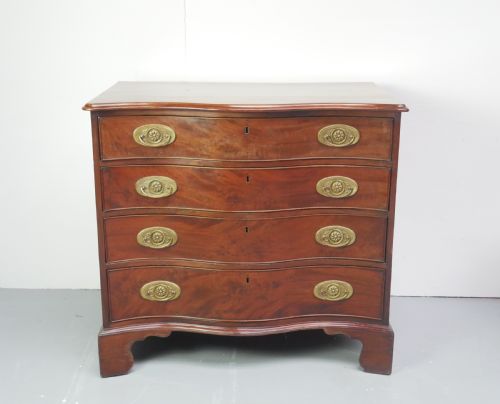
Georgian Fitted Chest
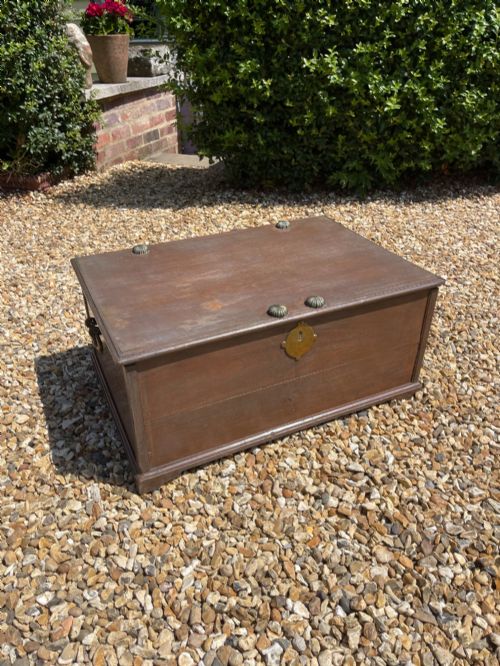
A georgian fitted chest brings together solid timber and clever internal compartments designed to hold papers, valuables, or cosmetics.
Georgian Fitted Chest
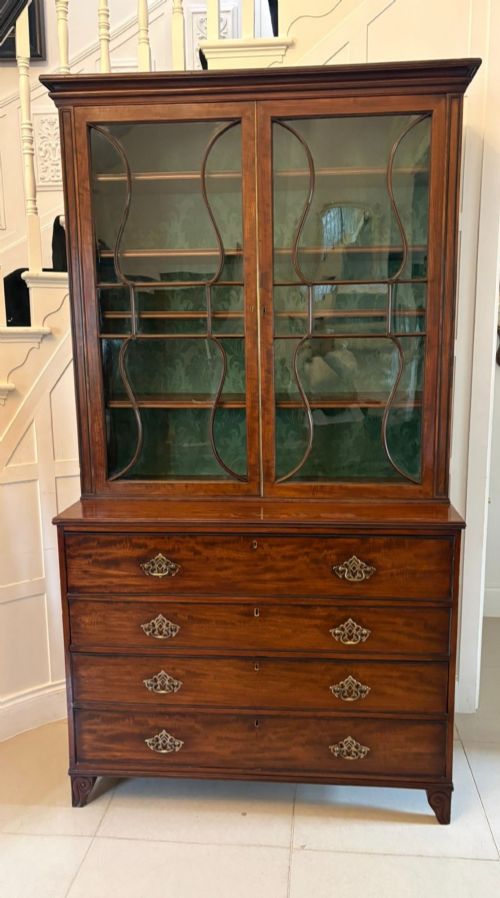
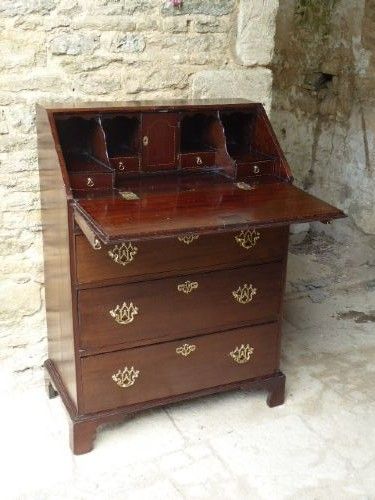
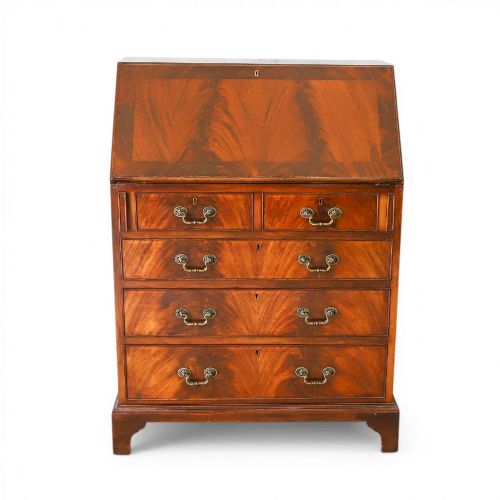
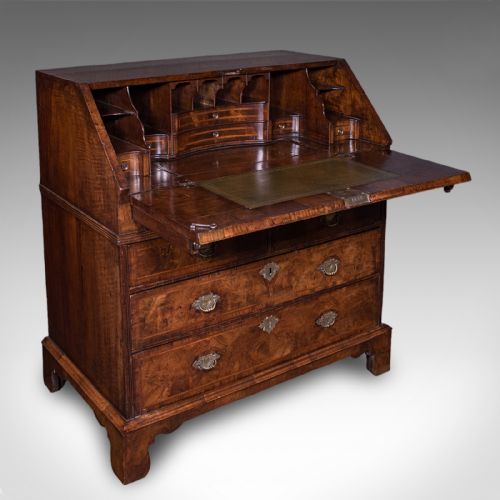
When you search for a georgian fitted chest, you encounter case pieces constructed during the eighteenth and early nineteenth centuries that conceal writing drawers, secret compartments, or dressing fittings behind primary drawer fronts or drop-front panels. The evidence shows these functional items appearing as tallboys, dressing chests, and bureau bookcases originating from the Georgian, Regency, and George III periods.
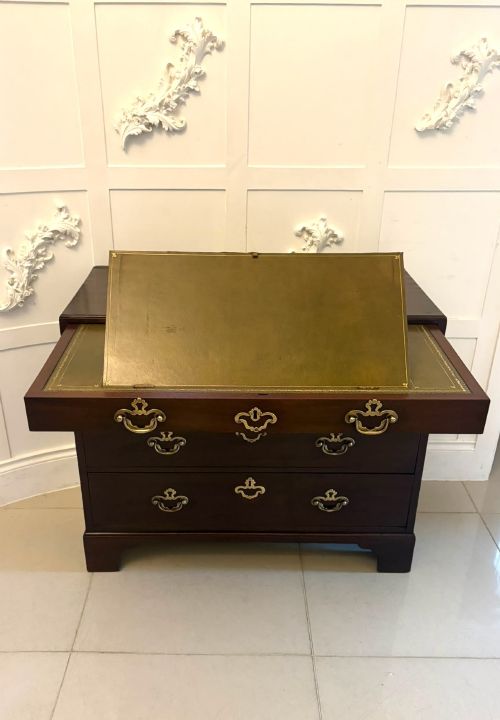
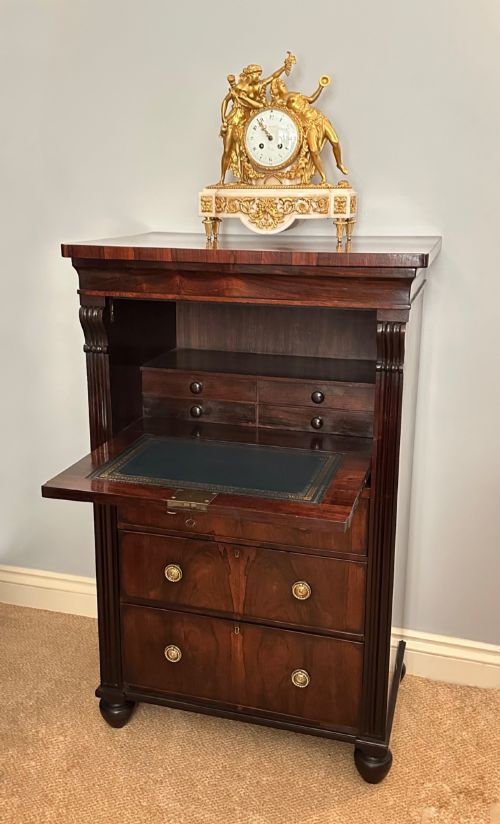
Mahogany and oak dominate the forms seen on this page, often supplemented by walnut, rosewood, and teak. Buyers frequently meet pieces where the top drawer pulls down or slides out to reveal small pigeonholes, tiny drawers, and baize-lined writing surfaces.
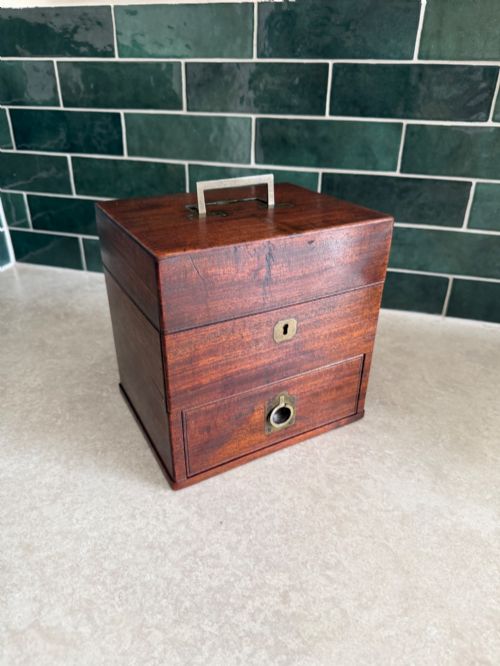
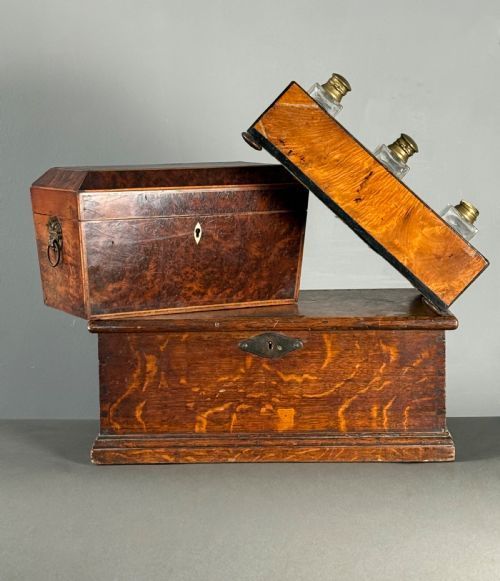
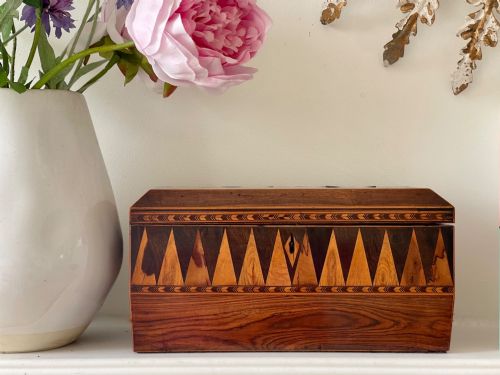
Alongside standard chests of drawers, the listings include specialised storage such as apothecary boxes, tea caddies, and escritoires which share the defining characteristic of internal organisation. These compartments reflect an era when personal documents and grooming equipment required secure, dedicated housing within domestic furniture.
Materials and construction methods
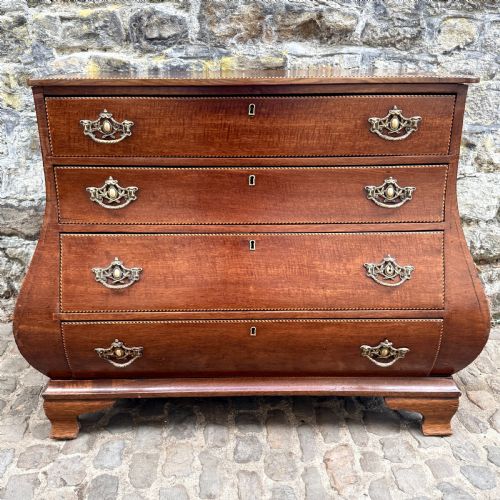
Cabinetmakers constructed these pieces primarily from solid mahogany, oak, and walnut, frequently utilising figured veneers to create decorative patterns on drawer fronts and fall-front panels. Secondary timbers such as pine or oak appear inside drawer linings and internal dividers.
Listings span the 18th century, Georgian, Regency, and Victorian periods, utilising mahogany, walnut, oak, brass, leather, and glass.
Assessing quality in fitted storage
Quality rests upon the execution of the internal mechanism and the selection of timber used for the exterior surfaces. Pieces at the upper end display highly figured mahogany or walnut veneers matched symmetrically across the front, alongside finely dovetailed internal drawers and smoothly operating fall-front hinges.
The complexity and completeness of the interior fittings dictate much of the distinction between examples. Superior pieces retain their original glass bottles, leather writing pads, and secret compartment slides intact, while simpler items offer basic pigeonholes and plain timber surfaces.
The Georgian Fitted Chest Glossary
- Secretaire
- A desk or chest of drawers containing a fitted writing drawer with a drop-front or sliding mechanism. This enables a standard case piece to function as a writing cabinet without altering its external appearance.
- Tallboy
- A tall chest of drawers made in two sections, often combining a chest on chest or a press cupboard configuration. They provide elevated storage capacity while maintaining a compact floor footprint.
- Escritoire
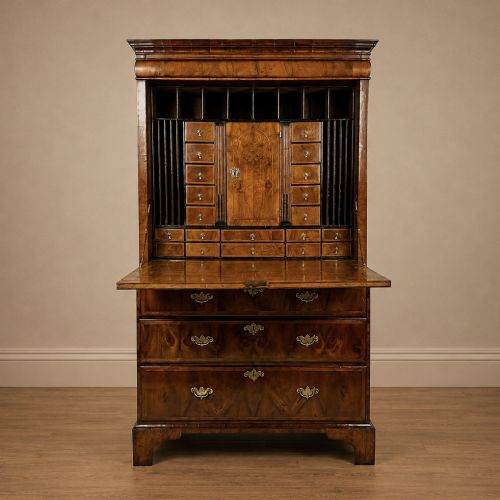
- A writing cabinet or bureau designed with a fall-front panel that conceals an arrangement of small drawers and pigeonholes. These items date predominantly from the early eighteenth century.
- Cellarette
- A fitted subterranean or freestanding box designed to hold bottles of wine securely during the Georgian and Regency periods. They frequently incorporate lead linings and internal dividers.
- Baize
- A coarse woolen material resembling felt used to line writing surfaces and interior compartments within desks and chests. It protects delicate items and provides a smooth surface for writing.
Georgian Fitted Chest: Frequently Asked Questions
What is a fitted interior in a Georgian chest?
A fitted interior refers to the arrangement of small drawers, pigeonholes, and compartments hidden behind the top drawer front or a drop-down panel of a chest.
These compartments were built to organise letters, inkwells, coins, and personal documents securely out of sight.
How do I use a secretaire chest today?
You can utilise the drop-front writing drawer as a compact desk surface for a laptop or stationery while keeping the lower drawers for standard clothing storage.
The internal compartments remain practical for organising modern desk accessories and small valuables.
Are these chests made from solid mahogany?
Most Georgian case furniture utilises solid structural frames of oak or pine combined with mahogany or walnut veneers applied to the exterior drawer fronts and sides.
This technique prevented warping while displaying the decorative grain patterns prized by period cabinetmakers.
How do I distinguish a dressing chest from a standard chest?
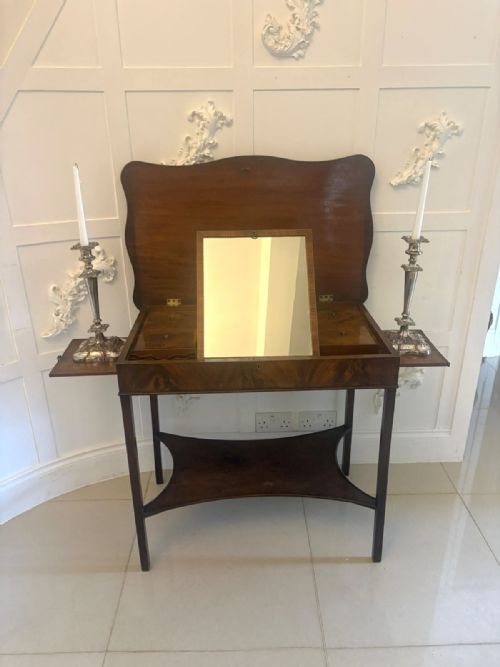
A dressing chest incorporates specific internal divisions in the top drawer designed to hold cosmetics, mirrors, and grooming tools rather than general apparel.
Some examples also feature sliding trays or integrated compartments specifically tailored for vanity items.