



Georgian Fireplace Poker
A georgian fireplace poker is a sturdy hearth implement forged to manage coal and wood fires.
Georgian Fireplace Poker
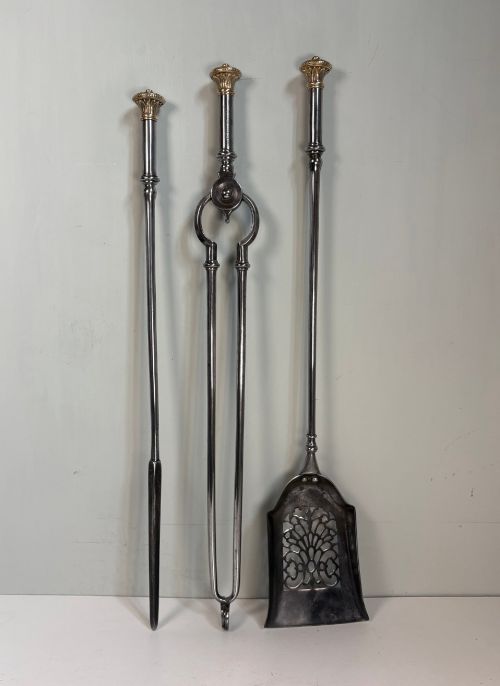
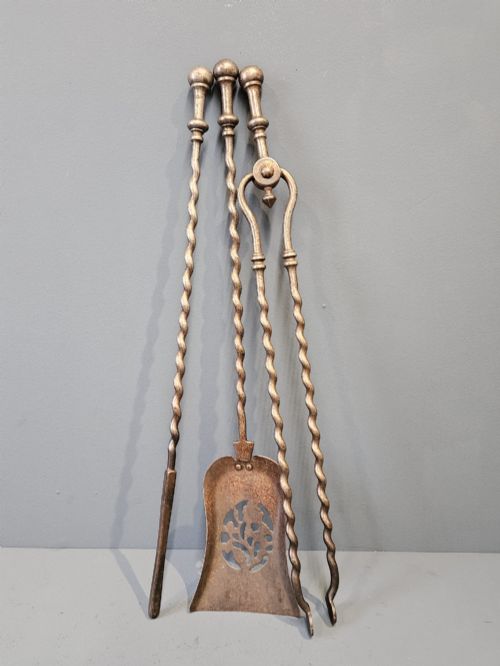
A georgian fireplace poker is part of a functional fireside setup, often encountered within sets of fire irons and companion tools. These items span periods from the eighteenth century through to the nineteenth century, including Regency and Victorian eras.
Most examples appear as individual fireplace tools or within matching sets comprising steel, brass, iron, and polished steel. Forms extend from simple iron rods to burnished steel and gilt brass designs featuring claw and ball details.
How they were made
Makers shaped these irons using durable metals such as steel, iron, and brass, sometimes applying a polished or burnished finish to the steel shafts. Handles frequently incorporate contrasting materials like gilt brass or rosewood.
Techniques relied on metalworking traditions appropriate for hearth accessories, producing rigid implements designed to withstand regular heat and use. Decorative elements such as claw and ball motifs were integrated into the metalwork or associated furniture.
Georgian Fireplace Poker Retail Price Guide 2026
Typical asking prices for georgian fireplace poker among the pieces listed under this phrase on Sellingantiques today, from the lower quarter to the upper quarter. They describe what is for sale here now, not the wider market.
Current listings feature materials including steel, polished steel, burnished steel, brass, gilt brass, iron, and rosewood across Georgian, Regency, and Victorian periods.
What varies in quality
Quality differences lie in the refinement of the metal finish, distinguishing simple utilitarian iron from highly polished steel or finely chased gilt brass. The choice of handle materials and the presence of decorative casting details also separate standard examples from finer ones.
Cohesion within a set elevates an ensemble, where matching materials and consistent period styling across the poker and companion tools indicate a higher grade of original manufacture.
The Georgian Fireplace Poker Glossary
- Fire irons
- A group of hearth implements typically including a poker, tongs, and a shovel. These tools were essential for managing open coal and wood fires.
- Companion tools
- A collective term for implements kept together by the hearth for daily fire maintenance. They share a unified aesthetic or material composition.
- Burnished steel
- Metal finished with a high lustre through mechanical polishing. This treatment provides both reflection and protection against surface oxidation.
- Gilt brass
- Brass coated with a thin layer of gold or gold-coloured alloy to enhance appearance. It appears on handles and decorative mounts.
- Claw and ball
- A decorative foot motif depicting a bird talon grasping a spherical ball. This design is found on associated fireside furniture.
Georgian Fireplace Poker: Frequently Asked Questions
What is a georgian fireplace poker used for?
A georgian fireplace poker is designed to stir burning logs and break up coal to maintain an open fire. Its rigid metal shaft allows for safe manipulation of fuel from a distance.
Beyond basic utility, these pokers formed part of coordinated hearth displays alongside tongs and shovels in period reception rooms.
How do you style a georgian fireplace poker?
These pokers sit naturally beside period hearths, either resting in a companion stand or hung from a fireside fender. Their metal finishes complement traditional brick and stone fireplace surrounds.
Pairing them with matching fire irons creates a cohesive historic arrangement that highlights nineteenth and eighteenth-century craftsmanship.
Are these pokers made of solid steel?
Many examples are forged from solid iron or steel, occasionally featuring burnished or polished surfaces for enhanced visual appeal. Some variations incorporate brass or gilt brass elements.
Handles may also feature contrasting materials like wood or rosewood to provide a comfortable grip during use.
How can you tell the period of fire tools?
Dating relies on observing material combinations, such as polished steel paired with gilt brass, and stylistic details like claw and ball motifs. Catalogued periods range across the eighteenth and nineteenth centuries.
Manufacturing techniques and the presence of specific alloy treatments further assist in identifying Georgian, Regency, or Victorian origins.