
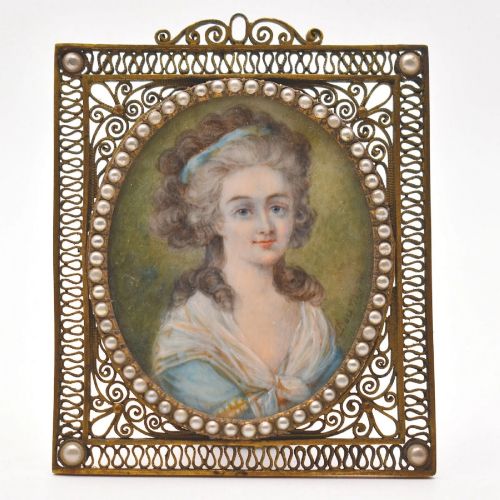


Georgian Era Female Painting
Georgian era female painting captures the poise and character of women through oil on canvas, pastel, and delicate miniature watercolours.
Georgian Era Female Painting
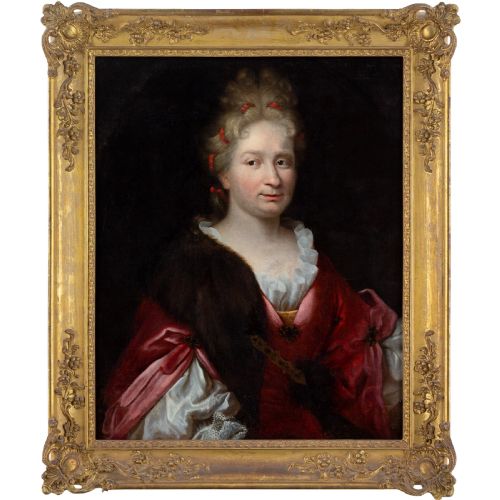
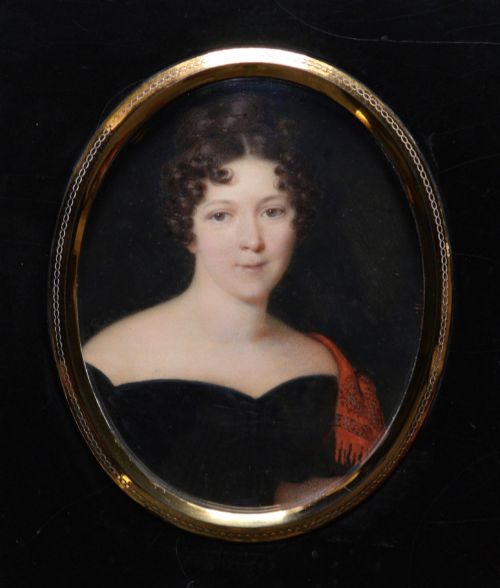
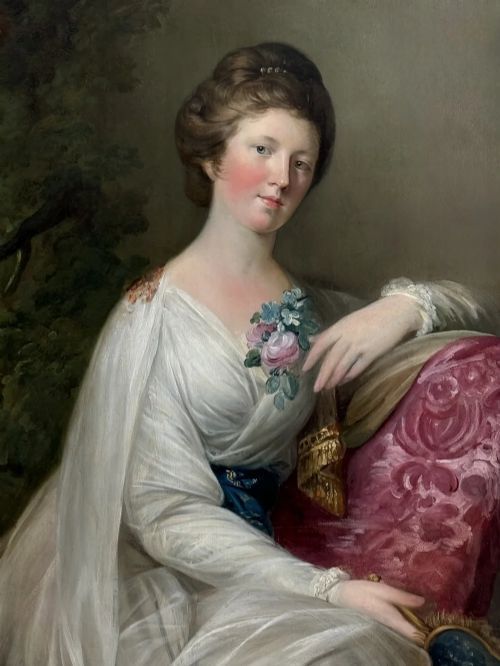
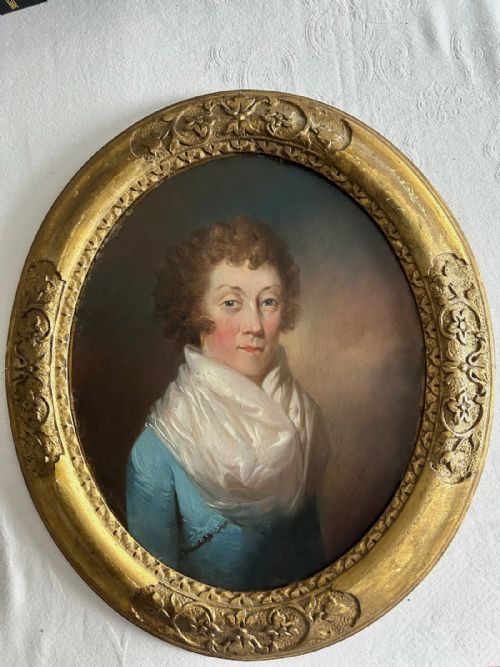
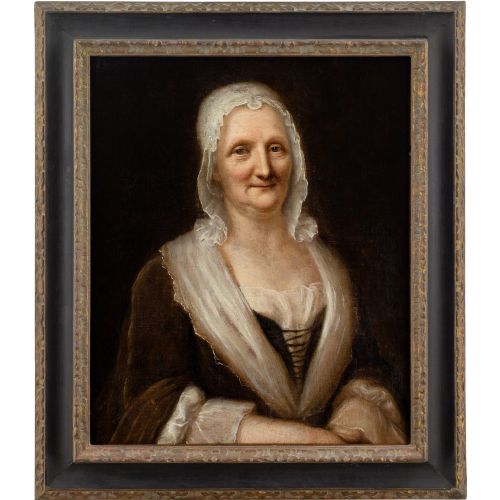
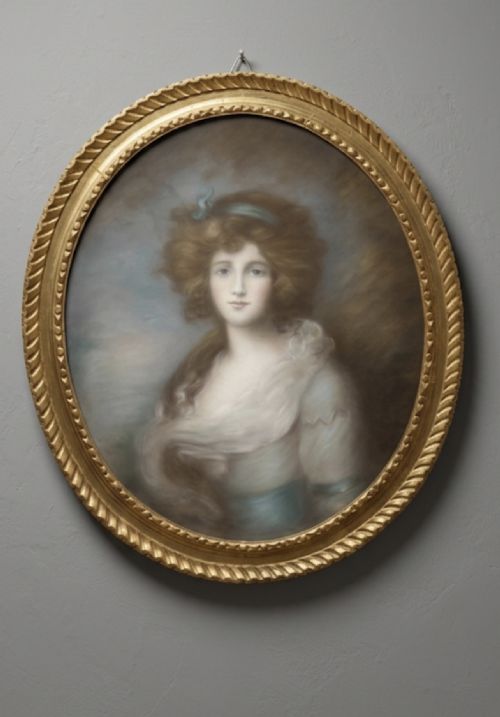
A georgian era female painting comprises portraits of women rendered in oil on canvas, pastel, watercolour, and gouache, spanning the eighteenth and nineteenth centuries. These works record the likenesses of named sitters, society figures, actresses, and anonymous ladies through varied regional schools.
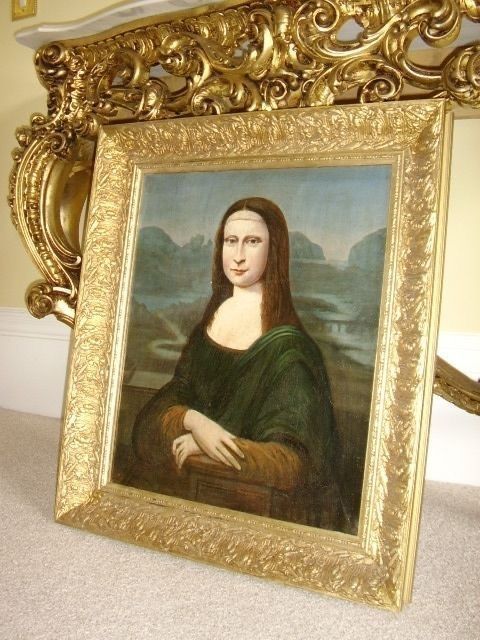
The pieces on this page range from full-scale oil paintings in giltwood frames to intimate portrait miniatures framed with glass and seed pearls. French and English schools predominate, alongside works executed after masters such as Thomas Gainsborough and Leonardo da Vinci.
Subjects appear in settings typical of the period, from classical compositions to Regency fashions and theatrical roles. Dating generally covers the eighteenth century, Regency period, and early nineteenth century, reflecting shifting tastes in portraiture.
What varies in quality
The success of a georgian era female painting rests on the draftsmanship of the face and the psychological engagement of the sitter. Superior hands capture subtle shifts in expression and texture, whereas lesser works remain stiff and formulaic.
Listings feature oil on canvas, pastel, watercolour, and gouache works set within period giltwood and gilded wood frames.
George Willison·Thomas Gainsborough·Dumont·Sir Thomas Lawrence·Samuel Lawrence·George Clint
The Georgian Era Female Painting Glossary
- Giltwood
- Wood carved and coated with a thin layer of gold leaf. This material frequently frames formal oil portraits of the period.
- Gouache
- An opaque water-based paint used alongside pastel for rich colour density. It allows for matte finishes on paper portraits.
- Portrait Miniature
- A small-scale painting executed with fine detail, often worn as personal jewellery or kept in a case. These works frequently employ watercolour on delicate supports.
- Regency
- An English stylistic period spanning the early nineteenth century. Works from this era often show softer drapery and neoclassical influences.
- Sibyl
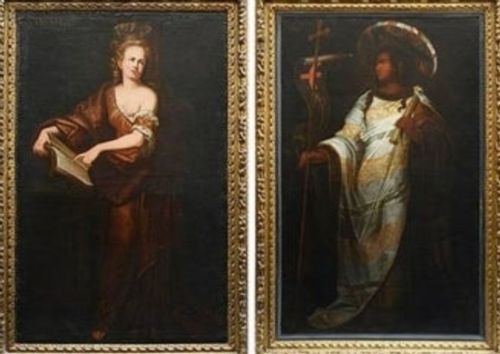
- A prophetic female figure from classical antiquity. Such mythological subjects appear in large-scale eighteenth-century canvas works.
Georgian Era Female Painting: Frequently Asked Questions
What is a portrait miniature?
A portrait miniature is a small, highly detailed painting designed for intimate viewing rather than wall display. These pieces were often housed in protective cases or worn on the person.
They capture likenesses using watercolour on vellum or paper, frequently secured behind glass with metal or gilded surrounds.
How do pastels differ from oil paintings?
Pastels use dry pigment sticks applied directly to paper or board to create a soft, velvety texture. They require glass protection to prevent smudging and loss of material over time.
Oil paintings utilise suspended pigments in drying oils on canvas, offering greater durability and richer depth of tone across large surfaces.
How can I date a portrait?
Dating relies heavily on the sitter's costume, hairstyle, and the framing materials typical of specific decades. Regency fashions differ markedly from earlier eighteenth-century attire.
Signatures, inscriptions on the reverse, and historical records of the sitter also help narrow the timeframe of creation.
Where were these paintings displayed?
Large oil portraits hung in the principal reception rooms and galleries of country houses to display family lineage and status. Smaller works and miniatures occupied private bedchambers or studies.
Pairings of allegorical subjects often decorated formal drawing rooms alongside landscapes and decorative arts.
What subjects besides portraits appear?
Some works depict theatrical performers in character roles, such as actresses performing in popular plays of the day. Others portray mythological or allegorical figures like sibyls.
Copies after famous historical masters also form part of the recorded selection.