

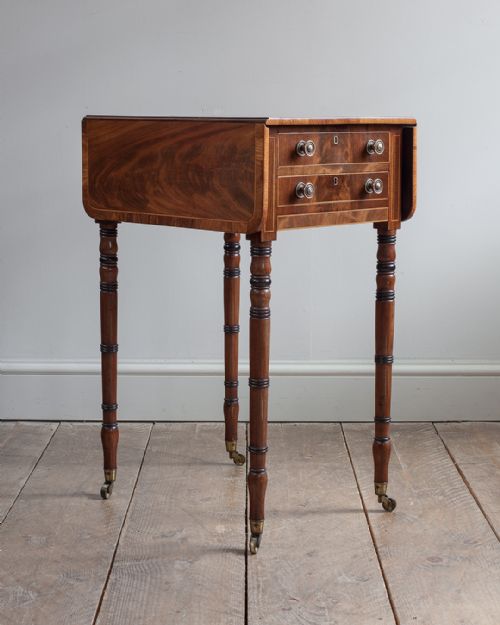
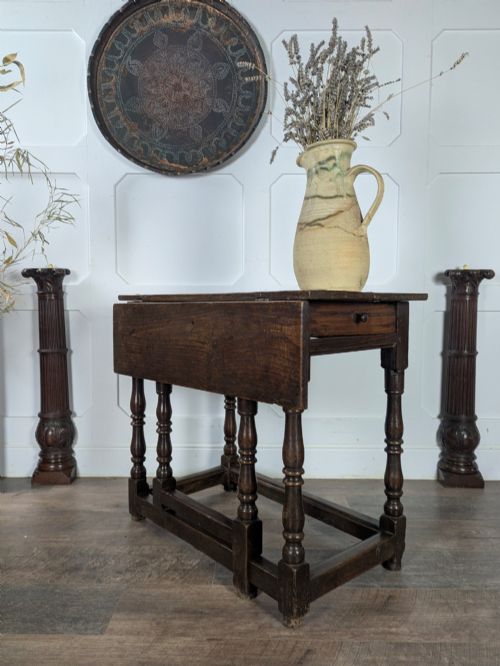
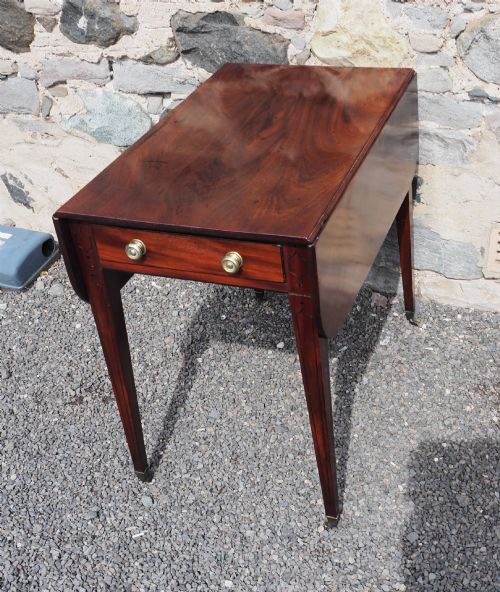
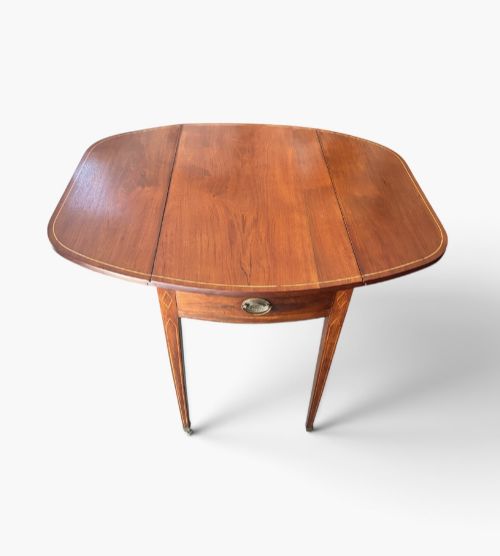

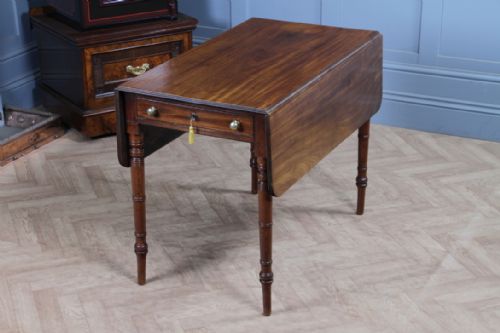
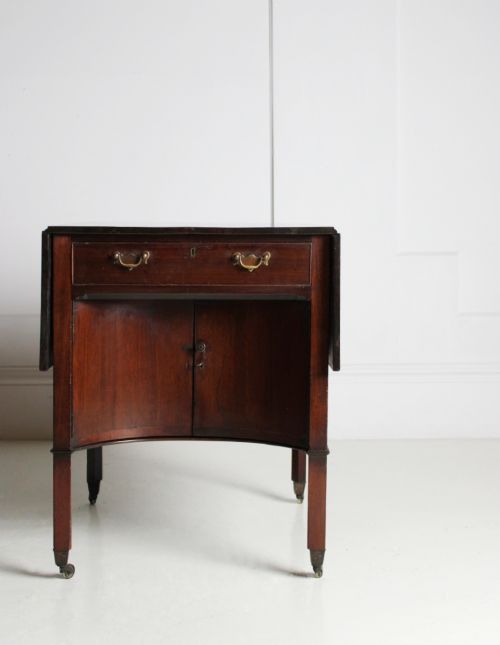
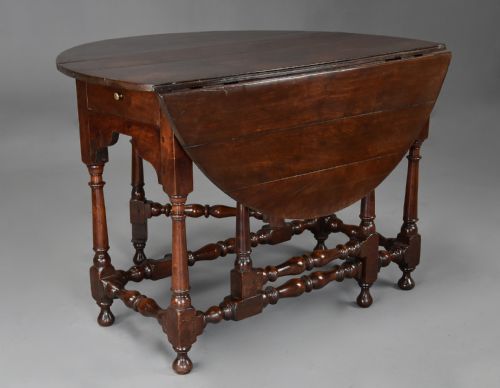
Georgian Drop Leaf Furniture
Georgian drop leaf furniture brings versatile, folding tables into the room, offering expandable surfaces rooted in centuries of cabinet-making.
Georgian Drop Leaf Furniture
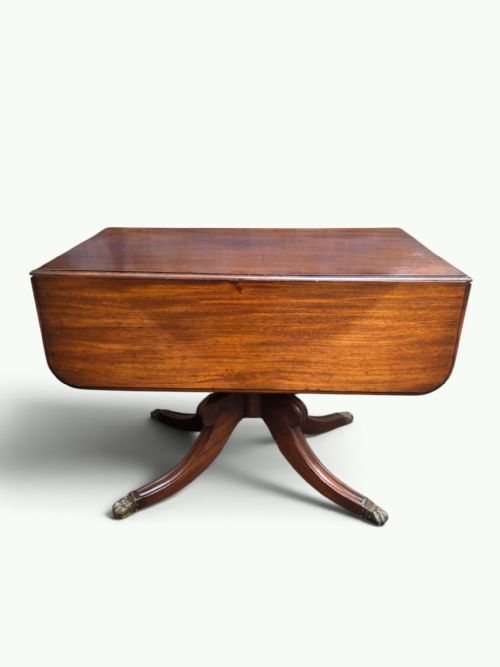
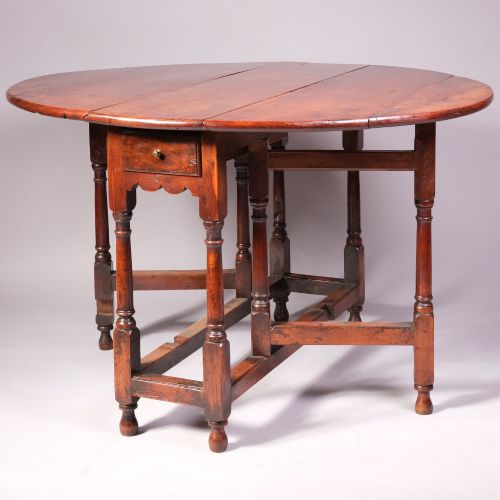
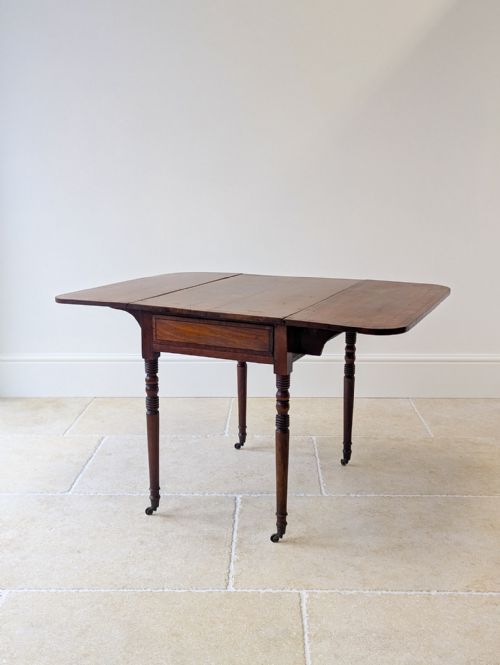
Georgian drop leaf furniture encompasses flexible tables designed with hinged flaps that drop down when not in use. Buyers searching for georgian drop leaf furniture frequently encounter Pembroke tables, dining tables, and gateleg variants designed to save space.
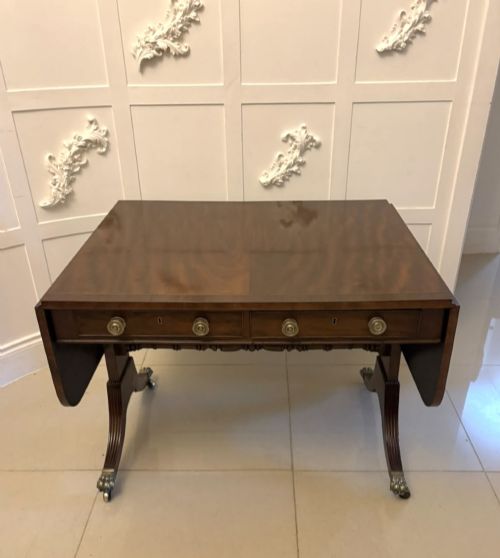
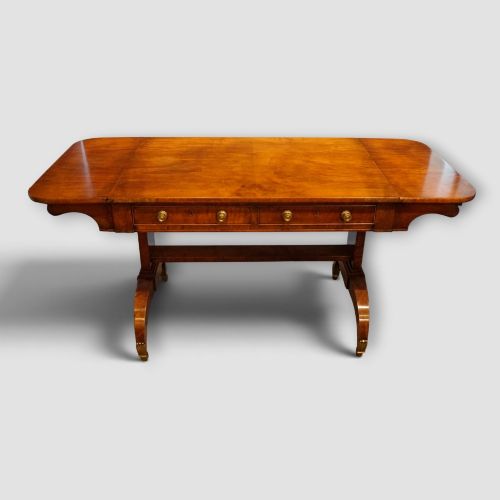
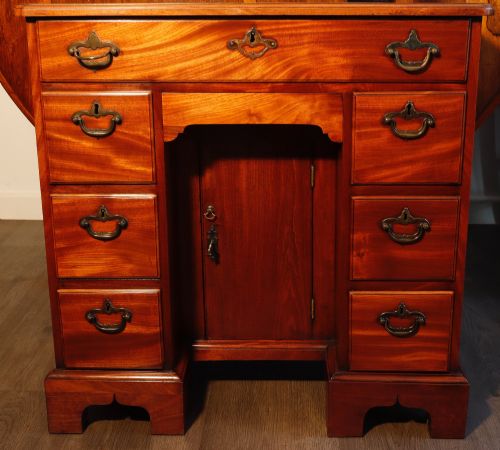
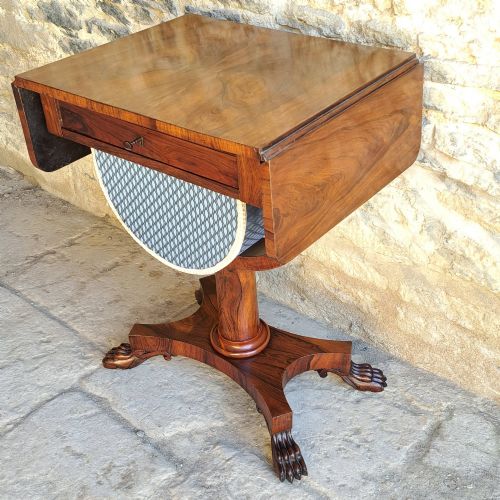
The pieces span various forms including work tables, sofa tables, and occasional tables dating from the eighteenth and nineteenth centuries. Solid mahogany, walnut, oak, and yew feature prominently alongside satinwood and rosewood in these historic listings.
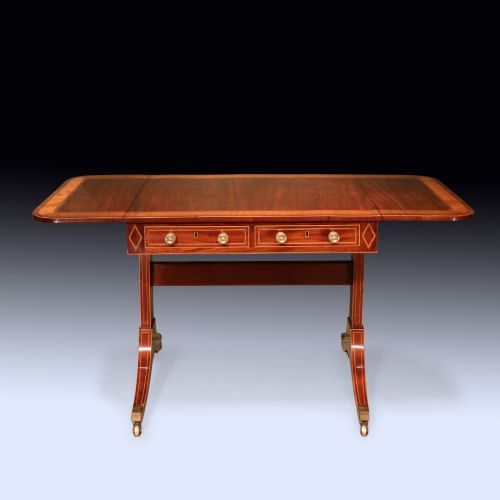
Examples range from early eighteenth-century gateleg formats to refined Regency designs with inlaid boxwood and brass details. These tables served multiple domestic functions in period interiors, adapting easily from side surfaces to larger dining arrangements.
How they were made
Cabinet-makers relied heavily on solid mahogany, oak, walnut, and exotic veneers like satinwood and rosewood over secondary timber frames. Drop leaves required sturdy hinged mechanisms, wooden pivot brackets, or swing legs to support the folding flaps securely.
Surface ornamentation included delicate boxwood stringing, brass inlay, and carved cabriole legs terminating in hoof or pad feet. Fine patination developed through hand-applied polishes and oils on timber surfaces over generations of use.
Georgian Drop Leaf Furniture Retail Price Guide 2026
Typical asking prices for georgian drop leaf furniture among the pieces listed under this phrase on Sellingantiques today, from the lower quarter to the upper quarter. They describe what is for sale here now, not the wider market.
Listings feature timbers including mahogany, walnut, oak, satinwood, rosewood, and yew across eighteenth and nineteenth-century periods.
What varies in quality
The grade of timber selection and the precision of the cabinet-making determine the hierarchy of these pieces. Dense, figured grain patterns and careful matching of veneers across the drop leaves separate standard examples from finer commissions.
Structural integrity in the pivoting leaf supports and the crispness of carved elements like cabriole legs define the upper tier. Original brass hardware, keys, and untouched patination further elevate the standing of a piece.
The Georgian Drop Leaf Furniture Glossary
- Pembroke table
- A small, versatile table featuring two hinged drop leaves on opposing sides, often equipped with a drawer.
- Gateleg table
- A table with hinged leaves supported by legs that swing outward like a gate to hold the flaps up.
- Patina
- The surface sheen and mellow colour developed on wood through age, handling, and wear.
- Cabriole leg
- A furniture leg that curves outward and then tapers inward, typical of eighteenth-century design.
- Satinwood
- A durable, yellowish timber prized for its smooth grain and use in decorative veneering.
Georgian Drop Leaf Furniture: Frequently Asked Questions
What is a Pembroke table?
A Pembroke table is a small, rectangular table with folding flaps on either side supported by hinged brackets or swinging legs. It typically includes one or two small drawers and served historically as a breakfast or writing table.
Introduced in the mid-eighteenth century, this form became popular for its mobility and compact footprint. Makers frequently adorned them with fine wood veneers and delicate stringing.
How do I distinguish between periods?
Early eighteenth-century pieces often feature solid oak or walnut with thick gateleg frames and pad feet. As the century progressed into the Georgian and Regency eras, lighter timbers like mahogany and satinwood appeared alongside tapered legs and intricate brass inlay.
Later nineteenth-century examples incorporate heavier proportions and rosewood or burr yew veneers. Examining the construction methods and secondary woods helps confirm the era of manufacture.
How should I care for historic wood?
Historic wood surfaces benefit from stable indoor humidity and protection from direct sunlight to prevent fading and splitting. Applying gentle, appropriate wax feeds the timber without building up heavy chemical layers.
Lifting rather than dragging these tables preserves the structural joints in the legs and drop leaf mechanisms. Regular dusting with a soft, dry cloth maintains the historic patination safely.