

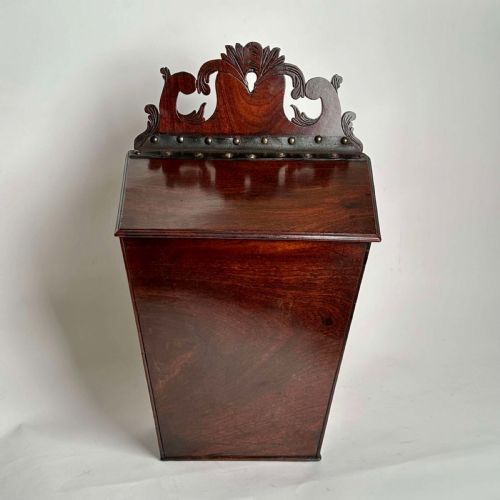

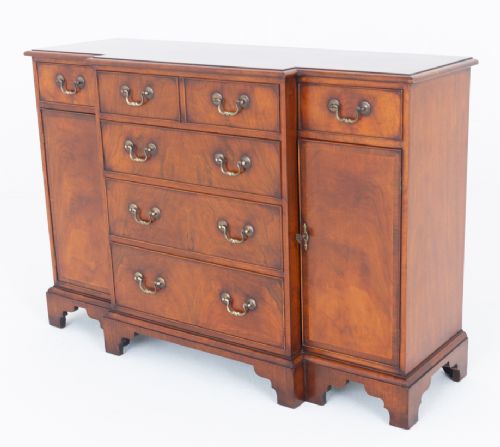

Georgian Dining Storage
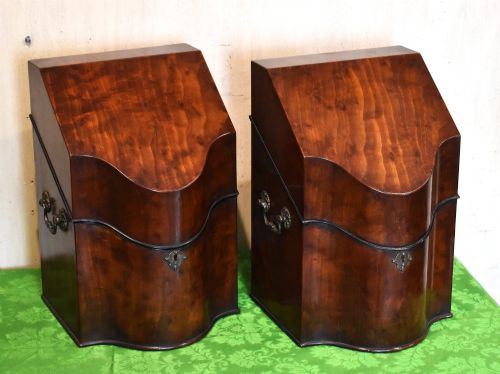
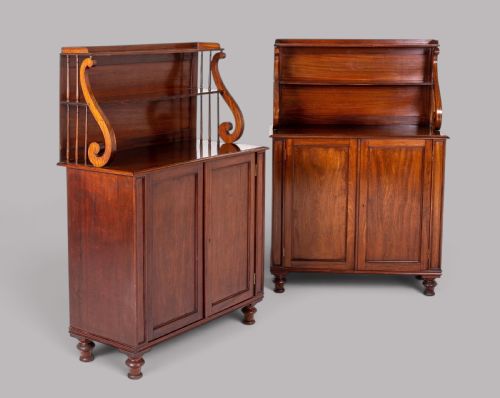
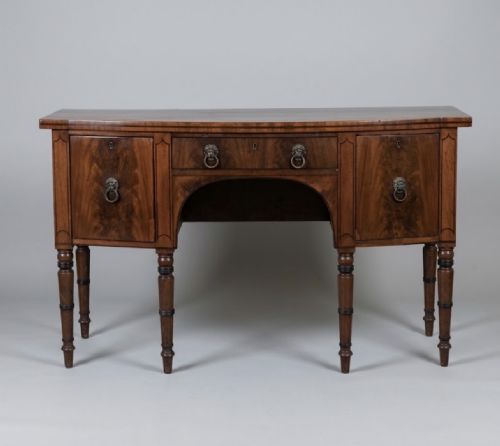
Georgian dining storage encompasses the heavy mahogany sideboards, cellarettes and dresser bases that kept a grand dining room in order.
Georgian Dining Storage
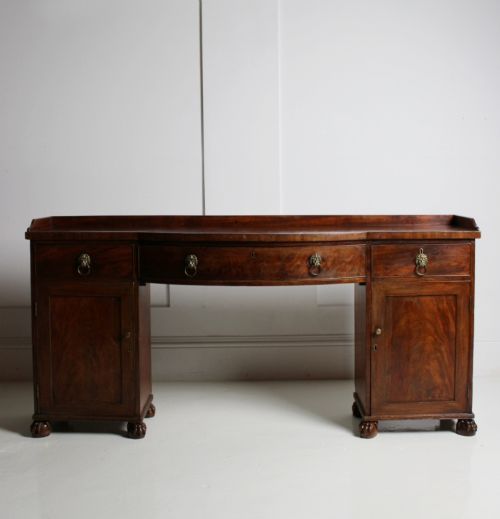
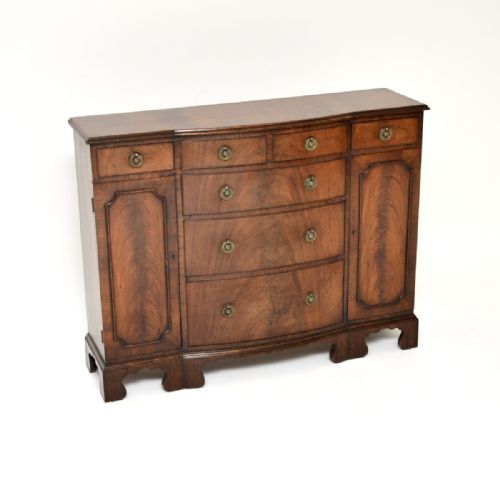
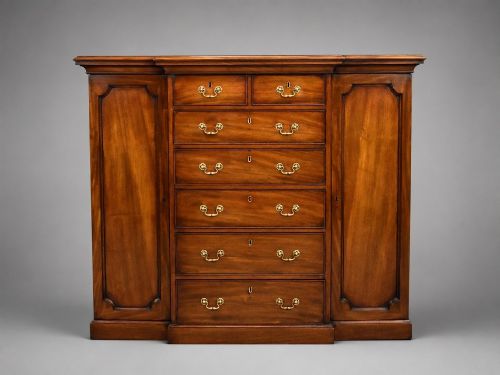
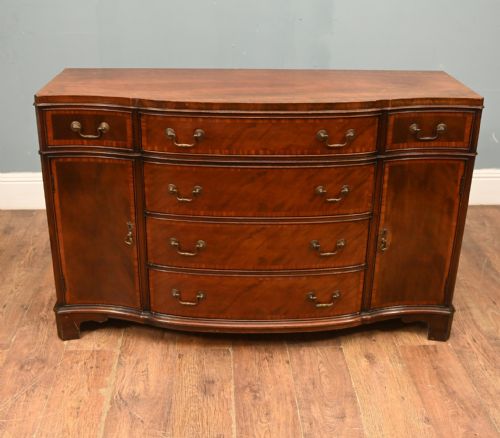
Georgian dining storage covers the large sideboards, cellarettes, dressers and cutlery boxes designed to organise the formal dining room. Buyers searching for georgian dining storage will most often encounter mahogany sideboards with bowfronts or breakfronts originating from the eighteenth and nineteenth centuries.
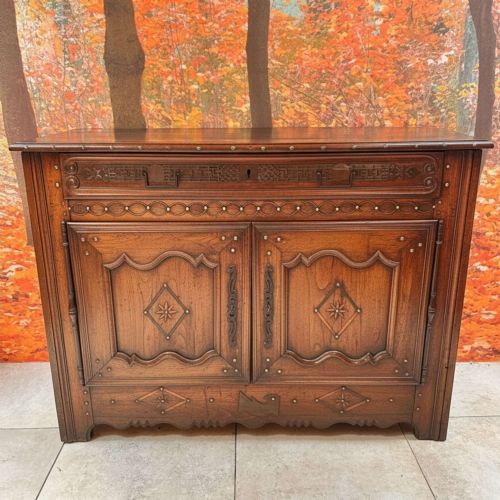
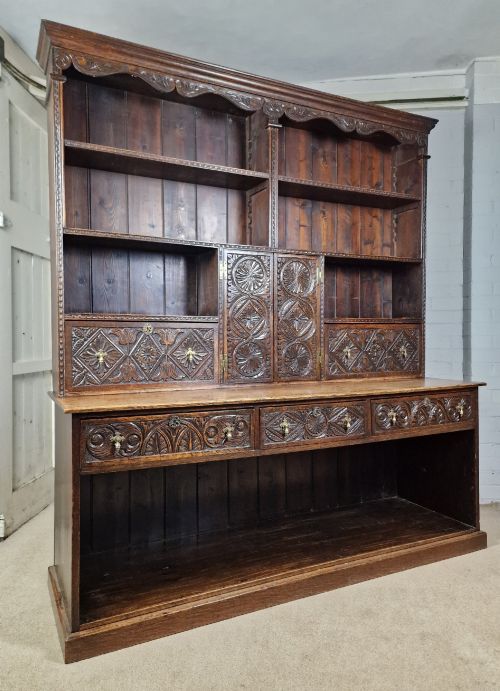
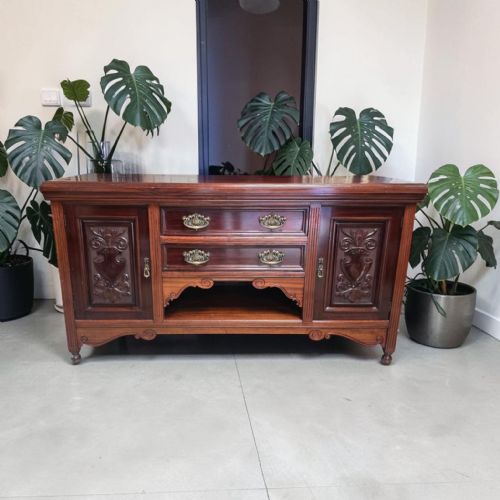
The selection also includes country oak dresser bases and walnut pieces alongside revival works from the Victorian era and the early twentieth century. These furniture forms evolved to store wine, cutlery and serving dishes out of sight until the meal was served.
How they were made
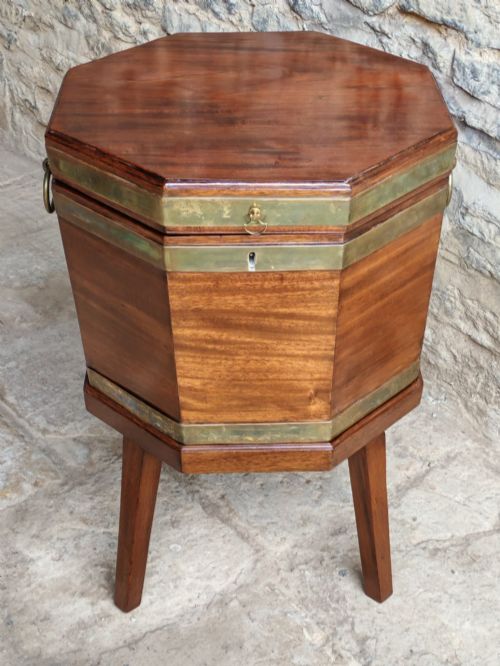
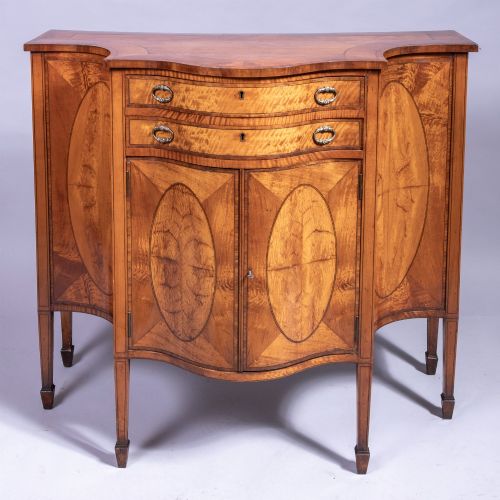
Cabinet makers relied principally upon solid and veneered mahogany, oak, and satinwood, often accentuating the timber with boxwood inlay, stringing, and brass fittings. Sarcophagus wine coolers and cellarettes utilised heavy mahogany framing to insulate and protect bottled wine.
Joinery techniques combined sturdy oak and pine carcass construction with decorative marquetry and polished finishes. Surviving pieces show hand-cut dovetails and turned supports that reflect the workshop standards of the Georgian and Regency periods.
Georgian Dining Storage Retail Price Guide 2026
Typical asking prices for georgian dining storage among the pieces listed under this phrase on Sellingantiques today, from the lower quarter to the upper quarter. They describe what is for sale here now, not the wider market.
Plate buckets stand ready to rescue your finest porcelain from tumbling.
What varies in quality
Quality rests upon the choice of timber and the crispness of the cabinet work, particularly in the selection of figured mahogany veneers and fine boxwood stringing. Pieces with well-matched grain patterns across curved bowfront doors and drawers distinguish the finest workshop output from simpler vernacular furniture.
The sophistication of the brass hardware, the execution of inlay work, and the structural integrity of internal framing further separate standard production from exceptional examples. Original brasses and unaltered timber patination elevate the standing of any sideboard or cellarette.
M. D. Miller & Sons
The Georgian Dining Storage Glossary
- Cellarette
- A lockable container or cabinet designed to hold bottles of wine beneath the dining table or sideboard. These were frequently lined with lead and shaped as sarcophagos.
- Bowfront
- A convex, outwardly curved front profile popular on sideboards and cabinets of the late eighteenth and nineteenth centuries. This curved design softened the rigid geometry of the dining room.
- Dresser base
- A low wooden storage cabinet featuring drawers or cupboards, typically constructed from oak in country workshops. They provided sturdy everyday utility before moving into formal dining spaces.
- Breakfront
- A piece of furniture whose central section projects forward from the flanking wings. This architectural arrangement created visual depth on large sideboards.
- Marquetry
- The art of applying decorative veneer pieces in wood and other materials to form geometric or pictorial designs. It added rich surface pattern to satinwood and mahogany surfaces.
Georgian Dining Storage: Frequently Asked Questions
How do I spot a revival piece?
Revival pieces mimic the proportions and decorative motifs of earlier eighteenth-century furniture but generally date from the Victorian era or the early twentieth century. They often feature machine-cut elements and standardised timber selections.
Examining the internal drawer construction and the ageing of the secondary woods helps distinguish a true period piece from a later Georgian style copy.
Why use a mahogany sideboard?
Mahogany sideboards provided sturdy surface space for serving dishes and concealed drawers for cutlery and table linen. They formed the central storage hub of the formal dining room.
The dense hardwood resisted the heavy wear of daily household service while taking a high polished finish that suited grand interiors.
What is an oak dresser base?
An oak dresser base is a heavy low cabinet with multiple drawers and lower cupboards used for storing kitchen and dining equipment. These country pieces prioritized robust utility over delicate decoration.
Over decades of use, the oak developed a deep patination that distinguishes early country furniture from urban mahogany equivalents.