






Georgian Decorative Urn
A georgian decorative urn brings classical proportion and refined craft into a room, spanning porcelain, bronze, and copper forms.
Georgian Decorative Urn
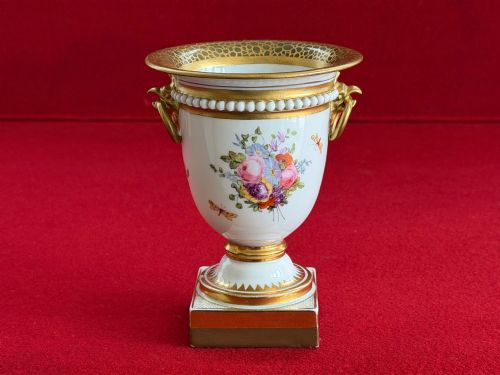
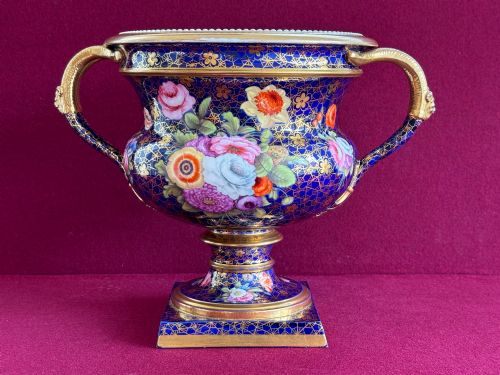
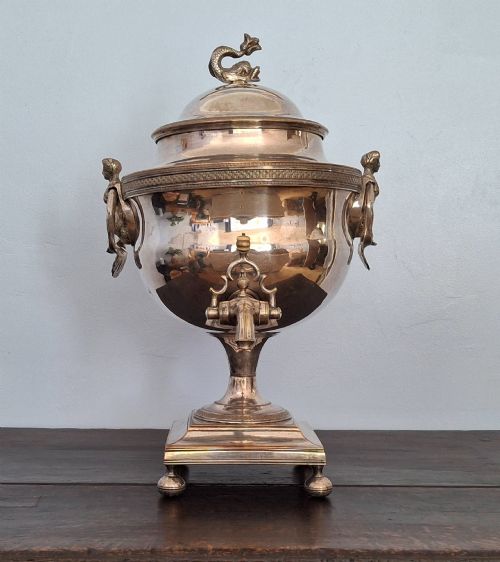
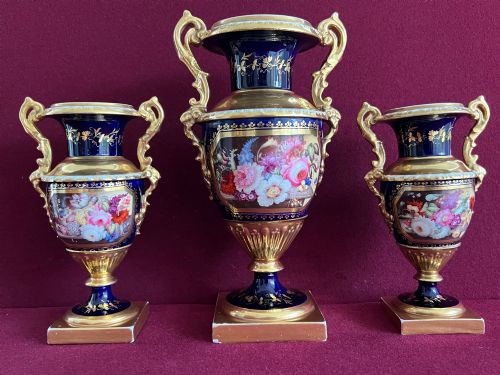
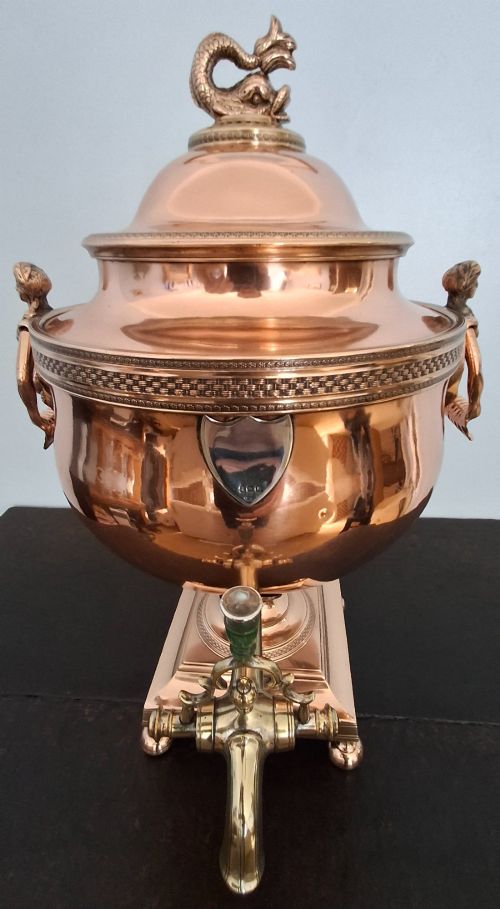
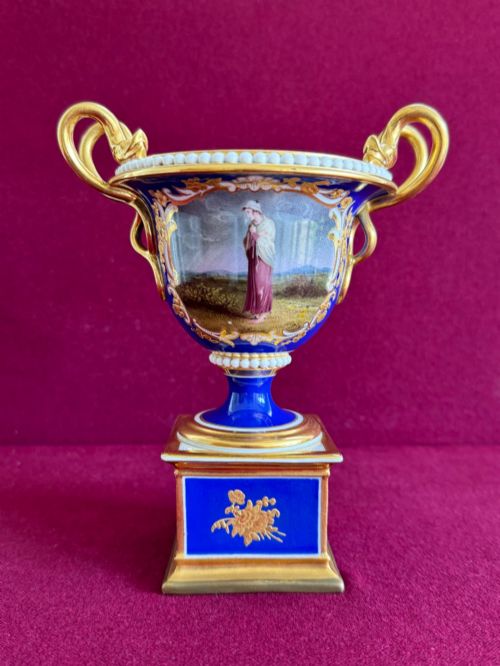
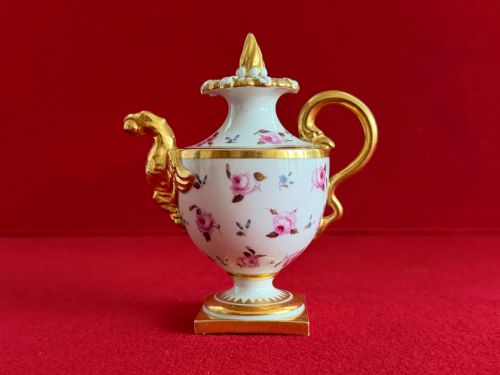
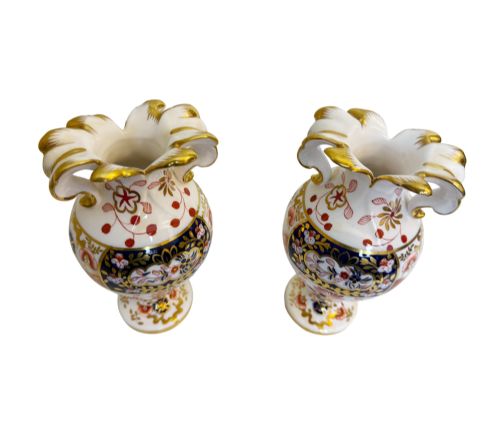
A georgian decorative urn draws heavily upon classical antiquity, taking the form of porcelain vases, metal tea samovars, and carved wood or bronze vessels. These pieces emerge from the Georgian, Regency, and Victorian periods, often reflecting Neoclassical and Adam Revival design principles.
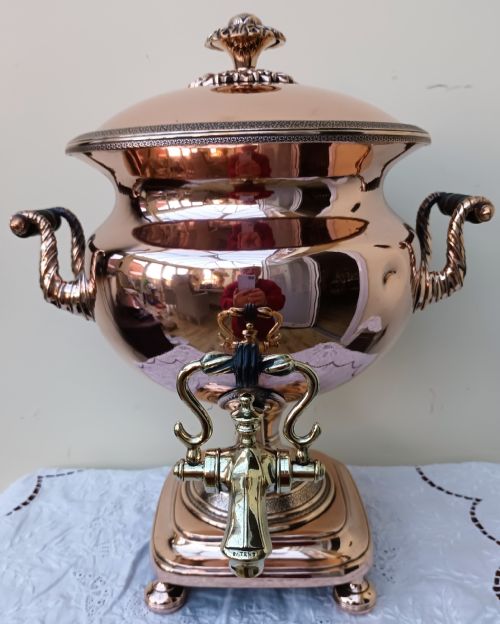
The versions most frequently met on this page include porcelain specimens from factories such as Worcester and Spode, alongside utilitarian tea urns in copper and brass. Decorative vases and jardinieres complete the range, showing the widespread reach of classical revival taste across British domestic interiors.
Materials and construction
Makers utilised fine porcelain, ironstone, and copper, frequently combining these bases with applied gilding, gold leaf, and enamel painting. Metal tea urns and samovars rely on heavy brass and copper construction, sometimes finished with silver plating or japanned decoration.
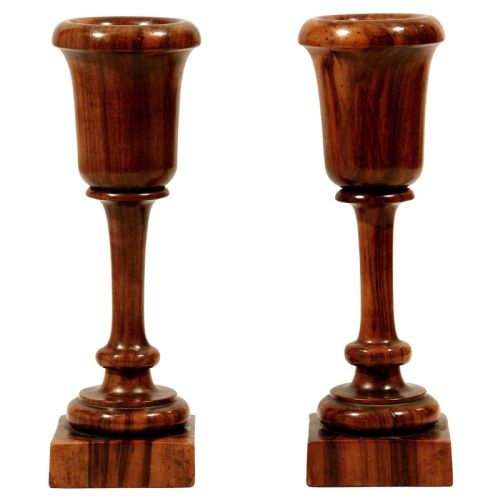
Porcelain bodies received meticulous hand-painting from artists, seen in floral motifs and transfer-printed scenes. Wood pieces employ turned lignum vitae and carved gesso for giltwood mirrors, demonstrating traditional joinery and turning techniques.
Georgian Decorative Urn Retail Price Guide 2026
Typical asking prices for georgian decorative urn among the pieces listed under this phrase on Sellingantiques today, from the lower quarter to the upper quarter. They describe what is for sale here now, not the wider market.
Listings feature porcelain, copper, brass, bronze, ironstone, and wood across periods from the Georgian era through to the Edwardian period.
Distinctions in quality
Quality rests upon the crispness of the casting in bronze and brass pieces, or the precision of the hand-painted enamel and gilding on porcelain bodies. Works associated with named porcelain manufactories and specific decorators display superior artistic execution compared to standard commercial output.
The integrity of the original surface finish, whether patinated copper, fire gilding, or original painted decoration, dictates the standing of the piece. Proportion, weight of materials, and the survival of matching pairs or garnitures elevate certain examples above single utilitarian items.
Flight Barr and Barr·Spode·Minton·Miles Mason·Goldsmiths and Silversmiths Co
The Georgian Decorative Urn Glossary
- Jardiniere
- A decorative ornamental pot or stand designed to hold plants or flowers. They appear in porcelain and earthenware during the nineteenth century.
- Ironstone
- A type of durable earthenware patented in the early nineteenth century. It mimics porcelain while offering greater strength for domestic table and decorative wares.
- Japanned
- A European imitation of East Asian lacquerwork using resin-based varnishes on tin-ware or wood. This finish appears on decorative wine-coolers and trays.
- Garniture
- A set of matching vases or ornamental jars designed to be displayed together on a mantelpiece or sideboard. They typically consist of three or five pieces.
Georgian Decorative Urn: Frequently Asked Questions
What is a georgian decorative urn used for?
These vessels served various functions, from brewing tea in copper samovars to displaying floral arrangements in porcelain vases and jardinieres. Many were purely ornamental focal points designed for mantelpieces and side tables in classical interiors.
Over time, their roles shifted entirely toward decorative display as tea-making technology changed. Today, buyers place them on pedestals, consoles, and mantelpieces to introduce classical proportion and historic texture into a room.
How do I identify a Regency period urn?
Regency pieces often display strong Neoclassical influences inspired by Greek and Roman antiquities. Look for classical bronze patination, twin handles, and precise foliate painting on porcelain bodies.
Many examples from this era date between eighteen hundred and eighteen thirty. They frequently feature formal symmetry and architectural motifs drawn from ancient architecture.
Are these urns made of porcelain or metal?
The selection includes both ceramic and metal examples in equal measure. Porcelain and ironstone pieces come from factories like Worcester and Spode, featuring hand-painted enamels and gilding.
Metal versions rely on copper, brass, and bronze, often taking the form of heavy tea urns or classical decorative vessels. Each material requires distinct care to preserve its original surface.
How do I care for antique metal urns?
Copper, brass, and bronze pieces require gentle dusting with a dry cloth to protect their historic patination. Avoid harsh chemical polishes that strip away the aged surface character accumulated over centuries.
Display them away from direct moisture and extreme temperature fluctuations to safeguard the metal and any underlying joins. Stable indoor environments keep the original finish intact.