

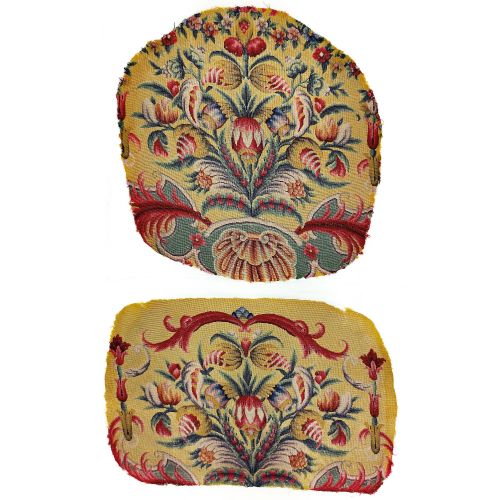

Georgian Cushion
Georgian cushion describes small, finely worked decorative items and fitted upholstery seen across armchairs, settees, and novelty silver pieces from the period.
Georgian Cushion
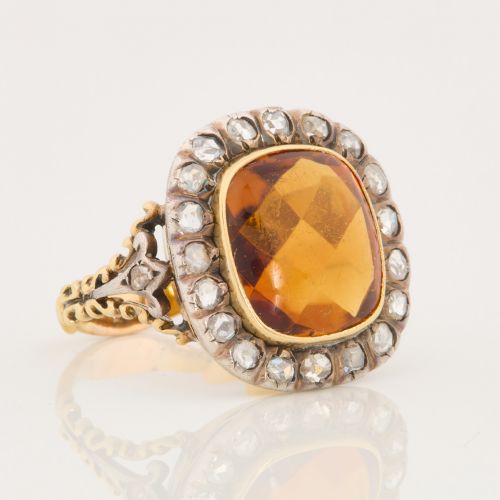
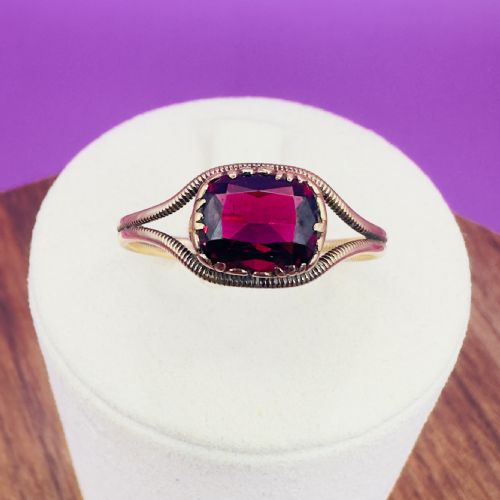
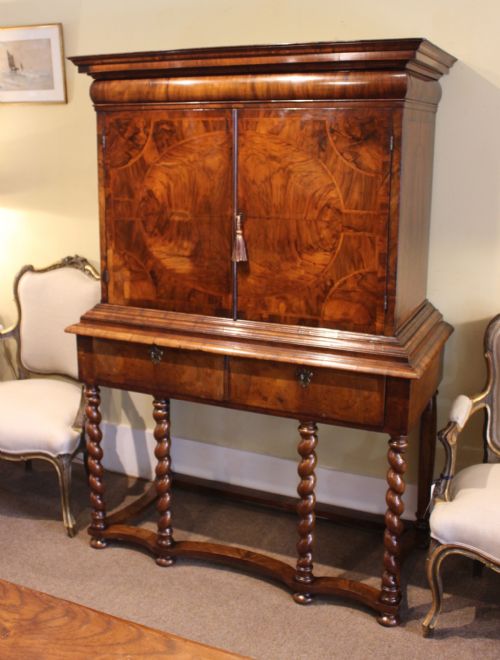
When searching for a georgian cushion, a buyer encounters a diverse group of objects ranging from practical silver pin cushions to the upholstered squab seats and bergere chair cushions of the eighteenth and nineteenth centuries. These pieces appear alongside related seating, mirrors, and jewellery, reflecting the broad interpretation of the term across different material categories.
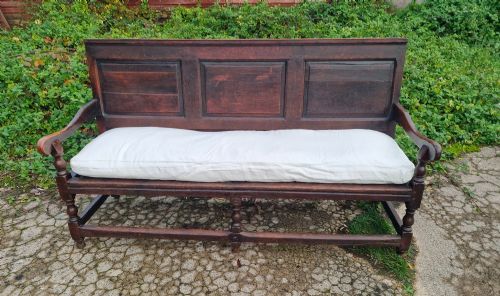
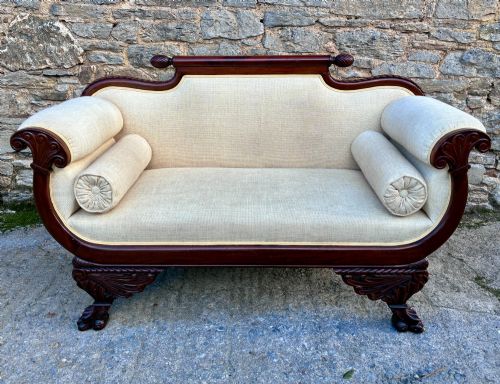
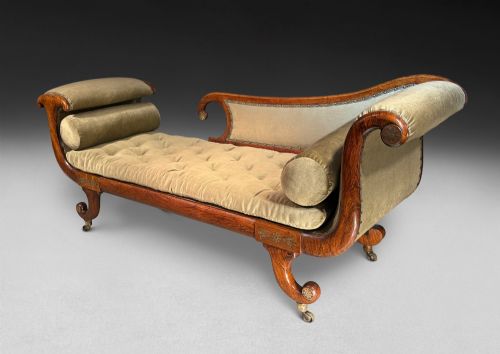
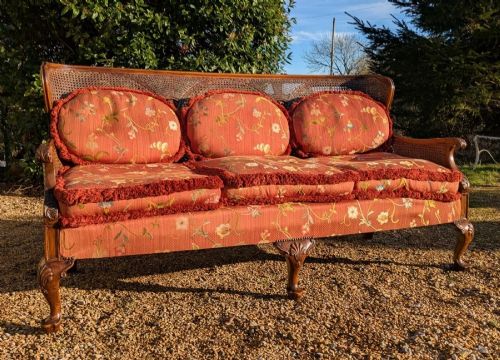
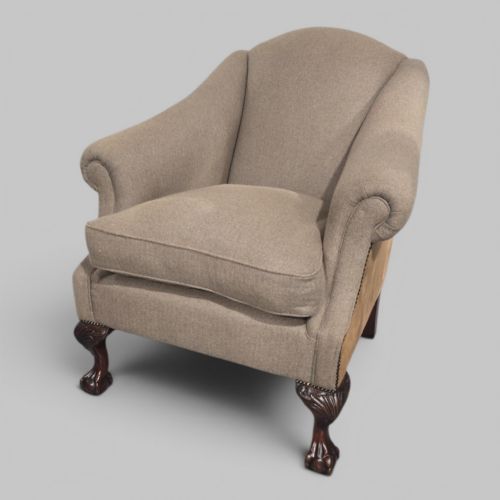
The most frequent examples on this page include fitted feather cushions on bergere armchairs and small novelty silver pin cushions styled as baskets. Walnut, mahogany, and various fabrics form the primary physical contexts for these items, linking them directly to wider furniture and decorative arts of the Georgian era.
Materials and construction
The material evidence on this page points toward solid timbers such as walnut and mahogany used alongside precious metals like silver and gold. Fabric and feather fillings complete the softer upholstered elements found within chairs and sofas.
Craftsmen utilised traditional joinery and metalworking techniques to build the frames and small silver objects that house these cushions. The combination of dense hardwoods and tactile textiles defines the structural approach of the period.
Georgian Cushion Retail Price Guide 2026
Typical asking prices for georgian cushion among the pieces listed under this phrase on Sellingantiques today, from the lower quarter to the upper quarter. They describe what is for sale here now, not the wider market.
Listings for this phrase include items spanning the 18th century, Regency period, and Victorian era, constructed from mahogany, walnut, silver, and fabric.
Judging quality in these pieces
Quality in these items rests upon the crispness of the surrounding woodwork or metalwork and the integrity of the materials used. Superior examples display careful hand-finishing on frames and precious metal mounts, whereas lesser pieces show more routine production methods.
The preservation of original fabric and filling materials contributes significantly to an item's standing. Pieces that retain their period character without excessive modern intervention command greater attention from discerning collectors.
The Georgian Cushion Glossary
- Bergere
- A French-style enclosed armchair with upholstered sides, frequently incorporating cane work and fitted seat cushions. These chairs appeared in significant numbers during the Regency period.
- Pin cushion
- A small household accessory designed for holding pins, found here in silver novelty forms and wooden tabletop variations. They represent the more intimate domestic items of the era.
- Squab seat
- A loose, removable cushion placed on top of a chair or settee frame to provide seating comfort. They are commonly associated with antique corner armchairs and period settees.
- Rosewood
- A dense, richly figured timber often simulated during the Regency era to achieve a dark, decorative grain effect on chair frames. It provided a striking contrast to lighter upholstery.
Georgian Cushion: Frequently Asked Questions
What is a georgian cushion?
A georgian cushion refers to both fitted upholstery elements found on period seating and standalone novelty items like silver pin cushions.
These pieces reflect the domestic comforts and detailed metalwork typical of the eighteenth and nineteenth centuries.
How were these cushions used?
They served practical functions in daily life, providing comfort on library armchairs and settees or organising pins on dressing tables.
Smaller silver versions functioned as decorative tabletop items as well as utilitarian sewing tools.
What materials do we see?
The listings show a combination of structural timbers like mahogany and walnut alongside precious metals such as silver and gold.
Textiles, feathers, and glass also appear in connection with the furniture and decorative items bearing this description.
How do I spot a period piece?
Look closely at the construction methods, timber patination, and the specific style indicators of the frame or silver mount.
Comparing the materials against known eighteenth and nineteenth-century examples helps confirm the age of the object.