

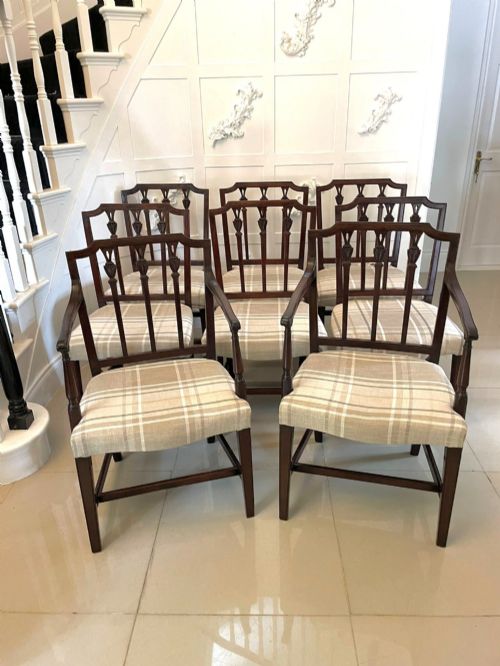



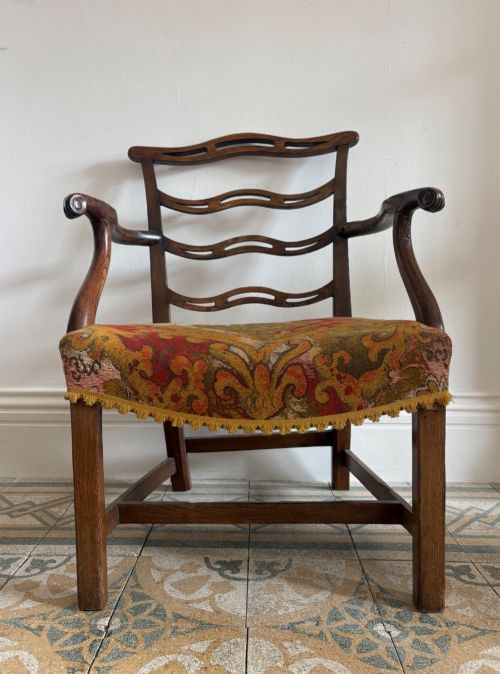
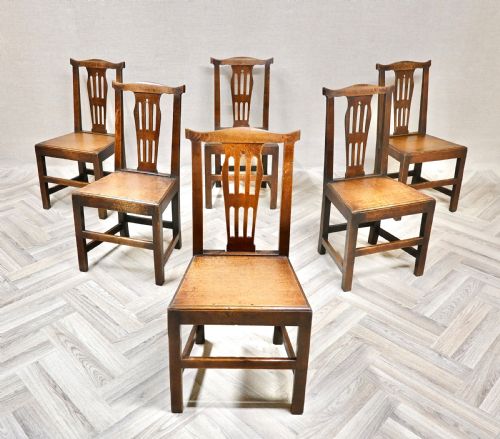
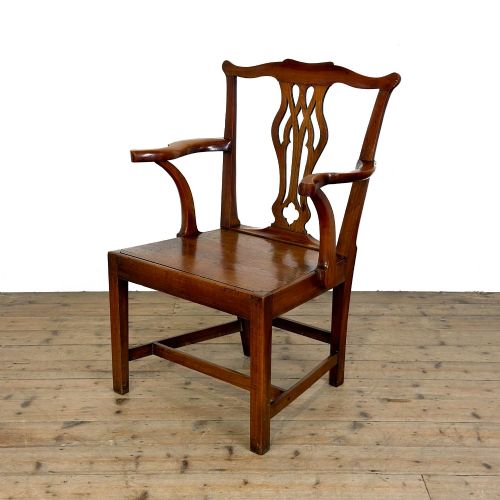
Georgian Country Wooden Chair
These georgian country wooden chair examples combine robust regional forms with practical seating, offering both domestic utility and enduring character for daily use.
Georgian Country Wooden Chair
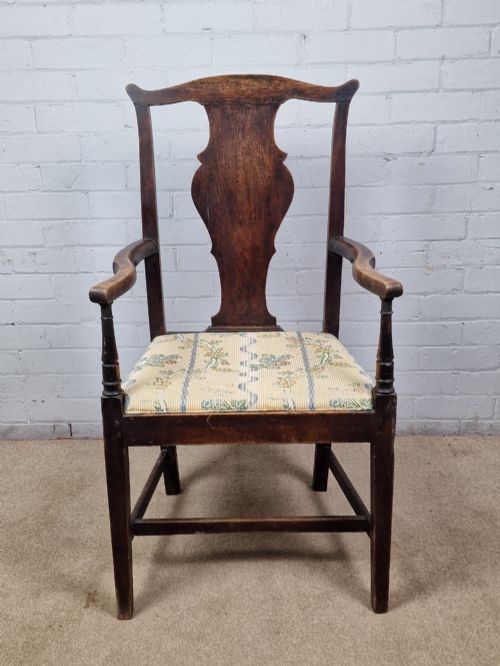
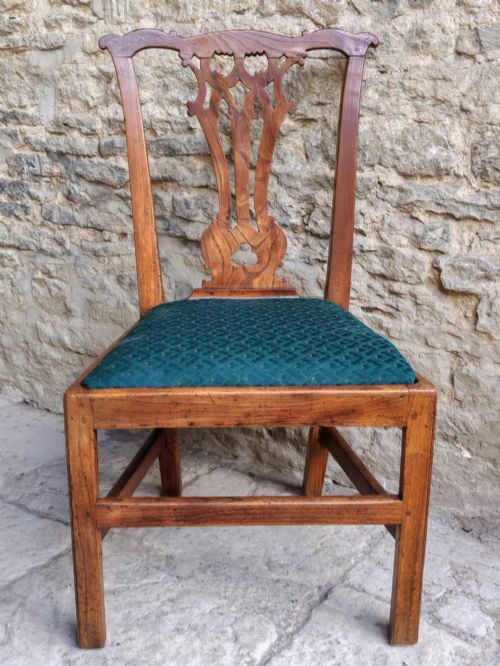
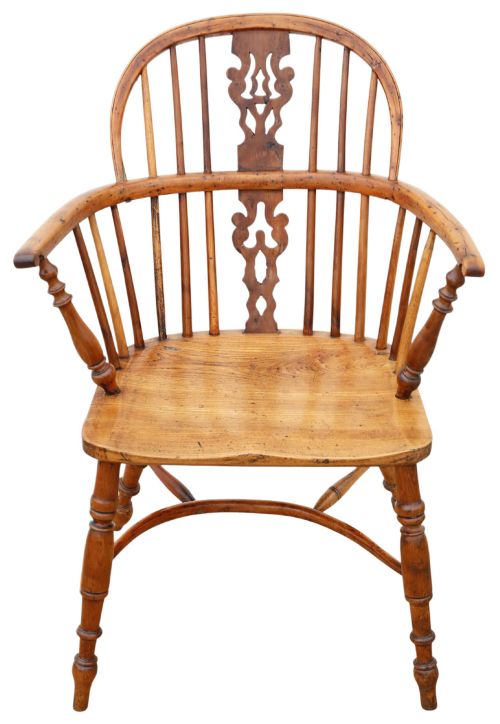
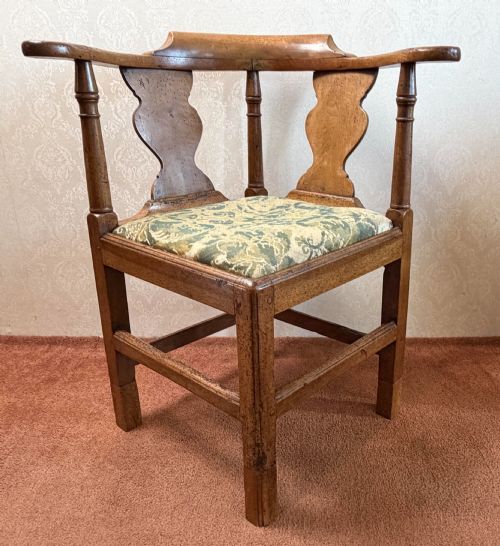
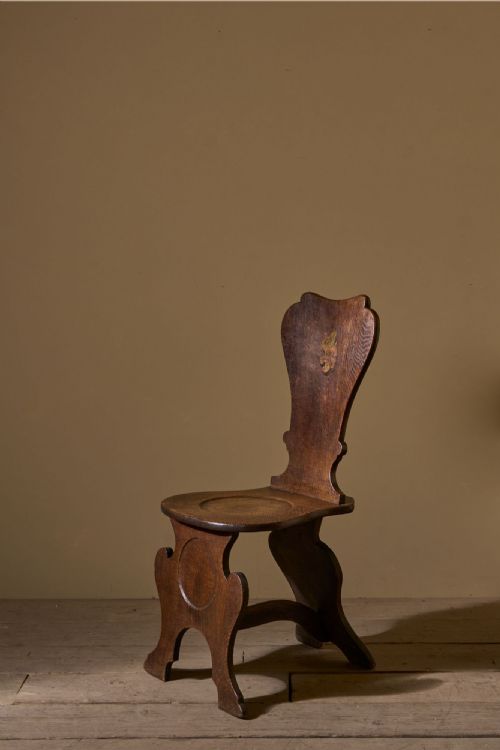
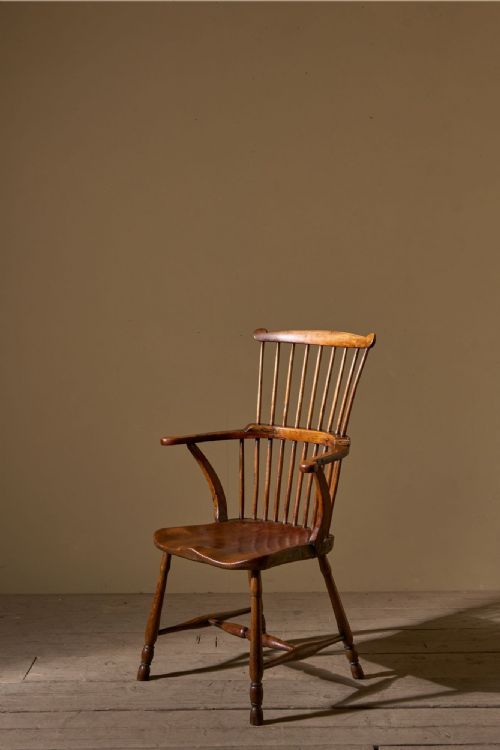
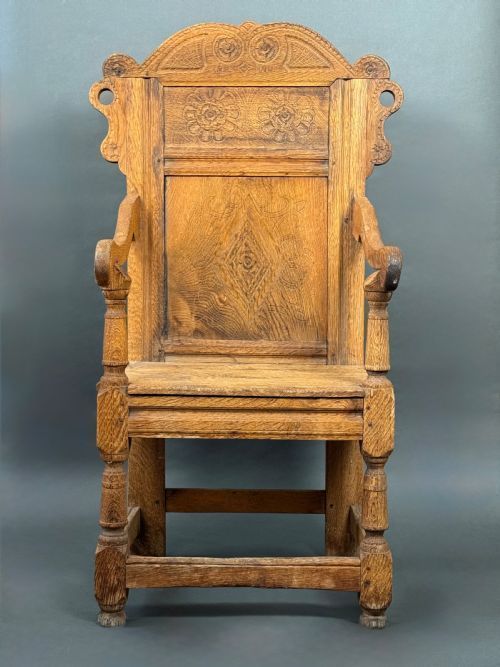
Regional vernacular traditions heavily influence these forms, displaying distinct local turning patterns and structural variations from places like the West Country, Lincolnshire, and Wales. High hoop-backs, comb-backs, and wheel-backs dominate the Windsor designs, while simpler side and hall chairs utilise panel or shield backs.
Makers built these pieces primarily for practical household use rather than formal display, resulting in honest construction and unpretentious outlines. Sets of dining chairs appear alongside individual armchairs and matching pairs, reflecting the varied domestic arrangements of period homes.
How they were made
Cabinet makers and rural bodgers utilised locally available native timbers, frequently combining woods within a single piece to harness their specific physical properties. Elm provides strong, splitting-resistant seats, while ash and yew supply flexible spindles and bentwood bows.
Construction relies heavily on traditional joining methods, including wedged tenons and through-tenons where leg spindles pierce the solid seat slab. Turned components are shaped on pole lathes, and steam bending forms the curved backrests and arm bows characteristic of Windsor seating.
Listings span multiple centuries from the eighteenth century onwards, featuring native hardwoods like elm, ash, fruitwood, and yew.
What varies in quality
The sophistication of the timber selection and the grace of the turning separate standard utility seating from finer workshop examples. Yew wood grain patterns and deeply saddled elm seats indicate higher production values.
Structural integrity depends on the preservation of original wedges, stretchers, and joints without excessive replacement parts. Well-balanced proportions in the comb-backs or hoop-backs distinguish skilled regional craftsmanship from simpler output.
The Georgian Country Wooden Chair Glossary
- Windsor chair
- A wooden chair featuring a solid carved seat into which the legs and back spindles are directly inserted. This form typically incorporates a bentwood bow or comb piece to support the back.
- Crinoline stretcher
- A curved metal or wooden brace linking the legs of a chair to provide additional lateral stability. This detail often appears on eighteenth-century regional armchairs.
- Vernacular
- Describing objects made by local tradesmen following regional traditions rather than strict academic style guides. Such pieces prioritise function and local material availability.
- Comb-back
- A Windsor chair variation where the top of the back resembles the teeth of a comb, with vertical spindles rising through a horizontal headboard.
- Settle
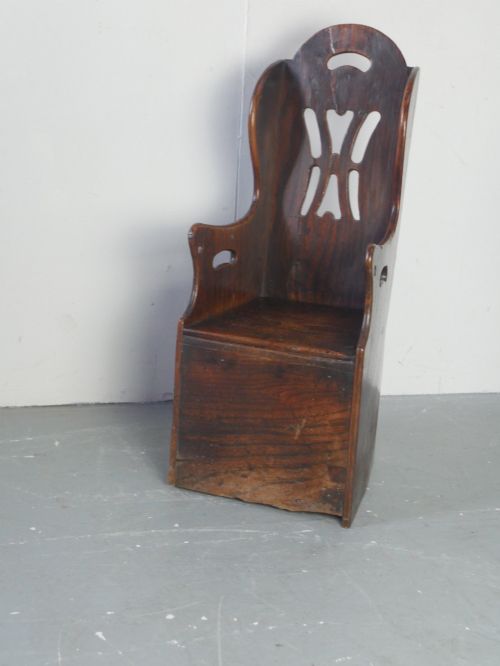
- A wooden bench featuring a high solid back, enclosed arms, and sometimes a storage compartment beneath the seat. This form protected occupants from cold drafts in period rooms.
Georgian Country Wooden Chair: Frequently Asked Questions
How do I identify a regional Windsor chair?
Regional attribution relies on specific turning details, wood combinations, and back shapes characteristic of specific counties. Pieces from the West Country or Lincolnshire often display distinct structural traits.
Examining the undercarriage turning and the curvature of the arm bow helps connect a chair to local maker traditions.
Were these chairs used for dining?
Many examples on this page served around dining tables in farmhouses and country houses, often found in matched sets or pairs. Simpler side chairs and ladder-backs fulfilled this everyday purpose.
Armchairs served as principal seats at table ends or near the hearth for the head of the household.
What is the difference between ash and elm?
Elm provides a dense, interlocking grain that resists splitting, making it the preferred material for solid carved chair seats. Ash offers high tensile strength and flexibility, ideal for steam-bent back bows and turned spindles.
Combined use of these native timbers maximises the structural performance of each component.
How should I care for a wooden country chair?
Maintain stable indoor humidity levels to prevent timber shrinkage and movement in dry seasonal conditions. Avoid placing antique seating near direct heat sources or strong sunlight.
Apply traditional wax sparingly to nourish the dry wood surface and preserve the historic patina.