



Georgian Country Wine Table
A georgian country wine table brings honest provincial craftsmanship and practical small-scale surfaces into a room.
Georgian Country Wine Table
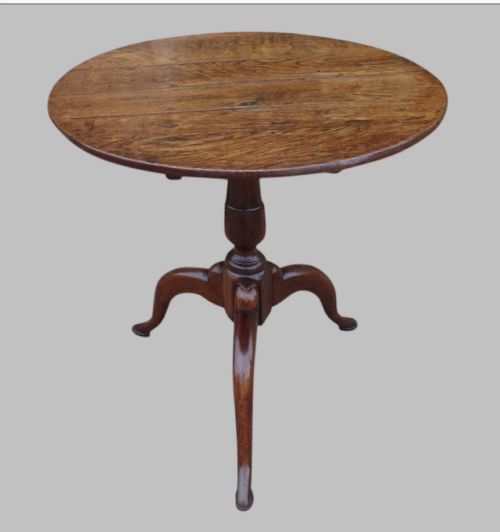
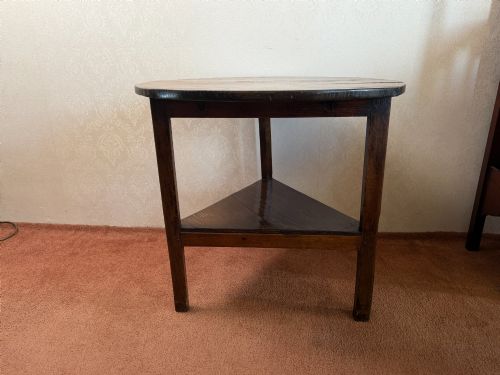
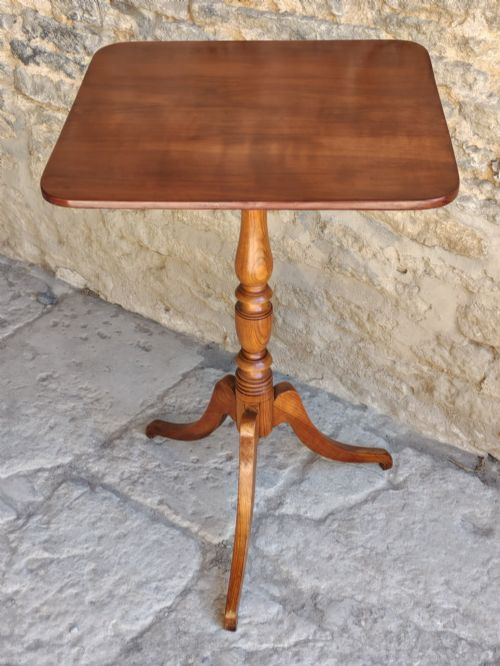
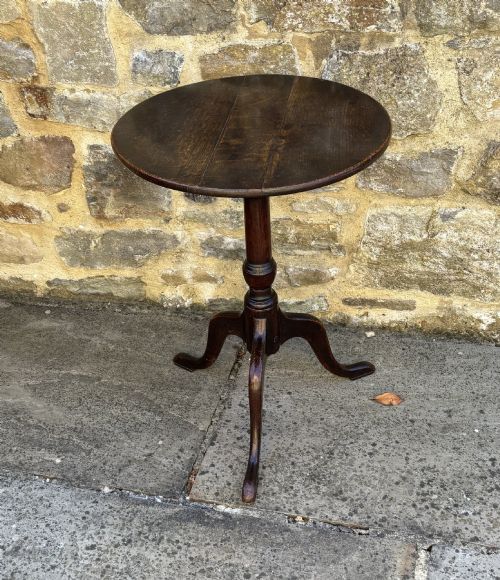
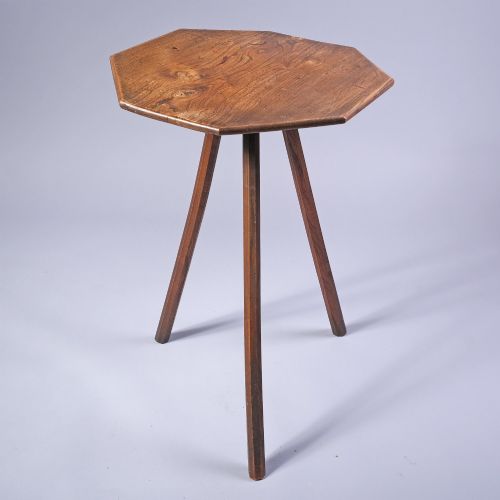
A georgian country wine table encompasses utilitarian occasional pieces from the eighteenth and early nineteenth centuries. These tables typically stand on three legs in tripod or cricket configurations, serving domestic spaces with compact portability.
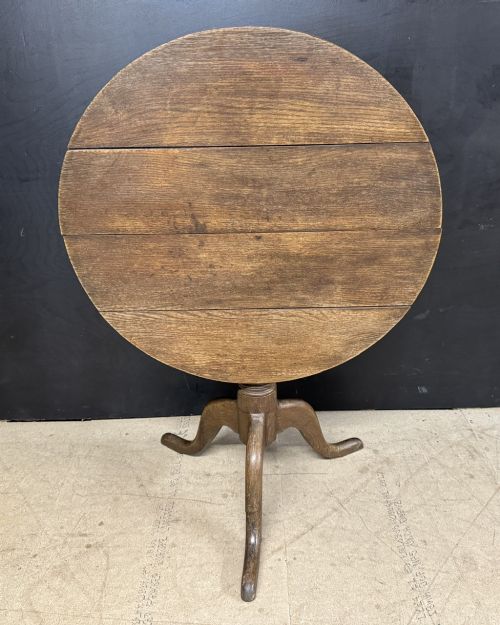
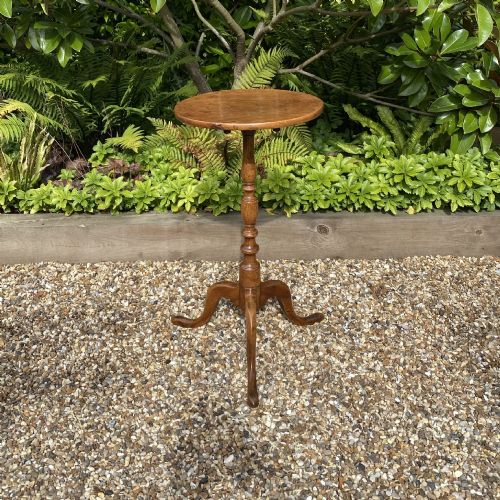
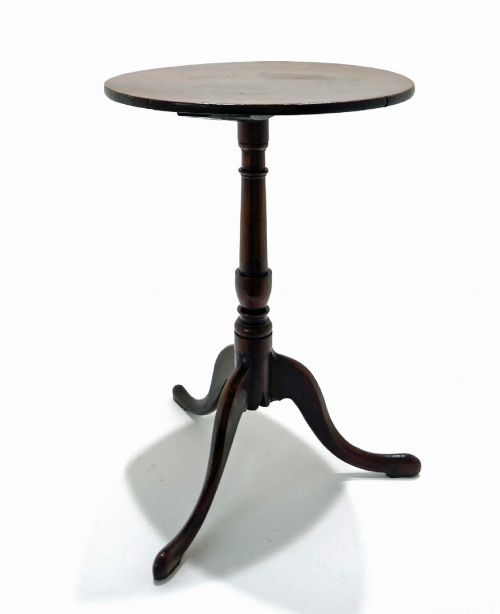
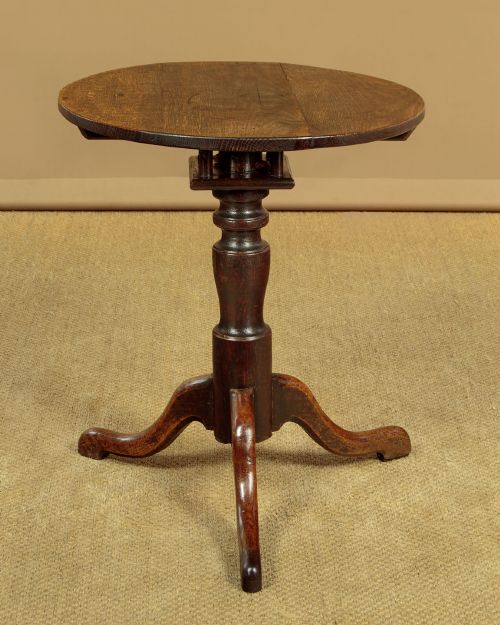
The version most frequently met on this page is an oak or fruitwood tripod table dating from the eighteenth century. Makers constructed these simple surfaces for everyday use in rural homes rather than formal parlours.
Materials and Construction
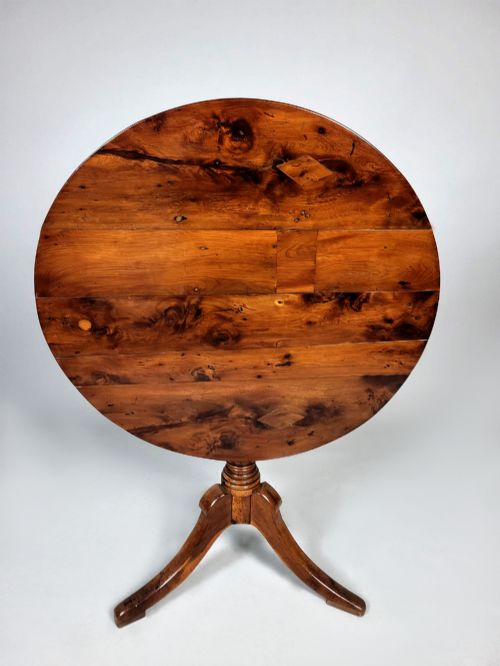
Regional makers utilised accessible domestic timbers including oak, fruitwood, ash, elm, and yew wood. They shaped these materials into slender columns, turned legs, and solid timber tops, occasionally incorporating tilt mechanisms.
Joinery relied on traditional methods suited to vernacular workshops, uniting table tops and pedestals with straightforward pegs, joints, and iron or brass fastenings where necessary.
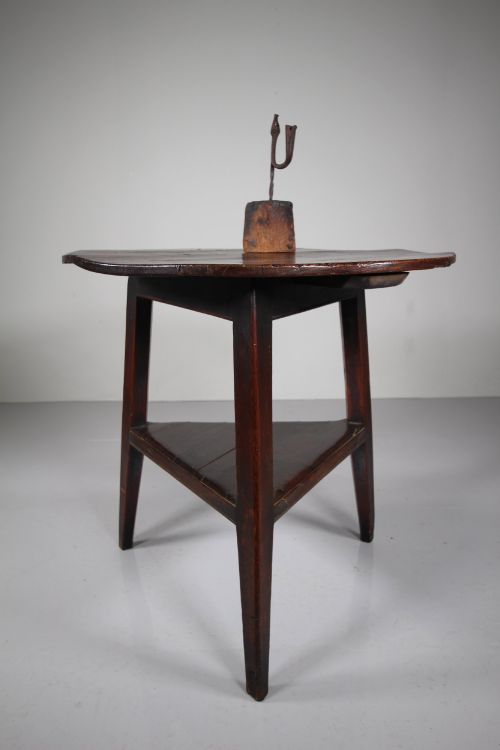
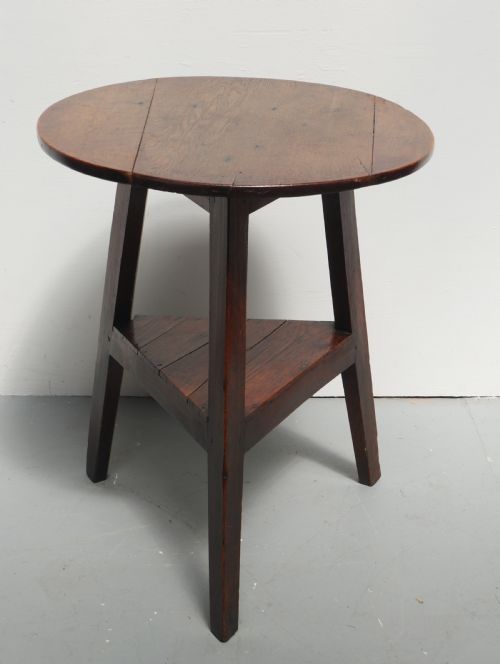
Tripod bases and cricket table configurations dominate the regional occasional tables recorded here.
Evaluating Quality
Quality rests in the proportional balance of the turned column and the integrity of the timber selection. Tables that maintain honest patination and unforced structural harmony outshine clumsy replacements or heavily restored surfaces.
The distinction between ordinary utility items and superior provincial examples lies in the refinement of the leg turnings and the smoothness of the tilt action. Subtle regional variations in timber choice also elevate individual pieces.
The Georgian Country Wine Table Glossary
- Tripod table
- A small freestanding table supported by three legs radiating from a central pillar. These tables appeared frequently in eighteenth-century domestic interiors for tea or wine service.
- Cricket table
- A small wooden table standing on three splayed legs with a triangular or circular top. The design provided stability on uneven stone or earthen floors in country cottages.
- Tilt top table
- A table featuring a hinged mechanism that allows the top to pivot vertically when not in use. This clever space-saving device permitted easy storage against room walls.
- Vernacular
- Everyday objects made by local craftsmen following regional traditions rather than high-style metropolitan fashions. These pieces prioritise functional utility over ornate decoration.
- Patina
- The surface sheen and colour developed by aged wood through decades of handling, polishing, and exposure to light. Genuine patination demonstrates long-term domestic use.
Georgian Country Wine Table: Frequently Asked Questions
What is a georgian country wine table used for?
These pieces served as portable surfaces for drinks, lighting, or small domestic tasks beside seating. Their compact footprints made them easy to move around rural homes as daylight shifted.
Today, owners utilise them as bedside stands, lamp tables, or accent surfaces in sitting rooms where space remains at a premium.
How do I identify an 18th century tripod table?
Look for construction markers such as pegged tenons, hand-turned pedestals, and solid timber tops that show natural shrinkage over centuries. Regional vernacular pieces often display slight asymmetries unique to individual provincial workshops.
Examining the underside reveals tool marks and joining techniques distinct from later mass-produced factory furniture.
What is the difference between oak and fruitwood examples?
Oak examples tend to be robust and straight-grained, carrying a heavier visual weight typical of early vernacular furniture. Fruitwood versions, such as cherry or pear, often exhibit warmer golden tones and finer grain patterns.
Both timbers reflect the local woodland resources available to the regional cabinetmaker at the time of construction.