




Georgian Colour Print
A georgian colour print brings framed 18th and 19th-century artistry into a room through hand-tinted engravings, mezzotints, and maps.
Georgian Colour Print
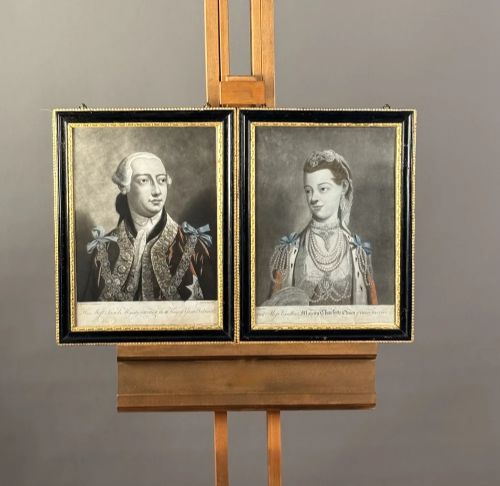
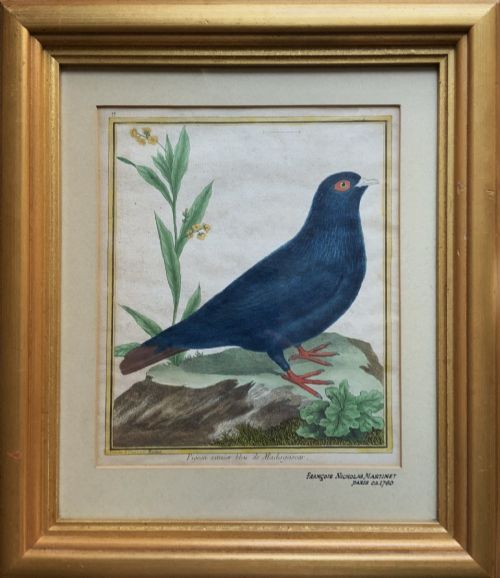
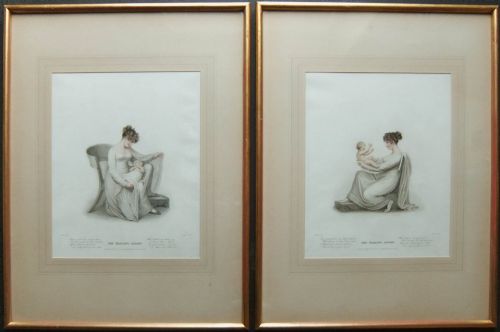
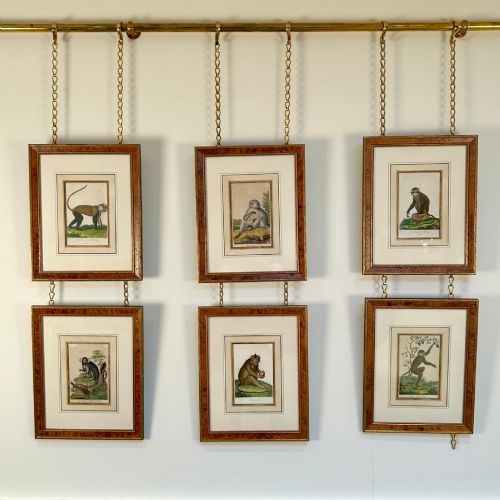
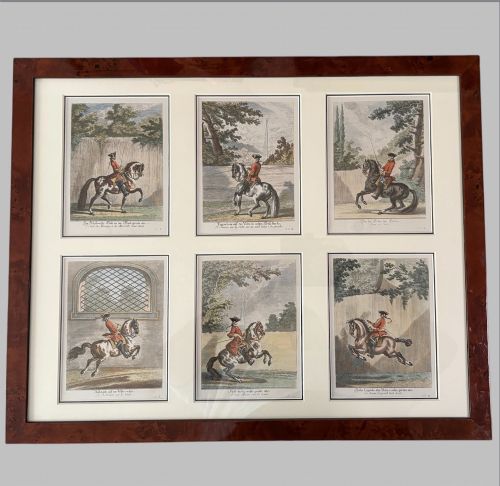
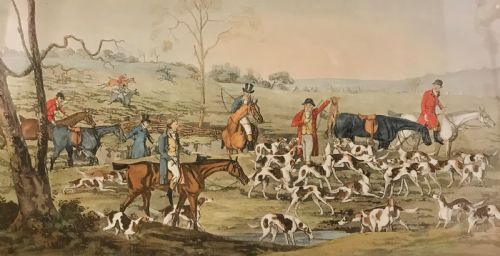
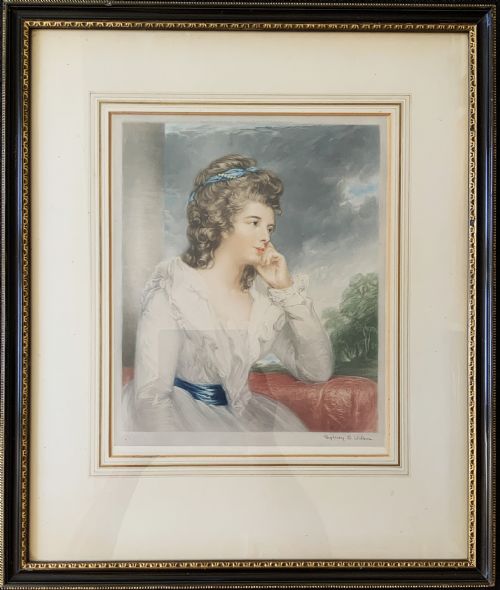
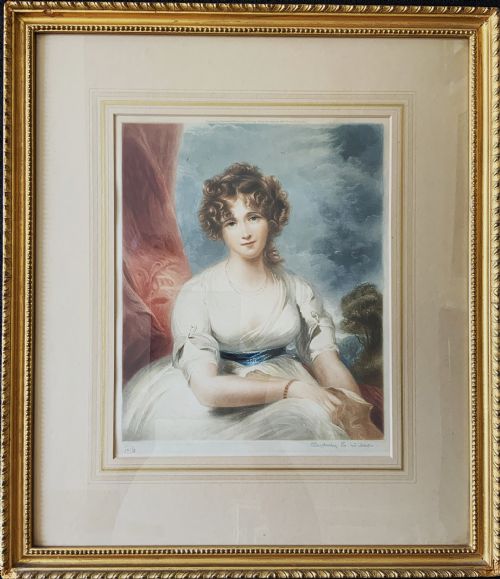
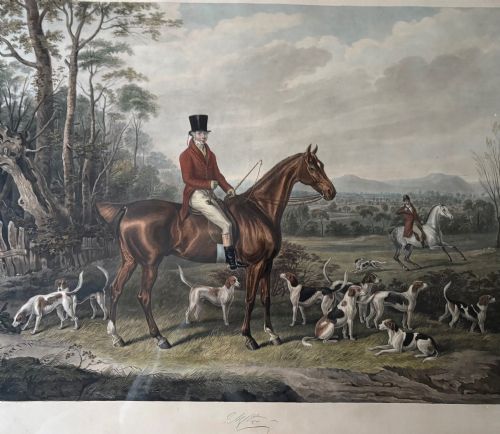
A georgian colour print typically takes the form of a framed engraving, etching, or map produced during the eighteenth and nineteenth centuries. These works frequently arrive hand-coloured with watercolour applied over inked impressions on paper, capturing subjects from natural history to portraiture.
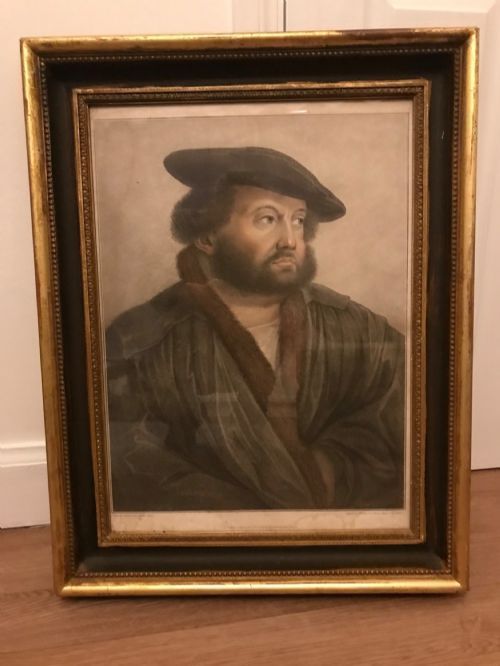
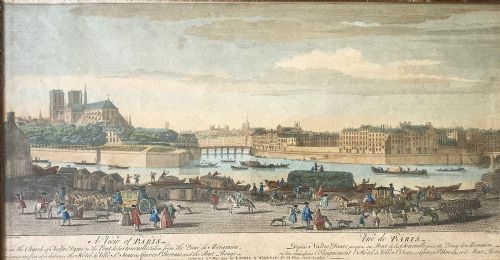
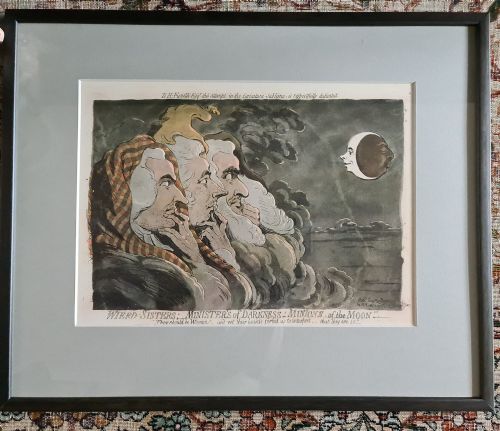
The pieces on this page span botanical and ornithological studies by makers like George Edwards, alongside topographical views and cartography by Robert Morden and John Cary. Buyers also encounter portraiture after Hans Holbein and satirical works, often set behind glass within wooden frames.
Most examples originate from the Georgian and Regency periods, though Victorian print production and later restrikes also appear. These framed artworks function as wall art, offering direct visual records of historical natural philosophy, geography, and portraiture.
Materials and production methods
Makers produced these works using paper sheets impressed with ink from engraved or etched metal plates, often copper. Artisans then applied watercolour by hand to individual impressions, creating vivid colour prints.
Framing materials incorporate wood, giltwood, and gold leaf, occasionally combined with reverse glass techniques where artists painted directly onto the underside of the glass panel. Protective glazing preserved the delicate paper and watercolours from atmospheric damage.
The available selection includes ornithological engravings, county maps, and stipple portraiture.
Factors of quality and execution
Quality rests upon the crispness of the original plate impression and the precision of the hand-applied watercolour. Finer examples retain vibrant, stable pigments without fading or excessive bleeding beyond the printed lines.
The grade of the paper, the fidelity of the printing technique, and the originality of the frame contribute to the overall standard. Contemporary framing or later restrikes differ notably from period impressions issued directly by the publisher.
Francesco Bartolozzi·Sebastiaan Vrancx·François-Nicolas Martinet·George Edwards·Robert Sayer·Robert Morden·John Cary·Thomas Kitchin
The Georgian Colour Print Glossary
- Stipple engraving
- A method of dotting the printing plate to create tonal gradations and soft shadows rather than continuous lines.
- Mezzotint
- A printmaking process where the copper plate is roughened to achieve rich, dark tones and smooth mid-tones.
- Aquatint
- An etching technique that produces broad areas of tonal shading resembling watercolour washes.
- Reverse glass print
- An image applied directly to the reverse side of a glass sheet, often sealed with gold leaf or backing materials.
- Artist proof
- An impression printed for the artist's own use, distinct from the main published edition.
Georgian Colour Print: Frequently Asked Questions
How do I care for a georgian colour print?
Keep framed pieces away from direct sunlight to prevent the watercolours and inks from fading over time.
Maintain stable indoor humidity levels to protect the historic paper and wooden frames from warping or mould.
Are these prints hand coloured?
Many examples feature original hand colouring applied with watercolour over black ink impressions soon after printing.
Publishers employed colourists to tint plates depicting birds, maps, and botanical subjects by hand.
How do I identify a period frame?
Period frames often utilise Hogarth mouldings made of wood, sometimes highlighted with giltwood or gold leaf.
Examining the backboards, fixings, and joinery helps distinguish original framing from modern replacements.
What subjects are most common?
The selection includes natural history subjects such as birds and animals, alongside detailed county and regional maps.
Portraiture after classical painters and satirical views also feature prominently among the listed works.