


Georgian Classical Painting
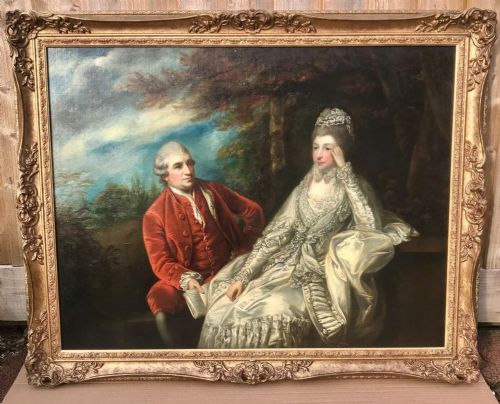
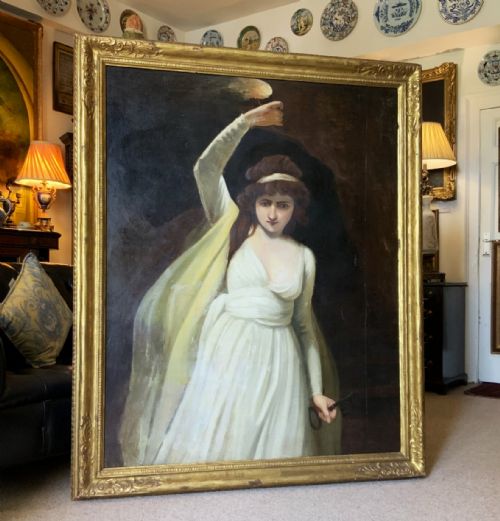
Georgian classical painting encompasses fine period portraits and scenes executed in oil and watercolour.
Georgian Classical Painting
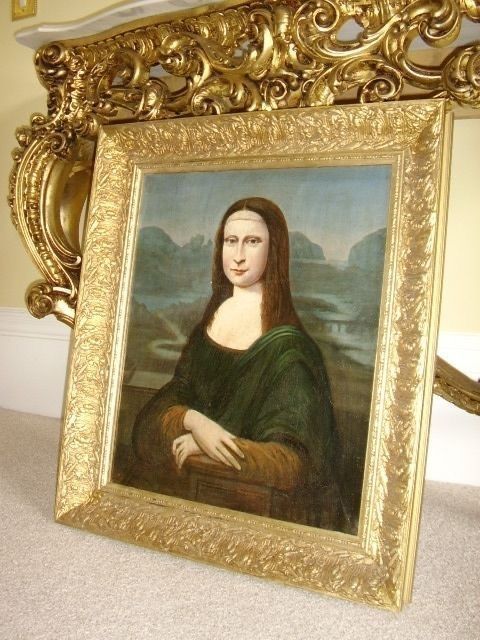
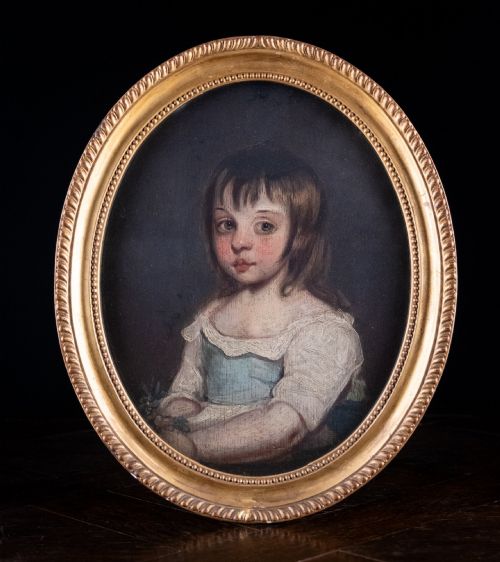
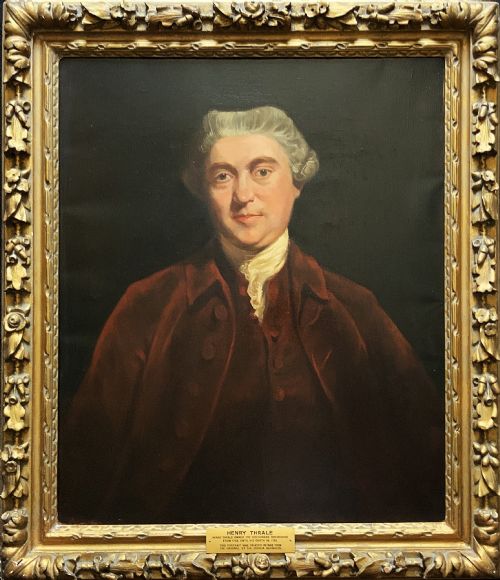
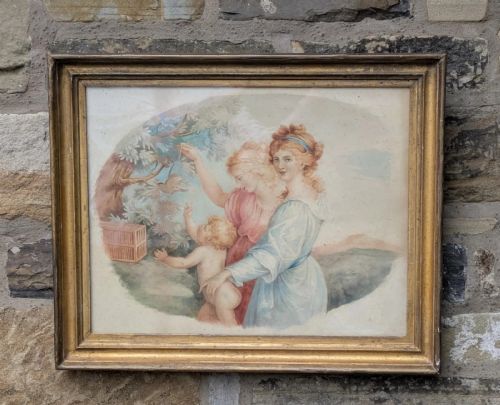
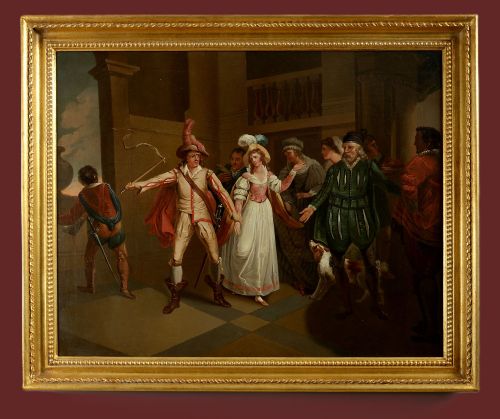
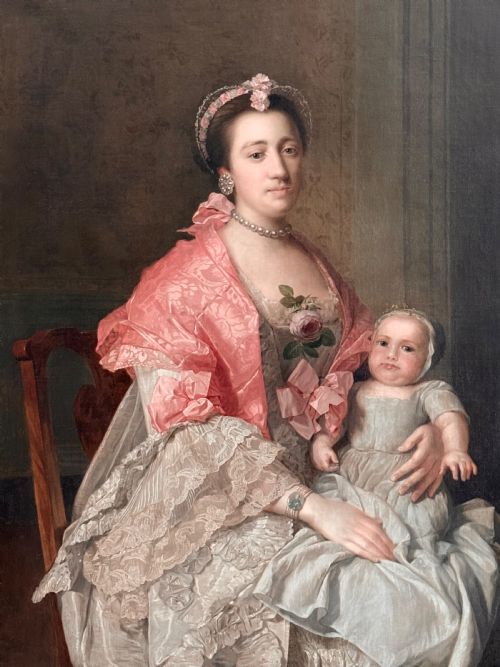
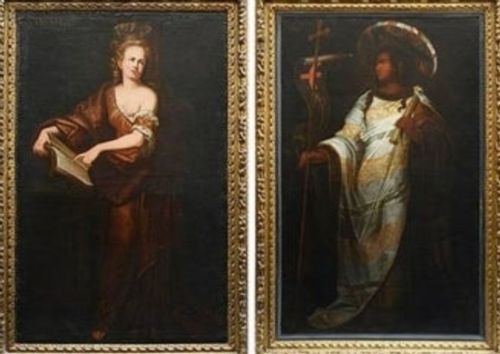
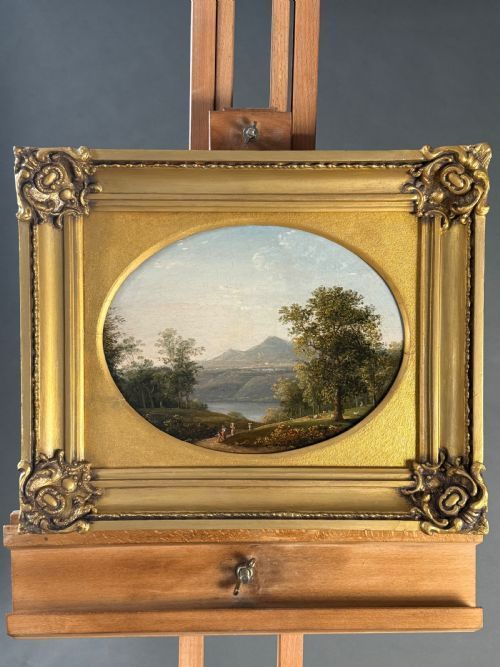
When searching for georgian classical painting, collectors encounter oil paintings and watercolour paintings originating primarily from the eighteenth and nineteenth centuries. These works include studio portraits, classical scenes, and landscape compositions reflecting neoclassical and 18th century classical styles.
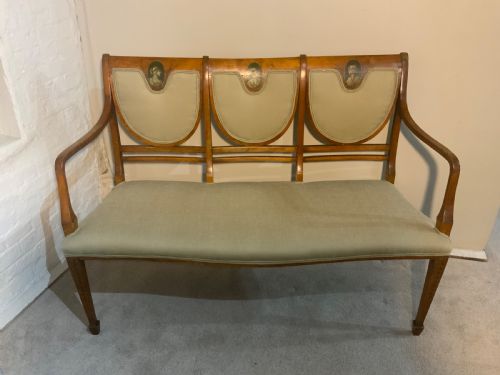
Alongside flat art on canvas and paper, the evidence shows related decorative pieces carrying painted or classical motifs. These span portrait miniatures, snuff boxes, and console tables sharing the aesthetic of the period.
How they were made
The physical works rely on oil paint applied to canvas, wood panels, or copper plates, alongside watercolours on paper. Artists utilised traditional pigments and ground media to build layered portraiture and detailed topographical views.
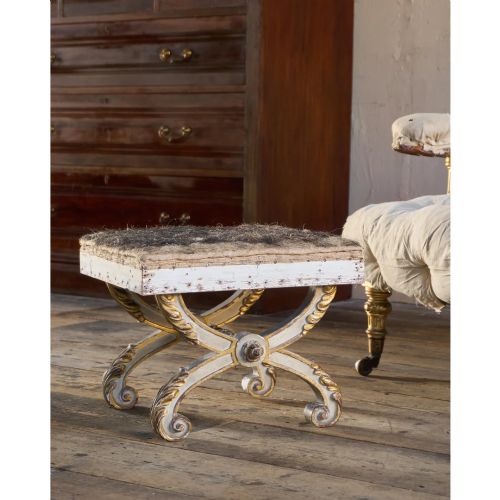
Frames and associated furniture utilise timber such as satinwood and mahogany, often enhanced with giltwood mouldings and hand-applied paint. Supports range from stretched woven canvas to rigid wooden panels prepared with traditional gesso.
Listings combine eighteenth and nineteenth-century oil paintings with watercolours, giltwood frames, and painted furniture.
What varies in quality
Quality in these paintings rests on the skill of the brushwork, the accuracy of anatomical rendering, and the preservation of the original surface. Works by named studio masters or accomplished contemporary hands display superior handling of light and expression compared to naive or provincial copies.
The integrity of the canvas and underlying support dictates the grade of survival. Pieces retaining their original stretchers, undisturbed paint layers, and period giltwood frames command greater regard among collectors.
Sir Joshua Reynolds·Sir Thomas Lawrence·Sir Allan Ramsay·Jacob Philipp Hackert·John Opie·William Etty·John Hamilton Mortimer·John Miers
The Georgian Classical Painting Glossary
- Neoclassical
- A style reviving the art and culture of classical antiquity, visible in the balanced compositions and subjects of this period.
- Oil on Canvas
- Pigment mixed with drying oil applied to a woven fabric support stretched over a wooden frame.
- Watercolour
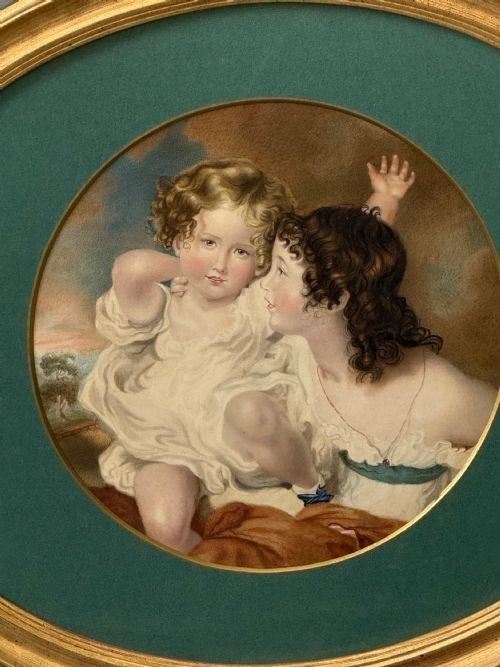
- A paint medium utilising water-soluble pigments, frequently used for delicate portrait studies and classical scenes on paper.
- Mezzotint
- A printmaking process of the scraper variety allowing halftone gradations, often employed to reproduce famous oil portraits.
- Giltwood
- Wood carved and coated with a thin layer of gold leaf, commonly found on period picture frames and architectural mirrors.
Georgian Classical Painting: Frequently Asked Questions
What subjects appear in these paintings?
Portraits of gentlemen, ladies, and children dominate the works, alongside narrative scenes and topographical landscapes. Many compositions reference classical mythology or historical events.
Artists also produced intimate portrait miniatures and silhouette profiles during the same eras.
How do you date an oil canvas?
Dating relies on stylistic markers of dress, hair, and frame construction, alongside canvas weave and stretcher design. Signed works or archival records provide definitive timelines.
Comparative analysis with known studio pieces helps narrow the decade of execution.
Where were these works displayed?
Original owners hung large oil paintings in the formal reception rooms and galleries of country houses and town residences. Watercolours and miniatures were often kept in private studies or personal chambers.
Overmantel mirrors and painted furniture completed the coordinated interior schemes of the period.
What is a grand tour landscape?
These are scenic views painted for travellers returning from extended educational journeys across continental Europe, particularly Italy. They recorded classical ruins, foreign cities, and dramatic topography.
Artists like Jacob Philipp Hackert specialised in capturing these atmospheric vistas for British collectors.