




Georgian Circular Breakfast Table
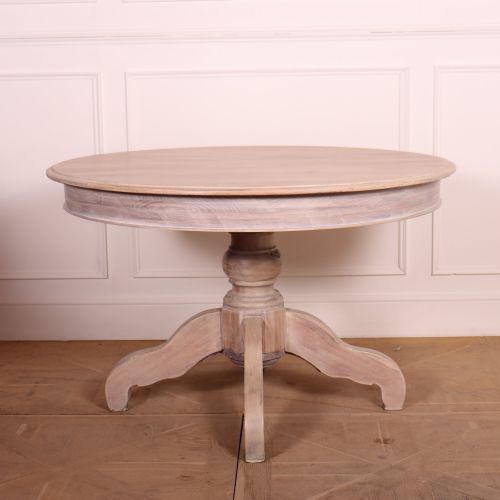
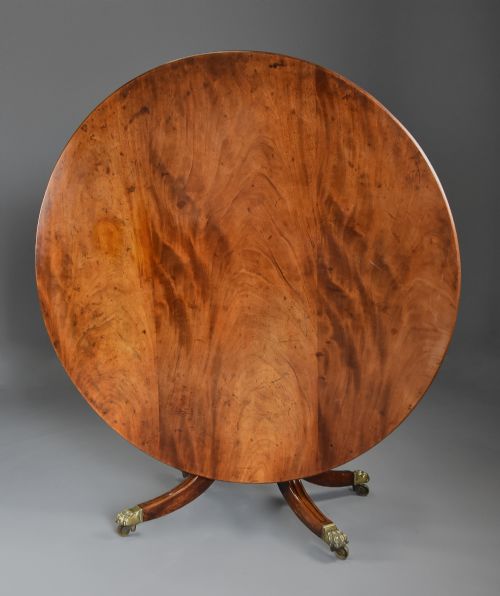
A georgian circular breakfast table offers a generous round surface for morning dining or central display, combining rich timber grain with sturdy pedestal support.
Georgian Circular Breakfast Table
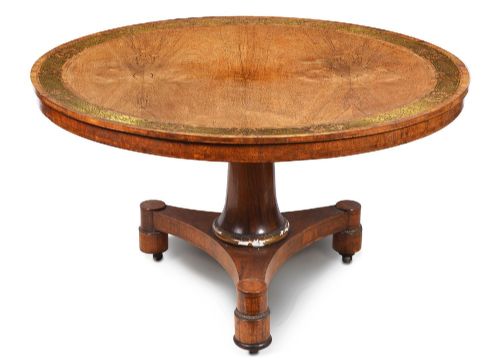
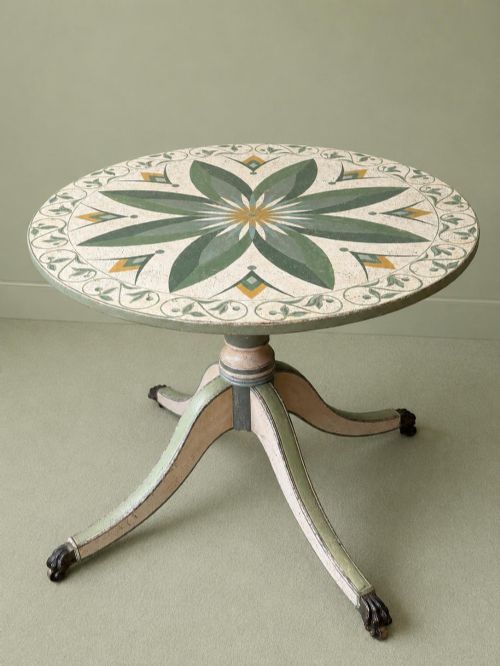
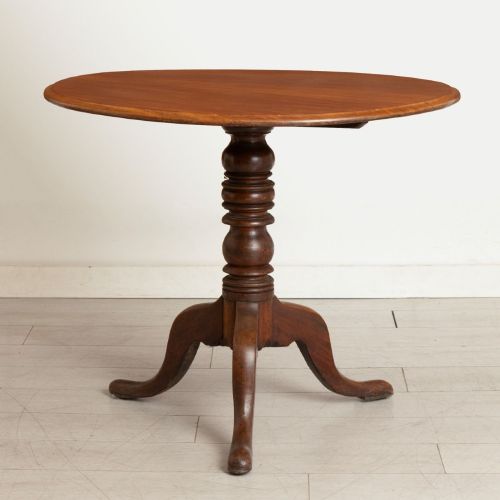
The georgian circular breakfast table is a versatile round furnishing designed for the morning meal or as a freestanding centre piece in a principal room. These pieces appear across the 18th century, Georgian, Regency, and William IV periods, alongside later Victorian and 1920 examples.
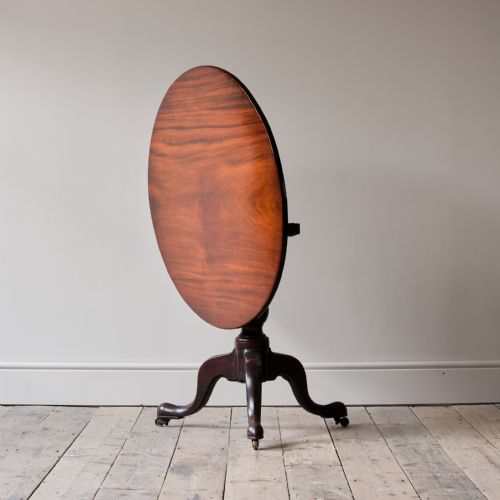
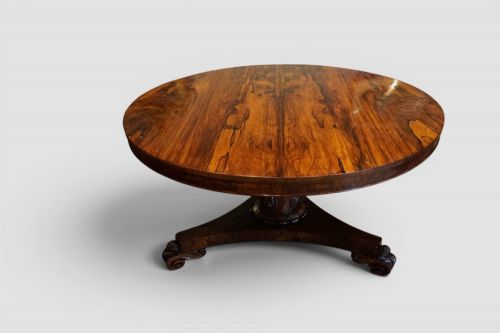
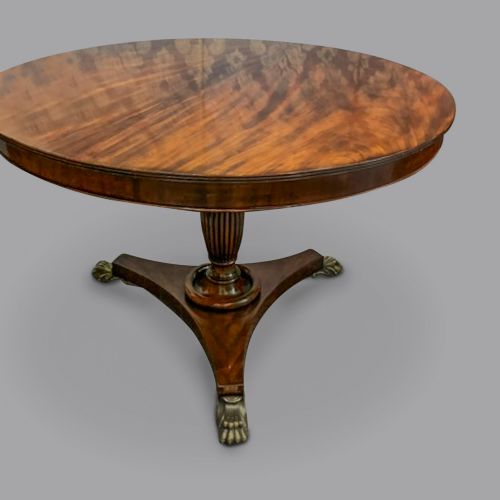
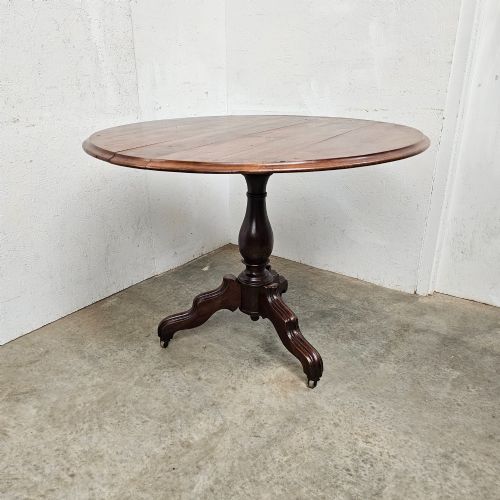
Most pieces encountered on this page utilise a central pedestal or tripod base supporting a round top, with several variants featuring tilt-top mechanisms for storage against a wall. Timbers range from traditional mahogany and flame mahogany veneer to rosewood, goncalo alves, yew wood, and bleached oak.
Materials and Technique
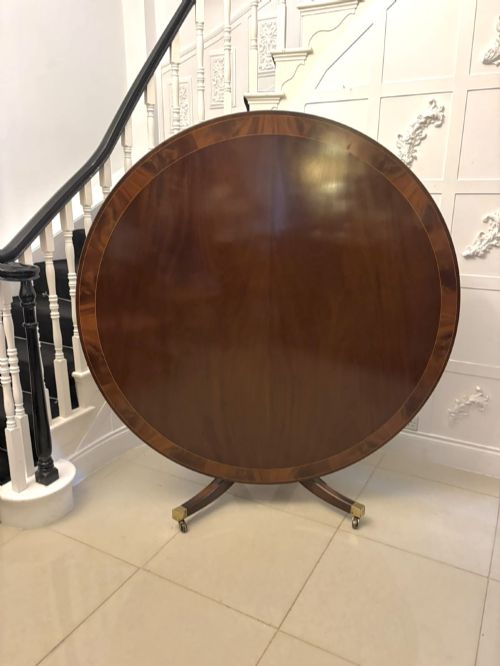
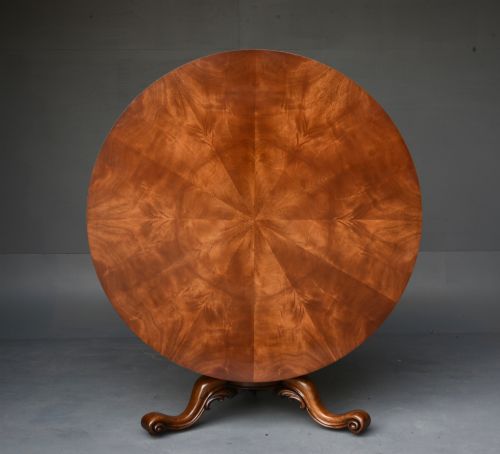
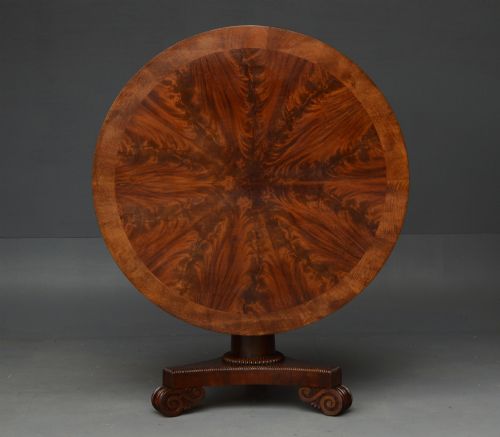
Cabinetmakers constructed these tables using solid hardwoods and decorative veneers such as flame mahogany, rosewood, and goncalo alves applied over stable timber cores. Crossbanding and radial veneering techniques frequently accentuate the circular top, adding visual depth to the grain.
Many examples incorporate brass inlay, particularly in Regency pieces, whilst pedestal bases rely on robust central columns or triform supports secured with internal framing. Tilt-top actions utilise specialised wooden or brass catches to lock the circular surface into position.
Georgian Circular Breakfast Table Retail Price Guide 2026
Typical asking prices for georgian circular breakfast table among the pieces listed under this phrase on Sellingantiques today, from the lower quarter to the upper quarter. They describe what is for sale here now, not the wider market.
Listings span the 18th century, Georgian, Regency, William IV, Victorian, and 1920 periods, utilising mahogany, rosewood, goncalo alves, and bleached oak.
Distinctions in Execution
Quality rests in the selection of timber figures, such as plum pudding mahogany or highly figured rosewood, and the precision of crossbanded borders. Superior examples display seamless single-piece tops or impeccably matched veneer segments that radiate evenly from the centre.
The refinement of the pedestal carving and the crispness of any brass inlay distinguish exceptional cabinetwork from standard production. Stability in the tilt-top mechanism and the joinery of the triform or tripod base also determine the standing of each piece.
Walker-Lancaster·Gillows·George Bullock
The Georgian Circular Breakfast Table Glossary
- Tilt Top
- A tabletop hinged to a central pillar that pivots vertically to allow the table to stand flat against a wall when not in use. This clever space-saving design is frequently found on Georgian and Victorian occasional tables.
- Triform Base
- A three-sided pedestal support that rests upon scroll feet or castors. It provides stability for heavy rosewood or mahogany circular dining tables.
- Crossbanding
- A narrow strip of veneer applied to the border of a tabletop with the grain running perpendicular to the centre. This technique creates a distinct visual frame around the main timber.
- Goncalo Alves
- A dense exotic hardwood featuring rich contrasting dark brown and golden tones. Makers utilised this striking timber for fashionable Regency and William IV centre tables.
Georgian Circular Breakfast Table: Frequently Asked Questions
What is a georgian circular breakfast table used for?
These tables served primarily for morning dining or tea in private drawing rooms before being cleared or tilted aside. Their versatile round shape also made them suitable as centre tables in entrance halls.
Today they function effectively as freestanding dining tables in compact spaces or as lamp and display tables in larger reception rooms.
What timbers were used for these tables?
Mahogany is the most frequent material seen, often enhanced with flame mahogany veneer or plum pudding grain patterns. Regency and William IV examples also frequently incorporate rosewood, goncalo alves, yew wood, and bleached oak.
Inlays of brass stripwork frequently accent the dark rosewood or mahogany surfaces on Regency period pieces.
How do I distinguish Regency from Victorian examples?
Regency tables, dating from the early 19th century, typically exhibit restrained classical proportions, brass inlay, and sophisticated pedestal bases in mahogany or rosewood. They often reflect the influence of makers like Gillows.
Victorian and later 1920 pieces tend to feature heavier proportions, bolder carving on the triform bases, and varied veneer treatments such as radial layouts.