

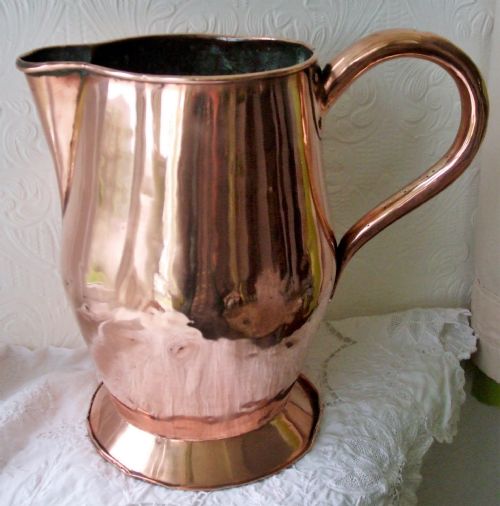
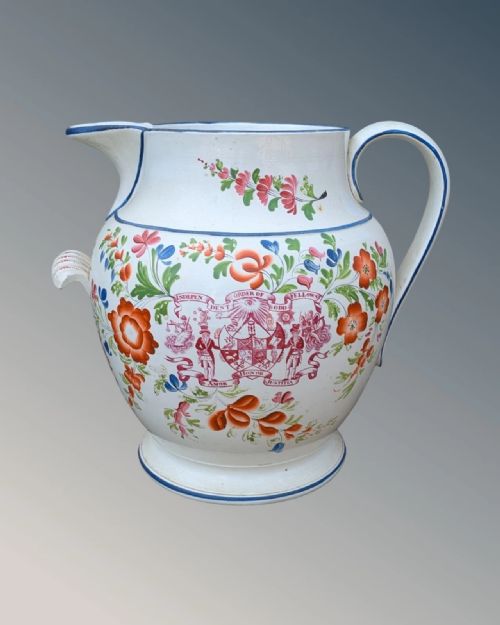


Georgian Cider Jug
A georgian cider jug is a heavy serving vessel designed for hospitality, bringing robust capacity and historic metalwork or pottery directly to the table.
Georgian Cider Jug
A georgian cider jug is typically encountered as a large capacity vessel intended for communal drinking, tavern service, or club use during the eighteenth and nineteenth centuries. The evidence shows these objects spanning periods from the mid-eighteenth century into the nineteenth century, reflecting the steady domestic and public demand for sturdy liquid containers.
The forms vary across pitchers, flagons, ale jugs, and measuring jugs, often holding substantial volumes ranging from pints to multiple gallons. Copper and pewter dominate the physical record, accompanied by creamware, blue and white pottery, and Old Sheffield plate.
Most pieces date broadly to the Georgian era or the nineteenth century, including specific markers like George III designations and capacity standards. Buyers will frequently find heavy copper measures and lidded tavern flagons designed for practical use rather than mere display.
How they were made
Copper and pewter serve as the primary metallic mediums, shaped into robust walls capable of holding large volumes of ale, cider, or water without leaking. Makers utilised heavy gauge sheet copper and cast pewter alloys of tin and lead, applying soldered seams and reinforced rims to endure daily tavern or club service.
Ceramic versions employ creamware and blue and white pottery bodies, formed through traditional throwing or moulding techniques before receiving durable lead or tin glazes. Silver plating appears on copper bases through early fusing methods, seen in Old Sheffield plate beer jugs with applied metal mounts.
Georgian Cider Jug Retail Price Guide 2026
Typical asking prices for georgian cider jug among the pieces listed under this phrase on Sellingantiques today, from the lower quarter to the upper quarter. They describe what is for sale here now, not the wider market.
Friendly benefit clubs commissioned giant copper jugs so members could share a disciplined pint of cider while debating local village politics.
What varies in quality
Quality rests upon the heft of the metal and the integrity of the original construction, distinguishing heavy utilitarian pieces from lighter domestic items. Superior examples display substantial gauge walls, well-balanced handles, and crisp capacity or maker stamps that indicate official standardisation.
The sophistication of auxiliary elements, such as hinged lids, cast thumbpieces, and early silver plating, separates standard workshop output from exceptional tavern or institutional commissions. Proportion and surface patination further define the standing of a piece within its material category.
Loftus of Oxford Street London·John De St Croix
The Georgian Cider Jug Glossary
- Flagon
- A large drinking vessel with a handle and usually a lid, designed for ale, cider, or wine. These pieces often feature sturdy thumbpieces and secure hinge mechanisms.
- Old Sheffield Plated
- A composite material made by fusing a thin layer of silver to a thicker copper base under heat and pressure. This technique produced durable serving vessels before the invention of electroplating.
- Creamware
- A refined earthenware developed in the eighteenth century, characterised by a pale yellowish or cream-coloured lead glaze. It offered a lighter, cleaner alternative to traditional heavy pottery.
- Pewterware
- Utilitarian and decorative objects fashioned from an alloy of tin combined with copper, antimony, or lead. This material provides a soft metallic lustre and heavy feel suitable for drinking vessels.
- Measure
- A vessel manufactured to strict legal capacity standards for dispensing liquids in taverns and markets. These items often display official verification marks or capacity stamps.
Georgian Cider Jug: Frequently Asked Questions
What were these jugs used for?
These vessels served the communal distribution of ales, cider, and water in domestic homes, taverns, and benefit clubs. Their large capacities allowed hosts to serve multiple guests efficiently during meals or gatherings.
Many examples doubled as official measuring devices to ensure fair trade in public houses. Their robust construction ensured they survived decades of heavy daily handling.
How do I clean a copper jug?
Copper vessels benefit from gentle washing with warm soapy water and a soft cloth to preserve the historic surface patination. Avoid harsh abrasive cleaners that strip away the natural ageing accumulated over centuries.
Dry the metal thoroughly after washing to prevent spotting or tarnishing. Many collectors prefer to leave copper with an undisturbed darkened finish rather than polishing it to a bright shine.
How can I tell the age?
Age is determined by examining the construction techniques, material composition, and any stamped capacity marks or maker details. Eighteenth-century pieces often display hand-beaten seams, early touchmarks, or simpler cast handles.
Nineteenth-century examples frequently incorporate standardised capacity stamps and machine-rolled sheet metals. Comparing the form against dated civic measures helps narrow down the period of manufacture.
Are pewter jugs safe for drinks?
Historical pewter often contains lead, which means older vessels are generally unsuited for storing acidic beverages like cider or wine over long periods. Modern usage should remain strictly decorative unless the specific alloy content has been tested and verified as lead-free.
Displaying these jugs on open shelves or sideboards highlights their historic form safely. Their substantial weight and dark grey metallic finish make them striking decorative centerpieces.