



Georgian Chocolate Pot
These georgian chocolate pot examples are metal and ceramic vessels designed for serving hot chocolate, offering a distinct period aesthetic for collectors.
Georgian Chocolate Pot
When searching for a georgian chocolate pot, a buyer examines historical serving vessels primarily associated with the Georgian and Regency periods. The inventory spans both ceramic cups and metal pots used historically for beverage preparation and service.
The most common vessels found in this category are copper pots alongside porcelain cups and saucers. These pieces reflect the dining and drinking customs of the eighteenth and nineteenth centuries.
Objects range from copper kitchenware to fine bone china and porcelain tableware. The selection includes items originating from English workshops and continental makers.
How they were made
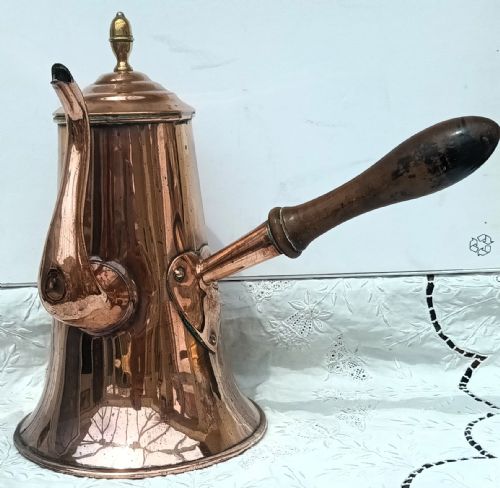
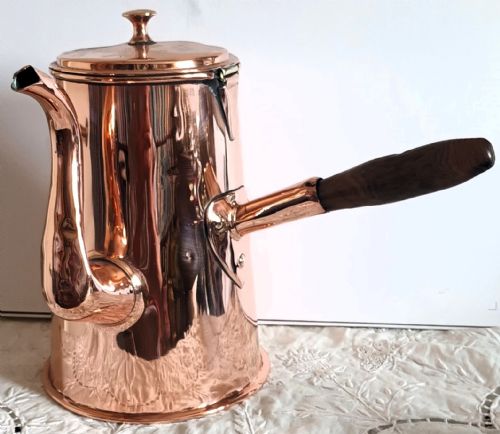
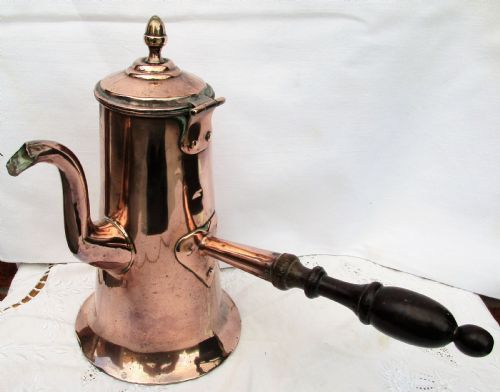
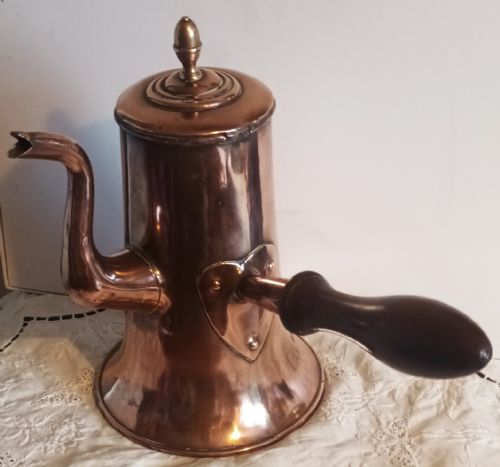
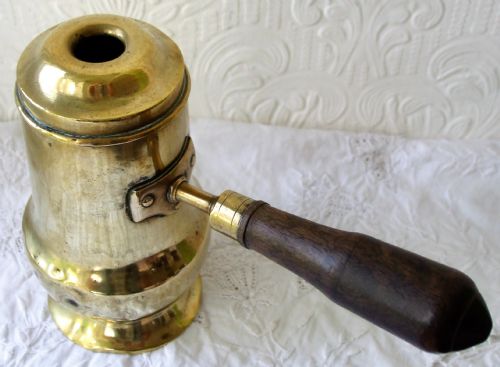
Metal vessels in this category utilise copper, brass, and sterling silver, often shaped with side handles for pouring hot liquids. Makers employed traditional metalworking techniques to form the bodies and secure the handles.
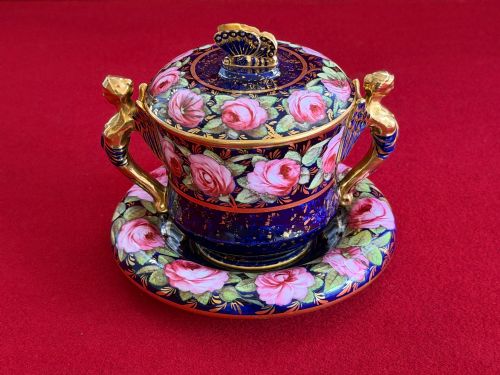
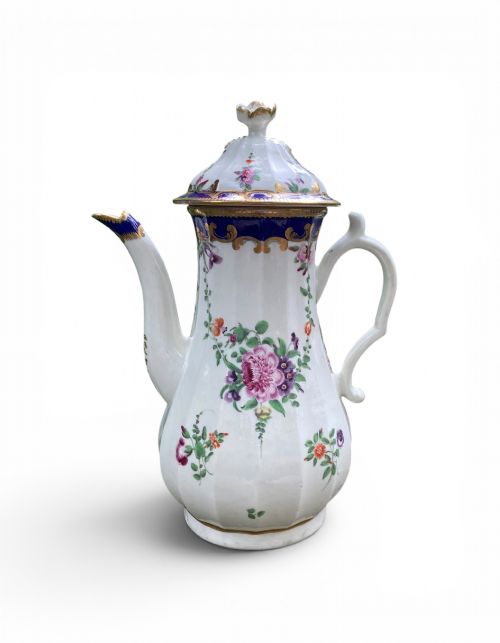
Ceramic pieces incorporate porcelain, bone china, and enamel, decorated with patterns such as Imari designs or finished with gold leaf accents. Firing and glazing methods define the production of these cups and covers from the period.
Georgian Chocolate Pot Retail Price Guide 2026
Typical asking prices for georgian chocolate pot among the pieces listed under this phrase on Sellingantiques today, from the lower quarter to the upper quarter. They describe what is for sale here now, not the wider market.
Listings span the 18th century and 19th century, incorporating the Georgian and Regency periods with materials including copper, porcelain, and gold leaf.
What varies in quality
The standard of a georgian chocolate pot depends on the precision of its metal shaping or the fineness of its ceramic body and painted decoration. Earlier copper examples show hand-beaten characteristics, whilst ceramic versions vary in the crispness of their painted patterns and porcelain translucency.
Makers' marks and attributed origins distinguish standard utilitarian vessels from documented workshop output. The presence of original elements like covers and matching saucers influences the overall integrity of the piece.
William Soutter And Sons·Edward Power·Spode·Worcester
The Georgian Chocolate Pot Glossary
- Copper
- A malleable reddish metal utilised for durability in the construction of kitchen and serving vessels. It forms the primary material base for the majority of metal pots in this category.
- Porcelain
- A fine ceramic material fired at high temperatures to create a vitreous and white body. It is commonly found in cups and tableware from the period.
- Imari
- A decorative ceramic style characterised by underglaze blue and iron red highlights, frequently enhanced with gold leaf. This style appears on porcelain chocolate cups from the nineteenth century.
- Regency
- An English stylistic period spanning the early nineteenth century. Pieces from this era often exhibit distinct neoclassical design influences.
Georgian Chocolate Pot: Frequently Asked Questions
What materials were used to make these pots?
The inventory records pieces made primarily from copper, brass, and sterling silver, alongside porcelain and bone china ceramics. Metal examples often feature wooden handles or components.
Decoration on the ceramic items incorporates enamel and gold leaf applied over porcelain bodies.
How do I date a copper pot?
Dating relies on construction methods, handle attachments, and historical attribution markers found on the metalwork. Pieces span the eighteenth and nineteenth centuries, including the Georgian and Regency eras.
Comparison with documented maker output helps establish an approximate timeframe for unmarked copper items.
Are these pieces suitable for daily use?
These historical vessels function primarily as decorative antiques and display items for collections. Their age and material composition mean careful handling is required rather than regular modern use.
Displaying them within a collection preserves their physical condition and historical integrity.