



Georgian Champagne Cooler
A georgian champagne cooler brings the formal dining rituals of the eighteenth and nineteenth centuries directly to the modern interior.
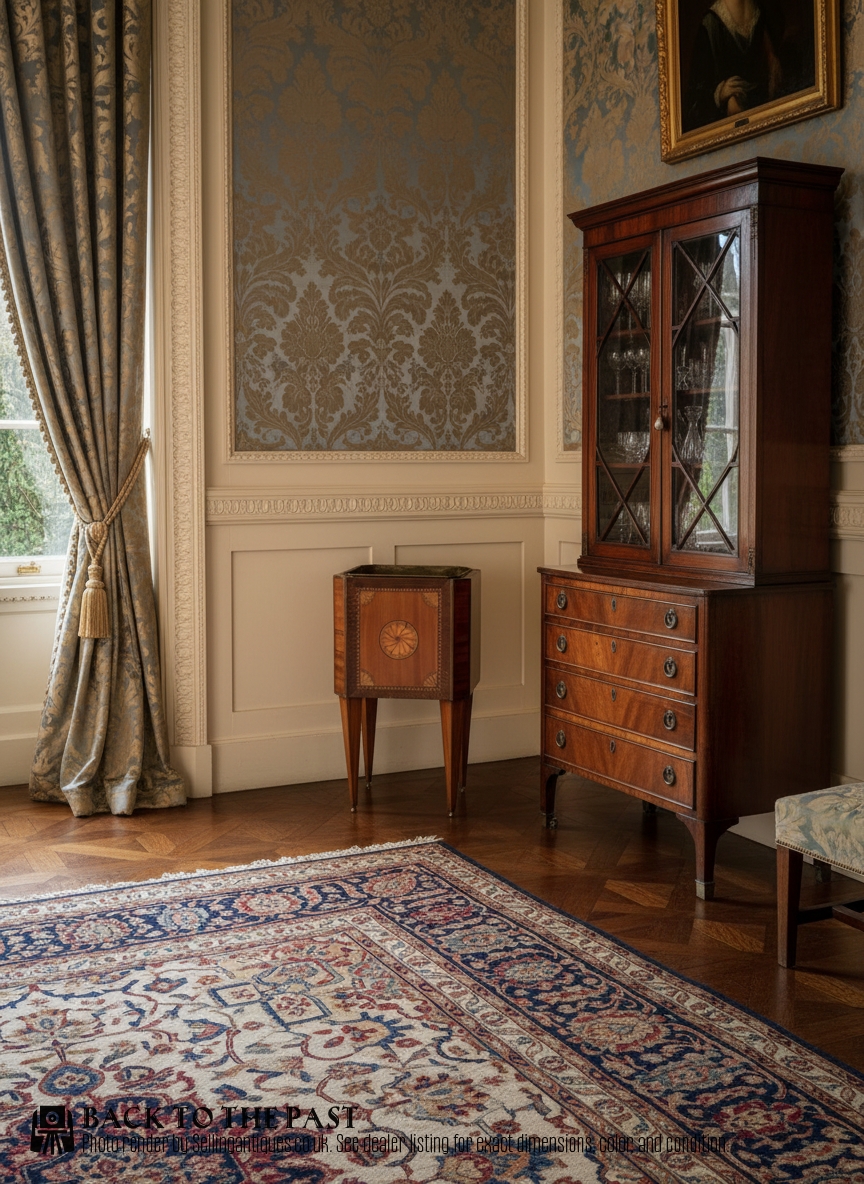
Georgian Champagne Cooler
When searching for a georgian champagne cooler, buyers encounter substantial vessels designed to chill wine and ice for grand tables. These pieces span the eighteenth century, the Regency era, and into the nineteenth century.
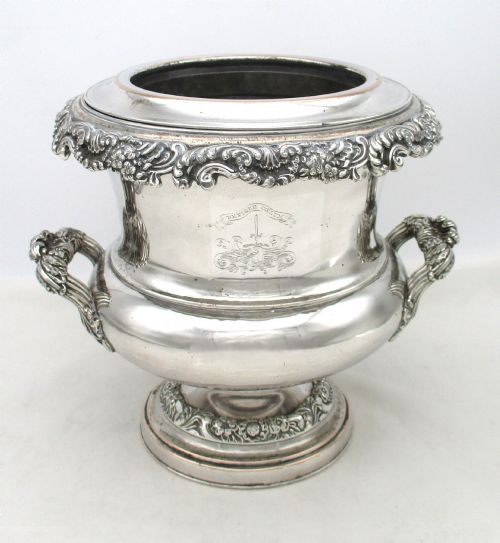
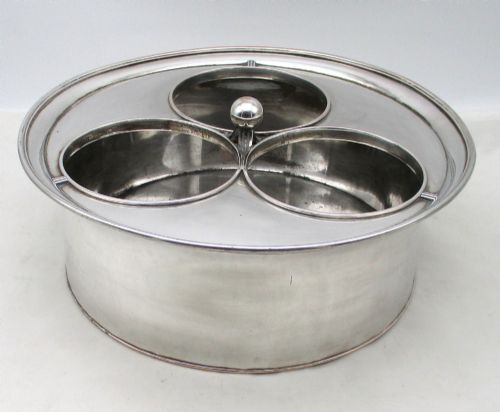
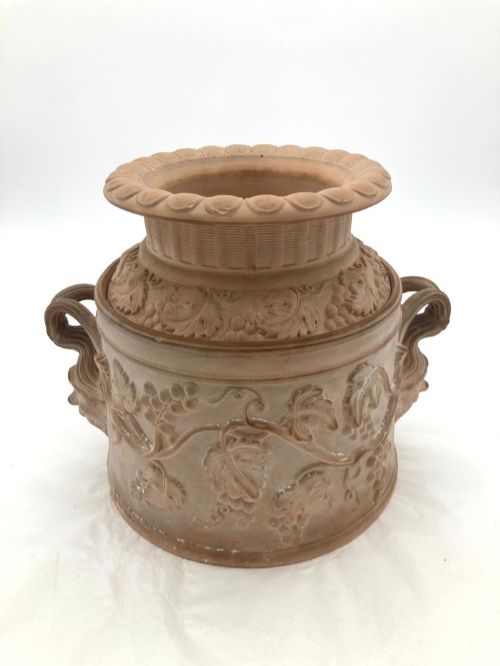
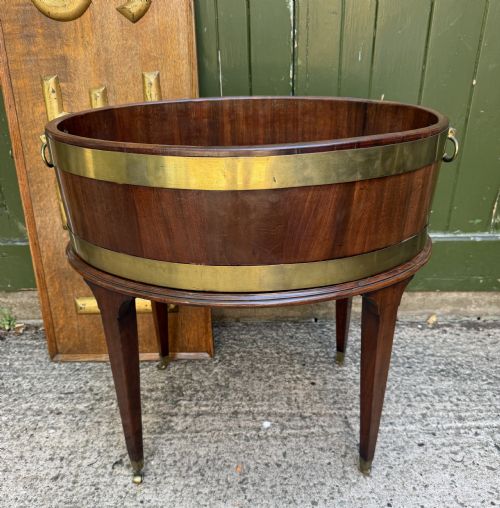
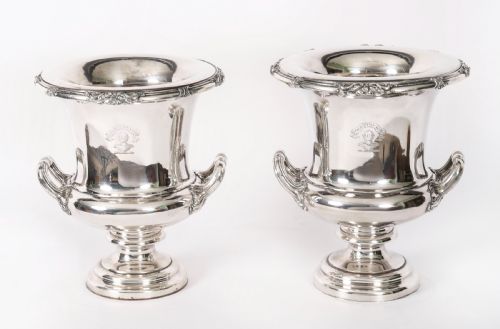
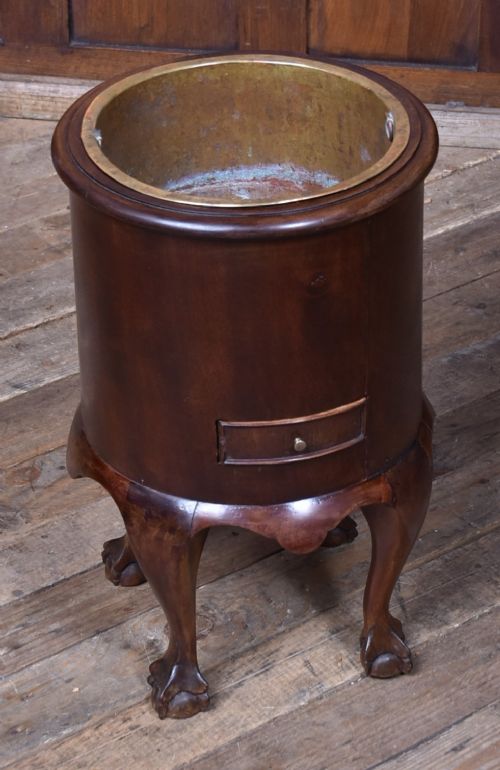
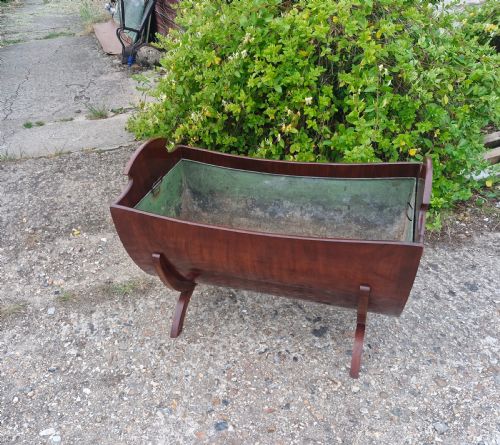
The most common forms on this page are oval mahogany vessels bound with brass bands, alongside silver plate and Old Sheffield Plate vessels shaped in the classic campana silhouette. Many double as log buckets, jardinières, or oyster buckets.
Makers fashioned these coolers from durable woods and metals to withstand heavy ice and water use during entertaining. They appear as freestanding floor pieces or sit upon dedicated wooden stands.
How they were made
Craftsmen built wooden coolers from solid mahogany, satinwood, and copper, frequently employing cooperage techniques with tight staves secured by brass bands or hoops. Other examples utilise Old Sheffield Plate or silver plate fused over a copper base.
Metal vessels often feature cast handles, engraved crests, coats of arms, and detailed campana rims. Wood versions rely on polished grain, brass mounts, and occasional inlay to define their structural form.
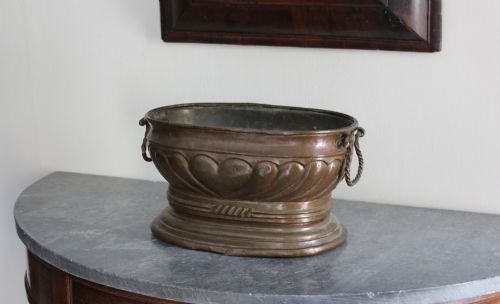
Materials span mahogany, copper, brass, zinc, silver plate, and Old Sheffield Plate across eighteenth and nineteenth-century forms.
What varies in quality
Quality rests in the crispness of the brass banding, the depth of the mahogany grain, and the integrity of the silver plating over its copper core. Superior vessels retain their original fitted interiors, stands, and crisp heraldic engraving without excessive wear.
The weight of the metal and the precision of the cooperage separate ordinary utility pieces from those destined for formal dining rooms. Patina accumulated across centuries indicates authentic usage rather than later restoration.
Flight, Barr and Barr·Matthew Boulton and Co·William Burwash
The Georgian Champagne Cooler Glossary
- Old Sheffield Plate
- A technique fusing a thin sheet of silver to a thicker copper ingot, creating durable tableware before modern electroplating.
- Campana
- A bell-shaped vessel profile commonly used for classical urns and large wine coolers during the Regency period.
- Cooperage
- The method of forming wooden staves together with metal bands, traditionally used for buckets and large tubs.
- Jardiniere
- An ornamental pot or stand designed to hold live plants and flowers indoors.
Georgian Champagne Cooler: Frequently Asked Questions
How do I use a champagne cooler today?
These pieces serve well as functional wine baths by placing a modern liner inside to protect the historic wood or metal. They also work effectively as floor-standing log holders by the fireplace.
Alternatively, fill them with potted plants to function as indoor planters or jardinières. Their robust construction allows them to handle everyday domestic use with appropriate care.
What is Old Sheffield Plate?
Old Sheffield Plate involves fusing a layer of silver onto a copper base through heat and pressure before rolling it into sheets. This technique predates nineteenth-century electroplating.
Items made this way often reveal faint hints of copper showing through the silver highlights after centuries of polishing. This physical trait helps identify the period of manufacture.
How do I tell Regency from Georgian coolers?
Georgian coolers often feature straightforward mahogany staves with brass bands and oval wooden bodies designed for domestic dining rooms. They tend to emphasise timber grain and simple proportions.
Regency examples lean towards classical antiquity, introducing campana shapes, urn profiles, and heavier classical ornamentation in silver plate. They reflect a shift towards formal symmetry inspired by Greek and Roman designs.
Were these coolers meant to stand on the floor?
Larger wooden variants were typically placed directly on the dining room floor near the host's table during long meals. Smaller metal versions sat upon sideboards or dedicated mahogany stands.
Floor placement allowed servants to replenish ice and bottles easily without cluttering the main dining surface.