





Georgian Chalice
A georgian chalice brings drinking vessels of silver, lead glass and turned wood into domestic and ecclesiastical settings.
Georgian Chalice
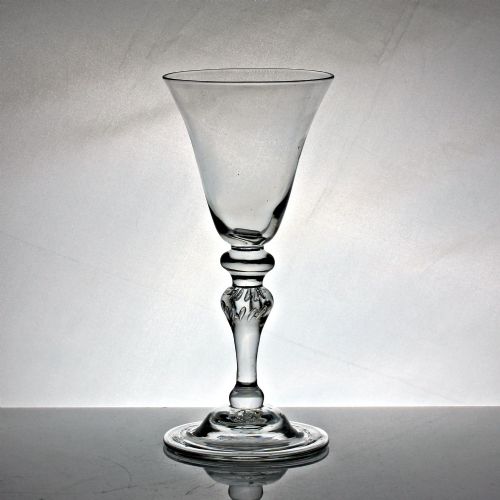
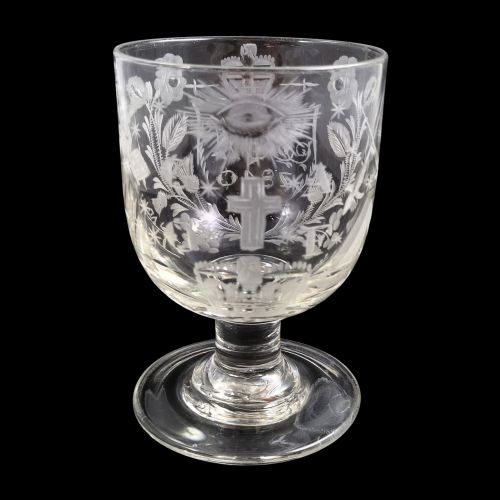
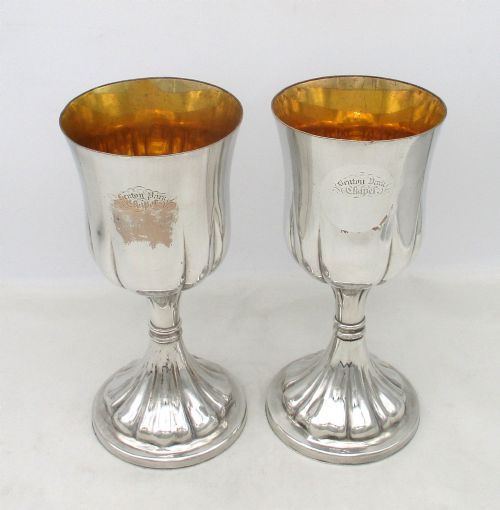
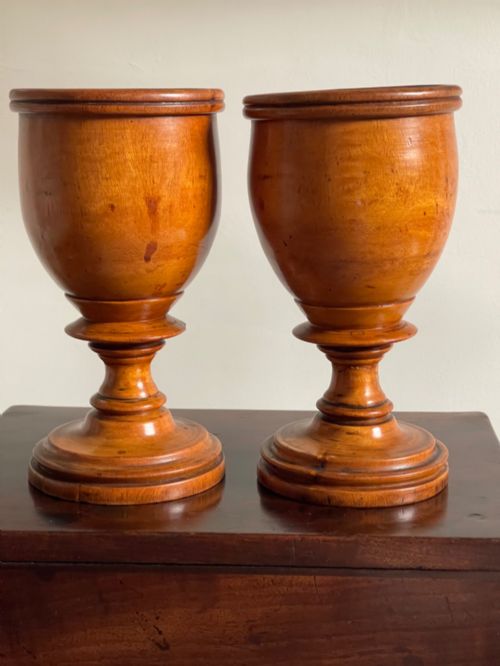
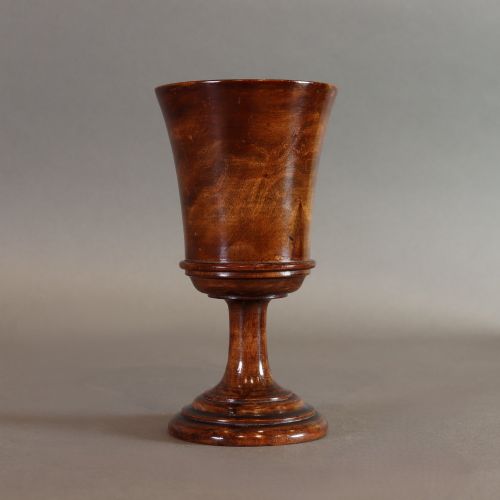
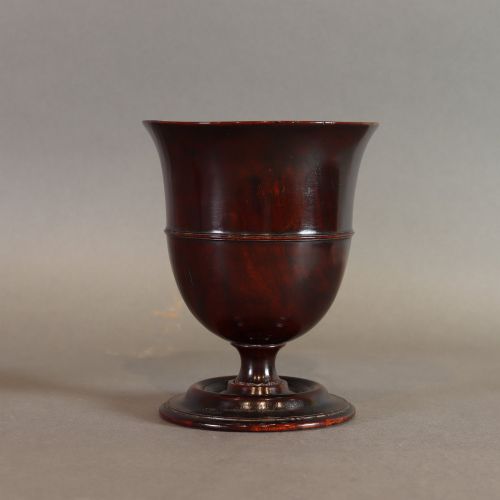
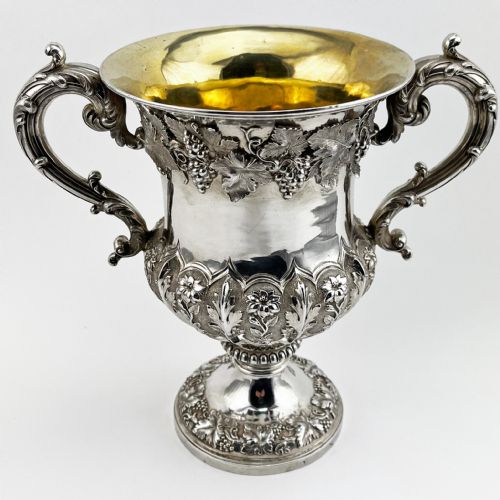
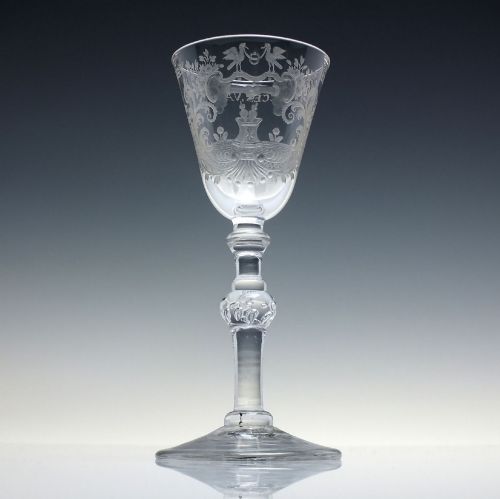
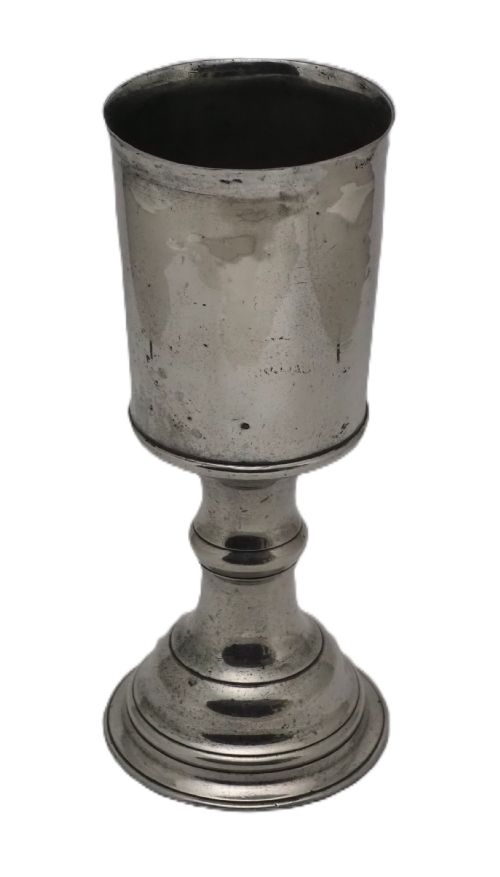
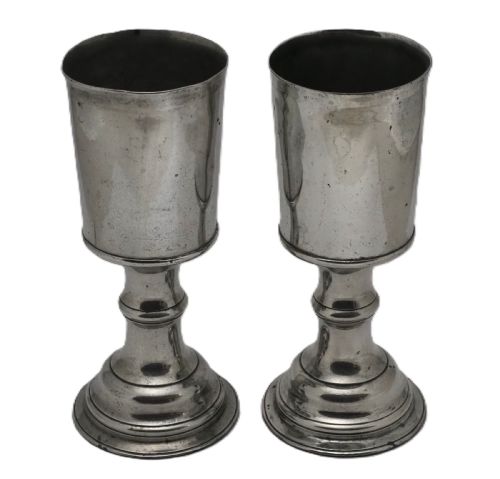
A georgian chalice encompasses a wide grouping of ritual and drinking vessels produced in silver, lead glass, pewter and various woods during the eighteenth and early nineteenth centuries. These vessels appear in forms ranging from heavy church communion vessels in Old Sheffield plate to domestic wine glasses, rummers, and turned fruitwood goblets.
Most examples found on this page date from the mid-eighteenth century through to the Regency and William IV periods. They span utilitarian tavern glassware, Irish pewter capacity measures, and decorative sterling silver presentation cups.
Materials and Construction
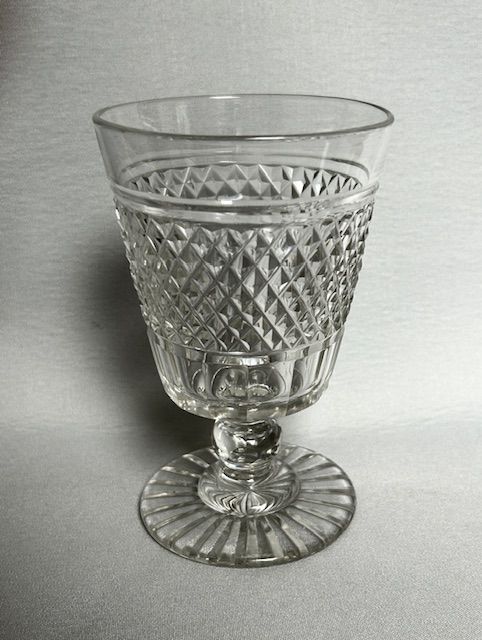
Glass vessels rely on lead crystal and clear metal, shaped via blowing and often embellished with baluster stems, cut facets, and wheel engraving depicting hops, barley, or ships. Pewter, copper, and sterling silver objects utilise casting, hammering, and bright-cut engraving to create structured bowls and vases.
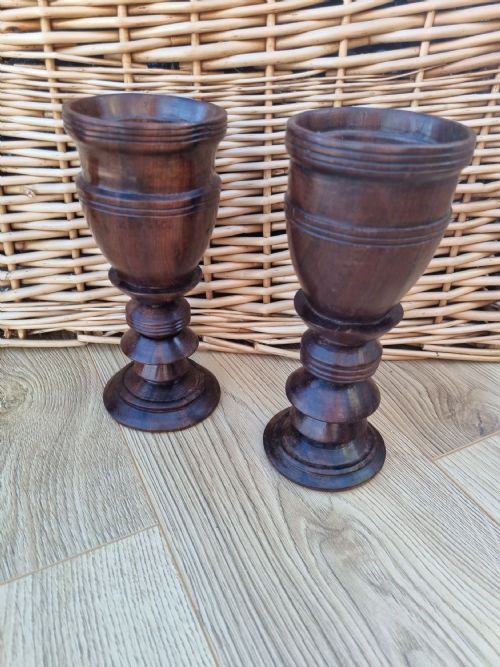
Wooden pieces demonstrate the skill of the turner, utilising dense timbers like lignum vitae, walnut, and fruitwood to form pedestal goblets and coconut shell drinking vessels mounted in metal.
Georgian Chalice Retail Price Guide 2026
Typical asking prices for georgian chalice among the pieces listed under this phrase on Sellingantiques today, from the lower quarter to the upper quarter. They describe what is for sale here now, not the wider market.
Listings feature lead glass, sterling silver, pewter, copper, and wood across the eighteenth and nineteenth centuries.
Distinctions in Execution
Quality rests upon the crispness of the cutting, the depth and clarity of the wheel engraving, and the structural proportion of the stem to the bowl. Superior silver and pewter examples display precise hallmark placement, clean casting lines, and substantial metal gauge.
In glassware, the purity of the metal and the complexity of stem formations, such as air twists and balustroid profiles, distinguish standard tavern pieces from exhibition pieces.
Thomas Sutton
The Georgian Chalice Glossary
- Baluster
- A swelling, architectural stem form resembling a small pillar, frequently seen on mid-eighteenth-century drinking vessels. This stout form provides both weight and visual balance to heavy lead glass bowls.
- Rummer
- A large, capacious drinking glass with a thick bowl and sturdy foot, popular for serving wine or ale during the Georgian era. These often feature cut decoration or engraved commemorative motifs.
- Old Sheffield Plate
- A composite material formed by fusing a thin sheet of silver to a thicker copper base, developed in the eighteenth century. It allows plated items to display the appearance of solid silver.
- Treen
- Small handmade wooden objects and household utensils produced by turning on a lathe. Fruitwood and lignum vitae are typical timbers employed for these drinking vessels.
- Bright-cut
- An engraving technique utilising faceted cuts made with a sharp V-shaped graving tool to create glittering geometric borders. This style is commonly found on Georgian silver goblets.
Georgian Chalice: Frequently Asked Questions
How were these vessels used?
Georgian chalices served both sacred ecclesiastical communion rites and secular dining rituals involving wine, ale, and punch. Larger silver and plated cups functioned as presentation pieces or trophies.
Domestic glass rummers and wooden goblets populated taverns and private dining rooms for daily toasts and gatherings.
How do I care for silver and glass?
Silver and Old Sheffield plate require gentle cleaning with non-abrasive polishes to preserve the integrity of the thin metal layers and bright-cut engraving. Glass pieces demand careful hand washing in lukewarm water without harsh detergents.
Wooden treen must be kept away from excessive moisture and direct heat sources to prevent cracking or warping of the grain.
Are these items safe for drinking?
While historic vessels can hold liquids, antique lead glass and early metallic alloys may leach trace elements over prolonged contact. Most collectors treat these objects as display pieces rather than functional tableware.
Pewter and silver used for communion or presentation often contain varying alloy compositions that require caution if used for consumption.
How do I distinguish periods?
Early eighteenth-century examples often feature plain stems, balustroid profiles, and heavy metal weight. Regency and William IV pieces frequently introduce cut hobnail patterns, heavier handles, and distinct foot domes.
Silver objects rely on struck maker marks and hallmarking date letters, whereas glass relies heavily on stylistic evolution in stem twists and bowl shapes.