



Georgian Ceramic Ware
Georgian ceramic ware brings domestic history to the table through earthenware, pearlware, and porcelain made in the eighteenth and nineteenth centuries.
Georgian Ceramic Ware
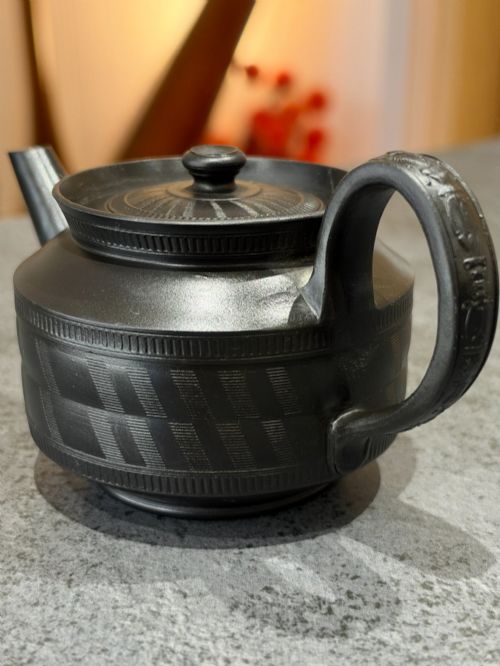
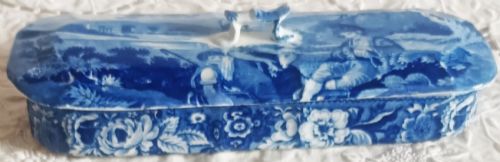
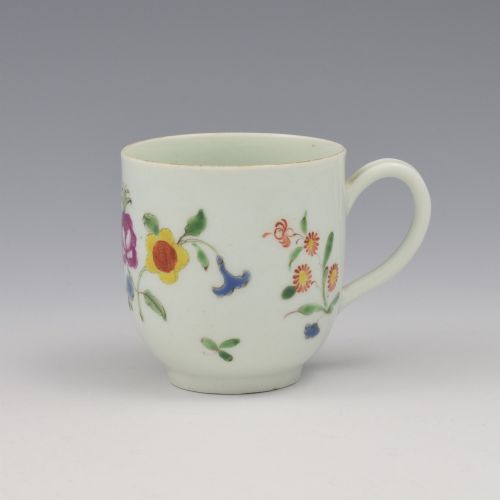
Georgian ceramic ware encompasses domestic pottery and porcelain items produced across the eighteenth and nineteenth centuries, including utilitarian vessels and decorative tableware. Buyers searching for georgian ceramic ware encounter functional items such as mugs, tankards, coffee cups, pepper pots, and desk accessories like pounce pots and toothbrush boxes.
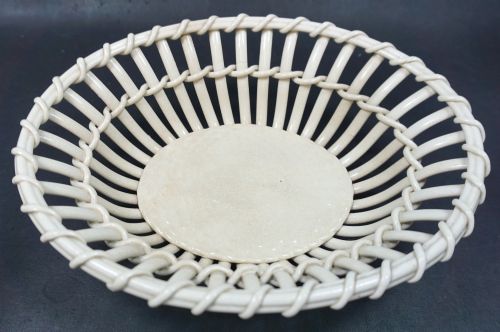
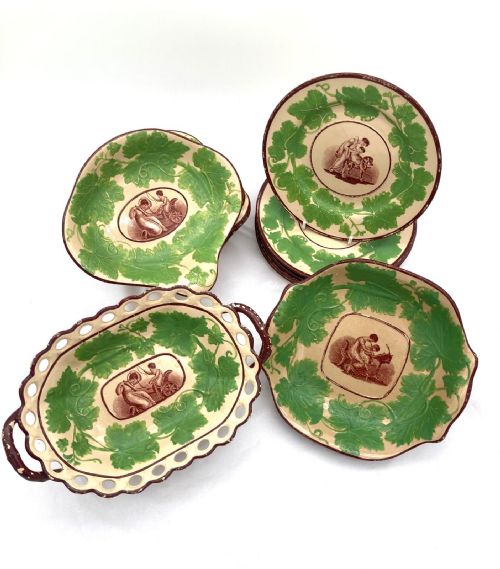
Tableware forms also appear in the current selection, featuring dessert services, decorative trays, and decorative baskets. Earthenware and pearlware dominate the material record alongside porcelain, spanning periods from the eighteenth century through the nineteenth century.
How they were made
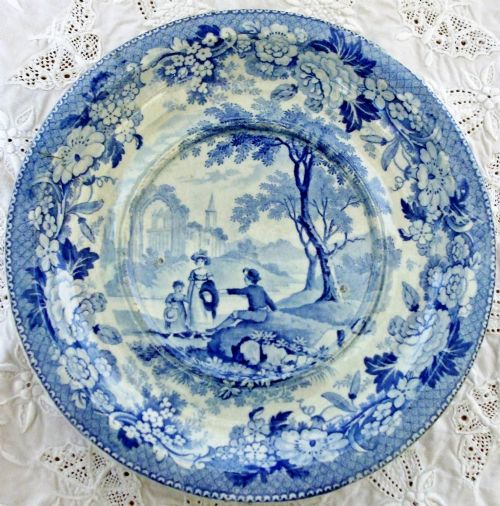
Makers utilised earthenware, pearlware, and porcelain bodies, shaping them into domestic vessels and tableware through moulding and throwing techniques. Decoration relied upon blue and white transfer printing, lead glaze, enamel, and underglaze oxides to apply patterns such as floral motifs and pictorial scenes.
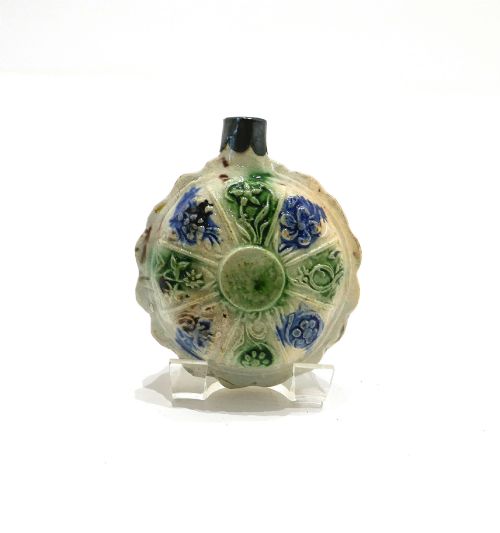
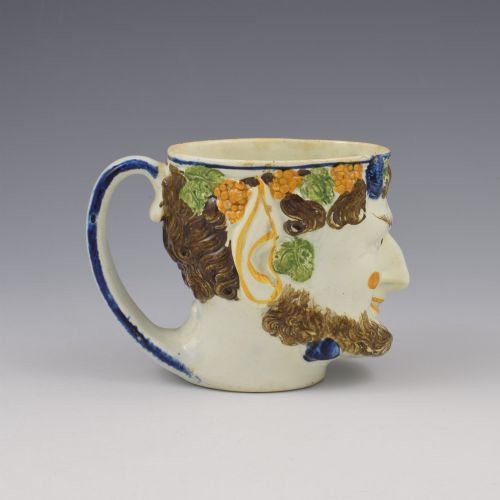
Potters employed specialised techniques like moulded relief work for flasks and figures, whilst others applied hand-painted cobalt blue or polychrome enamels over a white glaze. Ironstone and creamware formulations provided durable alternatives for heavier items such as soap dishes and tureens.
Georgian Ceramic Ware Retail Price Guide 2026
Typical asking prices for georgian ceramic ware among the pieces listed under this phrase on Sellingantiques today, from the lower quarter to the upper quarter. They describe what is for sale here now, not the wider market.
Listings feature 19th Century, 1800, 18th Century, and Georgian periods alongside Earthenware, Pearlware, and Porcelain materials.
What varies in quality
Quality in georgian ceramic ware rests on the crispness of moulded relief details and the precision of transfer printing or hand-painting. Pieces with sharply defined transfer lines and cleanly applied underglaze oxides demonstrate superior workshop execution.
The sophistication of the glaze and the refinement of the ceramic body distinguish standard utilitarian objects from finely potted porcelain cups and decorative baskets. Potteries achieved different levels of finesse through body preparation and kiln management.
Richard Chaffers·Wedgwood·John Rogers and Son
The Georgian Ceramic Ware Glossary
- Pearlware
- A refined earthenware developed in the late eighteenth century featuring a subtle bluish glaze that pooled in recesses to mimic Chinese porcelain. It served as a popular canvas for blue and white transfer printing.
- Transfer ware
- Pottery decorated by applying a printed design from a copper plate onto paper and then transferring the ink onto the ceramic surface before glazing. This technique allowed intricate patterns to be produced consistently.
- Prattware
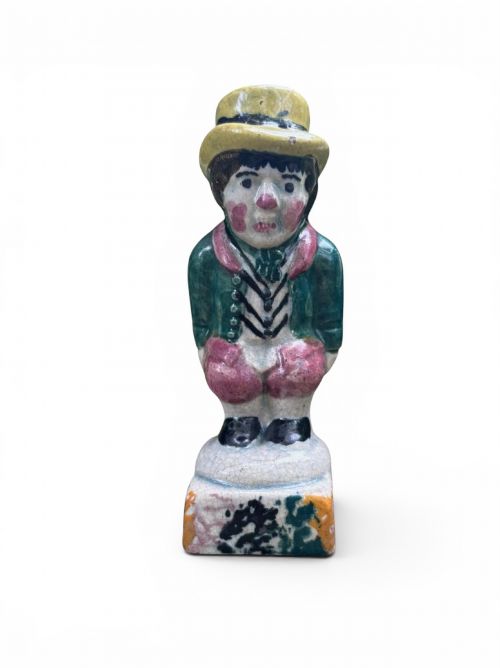
- A type of English earthenware from the late eighteenth and early nineteenth centuries characterised by underglaze colour applications of blue, ochre, brown, and green. It is frequently associated with moulded relief jugs, flasks, and small figures.
- Creamware
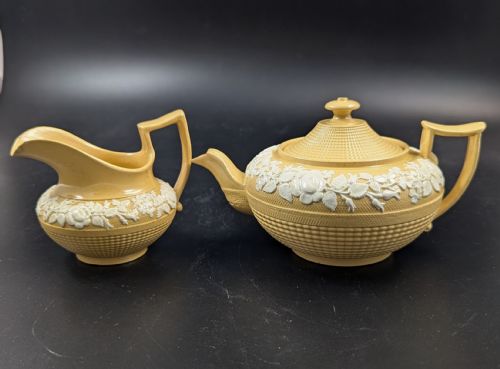
- A fine light-coloured earthenware perfected by Josiah Wedgwood and others, valued for its warm buttery tone and utility for table services. It offered a lighter and more refined alternative to heavier salt-glazed stonewares.
- Pounce pot
- A small desk accessory perforated on top, used to sprinkle sand or gum sandarac powder over freshly written ink to dry it. These containers formed part of traditional writing sets alongside inkwells.
Georgian Ceramic Ware: Frequently Asked Questions
What is pearlware?
Pearlware is a refined earthenware body developed to rival the whiteness of porcelain by adding a cobalt tint to the transparent lead glaze. This subtle blue pooling distinguishes it from earlier creamware.
Potters used pearlware extensively for blue and white printed tablewares and brightly coloured figures throughout the late eighteenth and early nineteenth centuries.
How do I use a pounce pot?
A pounce pot held fine powder used in historical writing practices to blot and dry wet ink on paper before blotting paper became common. You would shake the perforated container gently over the handwritten page.
Today these small ceramic vessels function as decorative desk accessories or cabinet pieces rather than functional stationery.
What is transfer printing?
Transfer printing is a decoration technique where an engraved copper plate transfers a design onto tissue paper, which is then pressed onto the unfired ceramic body. This method replaced tedious hand-painting for complex pictorial scenes.
Blue and white patterns became widely accessible to households through this efficient industrial process during the Georgian period.
How do I tell creamware from pearlware?
Creamware exhibits a warm, buttery yellow tone across the body and glaze, reflecting its development as an improved earthenware in the eighteenth century. It lacks the bluish tint found in later wares.
Pearlware displays a noticeably whiter body with a characteristic pale blue pooling where the glaze settles in crevices and around moulded details.