

Georgian Cellarette Wine Cooler
A georgian cellarette wine cooler is a timber vessel built to hold bottles and ice at the dining table.
Georgian Cellarette Wine Cooler
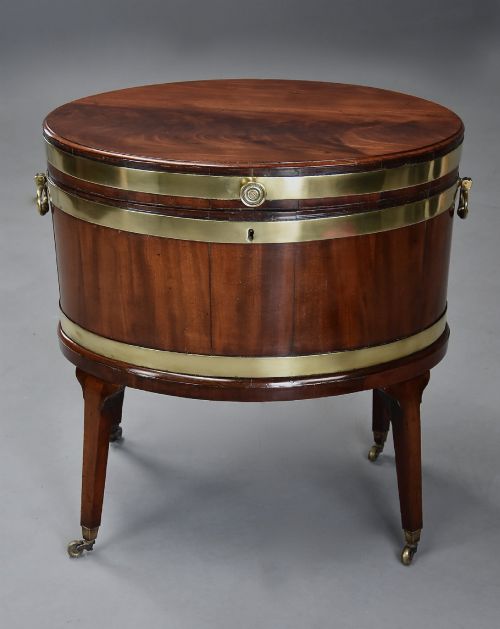
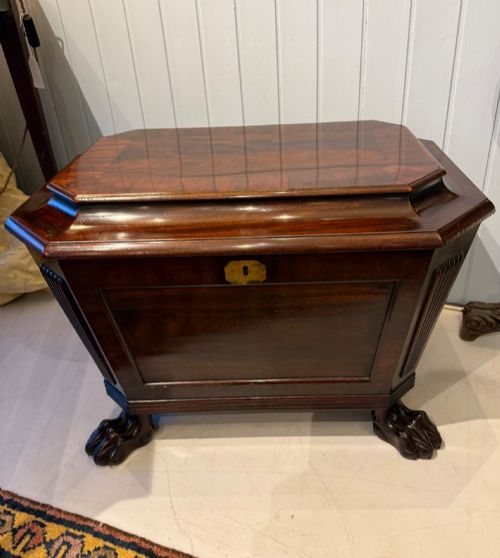
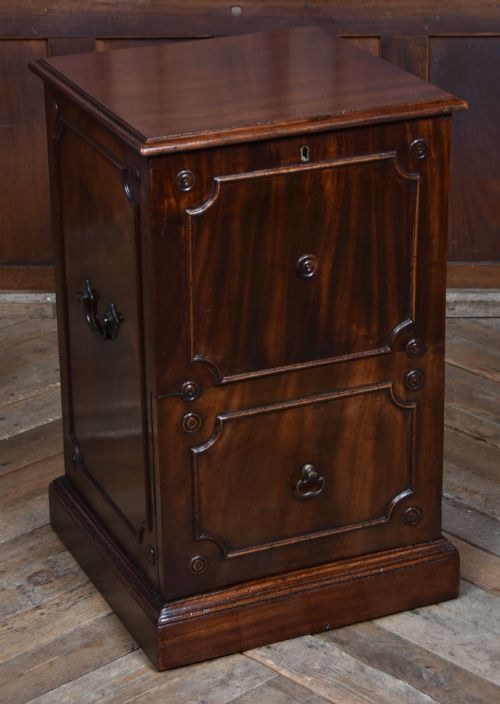
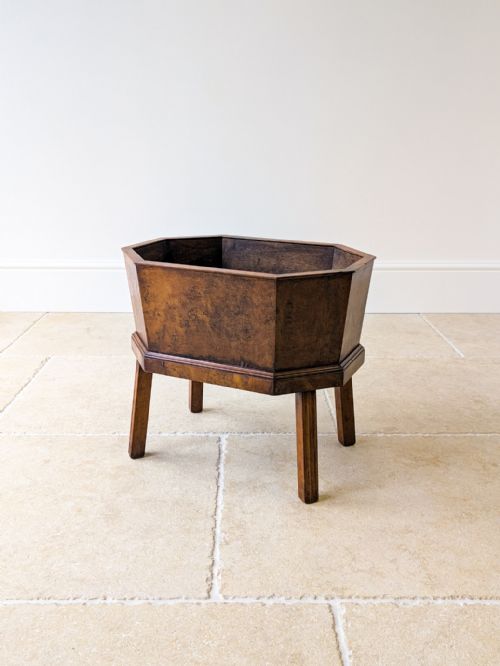
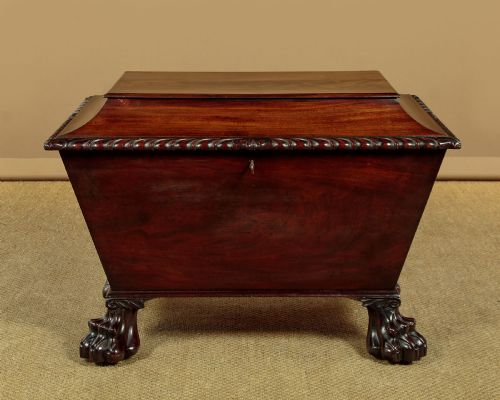
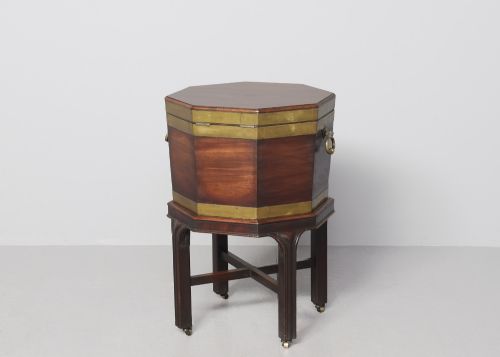
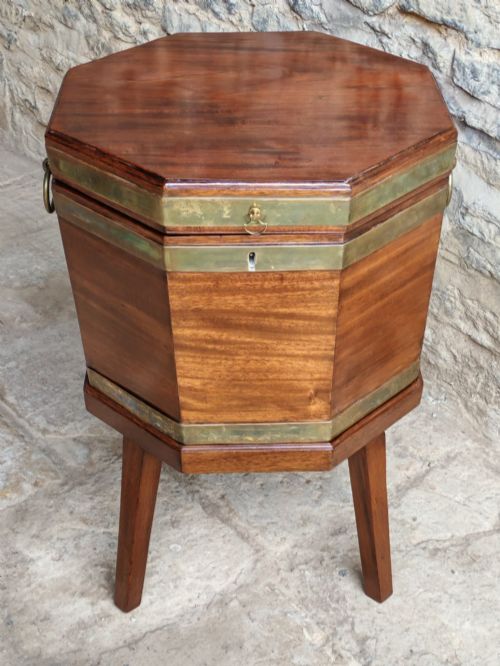
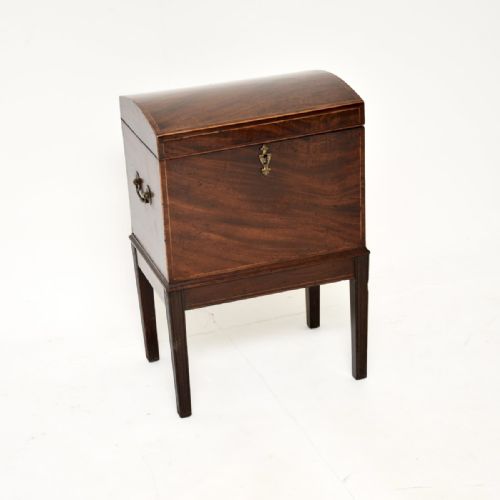
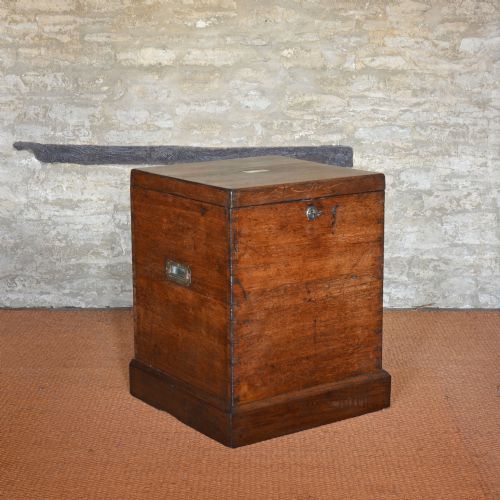
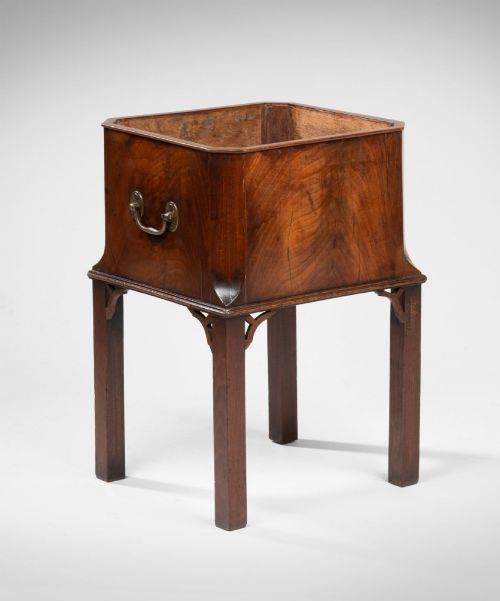
A georgian cellarette wine cooler stands on the floor or a low stand near the dining table, designed to keep vintage bottles chilled or secure. The pieces seen on this page span the 18th century, the Regency period, and later revivals, taking forms from octagonal boxes to sarcophagus shapes.
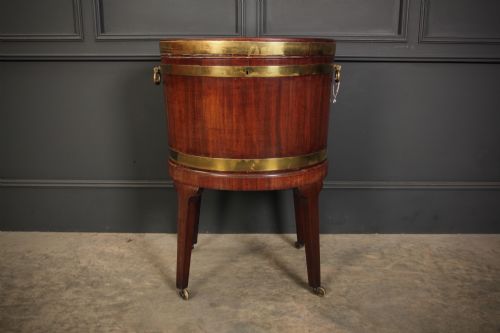
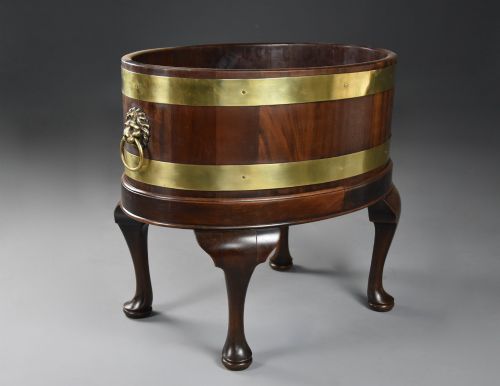
Makers working in mahogany and burr elm constructed these vessels to hold spirits and wine safely during long meals. Oval brass-bound forms and sarcophagus styles dominate the selection, often fitted with internal partitions or metal linings.
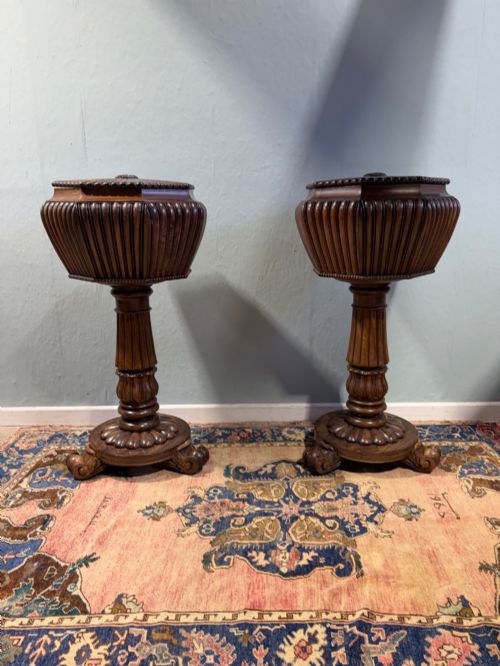
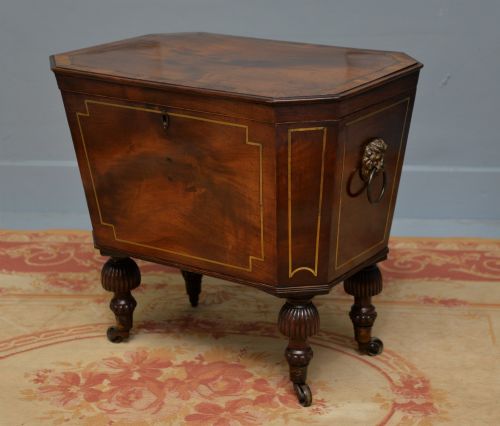
Buyers encounter variations ranging from campaign oak boxes to inlaid mahogany pedestals attributed to notable workshops. Each version reflects the dining customs of its era, serving either as a portable container or a stationary cellar chest.
Materials and construction
Cabinetmakers utilised dense timbers such as mahogany, pollard oak, and walnut, often accentuating the grain with boxwood stringing or brass inlay. Metal components played a crucial functional role, with brass bands securing the staves of oval and octagonal vessels.
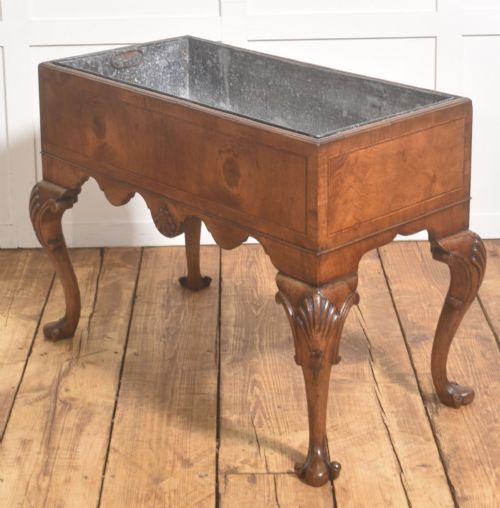
Interiors required specialised linings to hold ice and water without damaging the surrounding timber. Lead and zinc linings protected the wood from moisture, while internal divisions kept individual bottles separated during movement.
Georgian Cellarette Wine Cooler Retail Price Guide 2026
Typical asking prices for georgian cellarette wine cooler among the pieces listed under this phrase on Sellingantiques today, from the lower quarter to the upper quarter. They describe what is for sale here now, not the wider market.
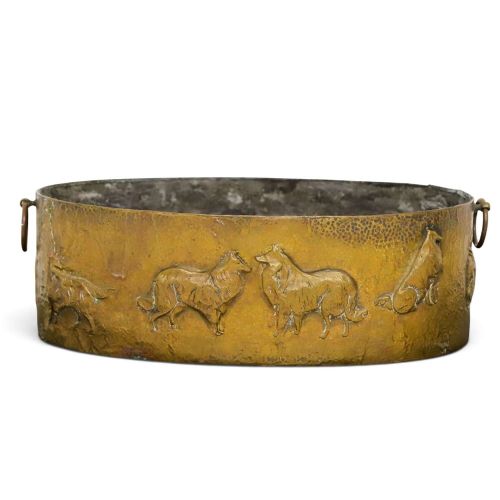
Some copper wine coolers feature decorative dog breeds embossed on the metal.
Judging quality and craftsmanship
Quality rests in the choice of timber and the precision of the cooperage or cabinet work. Flame mahogany and figured walnut display natural depth, while superior examples feature tight dovetail joints and well-fitted original interiors.
The sophistication of the mounts and hardware distinguishes finer specimens from standard utility pieces. Hand-beaten repoussé brass, crisp brass lion-mask ring handles, and intricate boxwood inlay elevate the stature of a piece.
Gillows·Warings and Gillow·Edwards and Roberts
The Georgian Cellarette Wine Cooler Glossary
- Cellarette
- A lockable container used for storing wine and spirits near the dining table. These vessels often feature internal dividers and secure lids.
- Sarcophagus
- A monumental coffin-like form with a steep-pitched lid, popular during the Regency period for large mahogany wine coolers. The silhouette draws upon classical architectural motifs.
- Repoussé
- Metalwork hammered into relief from the reverse side to create decorative patterns. This technique appears on decorative copper and brass wine cooler bodies.
- Patina
- The surface sheen and mellow colour developed by aged timber through handling and polishing over centuries. Fine patina indicates continuous care and original polish.
- Stave
- One of the narrow strips of wood fitted together to form the curved sides of an oval or octagonal vessel. Brass bands secure these staves tightly around the interior.
Georgian Cellarette Wine Cooler: Frequently Asked Questions
What is a georgian cellarette wine cooler used for?
These vessels were stationed beneath the dining sideboard or beside the table to chill wine bottles in ice during formal meals. They kept vintages close at hand while locking away spirits.
Interior partitions prevented glass bottles from striking one another as servants retrieved drinks throughout the evening.
How do I tell an original from a revival piece?
Examination of the timber shrinkage, interior linings, and construction marks reveals the true age of a piece. 18th-century and Regency examples show hand-cut dovetails and period fixings.
Revival pieces from later eras often employ machine-cut elements and lack the natural surface wear of early dining room service.
How should I care for timber and metal linings?
Maintain the wood with traditional beeswax polish rather than modern silicone sprays to preserve the natural surface finish. Keep the interior clean and dry if using the vessel for display.
Avoid placing damp items directly onto unlined antique wood to prevent water staining the grain.
Where should I place a cellarette in a modern home?
A low sarcophagus or pedestal form suits a living room corner, hallway, or dining space as a striking focal point. Many owners utilise them to store books, blankets, or modern wine collections.
Their substantial proportions allow them to function independently without requiring a matching sideboard.