




Georgian Carved Wall Rack
A georgian carved wall rack brings honest historic timber and practical storage into a room, offering genuine period character for daily display.
Georgian Carved Wall Rack
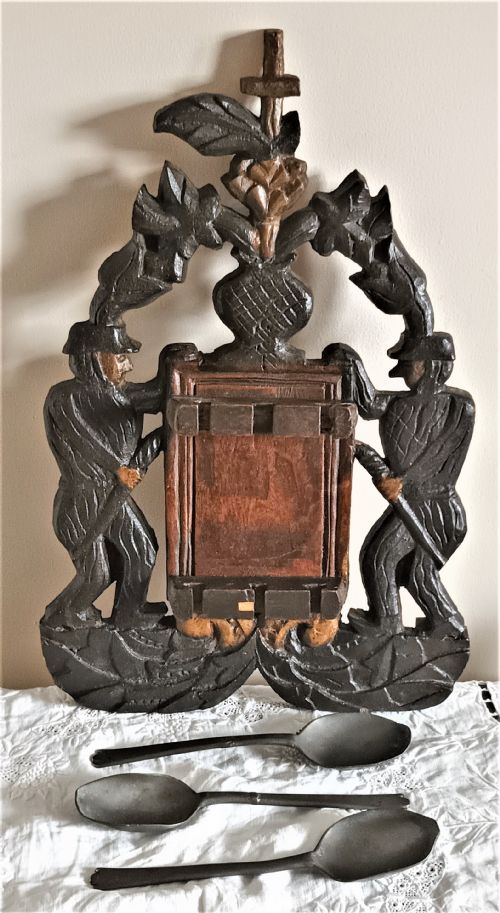
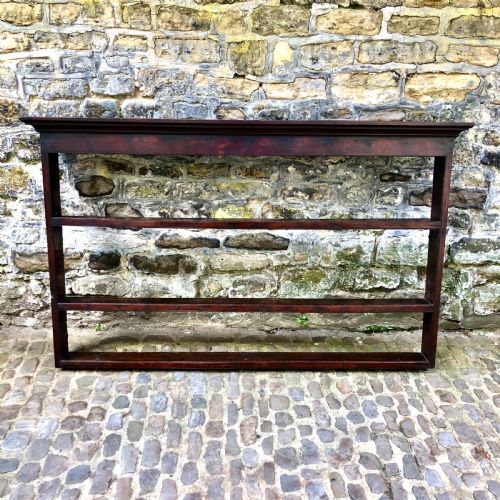
When you search for a georgian carved wall rack, you encounter wall-mounted wooden pieces designed for displaying plates, spoons, and household goods. These items organise domestic spaces while adding authentic eighteenth-century presence to kitchen and dining areas.
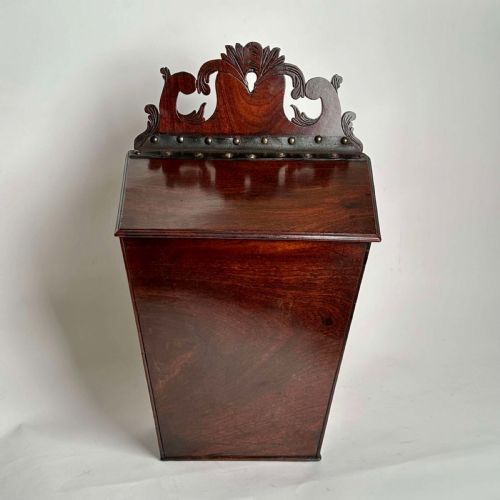
The selections on this page centre primarily on plate racks and spoon racks executed in oak and pine. Alongside these, related forms such as mahogany cutlery boxes and hanging wall shelves appear frequently within the country furniture tradition.
Originating largely from English and Welsh rural workshops, these pieces bridge utility and decorative folk art. Their enduring appeal lies in how comfortably they integrate historic timber into contemporary homes.
Materials and construction
Makers relied heavily on solid oak and pine, shaping timbers using hand tools to create sturdy plate rails and hanging boards. Brass and pewter details frequently accompany the woodwork, appearing as original hanging loops or associated spoons.
Construction methods reflect vernacular cabinetmaking, utilising pegged joints and simple housings rather than complex machinery. Details such as fretwork panels and Corinthian columns display regional decorative flair applied to functional forms.
Georgian Carved Wall Rack Retail Price Guide 2026
Typical asking prices for georgian carved wall rack among the pieces listed under this phrase on Sellingantiques today, from the lower quarter to the upper quarter. They describe what is for sale here now, not the wider market.
Assessing quality and character
Quality rests in the integrity of the timber and the depth of the surface patination accumulated over centuries. Untouched boards with rich grain and honest wear distinguish superior examples from heavily restored or later constructed items.
The ambition of the ornamentation also defines the piece, moving from plain utilitarian plate rails to versions featuring fretwork or architectural columns. Finer craftsmanship balances structural robustness with delicate decorative proportions.
The Georgian Carved Wall Rack Glossary
- Delft rack
- A wall-mounted wooden shelving unit specifically designed for displaying ceramic plates and chargers. These pieces keep ceramics visible and secure in the domestic kitchen.
- Spoon rack
- A narrow wall fixture featuring slots or notches to display spoons vertically. They often include a small box or till at the base for smaller implements.
- Fretwork
- Openwork ornamentation cut into thin boards using a saw. This technique adds decorative lightness to cornices and aprons on country furniture.
- Trefid spoon
- An early form of dining spoon featuring a broad, three-lobed terminal handle. They frequently accompany period spoon racks as period-appropriate additions.
- Patina
- The lustrous surface sheen developed on wood through decades of handling, polishing, and environmental exposure. It serves as a visual indicator of age and authenticity.
Georgian Carved Wall Rack: Frequently Asked Questions
What is a georgian carved wall rack used for?
These pieces were built to hold ceramic plates, platters, and cutlery within easy reach in domestic kitchens and dining rooms. They combined secure wall storage with an organised display for household tableware.
Today, they serve the exact same function while introducing historic texture and warmth to modern walls. They provide practical display space for pottery and collections without occupying floor area.
How do I date an oak wall rack?
Dating relies on examining the construction marks, timber preparation methods, and style of any decorative carving. Hand-sawn board marks and pegged joinery point directly to eighteenth-century vernacular practices.
Hardware elements like brass fixings and the specific form of fretwork or columns also help narrow the decade of origin. Comparing the timber shrinkage and surface wear to known period pieces confirms the timeline.
Where were these wall racks made?
Most examples originated in regional English and Welsh country workshops rather than high-end London cabinetmaker studios. Local joiners utilised native timbers available in their immediate surroundings.
This regional independence resulted in varied regional characteristics, such as specific Welsh fretwork patterns or English oak framing. These local traits give each piece a distinct geographical identity.
How should I hang a heavy antique rack?
Due to the weight of solid oak and centuries-old timber, secure wall fixings into structural studs or masonry are essential. Hanging requires using sturdy brackets or original mounting points capable of supporting the loaded weight.
Distributing the load evenly prevents stress on historic joints when plates and mugs are placed on the shelves. Consulting a professional installer ensures the piece remains safely secured.
What is the difference between a plate rack and a delft rack?
A plate rack typically focuses on vertical slats and rails designed to hold plates upright on display. A delft rack often incorporates enclosed shelving or display tiers specifically for tin-glazed earthenware.
Both terms describe wall-mounted storage, but delft racks frequently highlight decorative architectural elements like columns or fretwork pelmets. Both forms belong to the broader category of country wall furniture.