



Antique Country Kitchenalia
Antique country kitchenalia brings utilitarian domestic history straight into modern spaces through honest materials and functional historic design.
Antique Country Kitchenalia
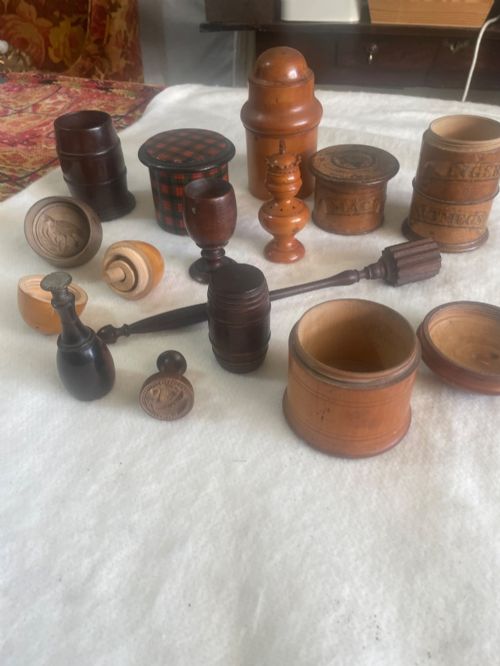
When you search for antique country kitchenalia, you are looking at utilitarian domestic objects fashioned for rural households during the eighteenth and nineteenth centuries. These pieces were made to perform daily kitchen tasks, resulting in robust forms shaped entirely by their intended function.
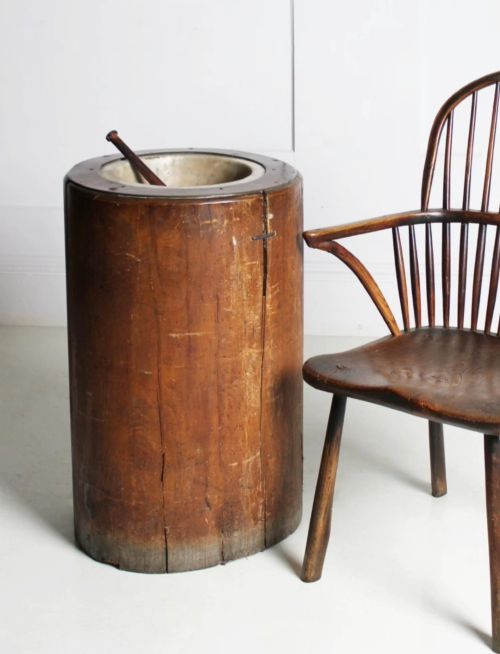
Rural makers designed these objects for endurance rather than display, utilising local timber and basic metals to equip working hearths and dairies. This heritage gives each surviving vessel a direct connection to historical domestic life.
How these pieces were made
Iron hardware, such as hinges and brackets, was forged by local blacksmiths to reinforce wooden salt boxes and cheese presses. Surviving traces of red paint and original paper labels occasionally remain on these surfaces, recording earlier layers of workshop or household history.
Antique Country Kitchenalia Retail Price Guide 2026
Typical asking prices for country kitchenalia among the pieces listed under this phrase on Sellingantiques today, from the lower quarter to the upper quarter. They describe what is for sale here now, not the wider market.
What separates the best from the rest
Quality in this field rests upon the integrity of the material and the survival of original surface details, such as old paint traces or untouched iron hardware. Pieces that retain their working components and authentic patination from decades of use command greater appreciation.
Simplicity of line and honest proportion distinguish superior vernacular items from ordinary utilitarian wares. The relationship between the maker's hand and the worn timber defines the character of the finest surviving examples.
The Antique Country Kitchenalia Glossary
- Treen
- Small handmade wooden domestic objects. This term encompasses turned vessels, spice towers, and treen kitchenware shaped for daily household use.
- Dairy bowl
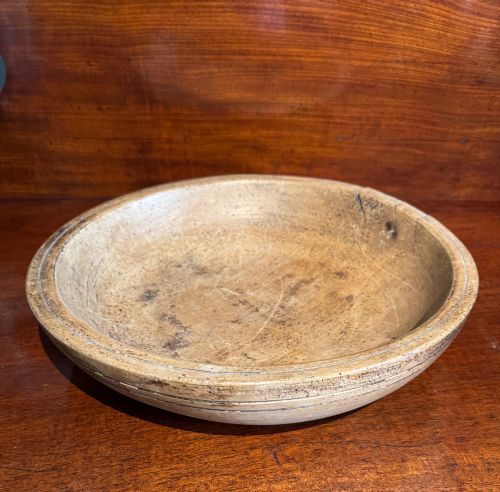
- A wide wooden vessel used in butter and cheese making. Sycamore was commonly chosen for these bowls because it does not taint milk.
- Salt box
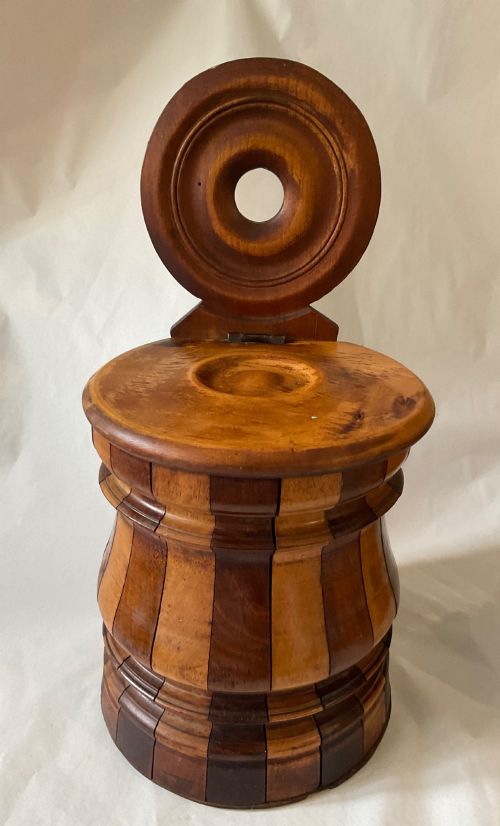
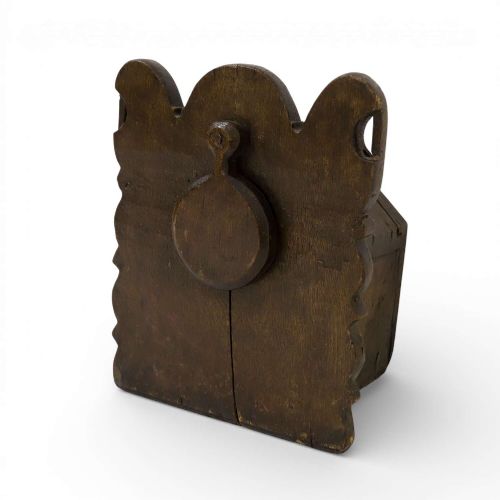
- A wall-hung container designed to keep salt dry near the hearth. They often feature hinged wooden lids and original iron hanging loops.
- Vernacular
- Everyday architecture and objects built by local craftspeople using regional traditions. These pieces prioritise practical function over high-style academic design.
Antique Country Kitchenalia: Frequently Asked Questions
What is antique country kitchenalia?
Antique country kitchenalia comprises utilitarian household objects made for rural domestic work during the eighteenth and nineteenth centuries. These items include dairy bowls, salt boxes, and spice towers shaped from wood and iron.
Every piece was made for daily service in working kitchens, dairies, and pantries. Their design reflects regional traditions rather than fashionable urban trends.
How were wooden dairy bowls used?
Dairy bowls held milk during the skimming process to separate cream for butter and cheese making. Sycamore wood was preferred because it resists splitting and leaves no taste in dairy produce.
After use, these bowls were scrubbed clean with water and sand, developing a pale, smooth surface over decades of washing.
How do I date antique treen?
Dating treen relies on tool marks, wood species, and signs of wear from handling and scrubbing. Earlier pieces often show the irregular impressions of pit saws or hand lathes.
Comparing the form to dated examples helps narrow down the period, though many vernacular objects changed very little over centuries of making.
How should I clean wooden kitchenalia?
Wooden kitchenalia requires minimal intervention to preserve its historic surface and accumulated patina. Wipe surfaces with a dry cloth and avoid harsh detergents or soaking.
Applying a light coat of neutral beeswax occasionally helps nourish dry timber without altering the historic finish or removing traces of original paint.