
Georgian Carved Desk
A georgian carved desk brings together solid timber and period craftsmanship, offering a practical workspace shaped by eighteenth-century design.
Georgian Carved Desk
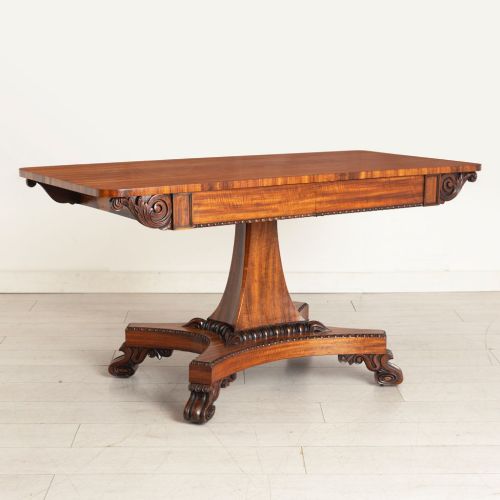
When you search for a georgian carved desk, you encounter writing tables, pedestal forms, and bureau desks spanning the eighteenth century and subsequent revival periods. These pieces provide a dedicated surface for correspondence and study, often incorporating drawers or compartments for papers.
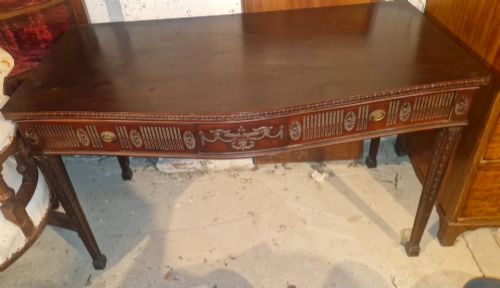
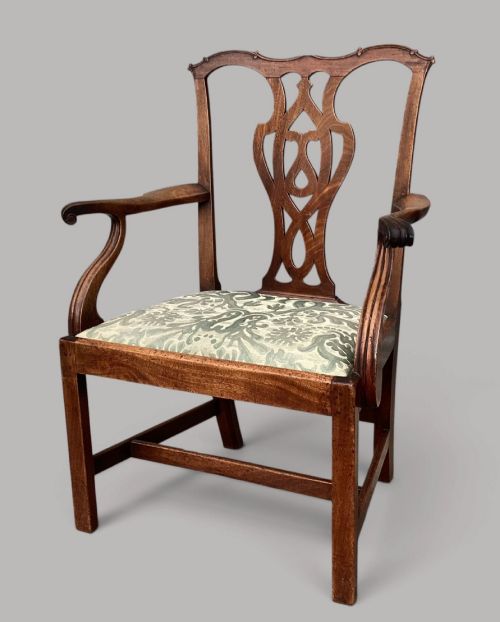
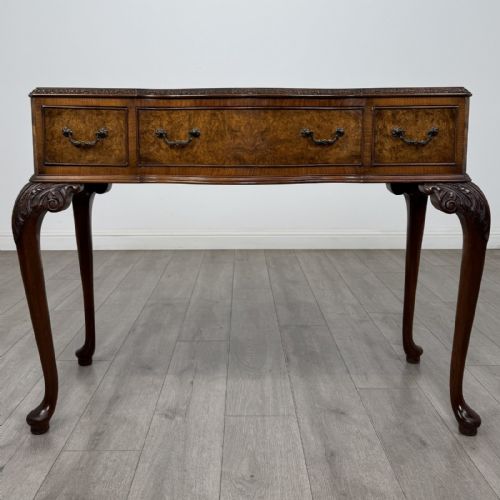
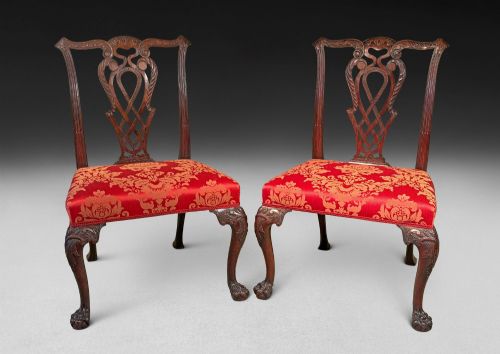
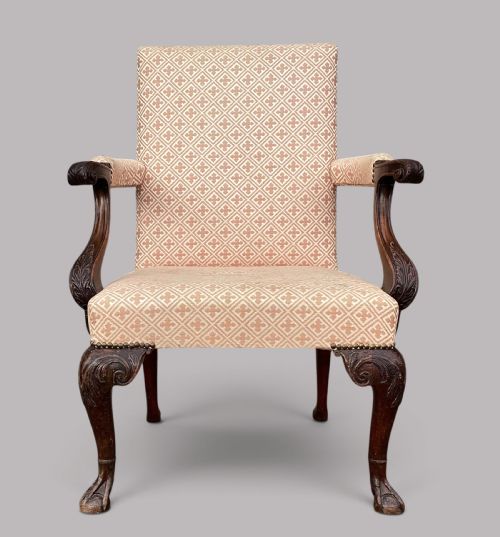
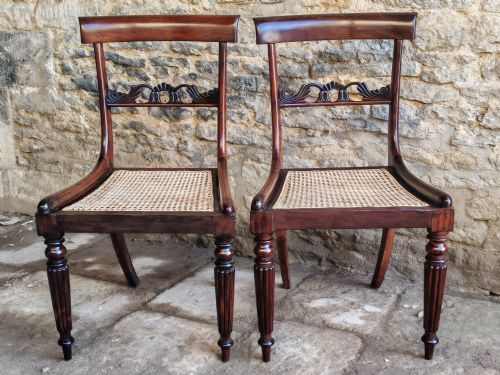
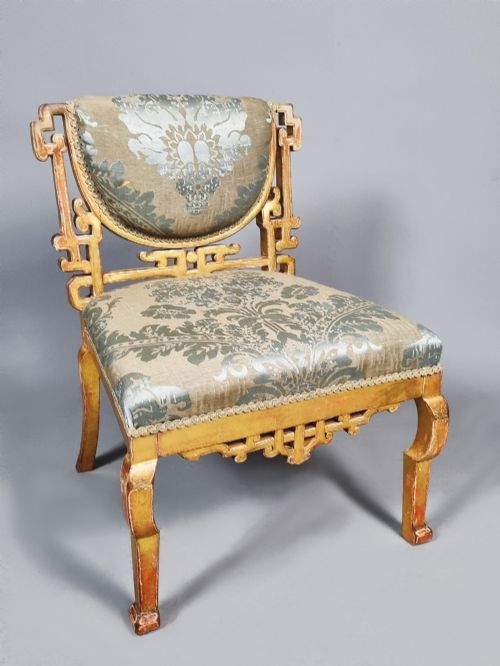
The selection ranges from oak bureau desks with fitted interiors to mahogany kneehole writing tables and library armchairs designed to accompany them. Oak and mahogany dominate the forms, frequently enriched with carved details along the edges and drawer fronts.
How they were made
Cabinet makers utilised dense hardwoods such as mahogany, oak, and walnut, selecting timber for strength and grain pattern. Surfaces were constructed using traditional joinery methods, including dovetail joints for drawer construction and mortise and tenon frames.
Carving was executed by hand directly into the solid timber or onto applied mouldings. Leather inserts were frequently incorporated into the writing surfaces, secured with blind tooling.
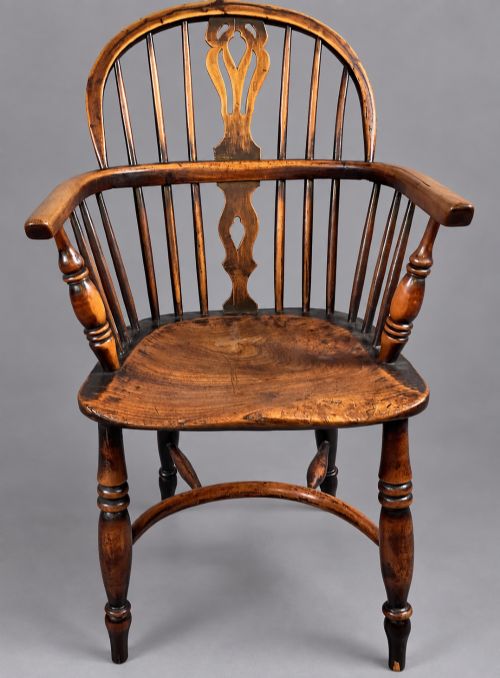
The archive includes oak bureau desks alongside mahogany kneehole writing tables and library chairs.
What varies in quality
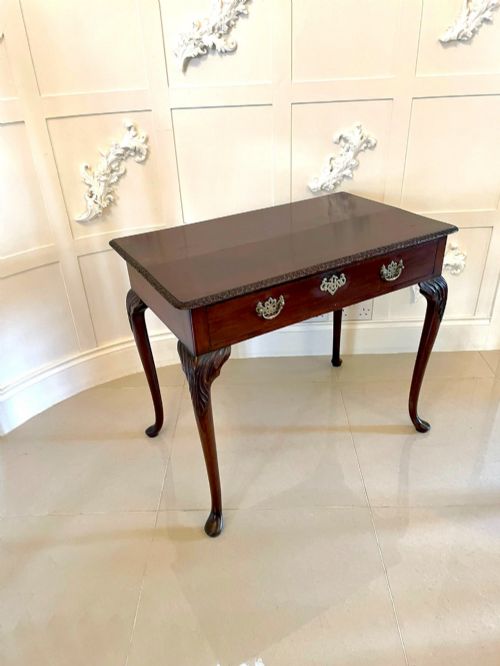
The refinement of the carving dictates much of the distinction between pieces, moving from simple linear mouldings to elaborate blind fretwork and acanthus leaf motifs. Crispness in the chisel work and depth in the relief show the hand of a skilled artisan.
Timber selection and secondary wood usage also separate workshops, with figured mahogany and burr walnut reserved for principal surfaces. The retention of original brass hardware and fitted internal compartments adds to the integrity of the piece.
Gillows
The Georgian Carved Desk Glossary
- Bureau desk
- A form featuring a sloping fall-front that opens to reveal a cluster of small drawers and pigeonholes.
- Kneehole desk
- A compact writing table with a central recess for the user's legs, flanked by pedestals of small drawers.
- Lowboy
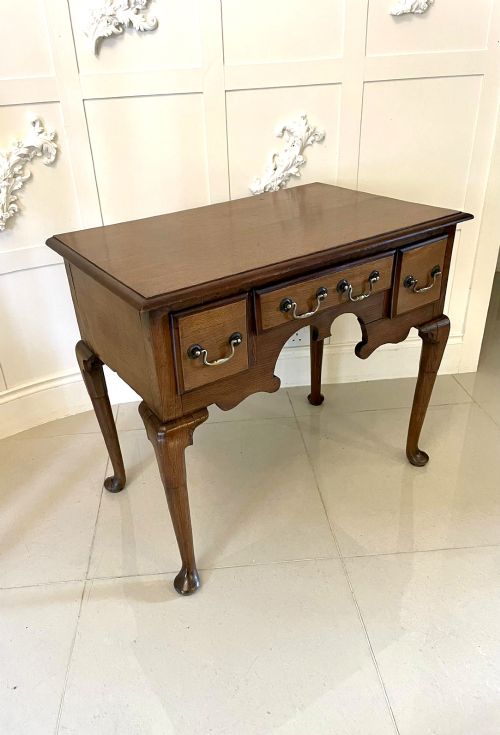
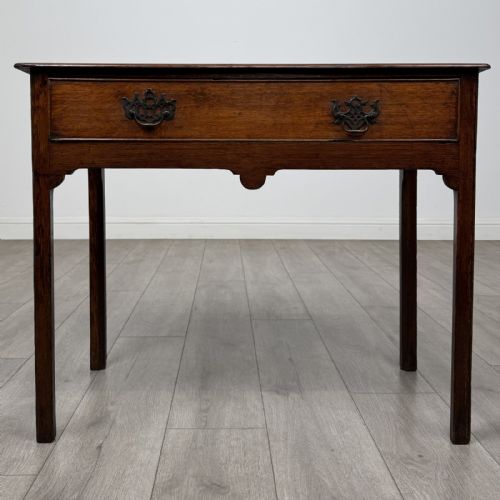
- A small side table with one or more rows of drawers beneath the top, frequently utilised for writing.
- Gainsborough chair
- A wide, upholstered armchair with open arms, designed specifically for writing tables and desks during the eighteenth century.
Georgian Carved Desk: Frequently Asked Questions
How do I identify a genuine georgian carved desk?
Examine the construction methods, timber choice, and tool marks visible on secondary woods inside the drawers. Eighteenth-century pieces generally show hand-cut dovetails and timber shrinkage consistent with age.
Compare the carving style against documented examples from the period. Revival pieces from later centuries often display machine-assisted precision or different secondary timbers.
Where should I place a kneehole desk in a room?
Kneehole desks function well against a wall or positioned freestanding if the reverse side is finished with panelling. Consider natural light sources from a window to illuminate the writing surface properly.
Ensure adequate clearance behind the desk for a matching armchair or library chair. Keeping the piece away from direct heat sources protects the timber and leather surfaces.
How should I care for the leather writing surface?
Clean the leather gently using a dry or barely damp cloth to remove dust. Avoid chemical solvents that can strip the original polish and tooling.
Apply specialised leather balms sparingly to maintain suppleness and prevent cracking over time. Protect the surface from sharp objects and direct sunlight.