
Georgian Canvas Art
Georgian canvas art comprises oil paintings on canvas from the eighteenth and nineteenth centuries, offering collectors historical portraiture and landscape scenes.
Georgian Canvas Art
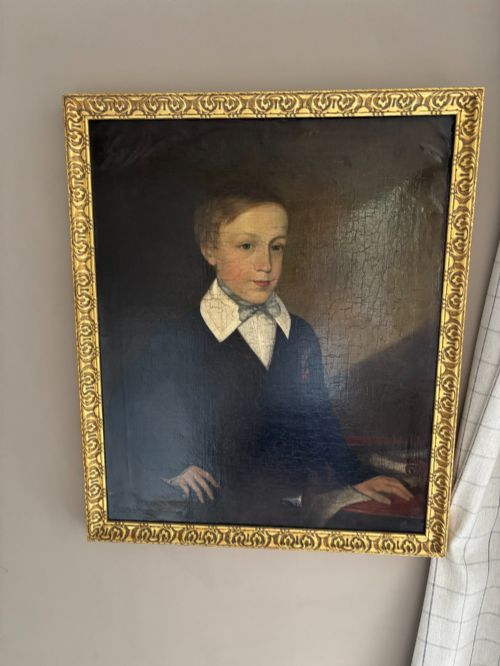
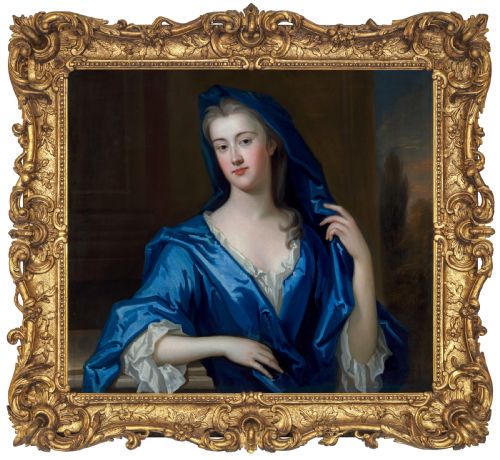
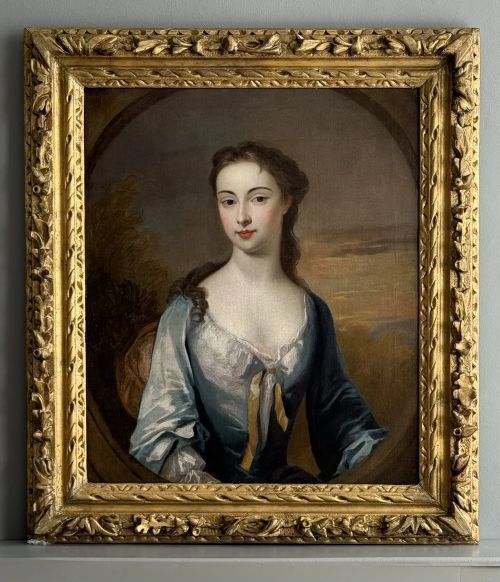
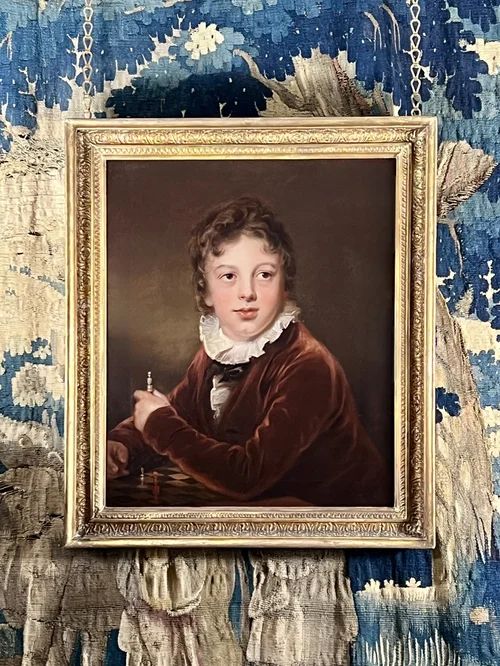
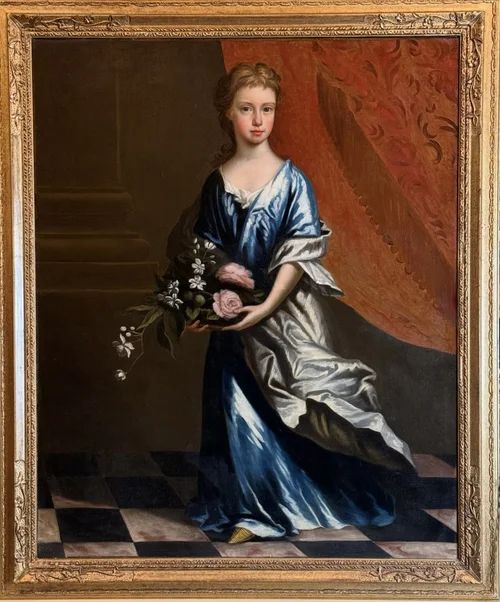
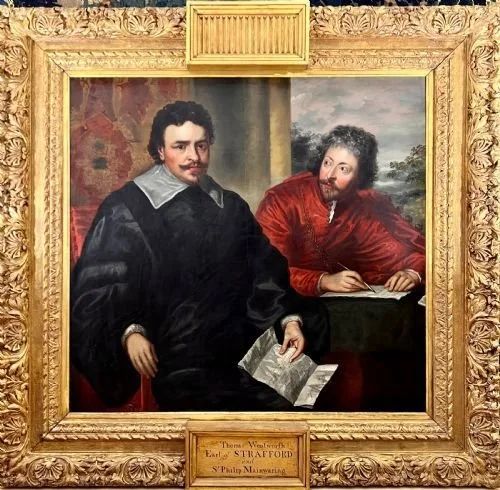
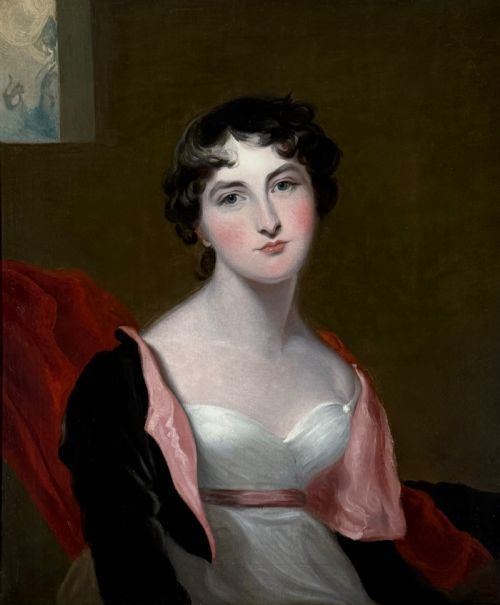
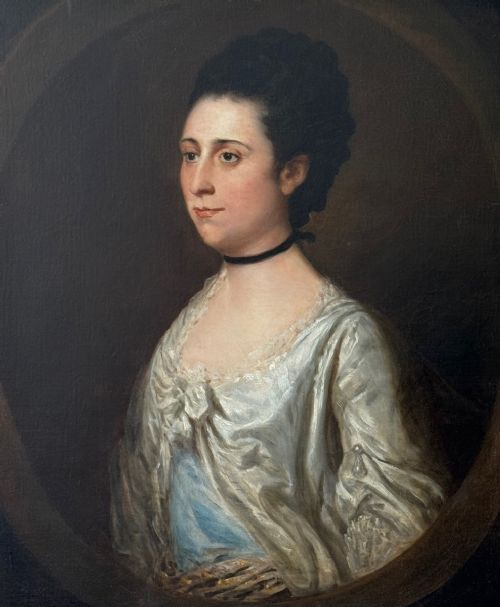
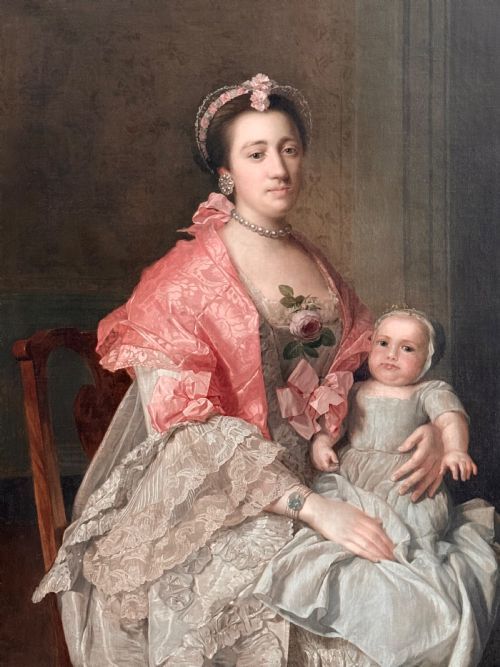
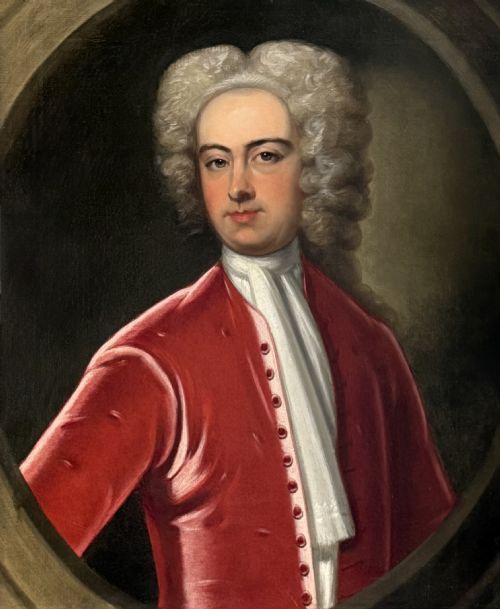
Georgian canvas art primarily consists of oil paintings created during the eighteenth and nineteenth centuries, capturing the likenesses of notable figures, officers, and country girls. These works span periods such as the Regency and Georgian eras, reflecting the aesthetic sensibilities of British portraiture and landscape traditions.
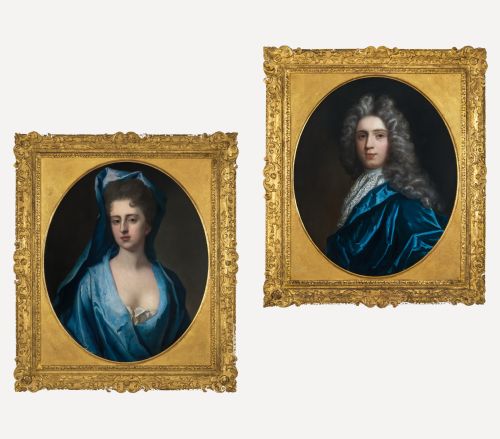
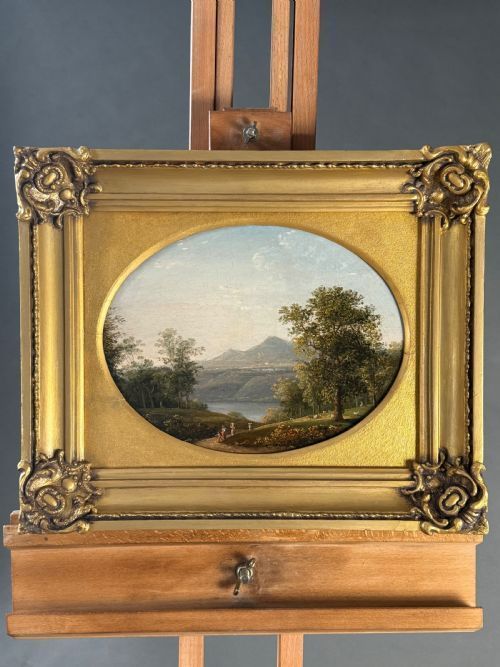
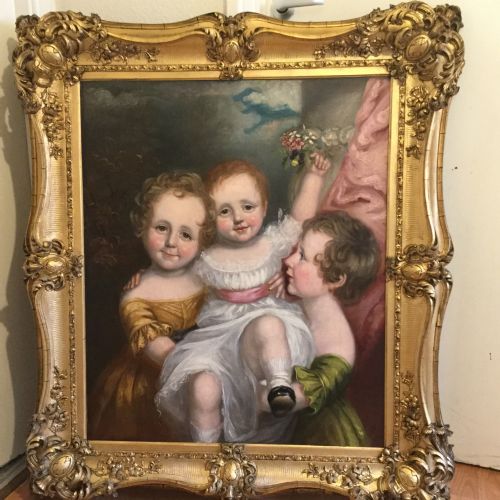
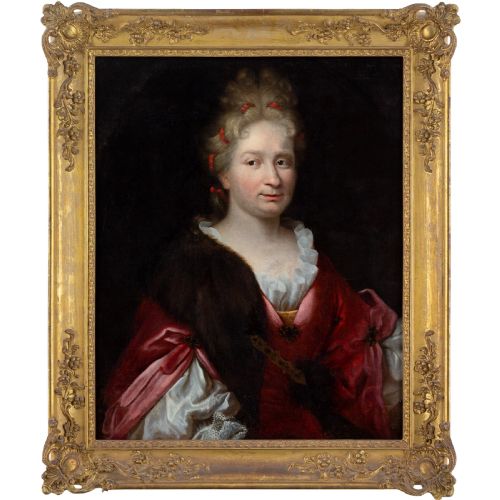
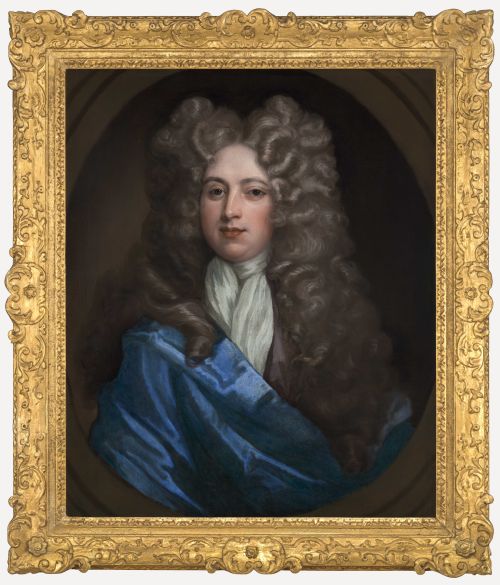
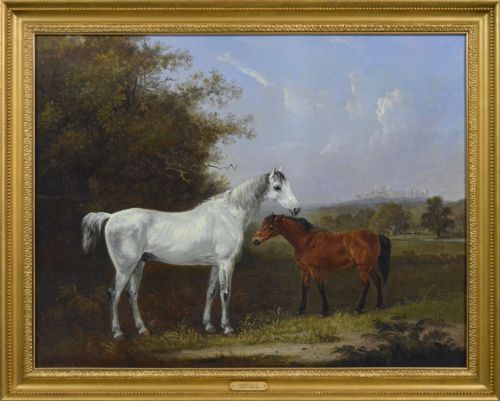
The most common subjects encountered in these listings are portrait paintings, ranging from individual oils of merchants and nobility to genre scenes and landscape depictions with cattle. Portraiture dominates the selection, often attributed to specific schools or followers of prominent artists from the period.
How They Were Made
These works are executed using oil paint applied to a woven canvas substrate, utilising mediums that allowed for rich layering and depth. Pigments were worked onto primed surfaces to capture subtle details in drapery, skin tones, and background foliage.
Many of the surviving pieces retain their period frames constructed from wood and giltwood, sometimes highlighted with gold leaf. The framing techniques complement the depth of the oil paintings while providing structural support to the stretched canvas.
Several portraits preserve the exact likeness of long-forgotten infantry officers, country girls, and notable merchants.
What Varies in Quality
Framing and preservation contribute significantly to the overall integrity of the piece. Original giltwood frames with intact moulding enhance the presentation, while canvases retaining stable paint layers without excessive overpainting represent higher standards of preservation.
Charles Jervas·Sir Joshua Reynolds·Jean Baptiste Van Loo·John Opie·Thomas Lawrence
The Georgian Canvas Art Glossary
- Oil on Canvas
- A painting medium where pigments are suspended in a drying oil and applied to a stretched woven fabric support. This combination allows for smooth blending and rich luminosity.
- Giltwood
- Wood that has been coated with a thin layer of gold leaf or metallic powder. It is commonly found on the ornate frames enclosing Georgian paintings.
- Genre Painting
- The pictorial representation of scenes from everyday life involving ordinary people. These works often depict figures engaged in common domestic or outdoor activities.
- Baroque
- An artistic style prevalent during the seventeenth and early eighteenth centuries characterised by drama, tension, and grand scale. It influenced the theatrical composition of many portraits from the era.
- Regency
- The period in British history from 1811 to 1820, alongside the broader stylistic era associated with it. Art from this time often shows refined neoclassical influences.
Georgian Canvas Art: Frequently Asked Questions
What subjects appear most frequently in Georgian canvas art?
Portrait paintings dominate the selection, featuring identifiable historical figures, military officers, and anonymous ladies in period dress. Landscapes with cattle and narrative genre scenes also form part of the recorded selection.
Commissioned portraits were a primary output for artists of the eighteenth and nineteenth centuries, preserving the appearances of families and nobility.
How do you identify a Regency period oil painting?
Regency paintings typically reflect the artistic styles popular during the early nineteenth century, showing softer lighting and refined clothing fashions distinct from earlier decades.
Artists working in this timeframe often adopted looser brushwork influenced by contemporary landscape and portrait traditions.
What materials were used for these painting frames?
Many frames associated with these works are constructed from wood finished with giltwood or gold leaf overlays. These materials provided an ornate boundary that complemented the dark tones of oil paintings.
Original frames often feature moulded detailing characteristic of eighteenth and nineteenth-century craftsmanship.
Can you find works by known artists from this period?
The listings include paintings created by named artists, studio members, and followers of prominent painters such as Sir Joshua Reynolds and Charles Jervas. Attribution ranges from direct works by the master to studio samples and pieces in the manner of specific schools.
These designations help contextualise the skill level and workshop practices behind each canvas.