

Georgian Cane Chair
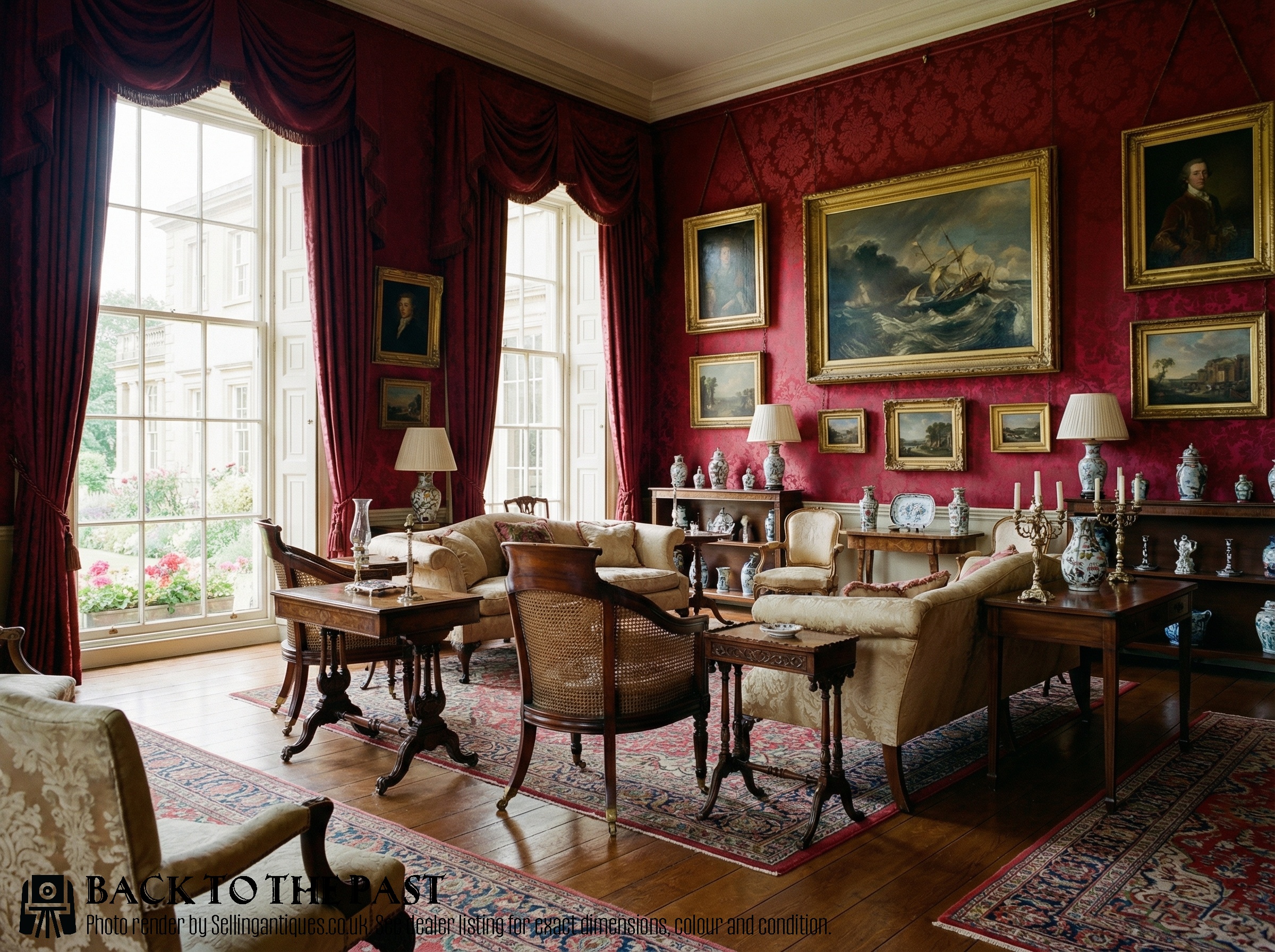
A georgian cane chair brings architectural grace to a room, offering woven seating that balances sturdiness with lightness.
Georgian Cane Chair
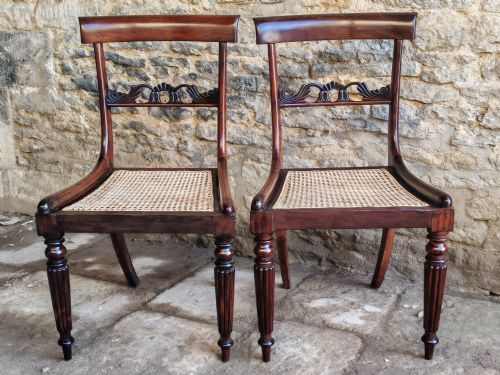
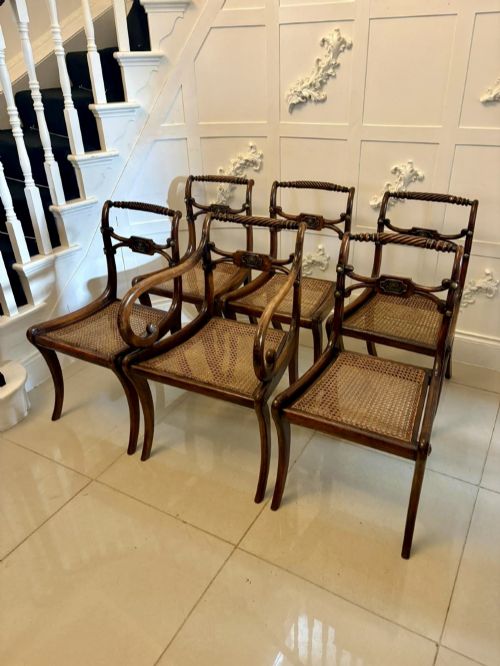
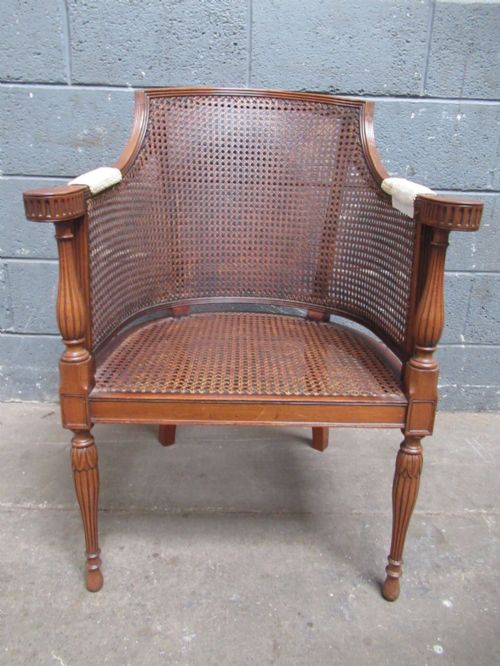
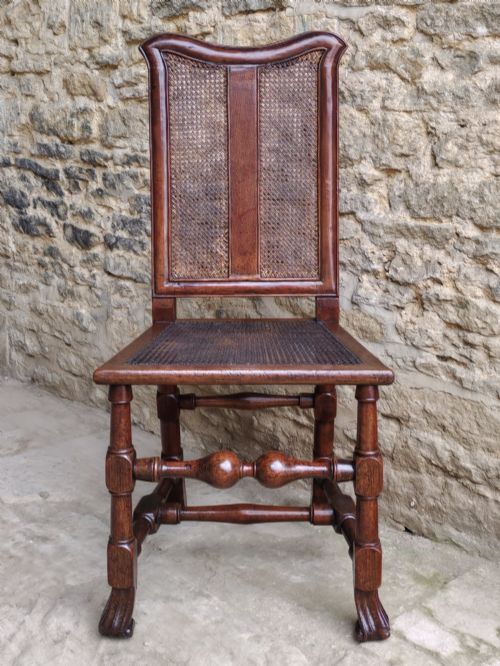
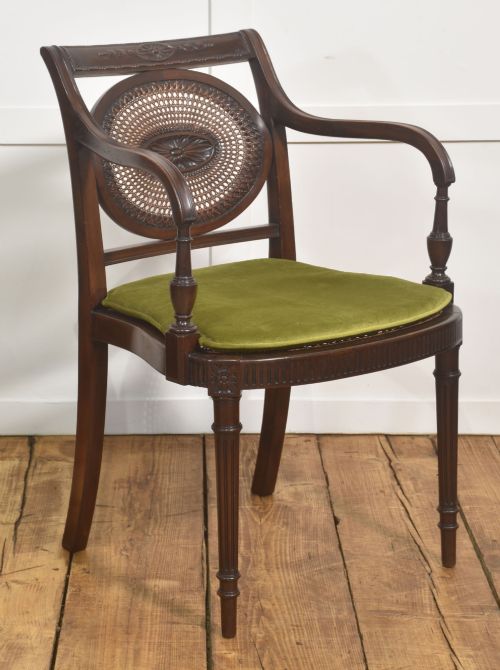
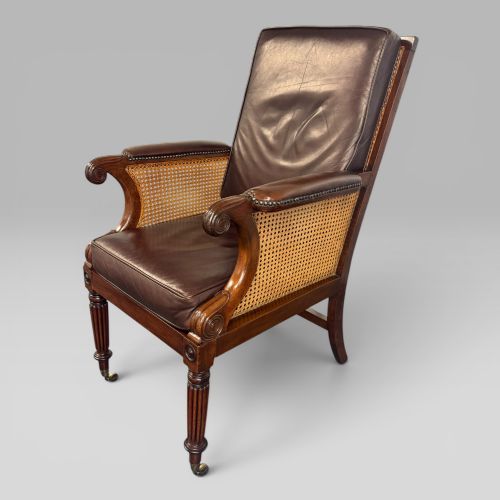
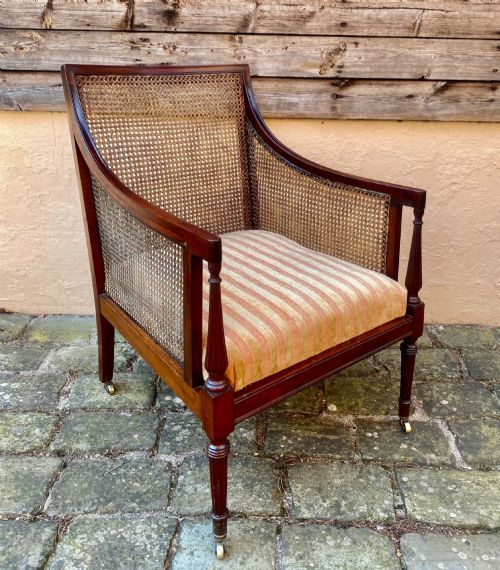
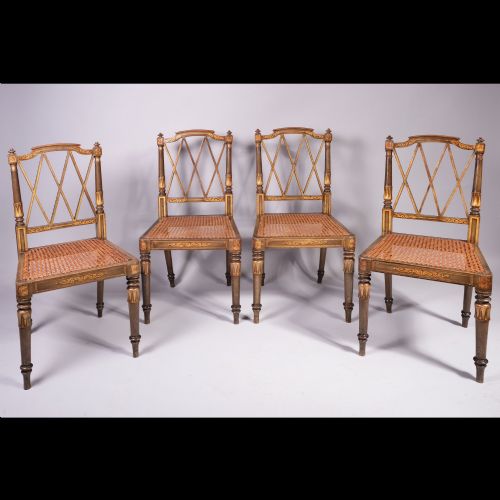
A georgian cane chair encompasses seating furniture featuring woven cane panels, predominantly appearing in dining chairs, side chairs, and library armchairs. The pieces on this page span several eras, with Regency examples, formal elbow chairs, and library bergères forming the core of the selection.
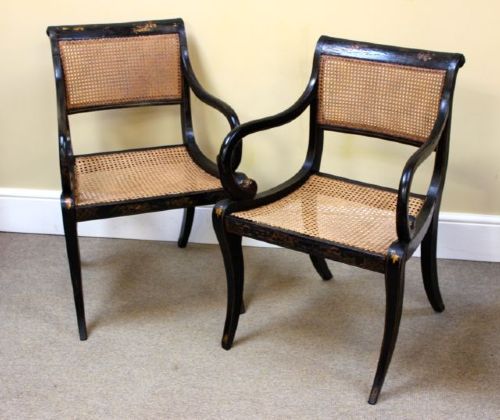
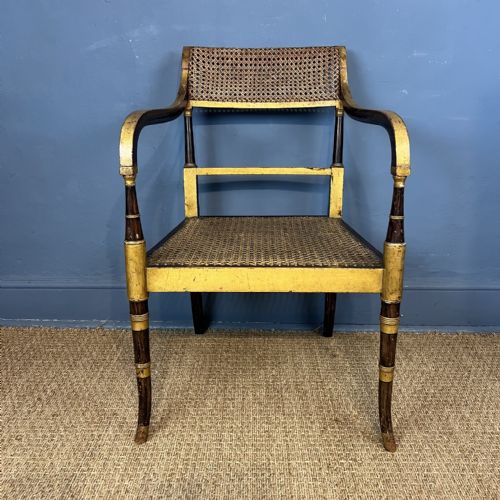
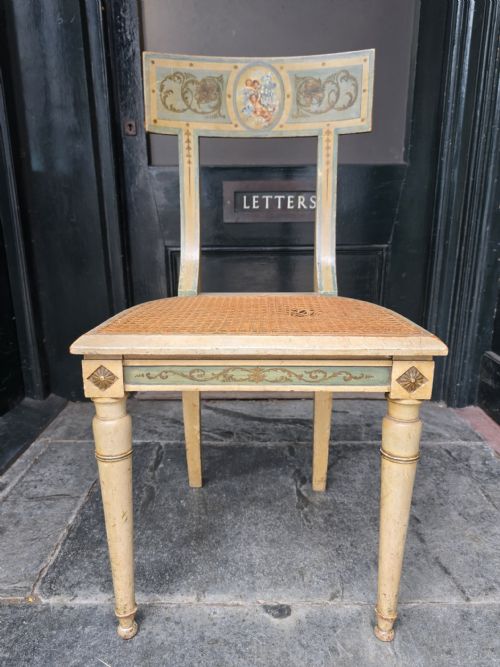
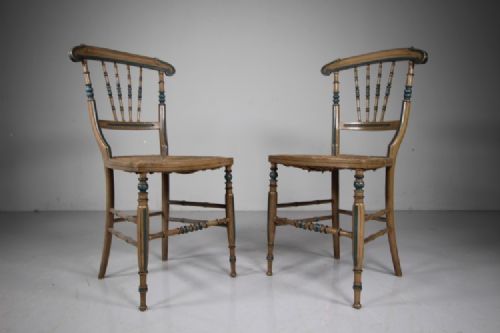
Buyers frequently encounter mahogany and rosewood frames alongside painted and decorated versions from the 18th and 19th centuries. Alongside standard seating, the listings include child armchairs, high chairs, and occasional bedroom chairs featuring woven cane seats and backs.
How they were made
Craftsmen built these chairs using solid timbers such as mahogany, rosewood, walnut, and painted woods, frequently incorporating brass details, leather, and fabric elements. The frames utilise traditional joinery to support the tension of the woven cane seat or back panel.
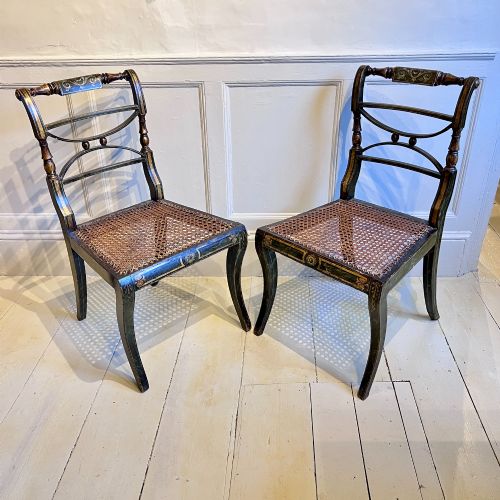
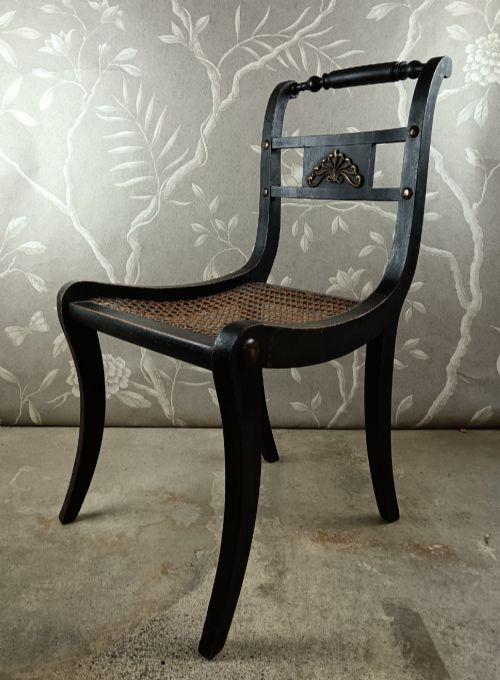
Makers shaped the wood into distinctive forms like sabre legs, shield backs, and tub designs, applying parcel gilt, ebonisation, or simulated rosewood paint finishes to achieve the desired aesthetic.
Materials documented across the pieces include mahogany, rosewood, walnut, brass, leather, and painted wood paired with traditional cane.
What varies in quality
The standard of a georgian cane chair rests upon the crispness of the timber carving and the integrity of the frame construction. Superior examples display refined proportions, well-executed decorative paintwork, or original brass mounts that complement the timber.
The preservation of the woven cane work and the harmony between the secondary woods and primary veneers dictate the overall distinction of the piece. Subtle details in the turning of the legs and the execution of the back rails separate ordinary seating from finer library and dining chairs.
Gillows
The Georgian Cane Chair Glossary
- Bergère
- An enclosed upholstered armchair, often featuring cane panels to the back and sides. This form became popular during the Regency period for library and drawing-room use.
- Caning
- A seating technique using woven rattan strips to create a flexible, breathable panel. It provides both structural support and decorative lightness to chairs.
- Carver
- An armchair designed to match a set of dining chairs, typically placed at the head of the table. These feature open elbows to accommodate formal attire.
- Sabre leg
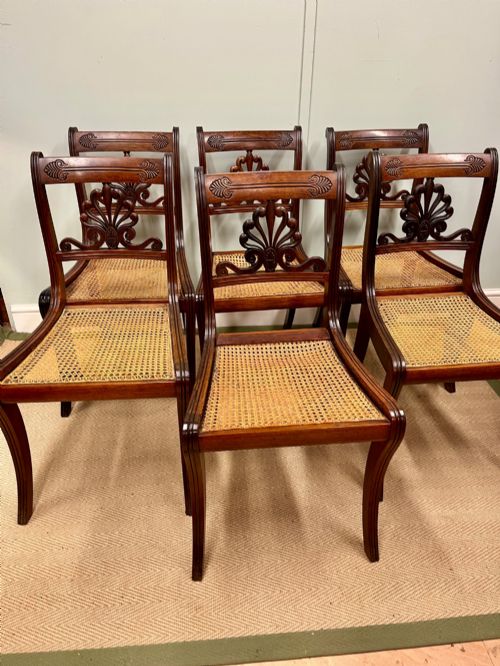
- A curved, tapered furniture leg that flares outward in a concave sweep. This design appears frequently on Regency chairs, imitating classical Greek furniture.
- Metamorphic
- Furniture engineered to transform into another functional object, such as a library armchair that converts into a set of steps. These ingenious pieces combine seating with utility.
Georgian Cane Chair: Frequently Asked Questions
Were these chairs used for dining?
Many examples on this page are specifically formed as dining chairs, often found in sets with matching single chairs and carvers. The woven cane seat provided a practical and resilient surface for daily meals.
While some feature plain mahogany frames, others display elaborate painted finishes or Sheraton Revival styling suited for formal dining rooms. The inclusion of cane kept the heavy timber frames visually light around the table.
How do I care for cane seats?
Cane seating requires moderate humidity to prevent the rattan material from becoming brittle and snapping under pressure. Keeping the chairs away from direct heat sources and harsh sunlight helps preserve the natural flexibility of the weave.
Cleaning should involve only a damp cloth to remove dust from the interstices, avoiding heavy polishes that clog the cane holes. Regular inspection ensures minor strains do not develop into larger tears across the panel.
What is a sabre leg?
A sabre leg is a concave, tapered furniture leg that curves outward like a cavalry sword. This form appeared frequently on seating during the Regency era as part of the classical revival.
The design adds a sense of dynamic movement to side chairs and armchairs while providing sturdy support. It is commonly paired with drop-in or cane seats on mahogany and painted frames.