
Georgian Candle Stand Table
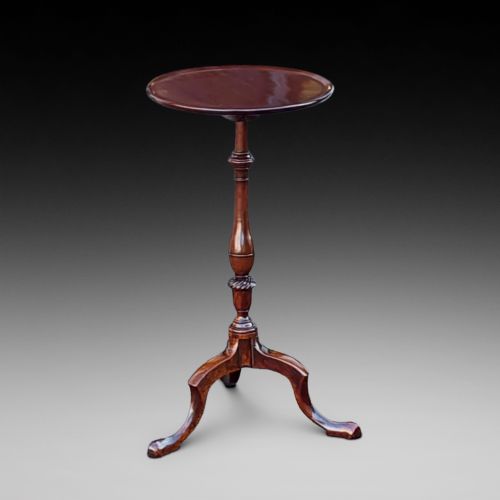
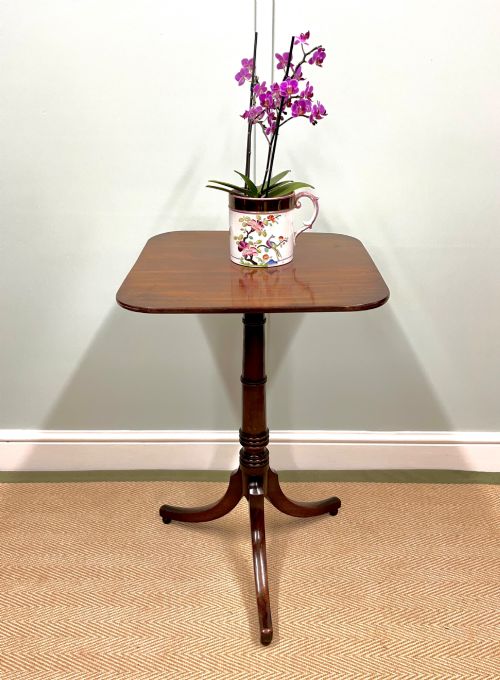
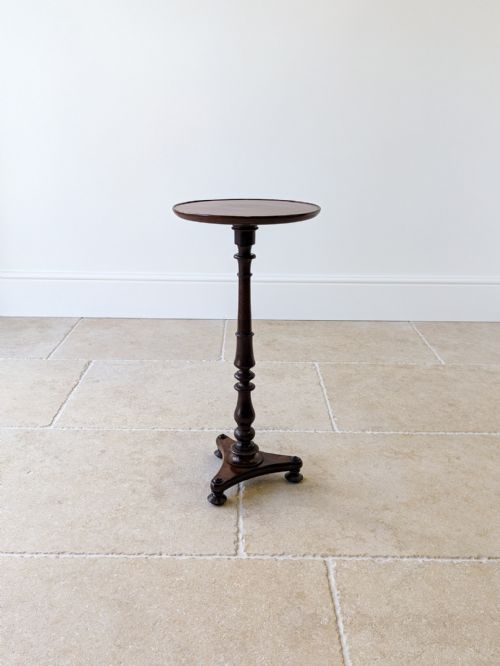
A georgian candle stand table brings genuine period proportion to a corner, combining practical surface space with slender columnar or tripod design.
Georgian Candle Stand Table
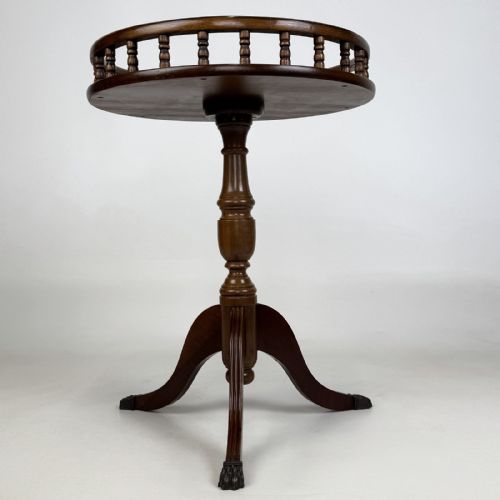
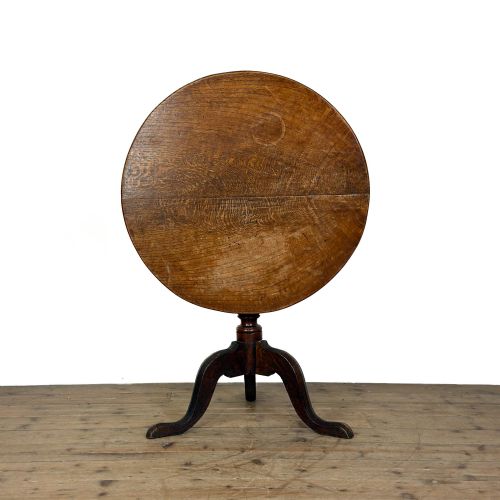
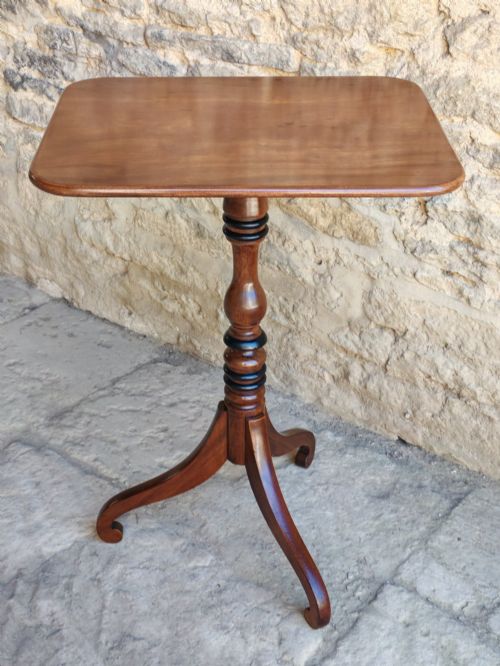
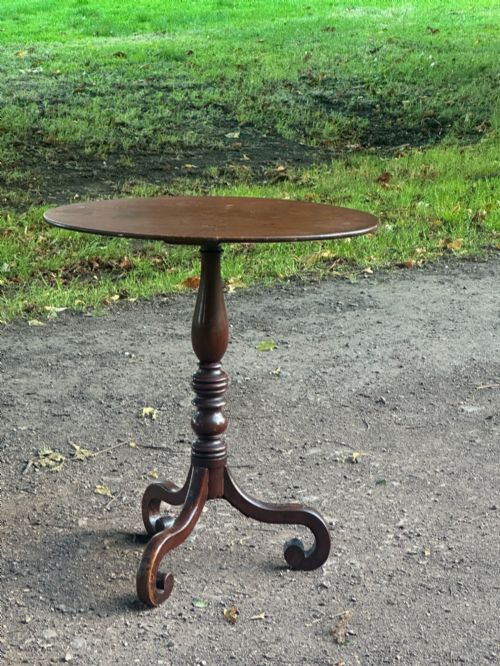
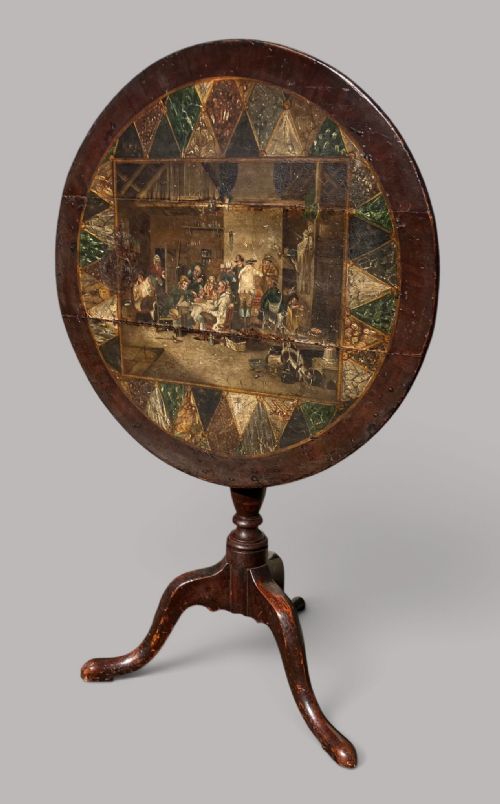
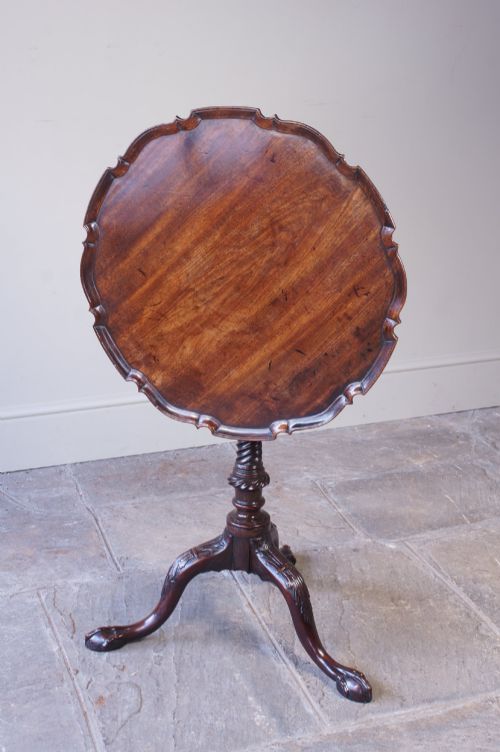
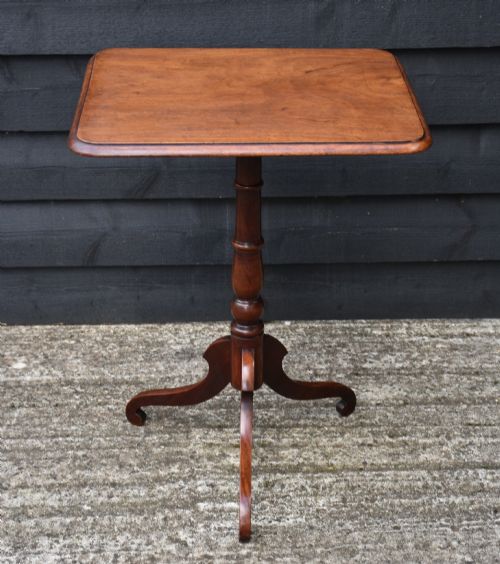
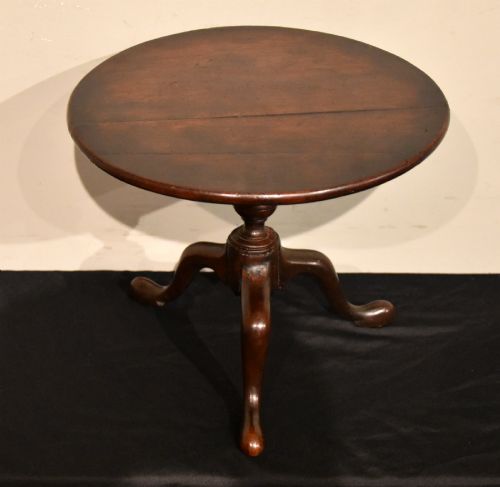
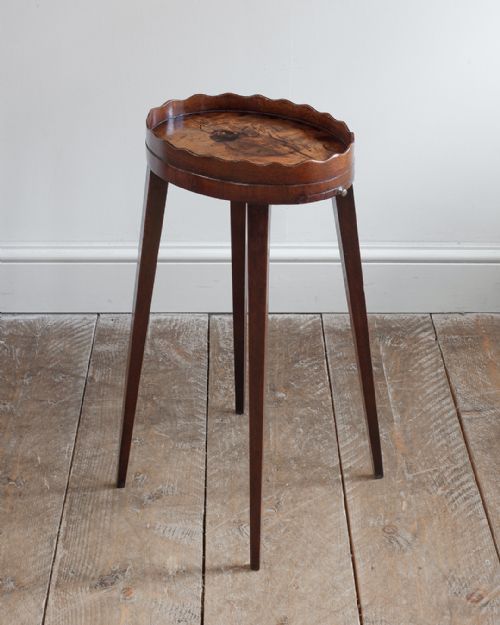
A georgian candle stand table is fundamentally a compact occasional piece designed to hold lighting or small items within domestic spaces. The selection spans distinct forms including tripod wine tables, adjustable candlestands, and tilt-top surfaces originating primarily from the eighteenth and nineteenth centuries.
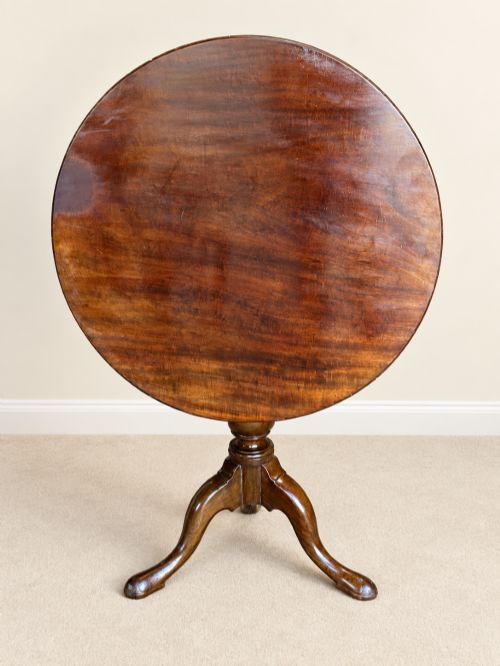
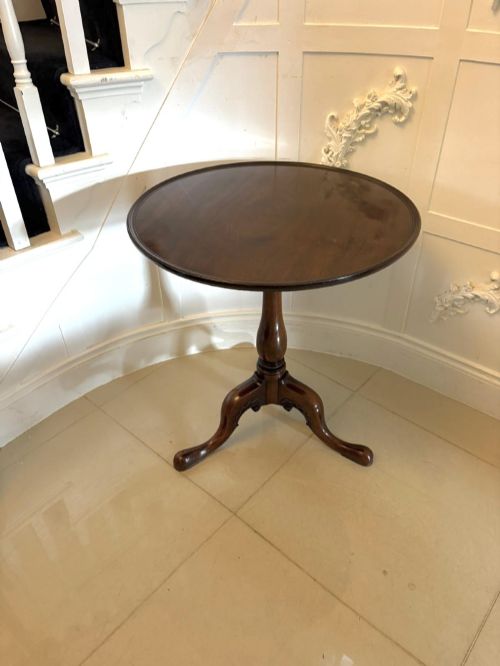
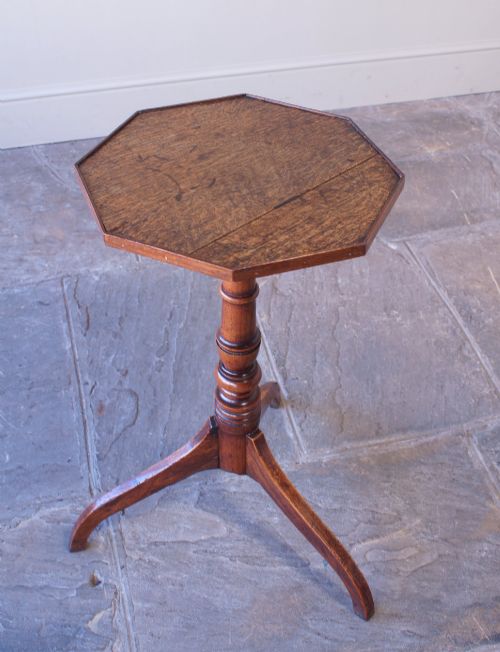
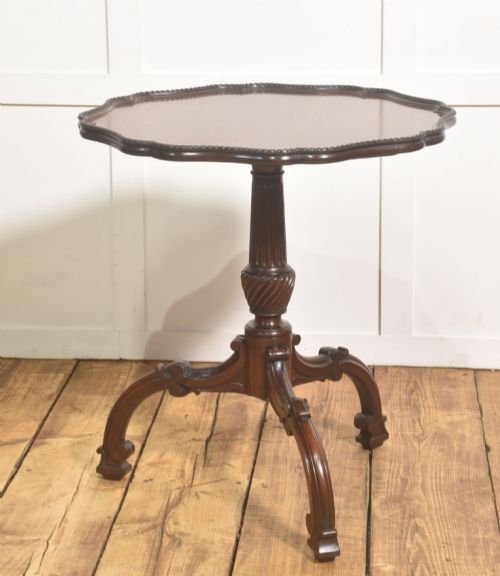
Buyers will most frequently encounter mahogany and oak tripod tables featuring circular or pie-crust tops. These utilitarian yet refined objects served practical roles beside seating areas throughout Georgian and Regency interiors.
The material vocabulary also encompasses walnut, fruitwood, satinwood, and brass variants. Surviving examples demonstrate the enduring appeal of compact occasional furniture built for specific domestic tasks.
How They Were Made
Cabinetmakers utilised dense timbers such as mahogany, oak, and walnut, turning central pillars on lathes and shaping three-legged tripod bases for stability. Joinery frequently incorporated pegged joints and tilt-top mechanisms that allowed the surface to fold away when not in use.
Surface decoration involved careful carving, particularly on tripod legs and raised pie-crust rims, alongside parcel gilding and occasional inlay work. Brass components were cast and turned to create durable candlesticks and adjustable fittings.
Some ingenious historical models double as tables and adjustable candleholders, proving our ancestors took evening reading very seriously.
What Varies in Quality
Excellence in a georgian candle stand table rests upon the crispness of the timber carving and the balance of the tripod proportions. Superior pieces display finely turned columns and neat dovetail or tenon joinery that remains tight after centuries of use.
The integration of functional mechanisms, such as smooth tilt-top catches or adjustable brass collars, distinguishes workshops of higher skill. Finer examples retain patination on native woods like mahogany and red walnut without excessive restoration.
Mappin And Webb·Gillow
The Georgian Candle Stand Table Glossary
- Tripod table
- A small freestanding table supported by a pillar above three legs. This construction ensured stability on uneven historical floorboards.
- Tilt-top
- A tabletop mounted on a catch mechanism allowing the surface to pivot vertically. This feature saved valuable floor space when the table was idle.
- Pie crust rim
- A carved, undulating tabletop edge resembling pastry work. It prevented items from sliding off the small surface.
- Candlestand
- A tall, slender stand specifically built to support lighting devices. Adjustable versions allowed users to alter the height of the flame.
- Parcel gilt
- Wood or metal partially decorated with gold leaf. This technique highlighted specific carved details on formal pieces.
Georgian Candle Stand Table: Frequently Asked Questions
What is a georgian candle stand table used for?
These compact tables originally provided a stable surface for holding lighting devices or small drinks near seating. Today they function effectively as accent pieces in living areas or bedrooms.
Their modest footprint allows them to fit easily into awkward corners or beside armchairs without cluttering the room.
What woods were used for these tables?
Mahogany is the most frequent timber encountered, prized for its strength and rich dark colour during the eighteenth century. Oak and walnut also appear regularly, particularly on earlier or provincial pieces.
Less common materials include fruitwood, satinwood, and brass components on adjustable candlestands.
Are these tables suitable for modern homes?
Their small scale makes them remarkably versatile for contemporary interiors where floor space is at a premium. They provide convenient surfaces for lamps, books, or decorative objects.
The classic tripod design blends effortlessly with both traditional and modern decorative schemes.