

Georgian Cabriole Table
A georgian cabriole table brings sinuous curves and sturdy timber together, offering a surface built for tea, cards or writing.
Georgian Cabriole Table
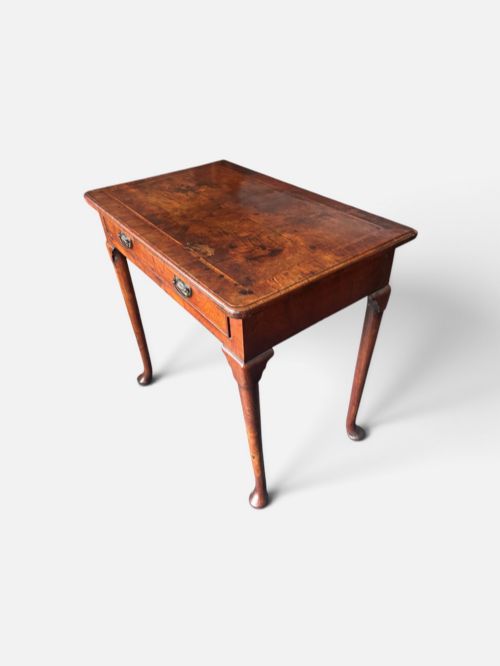
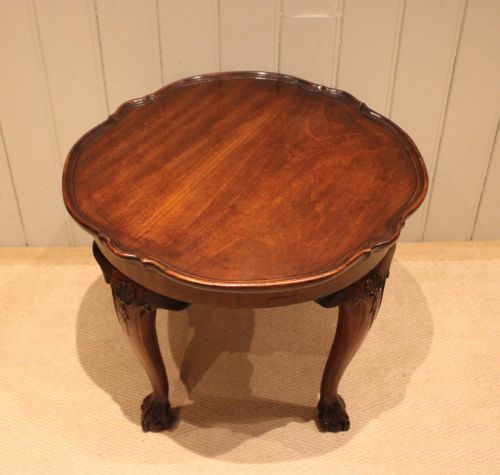
A georgian cabriole table brings together centuries of cabinet-making, spanning compact wine tables, sturdy lowboys, and occasional surfaces defined by their curving legs.
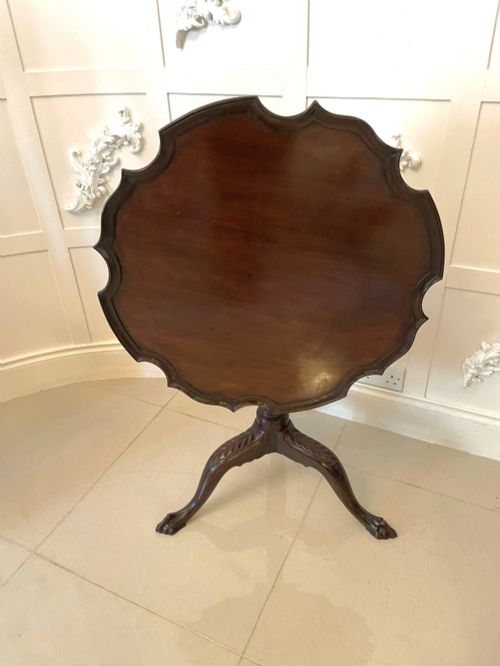
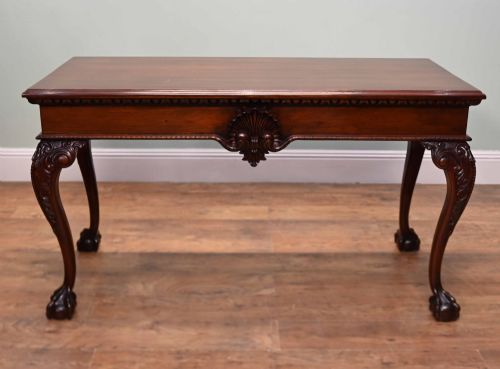
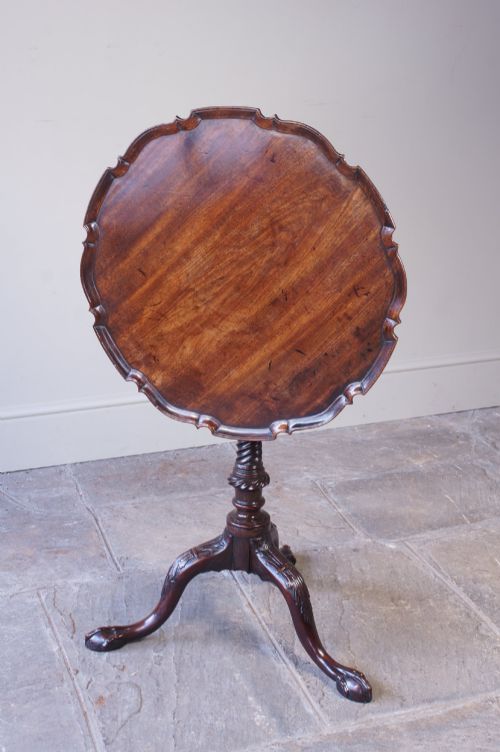
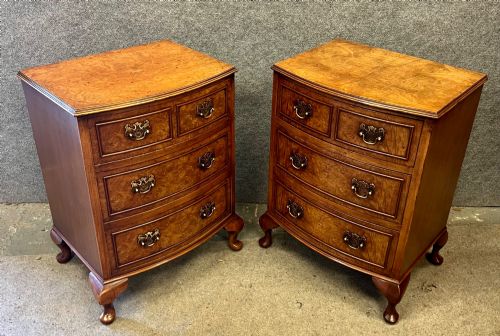
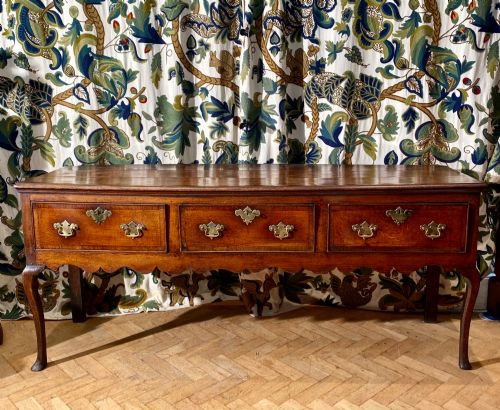
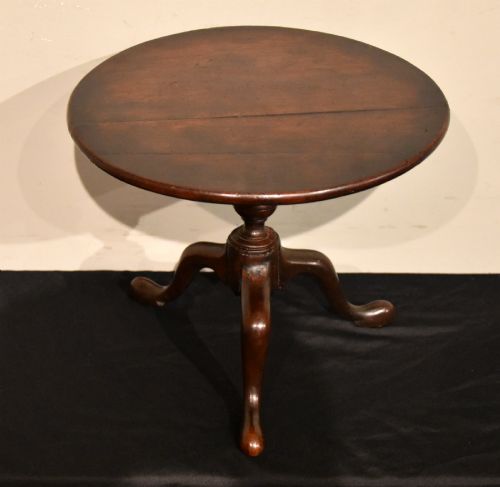
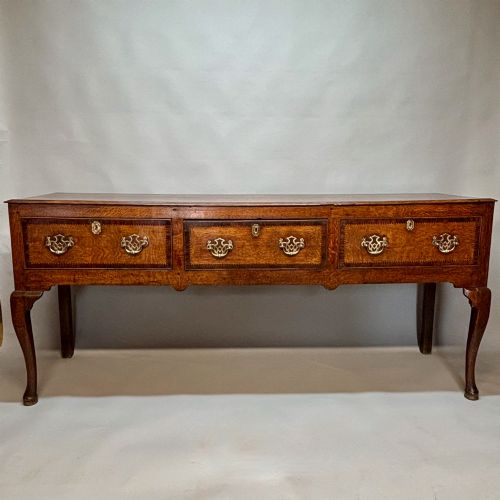
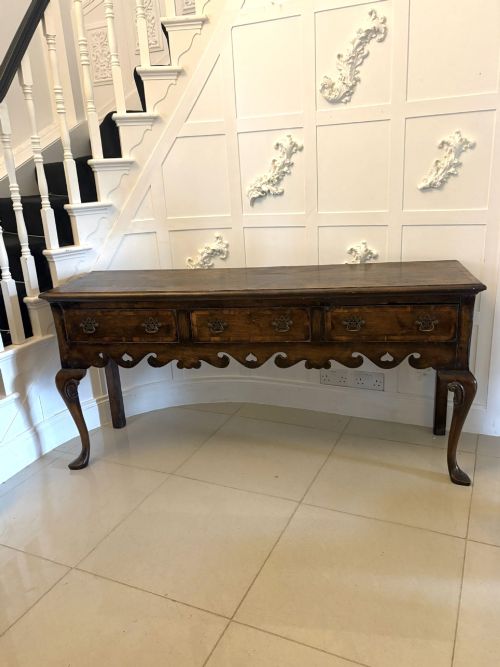
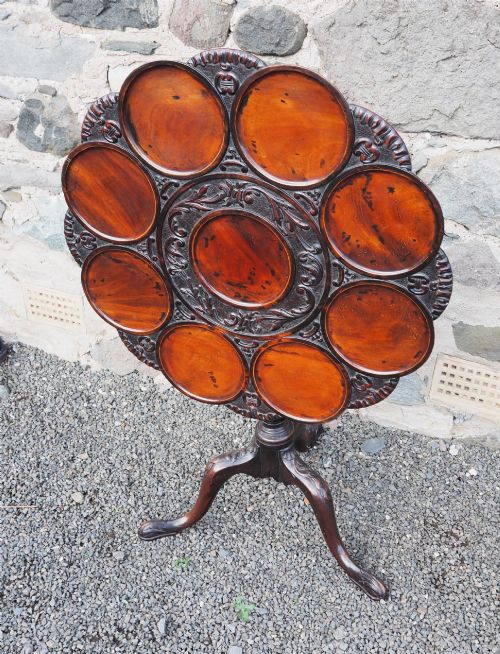
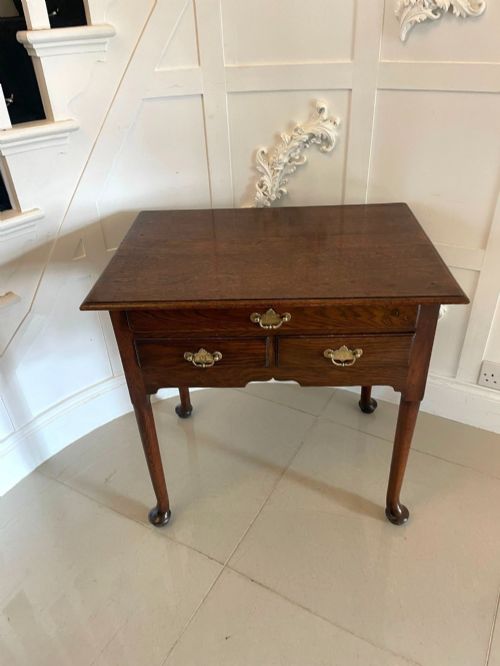
The versions most commonly met here include tilt-top tripod tables in mahogany, oak lowboys fitted with drawers, and side tables echoing Queen Anne and Chippendale revivals.
These pieces originated across the Georgian period and later revival eras, using domestic and imported timbers shaped for functional rooms and parlours.
Timber and construction
Cabinet-makers relied on dense hardwoods such as mahogany, oak, walnut, and yew, often selecting burr veneers or figured grains for visual depth.
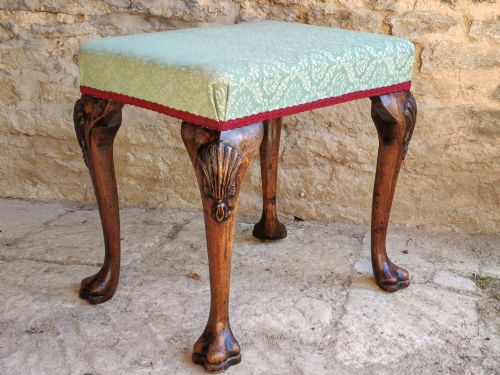
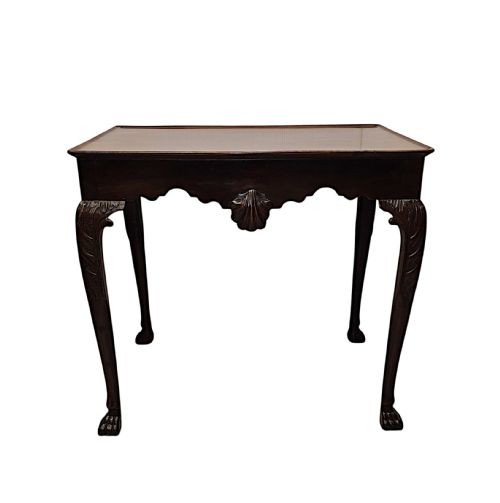
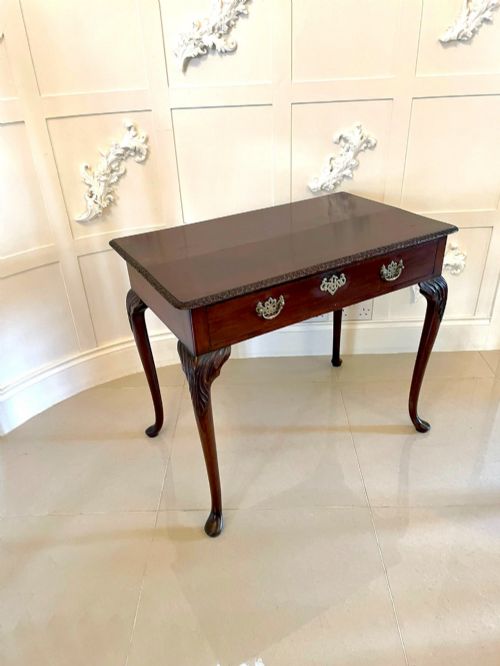
Legs were carved with the characteristic double curve of the cabriole, terminating in pads or hoof feet, while tops frequently utilised tilt mechanisms and birdcage supports.
Some tilt-top tables include clever birdcage mechanisms so the top can spin like a compass before tipping sideways.
Judging the standard
Quality rests upon the crispness of the carving on the knees and feet, the selection of figured timber, and the integrity of the joinery beneath the top.
Earlier pieces from the eighteenth century display hand-cut dovetails and mature patination, whereas later revival examples rely on twentieth-century machinery and different joining methods.
The Georgian Cabriole Table Glossary
- Cabriole leg
- A furniture leg that curves out at the knee and tapers inward to an ankle, mimicking an animal's limb. It gained prominence during the early eighteenth century.
- Lowboy
- A small side table or dressing table with one or more drawers, standing on four cabriole legs. They date primarily from the Queen Anne and George II periods.
- Tilt-top table
- A small occasional table with a hinge mechanism allowing the top to pivot vertically when not in use. This saved precious floor space in smaller rooms.
- Pie crust edge
- A raised, scalloped border carved along the rim of a circular tabletop. It resembles the fluted crust of a pastry pie.
- Birdcage
- A revolving wooden framework beneath a tabletop that allows the surface to both tilt and rotate. It is typically found on high-quality tripod tables.
Georgian Cabriole Table: Frequently Asked Questions
What is a cabriole leg?
A cabriole leg is a curved support that swells outward at the knee and tapers inward toward the foot. It draws inspiration from animal limbs and defines much of the furniture from the early eighteenth century.
Cabinet-makers shaped these contours from solid timber, sometimes adorning the knee with carved shells or acanthus leaves before terminating the line in a pad or claw foot.
How were wine tables used?
Wine tables served as portable surfaces for holding glasses and decanters during evening gatherings. Their small tops and central pillars allowed them to sit beside seating.
Porter and wine tables with tilt-tops could be folded flat against a wall when the room needed to be cleared for other activities.
Are all these tables from the eighteenth century?
The pieces span multiple eras, including original eighteenth-century items alongside later revival pieces made around nineteen-hundred and the nineteen-twenties. Craftsmanship and timber selection help distinguish the period pieces from later interpretations.
Earlier examples display authentic period wear and hand-worked joinery, while revival items reflect the historicism of Edwardian and interwar workshops.
How do I care for antique timber?
Antique wood requires stable humidity and protection from direct sunlight to prevent the timber and veneers from drying out or splitting. Gentle cleaning with natural wax preserves the finish and natural patination.
Avoiding placement near modern heat sources keeps the historical joints secure and prevents the wood from warping over time.