
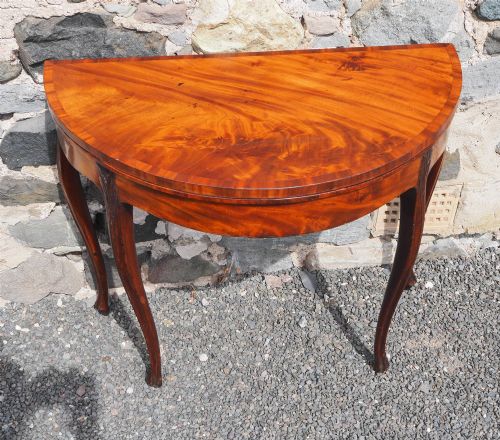
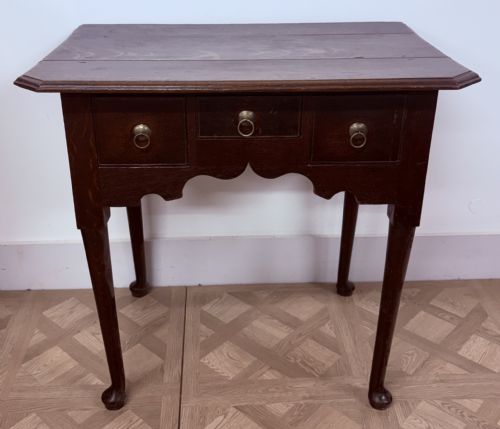
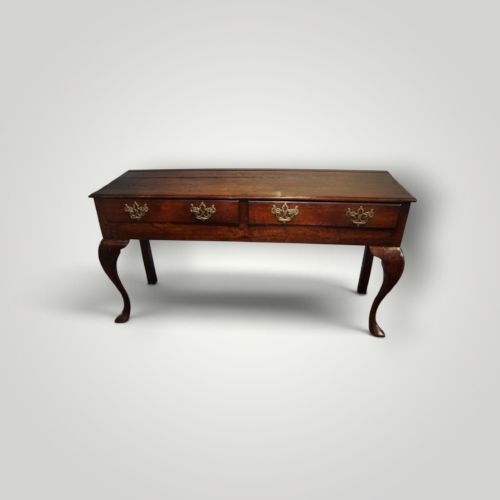
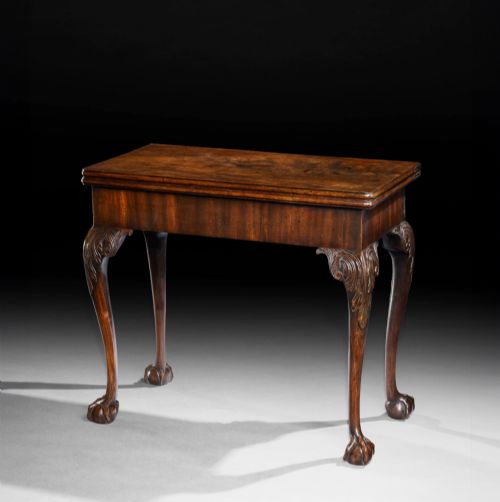
Georgian Cabriole Leg Console
A georgian cabriole leg console brings sculptural curves and substantial timber into a room, offering both surface space and period character.
Georgian Cabriole Leg Console
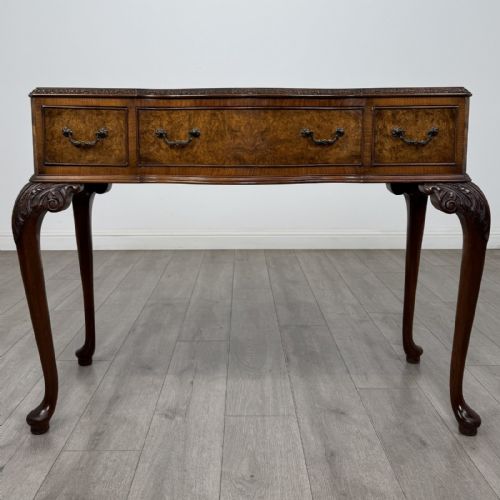
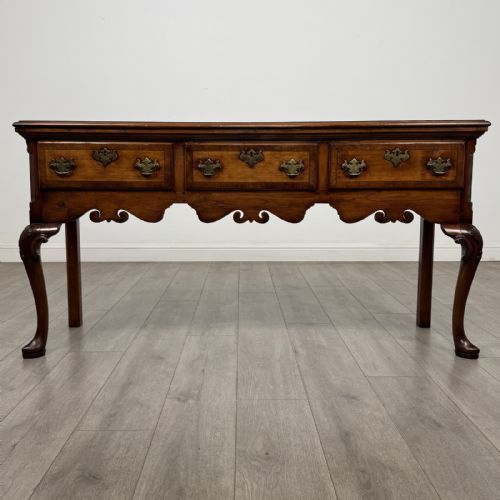
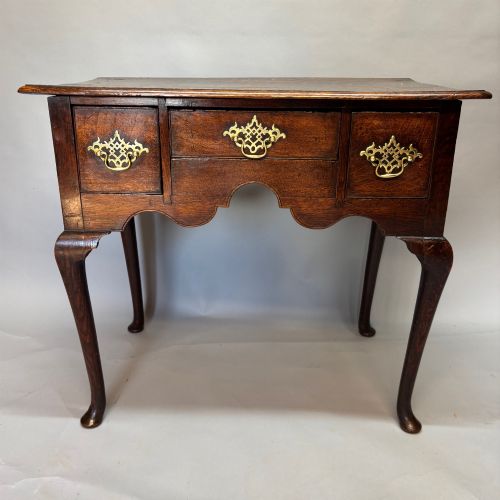
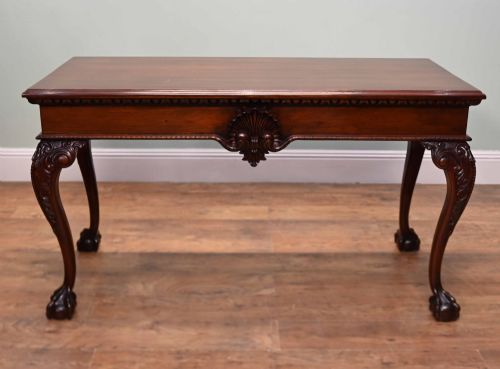
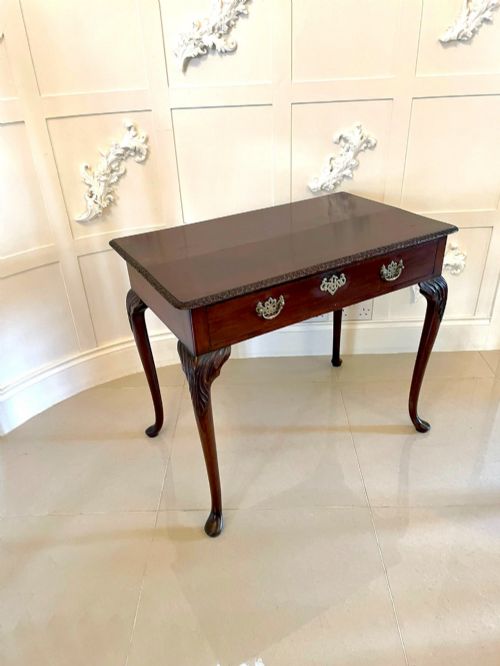
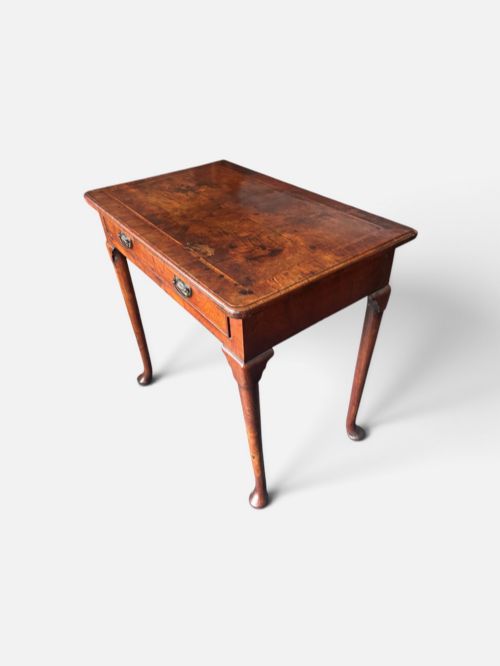
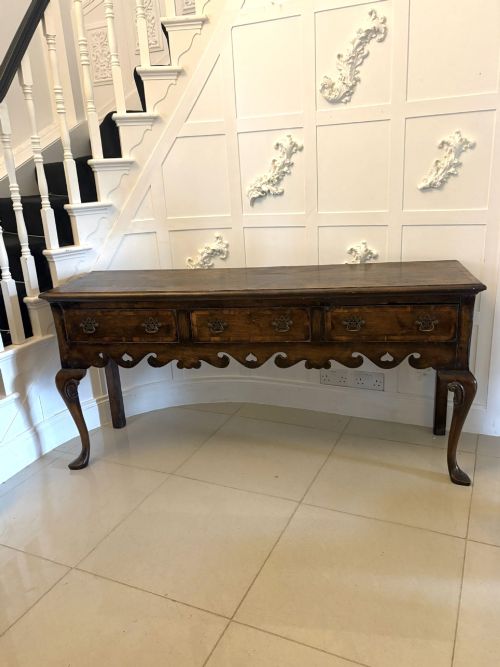
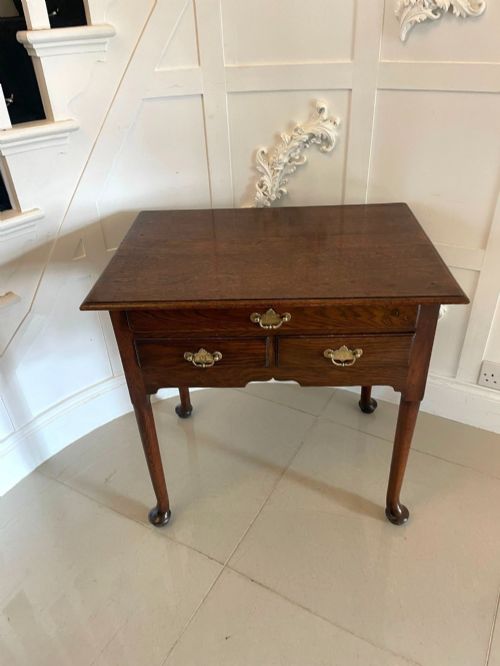
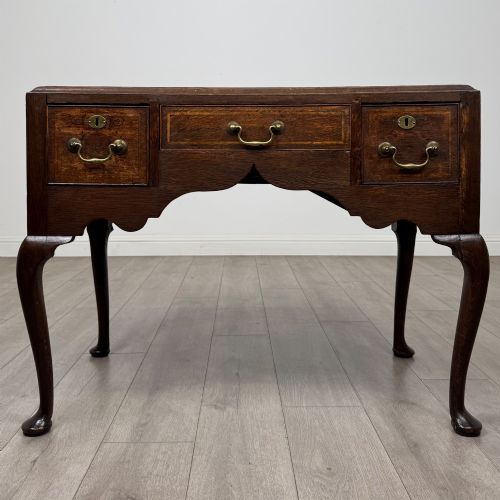
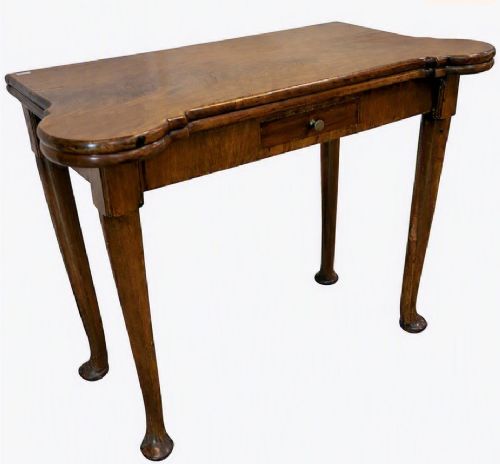
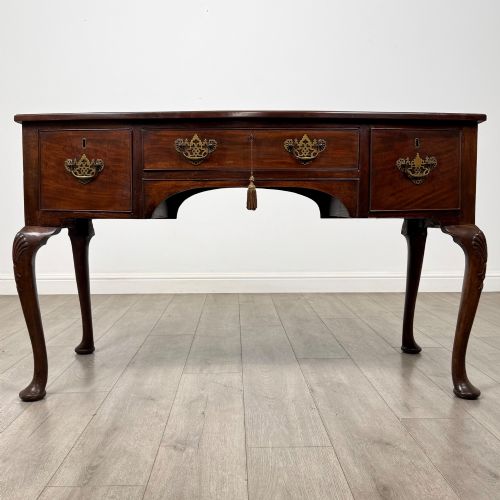
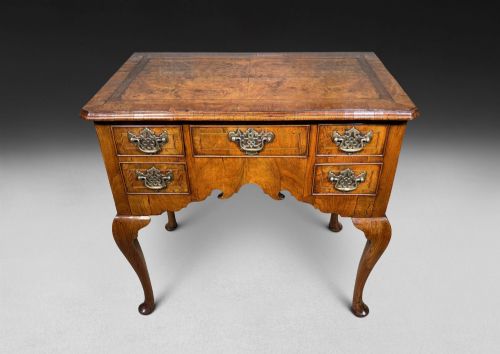
A georgian cabriole leg console typically presents as a side table, card table, or lowboy originating from the eighteenth century or later revival periods.
Buyers most frequently encounter oak and mahogany examples spanning the Georgian era alongside later Queen Anne and Chippendale revival pieces.
These tables serve practical functions in hallways and living spaces, functioning as serving tables, writing desks, or display surfaces.
Materials and construction
Cabinet makers utilised dense native and imported timbers, notably oak, walnut, and flame mahogany, often applied as veneers over solid bases.
Constructive details include concertina actions on card tables, crossbanding, and intricate marquetry work seen on select eighteenth-century surfaces.
Listings feature oak, walnut, and mahogany timbers alongside marble tops and brass fittings.
Judging execution and finish
Quality rests on the crispness of the carved cabriole legs and the harmonious grain selection of the walnut or flame mahogany veneers.
Superior pieces display careful joinery and well-figured timber, whereas lesser examples show heavier secondary woods and simpler surface treatments.
Giles Grendey
The Georgian Cabriole Leg Console Glossary
- Cabriole leg
- A furniture leg that curves outward at the knee and tapers inward toward the ankle, often ending in a pad or claw foot. This design mimics animal limbs and defines much eighteenth-century seating and table design.
- Lowboy
- A small oak or walnut table with one or more drawers, standing on four legs. Originally used as a dressing table, it functions well as a compact side table.
- Concertina action
- A table frame mechanism that expands outward to support a fold-over top. It allows card tables to double their surface area when opened.
- Crossbanding
- A narrow strip of veneer applied around the border of a table top with the grain running perpendicular to the centre. This technique creates a decorative framing effect.
- Marquetry
- The art of forming decorative patterns using fitted pieces of coloured wood veneer. Craftsmen applied these intricate designs to tabletop surfaces.
Georgian Cabriole Leg Console: Frequently Asked Questions
How do I use a console table?
These tables fit well in hallways, living rooms, or dining spaces as display surfaces or serving areas.
Fold-over variants also function as games or card tables when opened.
What is a lowboy?
A lowboy is a small table featuring drawers and cabriole legs, typically constructed from oak or walnut.
They serve as compact side tables or writing surfaces.
How do I spot a revival piece?
Revival pieces date from later periods such as the Edwardian era or the early twentieth century, mimicking earlier eighteenth-century designs.
Examination of the timber, construction methods, and hardware helps determine the true age.
Which woods are most common?
Oak and mahogany appear frequently across the listings, alongside walnut and burr walnut.
Flame mahogany veneers and marquetry decorate the more elaborate examples.