
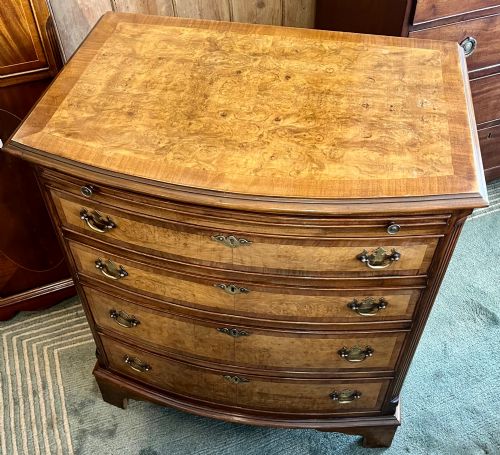
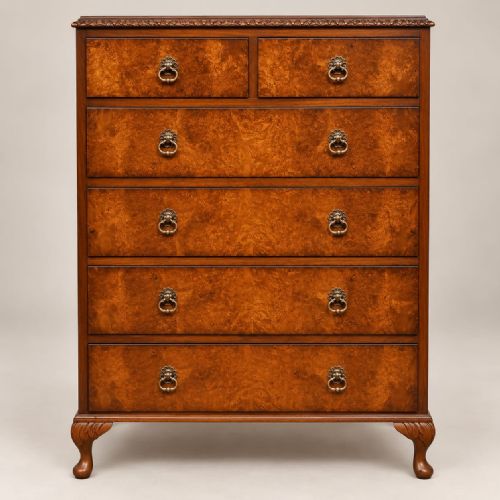
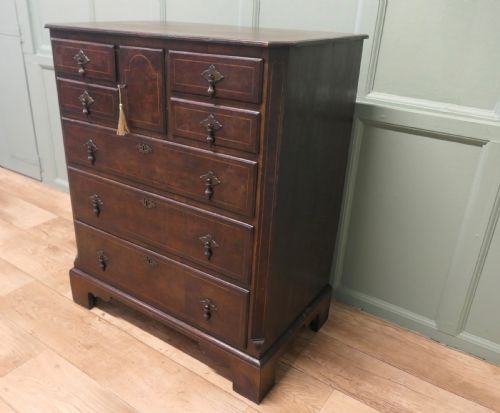
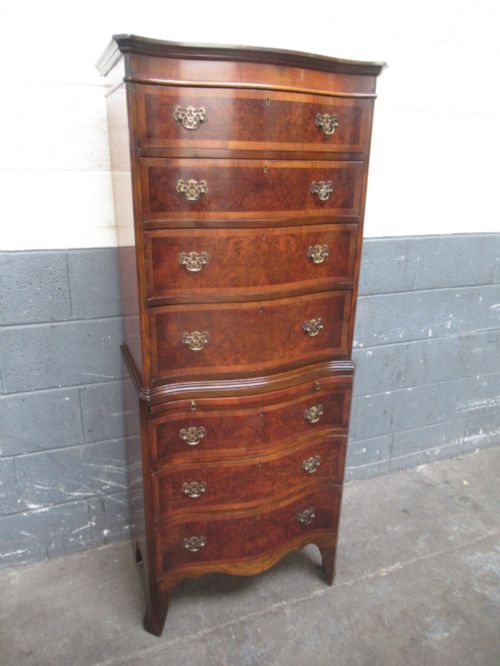
Georgian Burr Chest
A georgian burr chest delivers rich timber figures and traditional storage, uniting period design with striking patterned grain.
Georgian Burr Chest
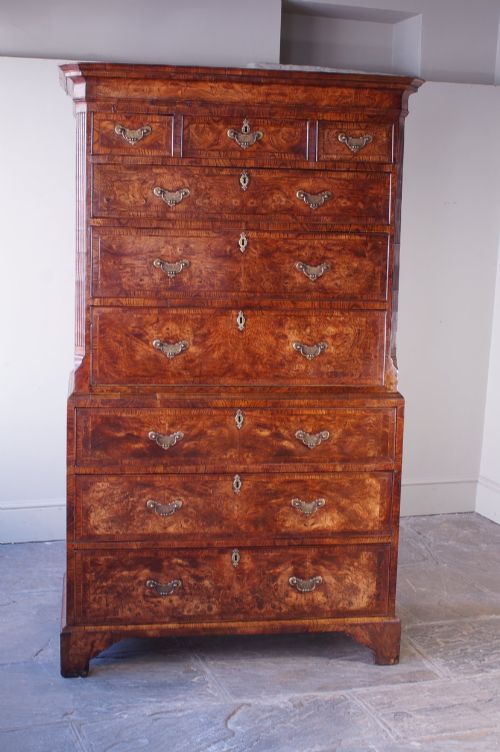
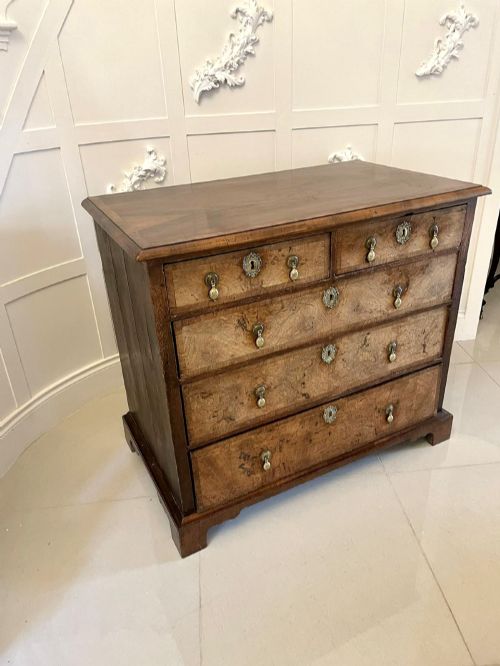
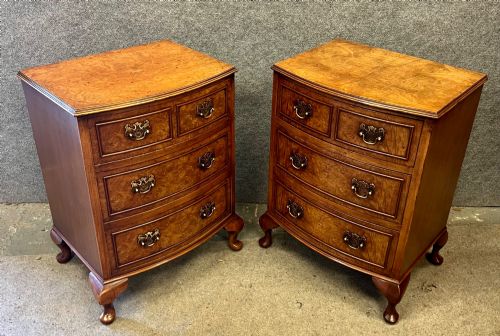
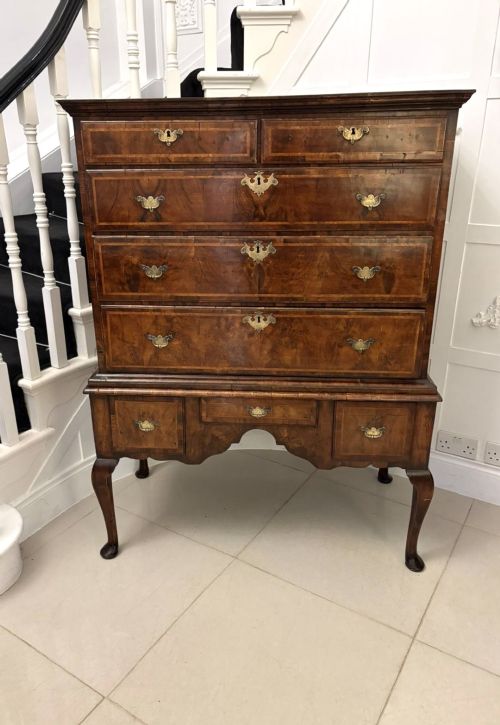
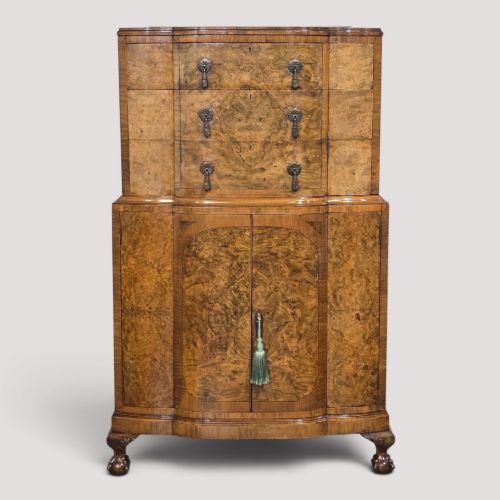
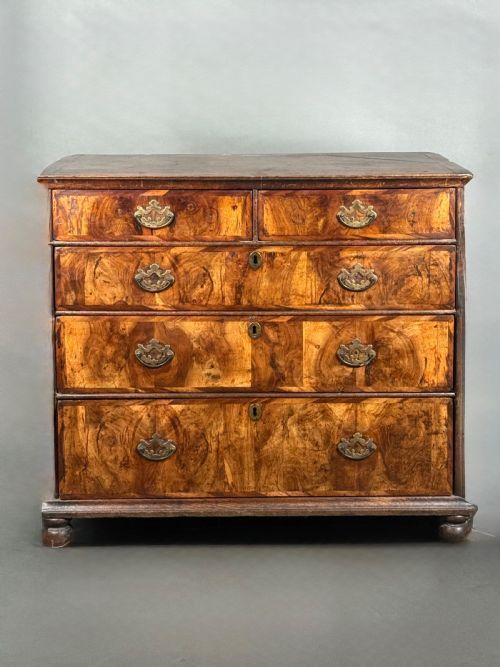
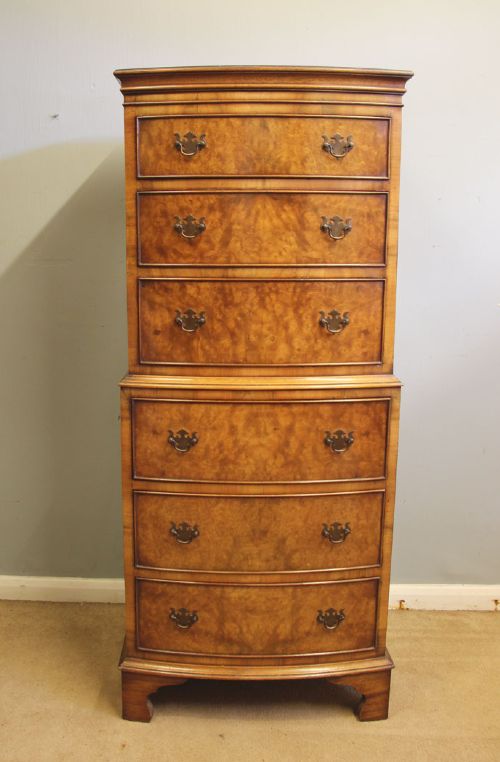
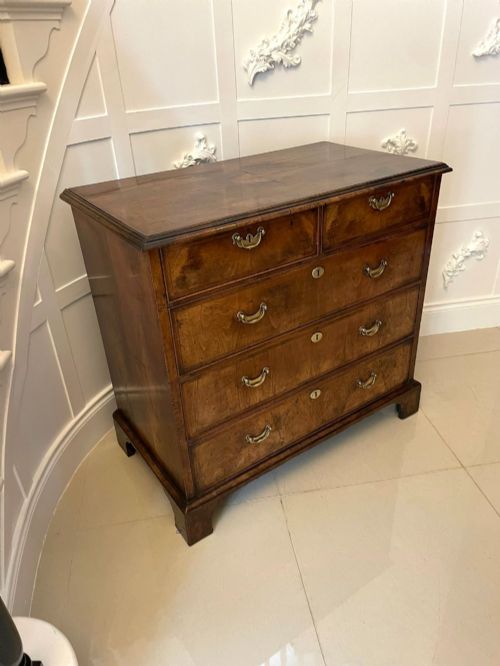
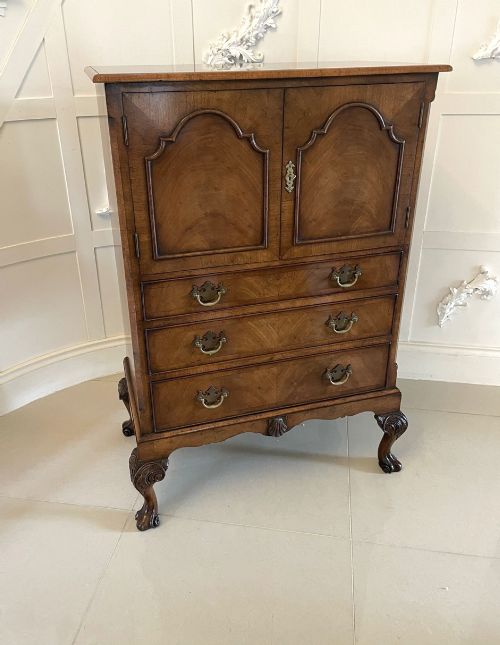
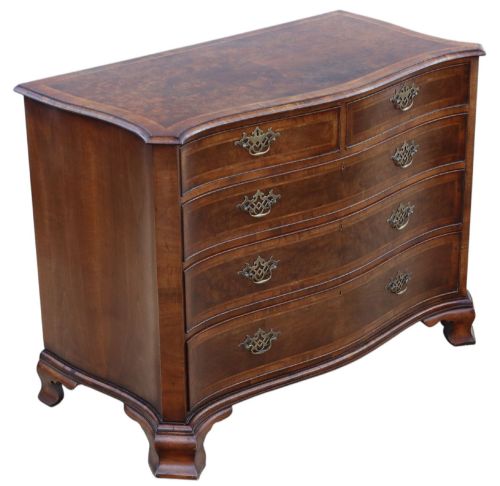
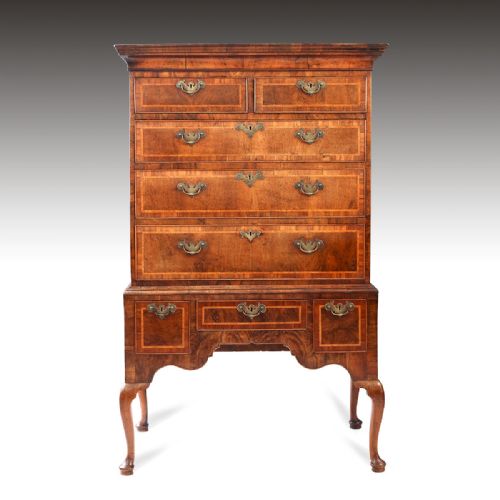
Buyers encounter multiple forms on this page, including standard chests of drawers, taller chest-on-chest tallboys, and compact chests on stands. Serpentine fronts, bow fronts, and specialised bachelor designs also appear frequently among the listings.
Materials and construction
Cabinetmakers applied thin slices of decorative burr timber veneers over solid secondary woods like oak and pine. This technique displayed intricate swirling grain patterns across the main facade while maintaining structural stability.
Traditional construction involved crossbanding, herringbone inlay, and brass hardware such as drop handles and escutcheons. Joinery relied on hand-cut dovetails for drawer construction and sturdy frames designed to support heavy timber sections.
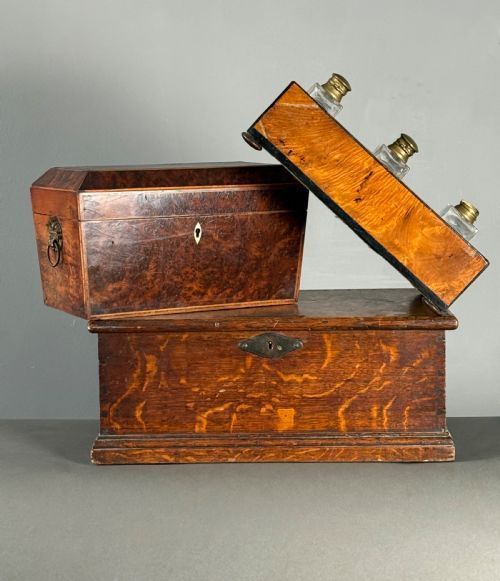
Listings feature walnut, burr walnut, oak, elm, and burr elm alongside brass hardware.
Assessing quality and craftsmanship
The continuity and matching of the burr grain across drawer fronts dictate visual success. Superior examples feature symmetrical veneer patterns that flow naturally across the entire elevation.
Proportion, untouched patination, and the retention of original brass fittings elevate certain items. Skillful execution in secondary timbers and crispness of inlaid borders separate master cabinetwork from simpler production.
Heals of London
The Georgian Burr Chest Glossary
- Burr walnut
- A mottled, highly figured wood grain harvested from tree growths or burls. It creates complex swirling patterns prized for decorative furniture surfaces.
- Crossbanding
- A narrow strip of veneer applied perpendicularly to the main grain direction around the edges of a drawer or top. This frames the central burr panels.
- Chest on chest
- A tall storage unit featuring one chest stacked directly on top of a larger lower section, often called a tallboy. It maximises vertical capacity.
- Herringbone inlay
- A decorative pattern made of small wood veneers laid in alternating diagonal rows resembling fish bones. It typically outlines drawer perimeters.
- Chest on stand
- A drawer unit elevated on a separate framework of legs connected by stretchers. This lighter form often dates to the early eighteenth century.
Georgian Burr Chest: Frequently Asked Questions
How do I spot an original eighteenth-century piece?
Examine the secondary timbers inside the drawers, such as oak or pine, alongside hand-cut dovetail joints and traditional timber shrinkage.
Original eighteenth-century examples display period-appropriate patination and construction methods that differ significantly from later twentieth-century revivals.
What is the difference between a tallboy and a standard chest?
A standard chest of drawers provides a single lower tier of storage, whereas a tallboy consists of two separate stacked sections forming a much taller unit.
Tallboys were designed to maximise vertical bedroom storage while incorporating substantial cupboard or drawer capacity.
How should I care for burr walnut veneer?
Keep these items away from direct sunlight and fluctuating radiator heat to prevent the delicate veneer from drying out or lifting.
Apply occasional traditional beeswax and buff gently with a soft cloth to nourish the historic timber surface.
What distinguishes a bachelor chest?
A bachelor chest includes a pull-out sliding shelf, known as a brushing slide, positioned directly above the upper drawers for writing or folding garments.
This multifunctional furniture type combined compact storage with a convenient writing surface for domestic use.