

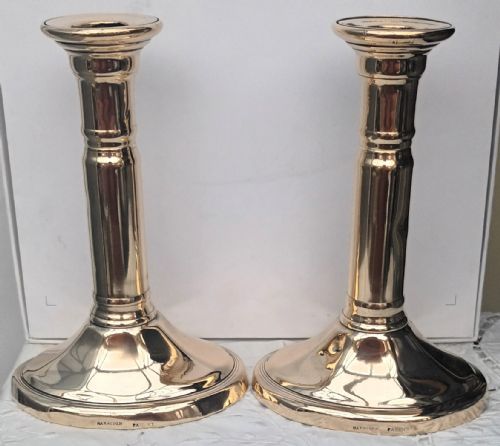


Georgian Brassware
Georgian brassware brings warmth and substance to a room, offering functional metalwork shaped by eighteenth and early nineteenth-century hands.
Georgian Brassware
Georgian brassware encompasses household metalwork produced during the eighteenth and early nineteenth centuries, ranging from fireside accessories to tabletop items. Candlesticks form a substantial part of what is available, alongside practical hearth equipment and kitchen utensils.
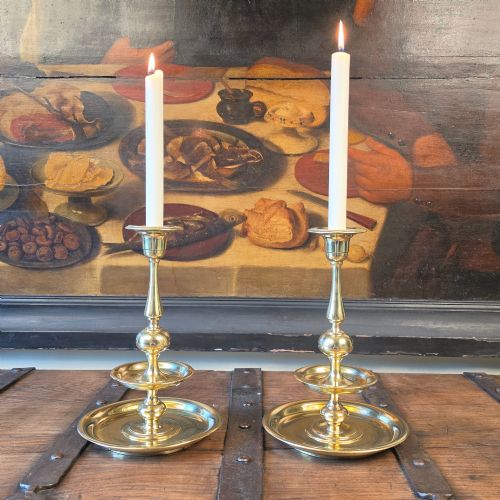
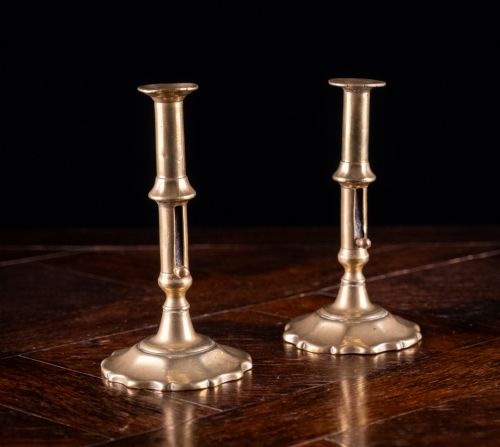
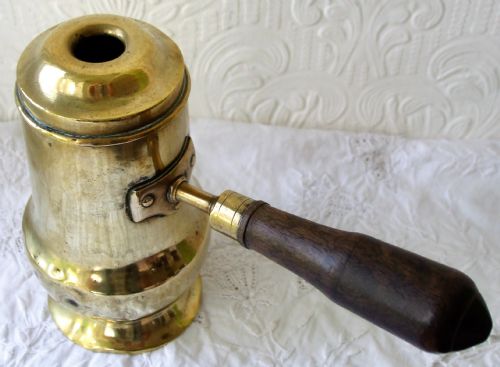
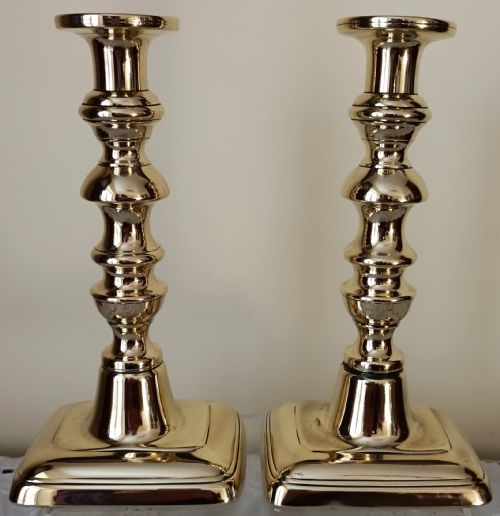
Buyers will frequently encounter pairs of candlesticks, ranging from simple seamed examples to telescopic designs, alongside hearth footmen and mortars. These objects served utilitarian purposes in period homes before becoming decorative items for modern interiors.
The selection draws on periods spanning the early eighteenth century through to the Regency era, incorporating related pieces from the wider Georgian stylistic umbrella. Items display the heavier forms and robust construction typical of domestic metalwork from these decades.
Assessing quality and finish
Weight and thickness dictate the durability of cast brass items, with heavier examples demonstrating superior substance and resilience. Subtlety of turned profiles on candlesticks and the clean execution of joints separate standard utility pieces from finer workshops.
Maker signatures or patent stamps, such as those associated with specific manufacturers or inventors, elevate the interest of individual pieces. Surface preservation and the undisturbed warmth of aged metal surfaces contribute significantly to the appeal of surviving examples.
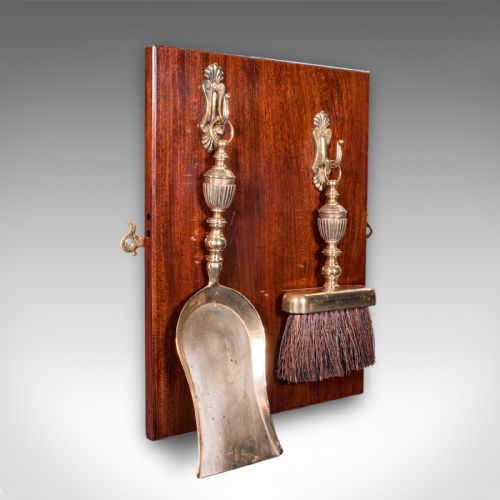
A domestic maintenance set once kept a Regency maid's fireside tidy with matching shovel and brush.
John Linwood of Birmingham·J.T. & Co·Harrison Patent
The Georgian Brassware Glossary
- Bell metal
- A hard alloy of copper and tin traditionally used for bells and heavy candlesticks. It produces a clear, resonant tone when struck.
- Ejector candlestick
- A candlestick fitted with an internal mechanism to push out the remnants of a burned candle. This device usually operated via a sliding thumbpiece on the stem.
- Hearth footman
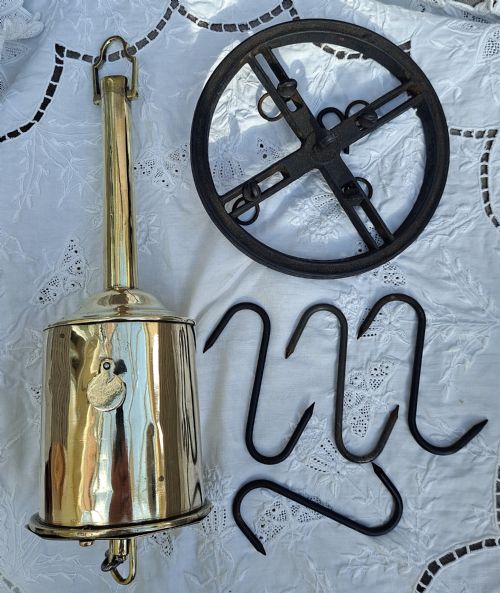
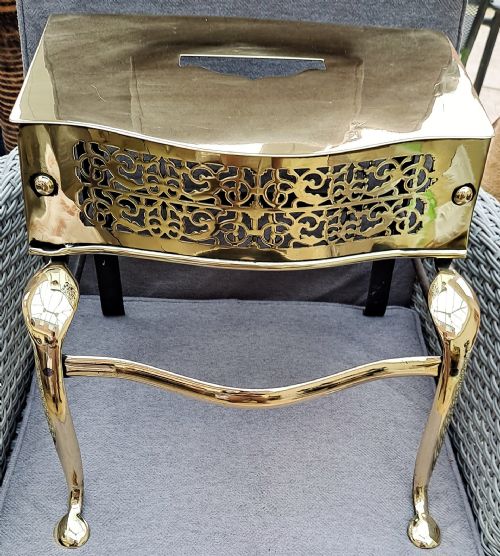
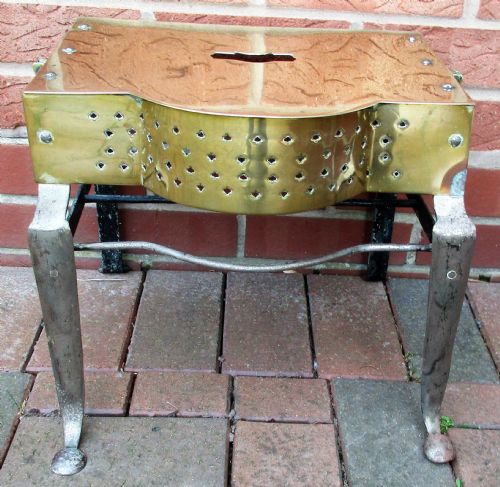
- A metal stand placed in front of a fireplace to keep food or plates warm. These stands typically combined brass tops with iron or steel legs.
- Spit jack
- A mechanical device used for turning roasting meat over an open fire. These mechanisms often employed clockwork or weighted systems enclosed in brass housings.
- Collar candlestick
- A candlestick featuring a distinct horizontal ring or collar around the stem. This design detail helped catch dripping wax during use.
Georgian Brassware: Frequently Asked Questions
What is Georgian brassware?
Georgian brassware covers domestic items made from brass and related copper alloys during the eighteenth and Regency periods. These objects were manufactured for everyday household tasks rather than purely decorative display.
Items range from lighting equipment like candlesticks to kitchen utensils, mortars, and fireplace accessories. Their design reflects the changing domestic requirements of homes during the 1700s and early 1800s.
How do I clean old brass?
Historic metal surfaces benefit from minimal intervention to preserve their aged appearance and accumulated patination. Harsh chemical polishes strip away the character developed over centuries of existence.
Gentle dusting with a soft cloth is usually sufficient for regular maintenance. If cleaning is necessary, mild soap and water applied sparingly will remove surface dirt without harming the metal.
How were brass candlesticks made?
Makers cast brass components in moulds or formed them from sheet metal joined along vertical seams. Individual parts were then turned on lathes and soldered or fitted together.
Later developments introduced mechanical elements such as telescopic stems and internal ejectors. These additions required precise metalworking skills to ensure smooth operation.
Are these pieces functional today?
Many surviving items retain their original utility and can be integrated into contemporary living spaces. Candlesticks continue to hold standard tapers, while mortars function adequately for grinding herbs.
Care should be taken with mechanical items like spit jacks or patent mechanisms, which may require gentle handling due to their age. Most pieces serve primarily as decorative accents that bring historical texture to a room.