
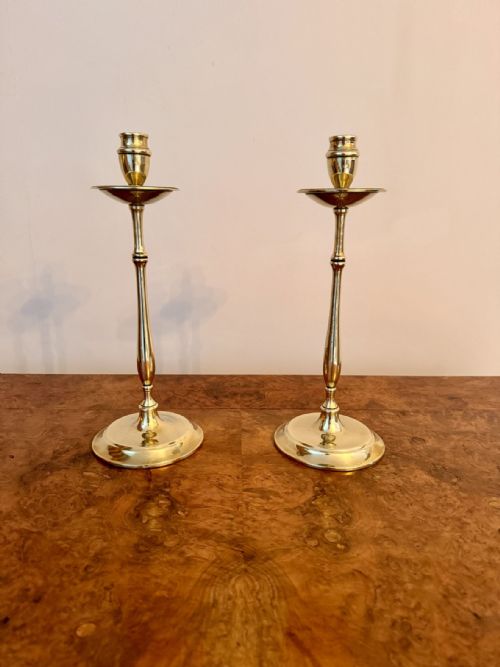
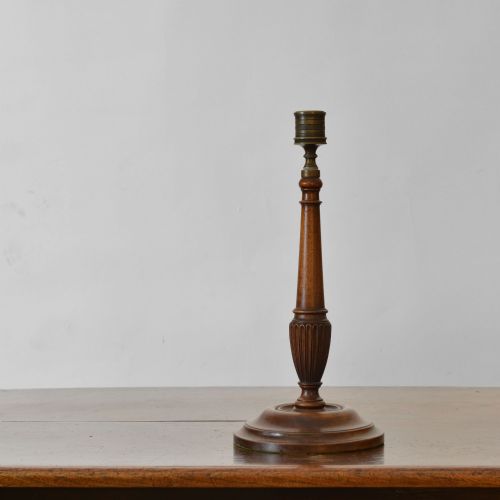
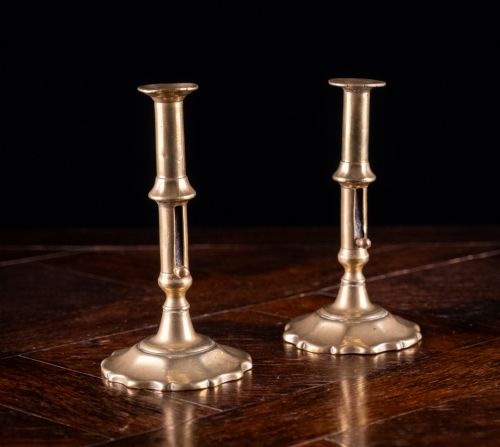

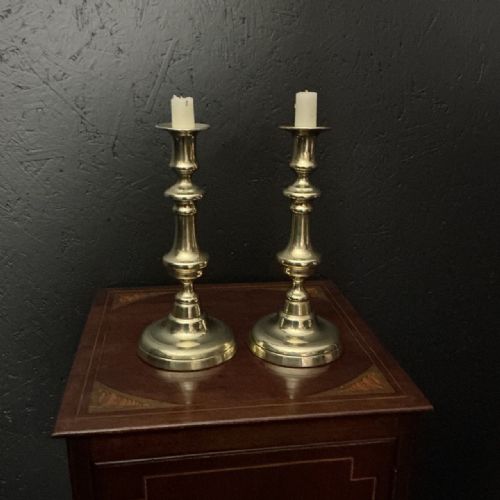


Georgian Brass Taper Stick
These georgian brass taper stick examples are compact domestic lighting pieces designed to carry a flame, prized by collectors for their clean metalwork.
Georgian Brass Taper Stick
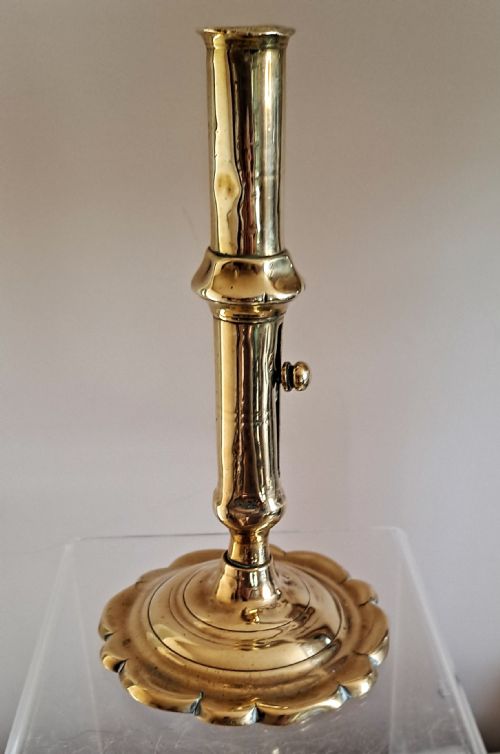
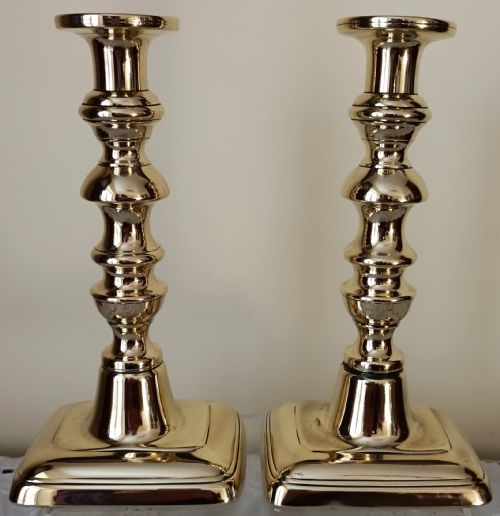
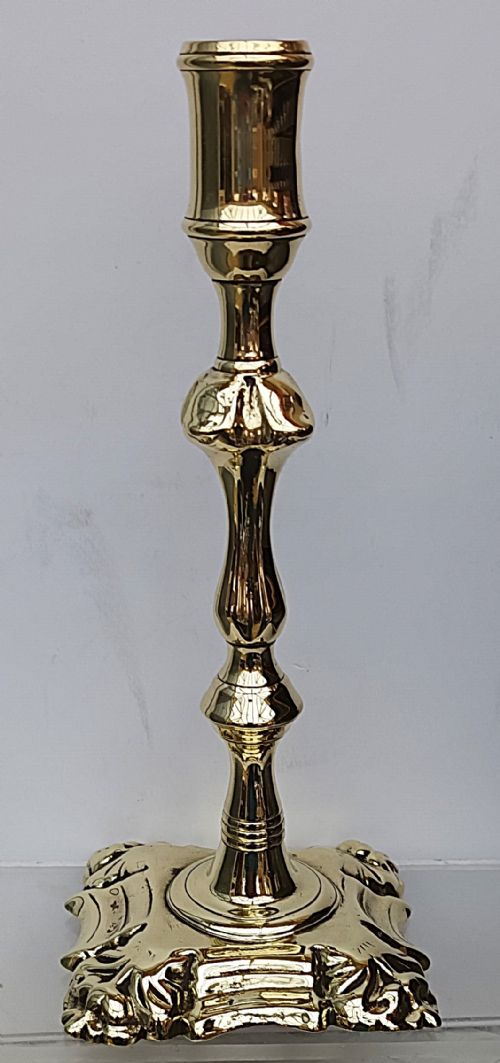
When you search for a georgian brass taper stick, you are looking at small domestic lighting accessories from the eighteenth and nineteenth centuries, often categorised alongside smaller candlesticks. The examples on this page span the 18th century, 19th century, Regency period, and George II eras, taking forms such as petal bases, hexagonal columns, and scalloped designs.
The objects here include single items and pairs originating from English workshops, frequently rendered in brass alongside related materials like mahogany, copper, and silver plate. While the search term specifies taper sticks, the actual stock covers both small taper sticks and broader candlestick forms sharing the same domestic purpose.
How they were made
The construction of these pieces relies on traditional metalworking methods, notably cast brass and seamed techniques visible in mid eighteenth-century ejector models. Metal was melted, poured into moulds, and turned on lathes or finished by hand to create the characteristic sockets, stems, and bases.
Makers utilised durable brass alloys, sometimes incorporating ejector mechanisms designed to push out the remaining wax stump. Secondary materials such as mahogany appear in specific candlestick formats, pairing organic timber with cast metal components.
Listings span the 18th century, 19th century, and Regency periods, utilising brass, mahogany, copper, and silver plate.
What varies in quality
Quality in these domestic metal objects rests on the crispness of the casting and the integrity of the original form rather than surface polish. Crisp detailing on petal bases, sharp hexagonal angles, and well-proportioned stems distinguish finer items from simpler production.
The presence of functioning mechanical elements, such as internal ejectors, and matching pairs rather than assembled sets elevate a piece within the range. Preservation of the unpolished or patinated metal surface further defines the better examples.
J.T. & Co·J. Miller
The Georgian Brass Taper Stick Glossary
- Ejector candlestick
- A lighting device featuring an internal mechanism to push out spent candle wax. This mechanism often includes a small side thumbpiece linked to an internal disc.
- Petal base
- A foot shaped with lobed or scalloped outlines resembling flower petals. This decorative form is frequently found on eighteenth-century examples.
- George II
- An architectural and decorative style period spanning the mid eighteenth century. Pieces from this era display robust proportions and classical restraint.
- Regency
- A stylistic period covering the early nineteenth century. Designs from this time draw heavily on neoclassical motifs and bolder decorative outlines.
Georgian Brass Taper Stick: Frequently Asked Questions
How do I use a taper stick?
These small holders were traditionally utilised for melting sealing wax on correspondence rather than lighting a large room. The compact cup held a thin taper, making it easy to carry a flame across a desk or table.
Today, modern users place small dinner candles or wax tapers in them for decorative table lighting. Their diminutive size makes them suitable for mantelpieces and narrow sideboards.
Are these made of solid brass?
The pieces listed show construction primarily in solid cast brass, sometimes combined with copper or mounted on mahogany bases. Metal components were formed through traditional foundry casting before being hand-finished on a lathe.
Some variants incorporate silver plate over a base metal rather than solid brass. Examining the underside and weight helps determine the underlying metal structure.
How can I tell the age of a brass candlestick?
Age is indicated by construction methods, such as the presence of seamed barrels, hand-filed finishing marks, and the style of the base. Hexagonal forms and petal bases are typical of earlier eighteenth-century manufacture.
Later nineteenth-century pieces often display heavier cast sections and more standardised turnings. Comparing the form against dated periods helps narrow down the decade of production.
Should I polish antique brass?
Most collectors prefer to leave an aged patina rather than polish the metal to a bright shine. Over-cleaning can remove subtle surface textures and historical wear that verify the age of the object.
Gentle dusting with a soft cloth is sufficient for routine maintenance. Avoid chemical cleaners that strip the natural oxidation from the brass.