

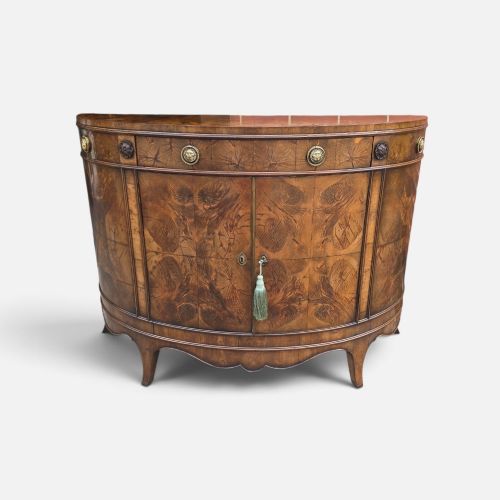
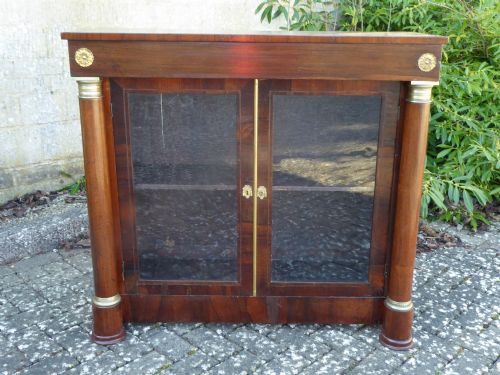
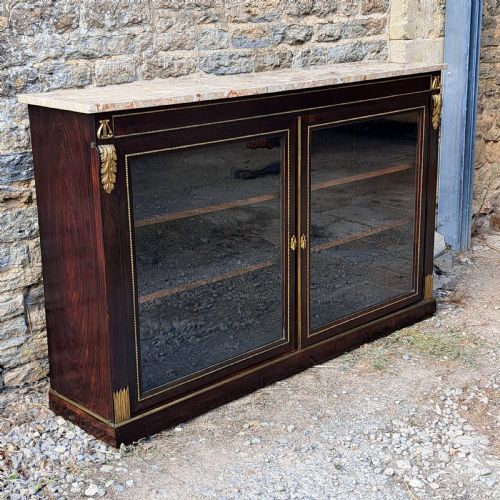
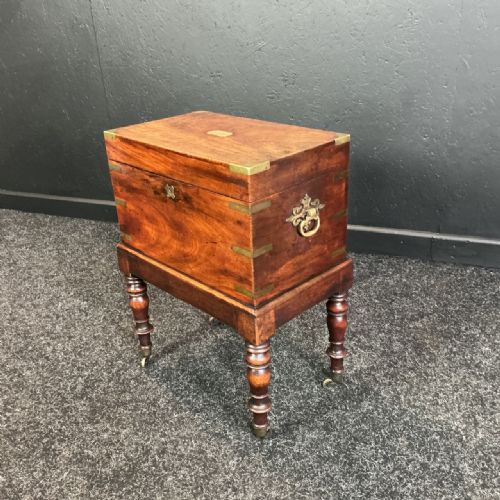



Georgian Brass Mounted Cabinet
A georgian brass mounted cabinet brings together rich timbers and metalwork, offering refined storage for the discerning collector.
Georgian Brass Mounted Cabinet
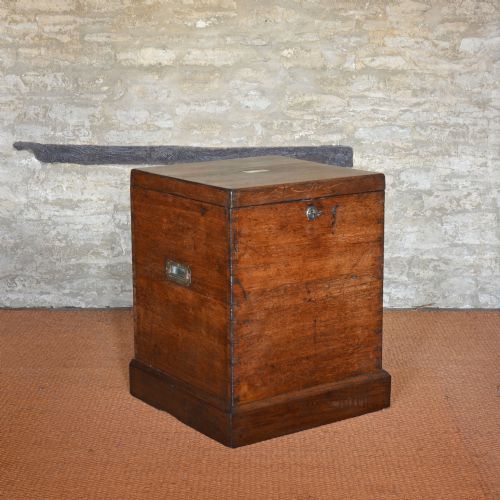
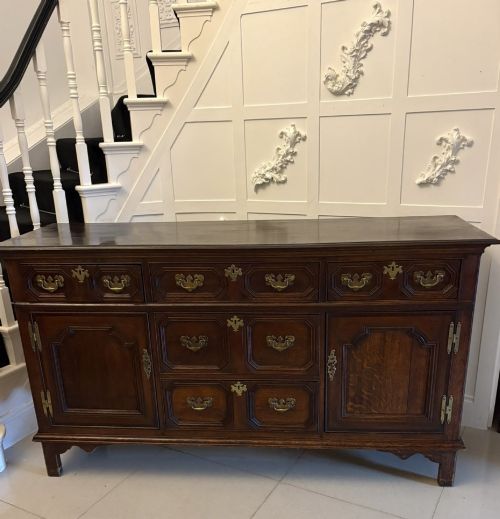
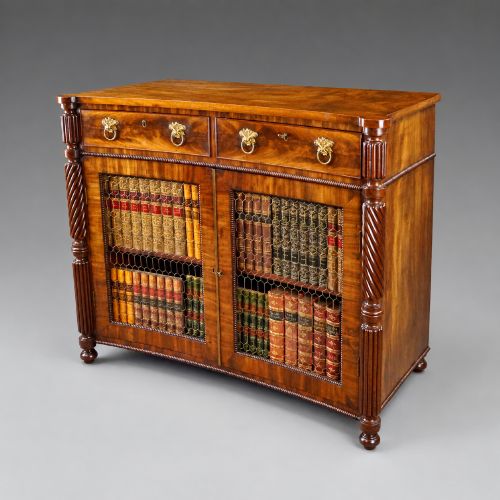
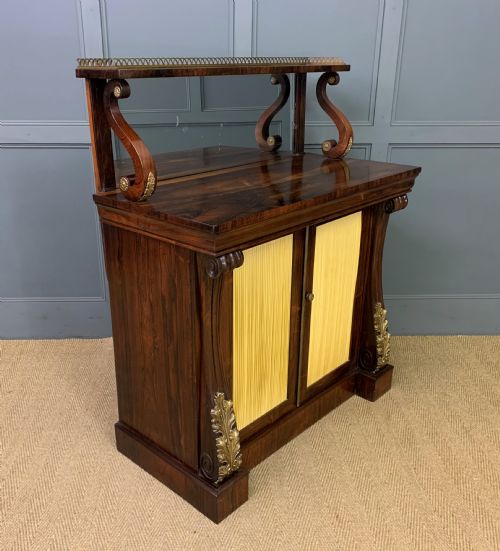
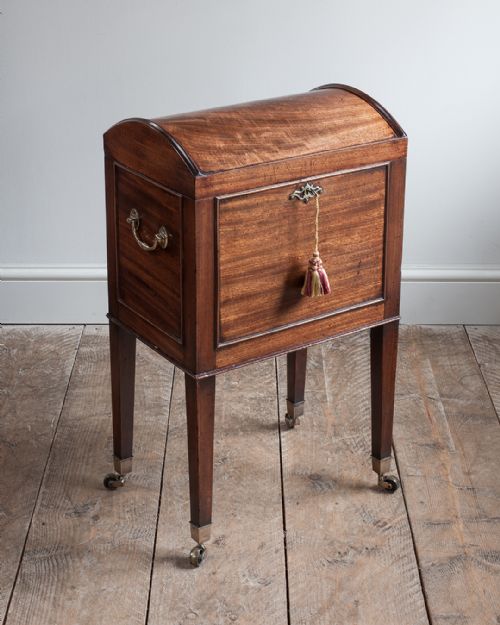
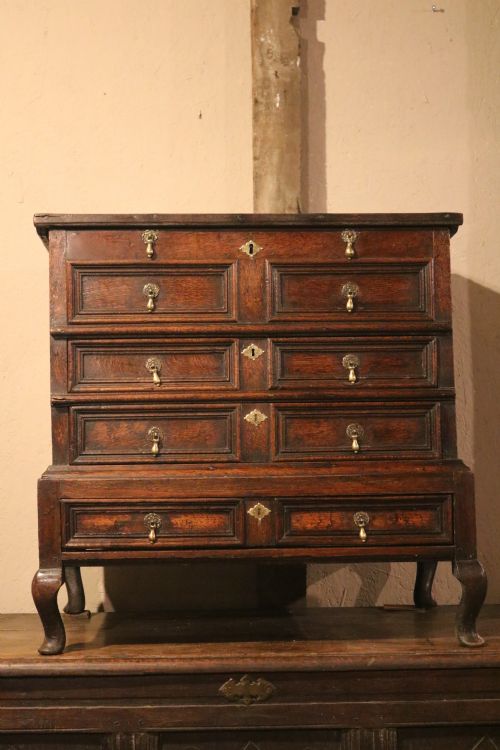
A georgian brass mounted cabinet encompasses a range of refined storage forms, from cellarettes and chiffoniers to side cabinets spanning the eighteenth and nineteenth centuries. These pieces emerge across periods including the Georgian, Regency, and William IV eras, constructed primarily in mahogany, rosewood, oak, and yew wood.
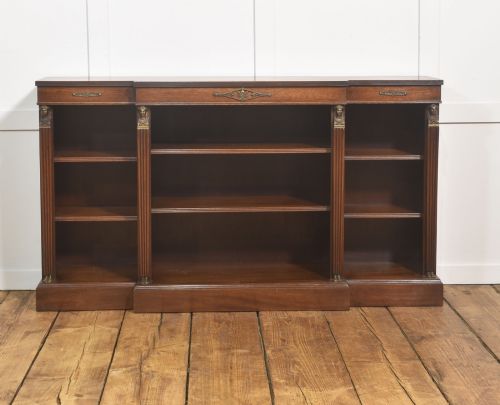
Buyers most frequently encounter side cabinets, bookcases, and cellarettes featuring distinct metal mounts, brass inlay, or brass binding. The inventory demonstrates forms such as breakfront bookcases, hanging corner cupboards, and pedestal cabinets reflecting Georgian and Regency design idioms.
Materials and construction
Cabinet makers utilised dense hardwoods such as mahogany, rosewood, and oak as the foundational structure for these pieces. Timber surfaces often display flame veneers or intricate grain patterns, enhanced by hand-polished finishes.
Brass formed an integral component, applied as linear inlay, structural binding, mounts, and hardware to accent the timber framework. Joinery techniques varied from traditional cabinetry methods for large bookcases to fitted interior compartments in cellarettes and apothecary boxes.
Georgian Brass Mounted Cabinet Retail Price Guide 2026
Typical asking prices for georgian brass mounted cabinet among the pieces listed under this phrase on Sellingantiques today, from the lower quarter to the upper quarter. They describe what is for sale here now, not the wider market.
Several apothecary boxes survive with empty interiors, waiting patiently for a new collection of Victorian glass bottles.
Assessing quality and execution
Quality rests in the precision of the timber selection, such as figured mahogany or matched rosewood veneers, and the crispness of the brass inlay work. Superior examples demonstrate harmonious proportions and meticulous attention to interior secondary woods.
The integration of the brass mounts relative to the cabinet body dictates the overall refinement of the piece. Master craftsmanship appears in the seamless flush fitting of brass stringing and the structural integrity of heavier forms like cellarettes and breakfront bookcases.
John Mclean·Gillows
The Georgian Brass Mounted Cabinet Glossary
- Cellarette
- A fitted cabinet or box designed to hold bottles of wine, frequently lined with lead or divided interiors. These pieces appear commonly in mahogany during the Georgian period.
- Chiffonier
- A low side cabinet or sideboard featuring shelves or enclosed storage below, popular during the Regency and William IV eras. They often incorporate brass gallery rails or intricate inlay.
- Breakfront
- A piece of furniture, such as a bookcase or cabinet, where the central section projects forward from the flanking wings. This architectural arrangement creates depth and visual balance.
- Yew wood
- A durable hardwood with a distinctive figured grain, utilised for select decorative cabinet pieces. Its warm tonality distinguishes specific regional and period items.
- Pedestal cabinet
- A freestanding single-door cabinet resting on a plinth base, frequently encountered in Regency neoclassical designs. These forms combine utility with classical proportions.
Georgian Brass Mounted Cabinet: Frequently Asked Questions
What distinguishes a cellarette from a standard cabinet?
A cellarette functions specifically as a container for storing bottles, often featuring internal divisions and lead linings to manage ice or moisture.
These pieces typically sit lower to the ground than general side cabinets and prioritize secure compartmentalisation over open shelving.
How do Regency and Georgian cabinets differ in style?
Georgian cabinets often display classical carving, rich mahogany tones, and restrained proportions influenced by prevailing architectural trends of the eighteenth century.
Regency examples incorporate bolder neoclassical motifs, extensive brass inlay, and exotic timbers like rosewood to create striking visual contrast.
Where were corner cabinets placed in period homes?
Corner cabinets served to utilise unassigned wall junctions in dining rooms, drawing rooms, and studies for the display of ceramics or glassware.
Both hanging wall cupboards and floor-standing iterations maximised interior floor space while keeping objects secure behind glazed or panelled doors.
How should brass inlay be maintained?
Brass inlay requires gentle cleaning with soft cloths to prevent the accumulation of dust and mild tarnish within the timber channels.
Harsh chemical polishes should be avoided to protect the surrounding wood finish and maintain the flush alignment of the metalwork.