



Georgian Brass Metalwork
Georgian brass metalwork brings tangible domestic utility and rich alloy tones into a room, offering everyday lighting and hearth pieces made to last.
Georgian Brass Metalwork
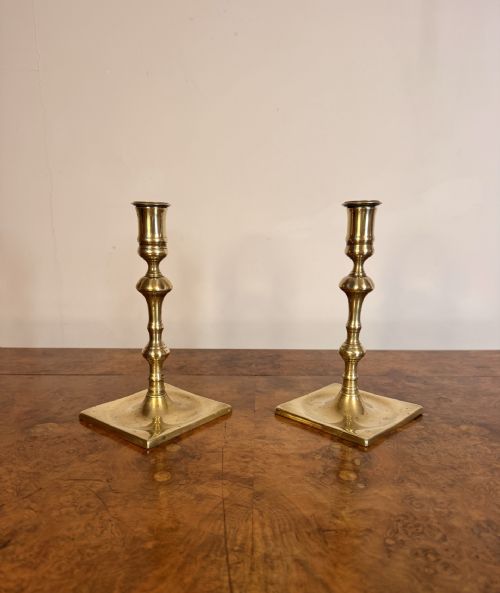
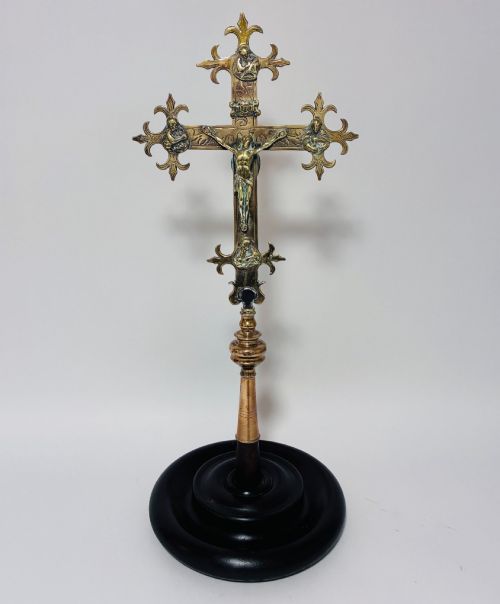
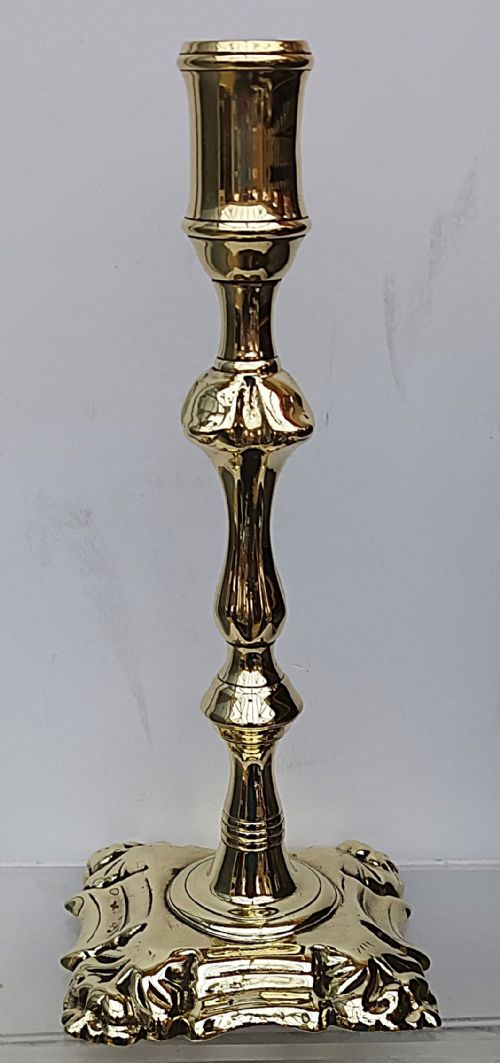
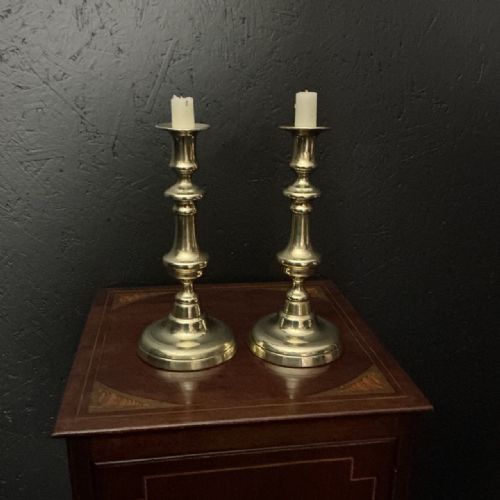
When buyers search for georgian brass metalwork, they encounter practical domestic objects and ecclesiastical items forged or cast during the eighteenth and early nineteenth centuries. The selection centres heavily upon lighting equipment, particularly pairs of candlesticks alongside chamber candlesticks and processional crosses.
Beyond lighting, the form factor extends to copper and brass kettles, mortars and pestles, goffering irons for linen, and decorative doorstops or door porters. Buyers are most likely to meet candlesticks featuring octagonal bases or ejector mechanisms, reflecting the utilitarian needs of the period.
How they were made
The primary material is brass, supplemented by cast brass, bronze, copper, wood, and occasionally paktong. Metalworkers utilised casting techniques to shape heavy components for candlesticks, mortars, and structural bases.
Forming sheet metal and hammering copper created vessels such as kettles and wine coolers. Surface finishing relied on hand-polishing and lathe-turning to refine the profiles of stems and vessels.
Georgian Brass Metalwork Retail Price Guide 2026
Typical asking prices for georgian brass metalwork among the pieces listed under this phrase on Sellingantiques today, from the lower quarter to the upper quarter. They describe what is for sale here now, not the wider market.
Object forms recorded include candlesticks, crosses, kettles, doorstops, mortars and pestles, goffering irons, and wine coolers.
What varies in quality
Quality rests in the crispness of the cast details and the substantial weight of the metal used in construction. Pieces that retain sharp edges on octagonal bases or precise turning lines demonstrate superior foundry work compared to softer, worn examples.
The choice of alloy also influences desirability, with standard brass sitting alongside brighter paktong and heavier bronze. The integration of functional parts, such as working ejector mechanisms in candlesticks, distinguishes utilitarian output from finer domestic items.
The Georgian Brass Metalwork Glossary
- Paktong
- A copper-nickel-zinc alloy originating from China, prized for its bright silver-like appearance and used for chamber candlesticks during the eighteenth century.
- Goffering iron
- A heated metal cylinder mounted on a stand, utilised for pressing frills and ruffs on linen or lace.
- Ejector candlestick
- A candlestick fitted with an internal push-rod mechanism to lift out the residual wax stub.
- Mortar and pestle
- A heavy bowl and club-like tool used for crushing and grinding herbs, spices, or medicinal substances.
- Processional cross
- A crucifix mounted on a long shaft, carried at the head of religious processions.
Georgian Brass Metalwork: Frequently Asked Questions
What is georgian brass metalwork?
Georgian brass metalwork encompasses functional and decorative household items produced in brass, copper, and bronze during the eighteenth and early nineteenth centuries.
Items range from lighting devices like candlesticks to hearth equipment, kettles, and doorstops designed for everyday domestic life.
How do I identify a georgian piece?
Identification relies on examining the weight, construction methods, and material composition of the object. Look for heavy cast components, hand-finished surfaces, and typical period forms such as octagonal bases.
Matching the stylistic markers to the eighteenth or early nineteenth century confirms the era of production.
What was a goffering iron used for?
A goffering iron served to shape and crisp the elaborate frills, collars, and ruffs popular on period garments.
The heated metal cylinder provided the necessary warmth to set the pleats in linen and lace.
How should I clean brass metalwork?
Cleaning requires gentle dusting with a soft cloth to preserve the historic surface and natural patina accumulated over centuries.
Harsh chemical polishes should be avoided because they strip away the aged tones that collectors value.