




Georgian Brass Decor
Georgian brass decor brings utilitarian warmth into domestic rooms through heavy cast candlesticks, kettles, and warming pans.
Georgian Brass Decor
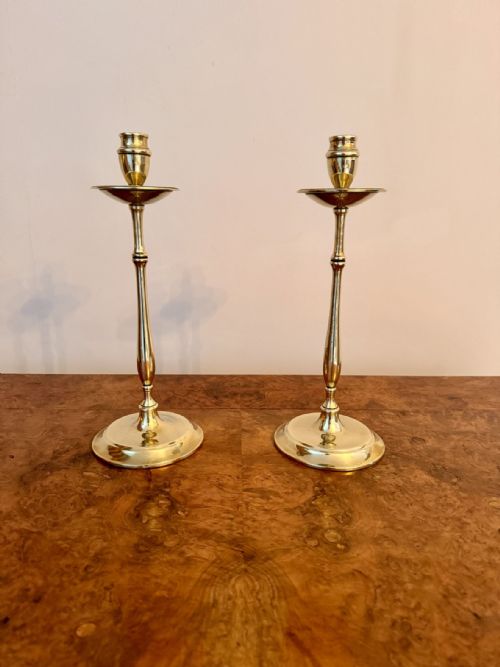
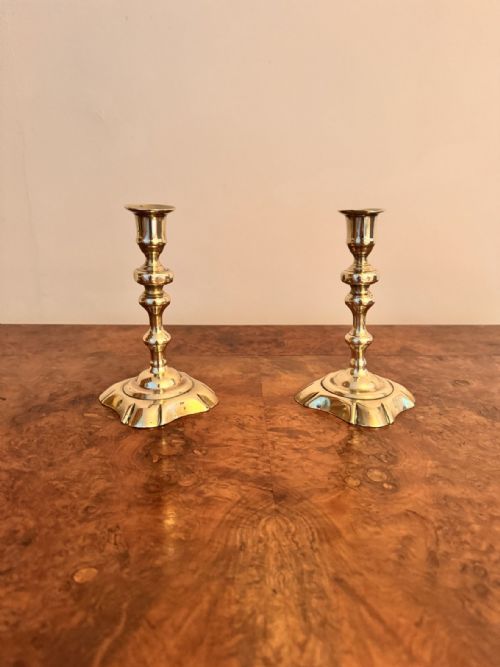
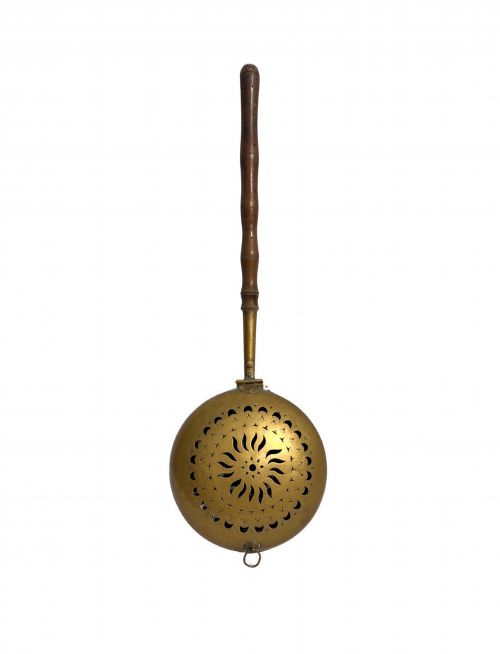
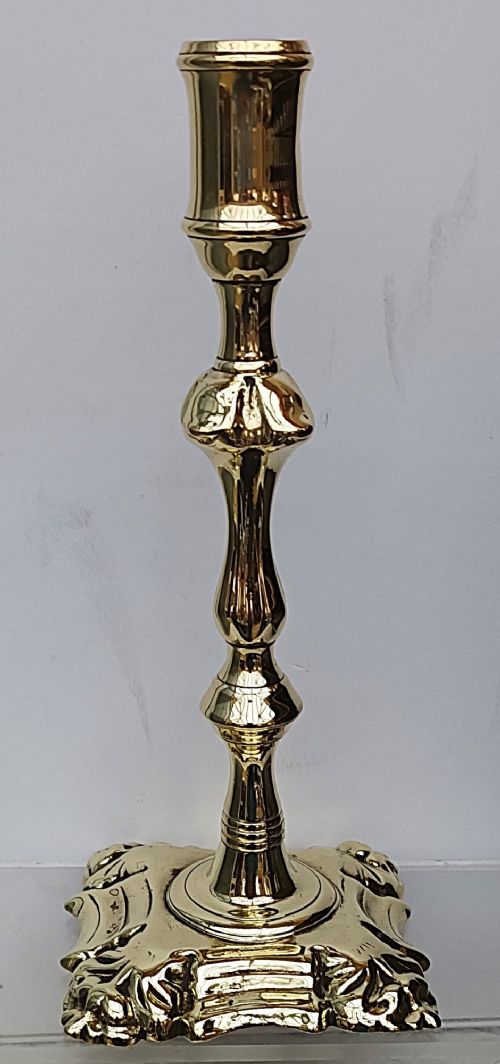
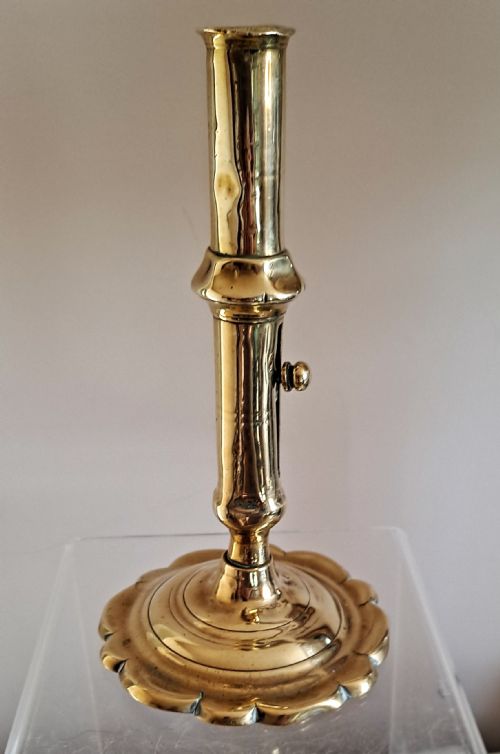
Georgian brass decor encompasses domestic items and fireplace accessories produced during the eighteenth and early nineteenth centuries. Buyers searching for georgian brass decor most frequently encounter candlesticks, alongside utilitarian items such as kettles, bed warming pans, and door porters.
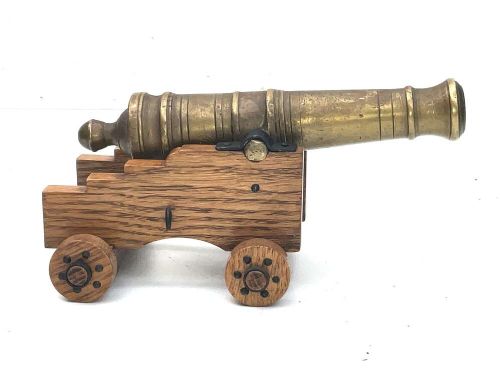
The selection ranges from formal Regency gilt bronze sculptural candlesticks to practical English country cream skimmers and copper coal scuttles. Objects span domestic lighting, heating, and maritime accessories made from durable copper alloy.
Manufacturing origins connect primarily to English workshops, utilising traditional casting and hammering techniques suited to daily household use. These pieces bridge the gap between functional kitchenware and decorative interior ornament.
How they were made
Makers shaped these objects using brass, copper, and bronze, often combining cast components with sheet metal panels. Sand casting produced substantial items like candlesticks and chimney horses, while hammering formed vessels like kettles and warming pans.
Secondary materials such as mahogany, oak, boxwood, and glass appear in items like table globes, thermoscopes, and lustres. Surface finishes range from polished golden brass to dark patinated copper and fire gilt bronze.
Georgian Brass Decor Retail Price Guide 2026
Typical asking prices for georgian brass decor among the pieces listed under this phrase on Sellingantiques today, from the lower quarter to the upper quarter. They describe what is for sale here now, not the wider market.
Listings feature items spanning the 1700s, 1800s, and 1900s, incorporating Queen Anne, Georgian, Regency, and William IV styles.
What varies in quality
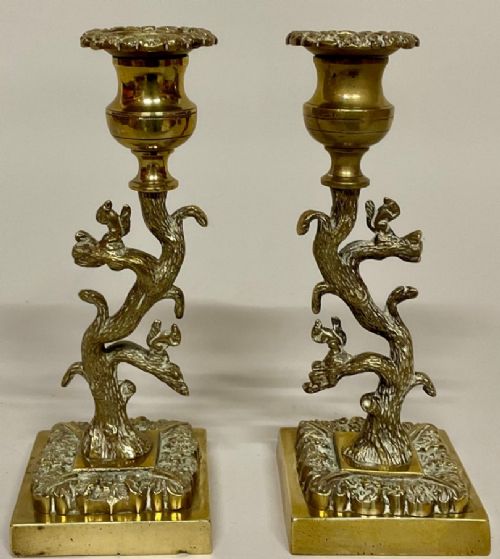
Quality rests in the crispness of casting detail, seen particularly in sculptural elements like tree branches and animal figures. Heavier gauge metal and balanced proportions distinguish finer table items from purely utilitarian wares.
The integrity of construction, including tight joints on turned columns and secure riveted handles on pans, separates standard production from superior workshop output.
Watkins & Hill·J.T & Co·Bianchi Ipswich
The Georgian Brass Decor Glossary
- Campana
- A bell-shaped socket found on candlesticks and girandoles. This classical form supports the candle above a moulded stem.
- Paktong
- A copper-nickel-zinc alloy resembling silver, imported from China and used for high-status eighteenth-century candlesticks. It offers a bright, silvery finish.
- Thermoscope
- An early instrument measuring temperature variations before standard thermometer scales were established. These scientific items often feature boxwood housings.
- Chimney horse
- A heavy metal door stop or porter placed by hearths to prevent draughts. They often incorporate brass handles or decorative front plates.
- Lustre
- A glass mantel ornament hung with crystal prisms. These decorative pieces catch and reflect candlelight in period rooms.
Georgian Brass Decor: Frequently Asked Questions
How do I clean old brass?
Historic brass objects benefit from minimal intervention to preserve their natural age and oxidation. Dusting with a soft dry cloth maintains the surface without removing the valuable dark patina.
Harsh chemical polishes strip away centuries of accumulated tone and lower the historical integrity of the piece. Gentle soapy water suffices for removing heavy grime from utilitarian items.
Were these items purely decorative?
Most georgian brass decor began as functional household equipment for lighting, heating, or food preparation. Candlesticks provided essential illumination before gas or electric lighting existed.
Over time, surviving items transitioned into decorative display pieces for mantlepieces and hallways. Their robust construction allowed them to survive centuries of active domestic service.
How do I spot a reproduction?
Genuine eighteenth and nineteenth-century pieces display authentic casting flaws, hand-file marks, and natural wear patterns consistent with age. Modern reproductions often feel too uniform and lack the deep patination of antique metal.
Examine the construction methods and fastener types to confirm period manufacturing techniques. Old threaded components and hand-turned bases differ significantly from modern machine-made equivalents.
Where were these pieces used?
Households placed these objects across dining rooms, parlours, kitchens, and bedchambers. Candlesticks illuminated writing desks and dining tables, while warming pans heated sheets before bedtime.
Fireplace accessories gathered around the hearth to manage coal and wood fires. Maritime items like scale models and cannons served in studies or ship cabins.