

Georgian Brass Castors
Georgian brass castors support heavy mahogany furniture from the eighteenth and nineteenth centuries, giving tables and chairs mobility on carpets and floors.
Georgian Brass Castors
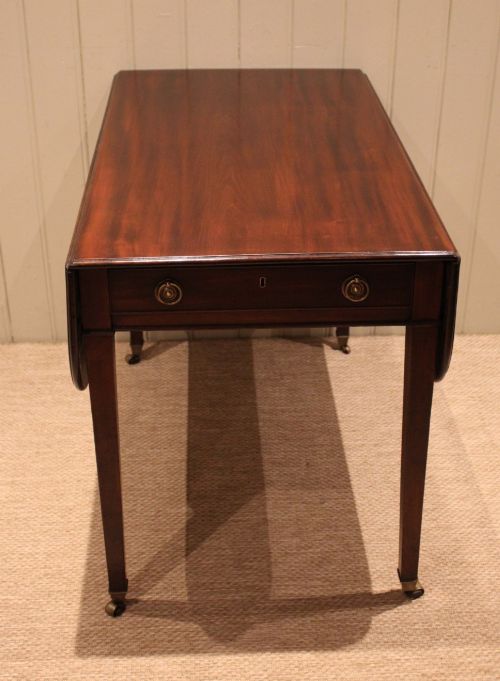
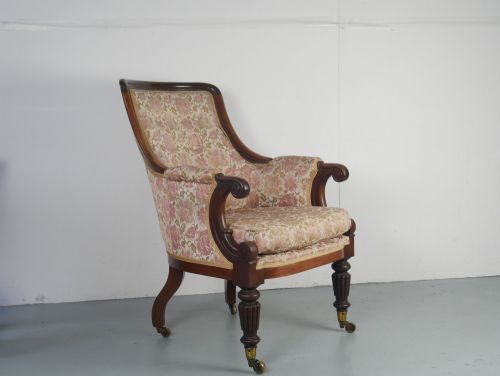
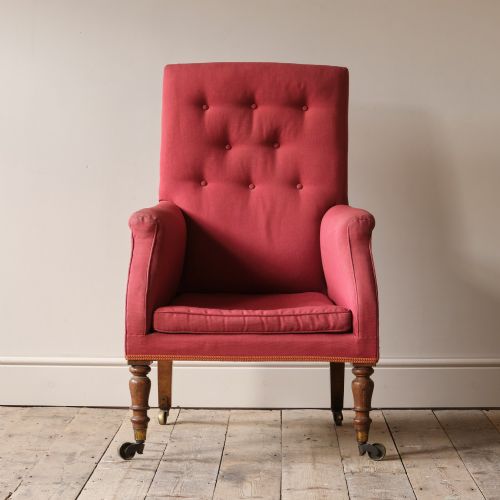
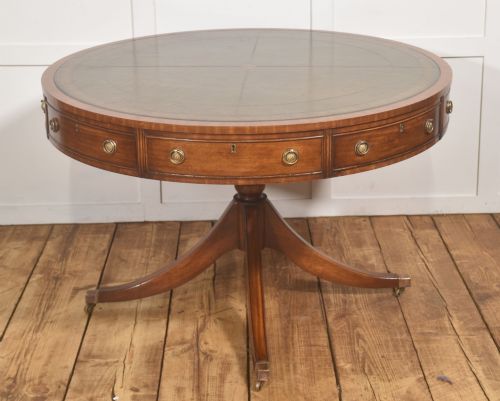
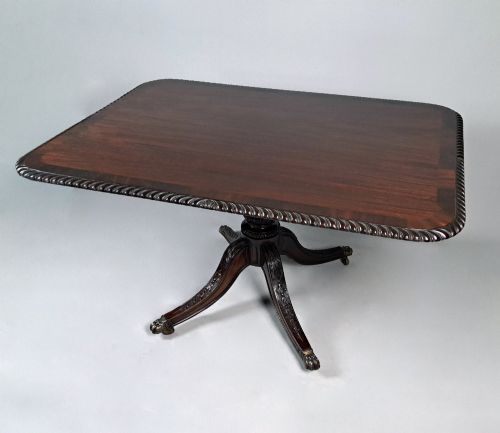
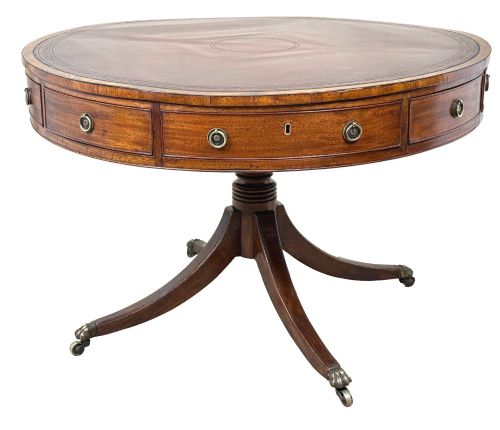
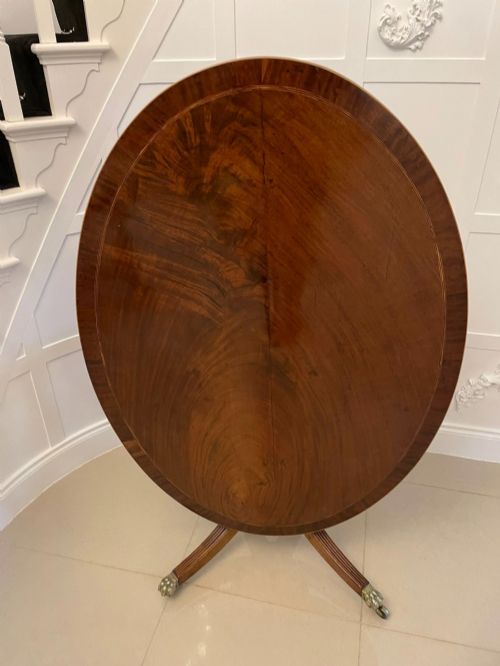
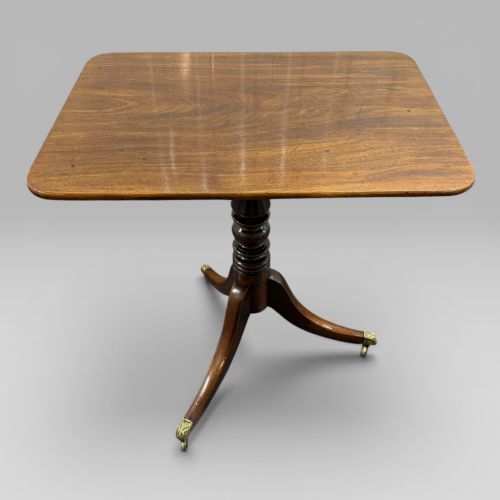
When searching for georgian brass castors, buyers encounter functional wheel attachments fitted to the feet of large wooden furnishings. These metal fittings appear primarily on dining tables, library tables, and seating from the Georgian, Regency, and early nineteenth-century periods.
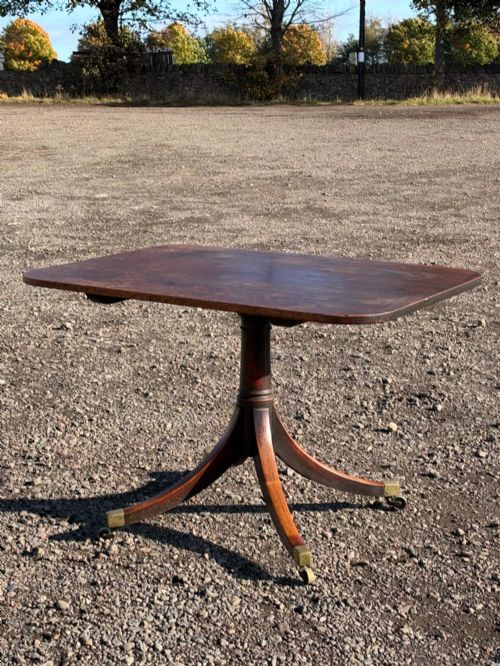
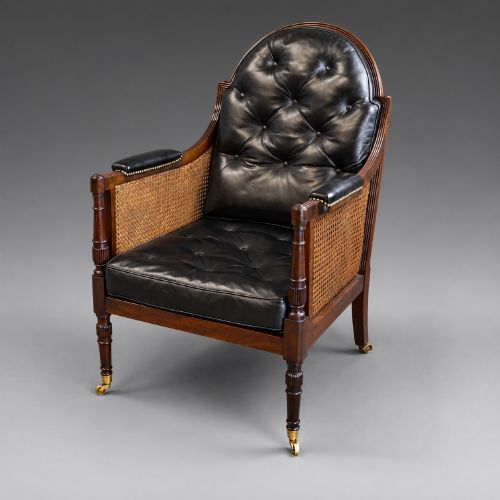
The objects most frequently met on this page are dining tables and armchairs constructed from mahogany, flame mahogany, or yew wood. These pieces often feature pedestal bases or pillar supports where the castors provide essential movement for heavy timber furniture.
Materials and construction methods
Makers utilised cast brass for the wheels and mounts, securing them firmly to the wooden legs of dining tables and occasional pieces. The surrounding timber framework typically consists of solid mahogany, figured mahogany, or oak, shaped and joined to bear the weight of large furniture.
Secondary materials such as leather, fabric, cane, and boxwood inlay appear on the upholstery and decorative surfaces of the associated chairs and tables. Cabinetmakers combined these dense hardwoods with durable metal hardware to ensure longevity under daily use.
Georgian Brass Castors Retail Price Guide 2026
Typical asking prices for georgian brass castors among the pieces listed under this phrase on Sellingantiques today, from the lower quarter to the upper quarter. They describe what is for sale here now, not the wider market.
Listings show mahogany as the dominant wood, accompanied by brass hardware across dining tables, pedestal tables, and library armchairs.
Assessing quality in these pieces
The distinction between standard examples and superior pieces rests on the weight of the brass and the crispness of its casting. Heavier, thicker metalwork indicates a higher grade of production, designed to withstand the stress of moving substantial mahogany tables across floors.
Design integration separates ordinary items from exceptional ones, where the brass mounts match the scale and proportions of the wooden legs precisely. Finer items demonstrate careful carpentry in the fitting of the sockets and the selection of figured timber veneers.
Gillows·Thomas Butler of London
The Georgian Brass Castors Glossary
- Castor
- A small wheel mounted on a swivel, attached to the feet of furniture to allow easy rolling. These brass fittings are characteristic of heavier tables and chairs from the Georgian and Regency eras.
- Pedestal
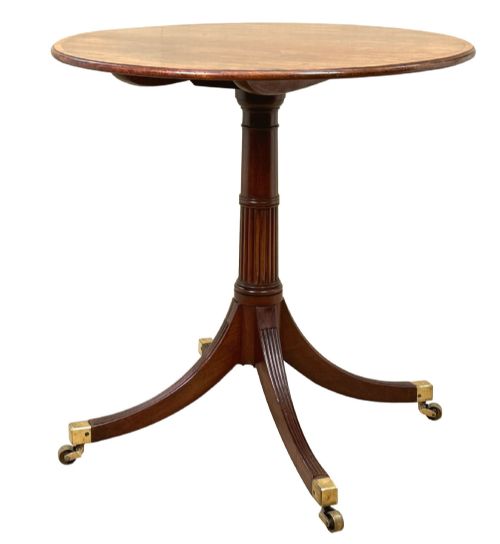
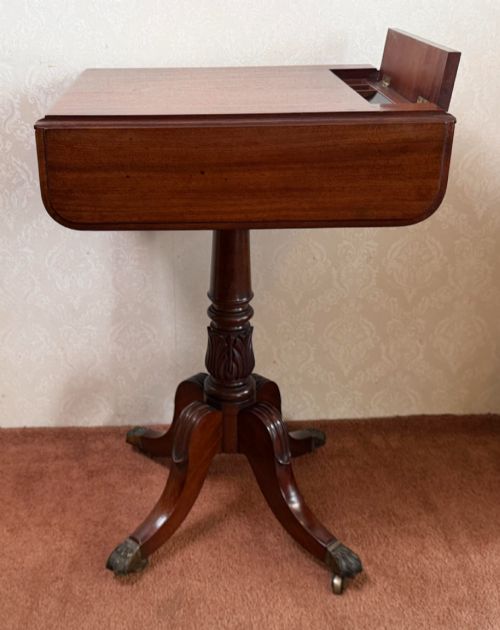
- A central vertical support that holds up the top of a table. Many large dining tables utilise multiple pedestals fitted with brass castors to distribute weight.
- Sofa table
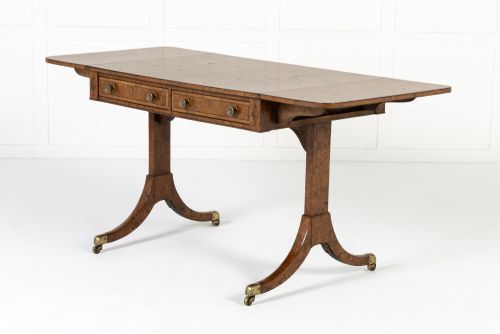
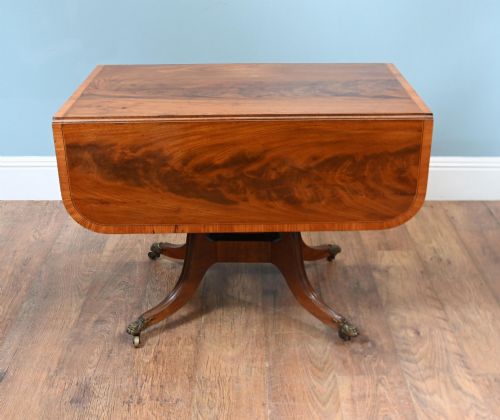
- A rectangular drop-leaf table designed in the late eighteenth or early nineteenth century. They frequently stand on pillar supports equipped with brass castors for repositioning.
- Mahogany
- A durable, reddish-brown tropical hardwood favoured by cabinetmakers for tables and seating. It provides the strong structural base required for furniture mounted on castors.
- Canterbury
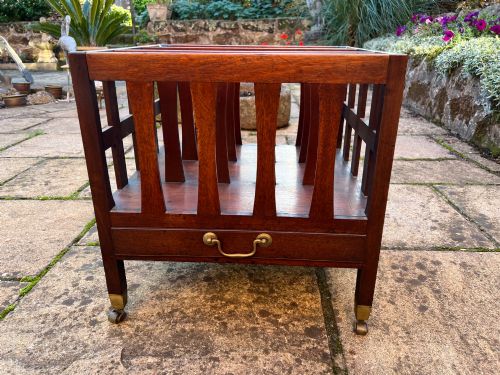
- A low, partitioned stand used for holding music sheets or books, often fitted with castors. This form emerged during the Georgian period and continued into the Regency era.
Georgian Brass Castors: Frequently Asked Questions
What furniture uses brass castors?
Heavy pieces that require frequent movement rely on these metal wheels. Dining tables, library tables, and large armchairs often feature them to protect floors and ease repositioning.
Pedestal dining tables and Pembroke tables use them on their feet to manage their substantial weight.
How do I identify a Georgian castor?
Authentic period examples display the heavier weight and darker patination of old cast brass. The mounting sockets fit snugly into hand-turned wooden feet on mahogany furniture.
Later revival pieces often use lighter metal alloys and machine-turned timber attachments.
Why were castors added to tables?
Large mahogany dining tables and library desks weighed a considerable amount. Adding brass wheels allowed servants to shift heavy furniture for cleaning or room reconfiguration.
Dining tables with multiple pillars needed mobility when extending with extra leaves.
Are these pieces made of solid wood?
Cabinetmakers used dense hardwoods like mahogany and oak for the structural frames of tables and chairs. Finer examples incorporated figured mahogany or satinwood veneers over solid secondary timbers.
Brass castors were then fastened securely to these robust wooden bases.