



Georgian Brass and Steel
Georgian brass and steel combines bright metal and dark forged iron for the hearth and the armoury, made to last centuries.
Georgian Brass and Steel
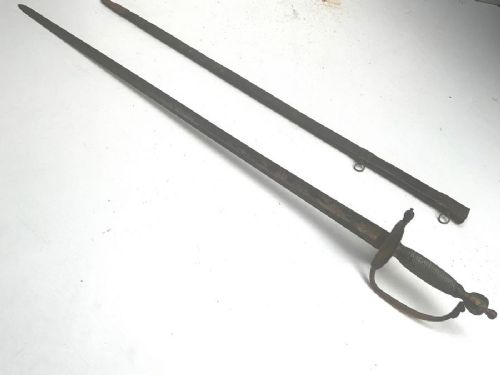
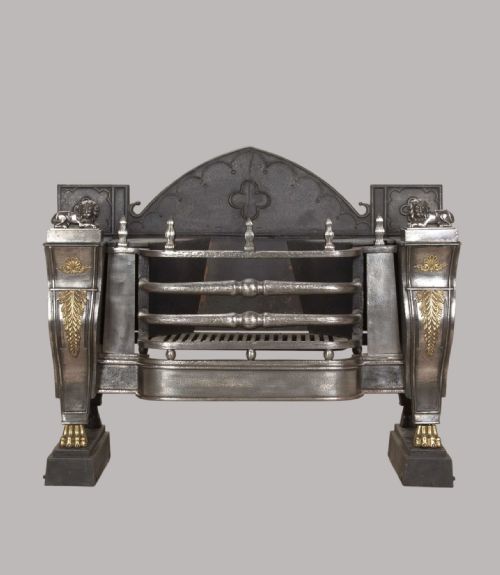
Georgian brass and steel pieces divide cleanly between hearth equipment and edged weapons or firearms, spanning the eighteenth and nineteenth centuries. You meet footmen, fenders, and fire irons alongside flintlock pistols and cavalry swords.
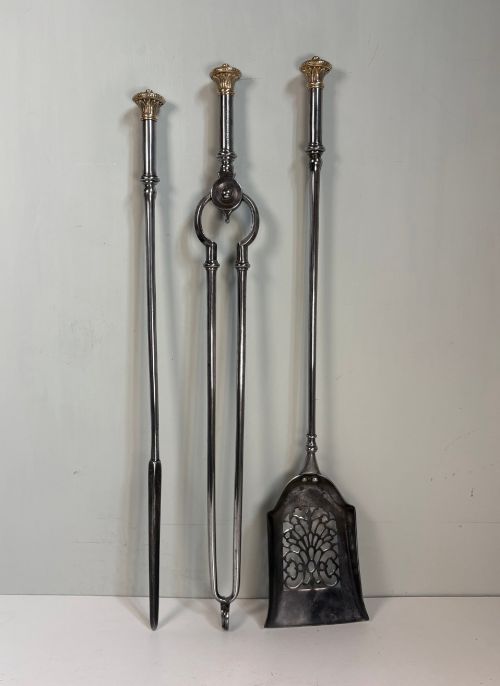
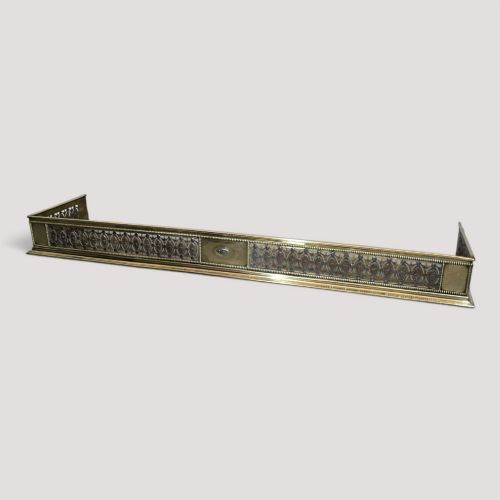
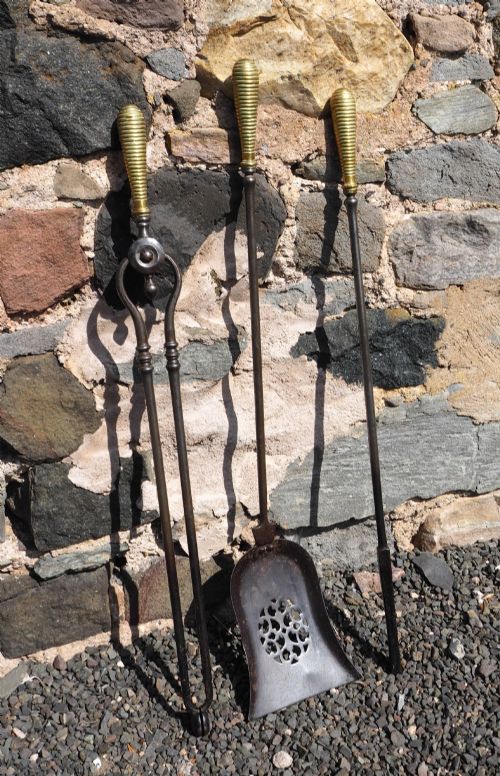
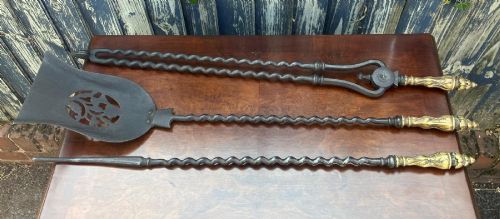
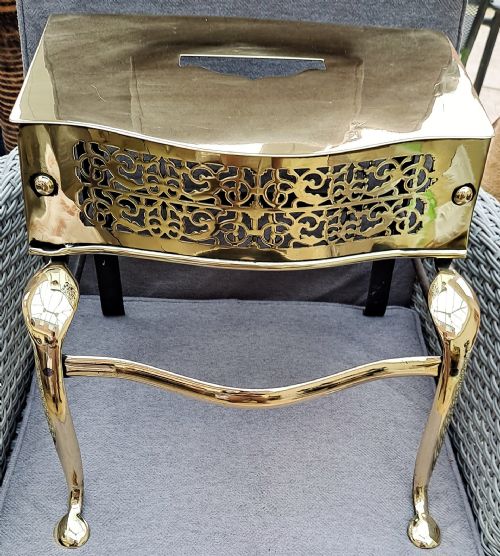
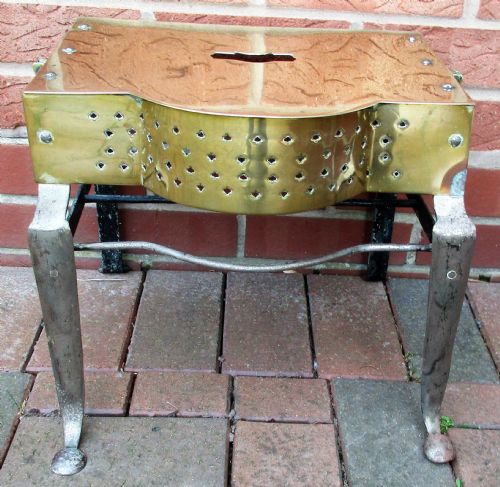
The hearth furniture includes pierced fenders, trivets, and sets of fire irons designed to manage coal and wood fires in period rooms. Military pieces bring together walnut stocks, brass mounts, and steel barrels or blades from British makers.
Materials and Technique
Makers combined cast and wrought iron with bright brass, using steel for blades, springs, and fire iron shafts. Leather appears on scabbards while walnut forms the stocks of military pistols and muskets.
Cast elements were chased and polished, while steel was often blued or polished to a bright finish. Brass mounts and decorative plates were hand-cast and secured with pins or screws.
Mail coach inspectors needed reliable protection, resulting in specialised overcoat pistols built to travel dark nineteenth-century roads.
Judging Quality
Quality rests in the crispness of the casting and the proportion of the brass elements against the steel body. Fenders and footmen show refinement through pierced patterns and substantial gauge metal rather than thin pressed sheets.
Fire irons and weapons demonstrate quality through balanced weight, intact original components, and clean maker signatures where applicable. The relationship between the warm brass and the polished steel defines the visual success of each piece.
Harrison of London·Henry Nock·Thomas Henshaw·Thomas Anelli·I Parr·J Robinson·A.W Spires
The Georgian Brass and Steel Glossary
- Footman
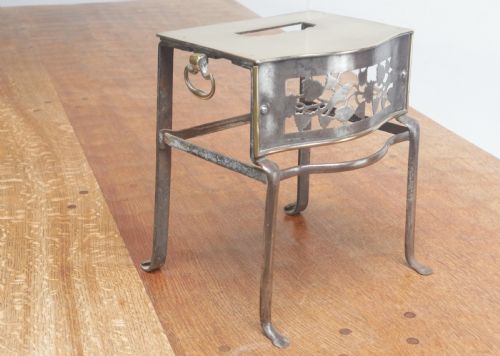
- A metal stand placed near the fire to keep food or kettles warm. These items combine a brass top plate with sturdy steel or iron legs.
- Fender
- A low metal guard placed around the hearth opening to contain ash and rolling embers. They often feature pierced brass galleries above a heavy steel base.
- Flintlock
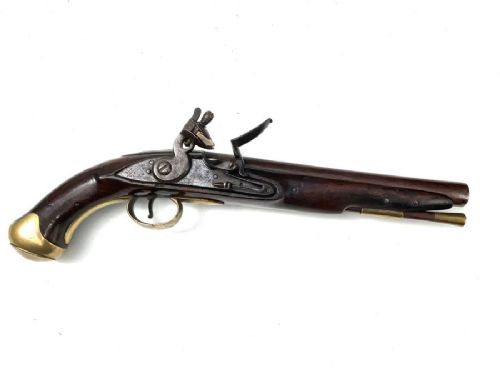
- A firearm ignition mechanism that uses a flint striking a steel frizzen to create sparks. This system dominated military and civilian arms throughout the period.
- Spadroon
- A lightweight, straight-bladed military sword with a single or double edge, popular with British officers. They combine steel blades with brass hilts.
Georgian Brass and Steel: Frequently Asked Questions
How do you clean brass and steel?
Maintenance requires careful cleaning to preserve the historic surface without removing patination. Brass responds well to gentle polishing while steel needs protection from active rust.
Keep metalwork dry and apply a microcrystalline wax to steel components to maintain the finish.
Were these fire irons used daily?
Fire irons were daily working tools designed to tend coal and wood fires in domestic and public rooms. Their robust construction handled intense heat and heavy use.
Sets typically included tongs, a poker, and a shovel, forged to match the fender or grate.
How are flintlock pistols dated?
Dating relies on proof marks, maker signatures, lockplate engravings, and military cyphers such as crown stamps. Specific barrel shapes and brass mount styles also indicate production decades.
Comparing lock mechanisms against known military contracts helps narrow down the year of manufacture.