
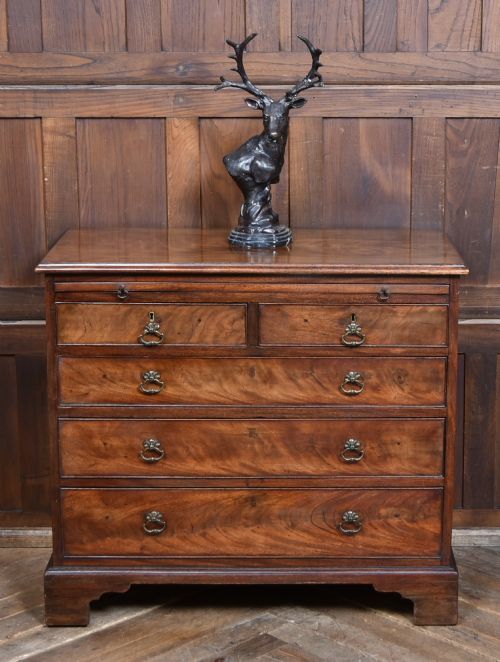
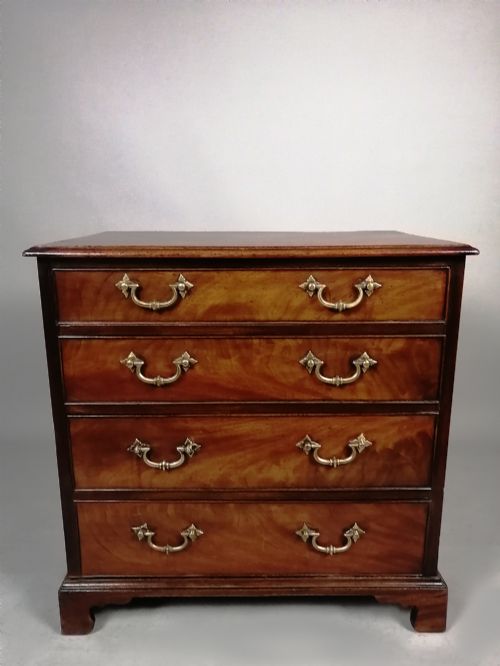
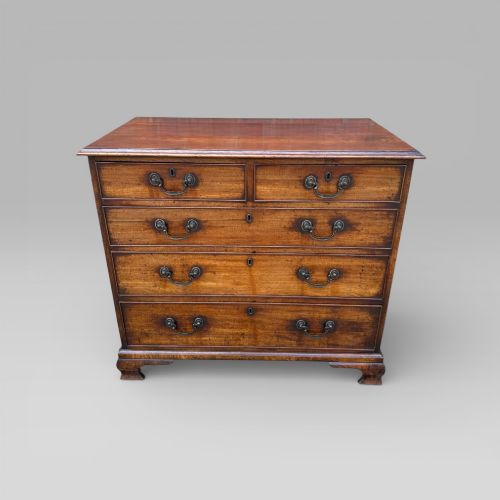
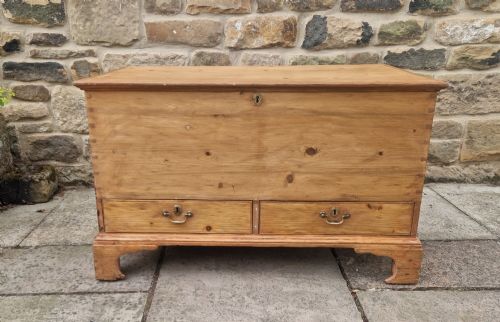



Georgian Bracket Foot Coffer
Georgian bracket foot coffer pieces are robust timber storage trunks and chests holding decades of history for practical daily interiors.
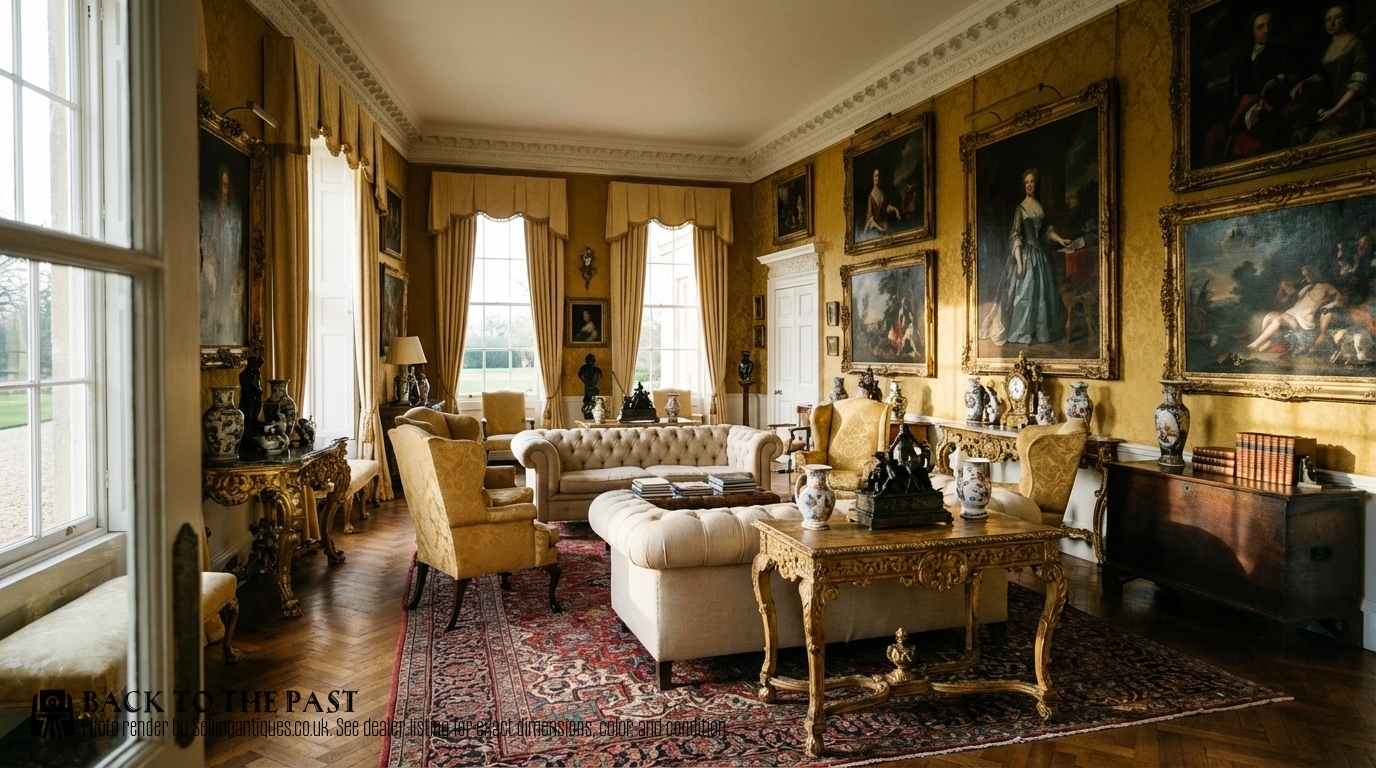
Georgian Bracket Foot Coffer
A georgian bracket foot coffer search covers sturdy timber blanket boxes, mule chests, and storage trunks resting upon distinct corner supports. These pieces emerge primarily from eighteenth century workshops spanning the Georgian, George I, George III, and Regency eras.
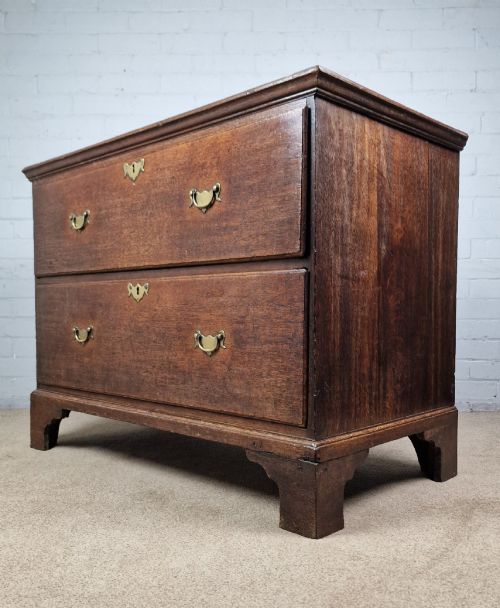
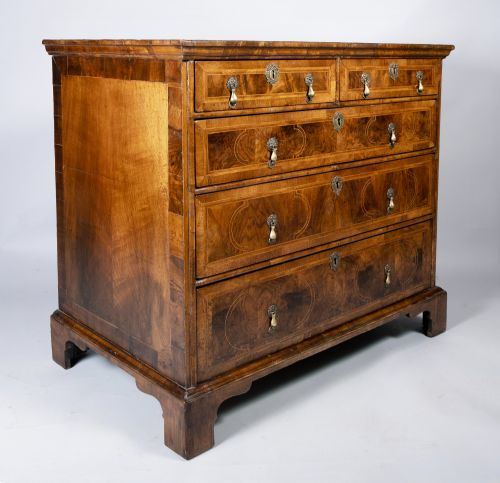
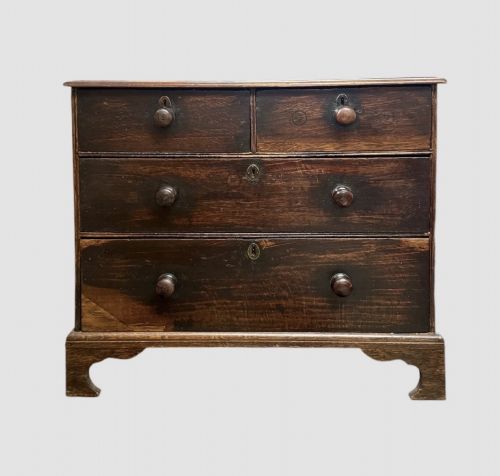
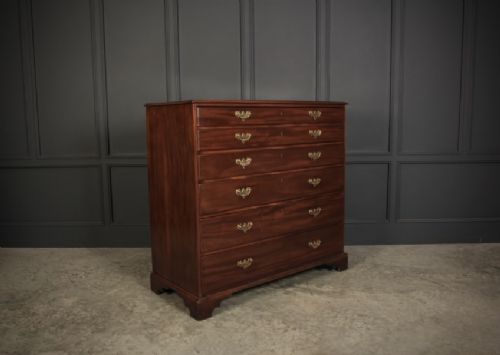
The selections on this page lean heavily towards practical oak and mahogany chests of drawers alongside deep blanket boxes and storage bins. Each surviving item reflects the utilitarian domestic needs of period households across England.
Materials and construction methods
Cabinet makers relied on durable native oak and imported Cuban mahogany, complemented by walnut, pine, and burr walnut veneers. Timber boards were joined securely to withstand heavy domestic use in bedrooms and living spaces.
Metal hardware such as brass handles and iron fittings were incorporated to reinforce corners and drawers. Bracket feet were individually shaped and applied directly to the base corners to elevate the heavy wooden bodies.
Some chests double as fireside bins, proving ancestors were just as keen on hiding clutter near the hearth as we are.
Distinctions in craftsmanship
Superior examples showcase carefully selected timber grains, such as figured Cuban mahogany or rich burr walnut, matched across drawer fronts and lids. The refinement of the bracket foot carving and the precision of the dovetail joints separate master cabinet work from standard utility pieces.
Original surface patination and untouched brass fixtures elevate a piece significantly above items with heavily restored or replaced elements. The structural integrity of the internal carcass and drawers dictates the true longevity of each item.
J Moorcroft
The Georgian Bracket Foot Coffer Glossary
- Bracket foot
- A corner support projecting downward from the base of a cabinet or chest, shaped like a bracket.
- Mule chest
- A storage chest featuring one or more drawers beneath the main lifting compartment.
- Cellarette
- A fitted cabinet or box originally designed to hold wine bottles near the dining table.
- Brushing slide
- A pull-out shelf integrated into the front of a chest of drawers to serve as a temporary writing or sorting surface.
- Dovetail
- A interlocking joint used in drawer construction known for holding timbers firmly together without excessive glue.
Georgian Bracket Foot Coffer: Frequently Asked Questions
What is a bracket foot coffer?
A bracket foot coffer is a traditional wooden storage chest or box raised on distinct corner feet. These pieces were built for household storage during the eighteenth and nineteenth centuries.
They offer deep internal space paired with stable architectural bases. Many survive in sturdy oak or mahogany.
How do I date a Georgian chest?
Dating relies on examining timber species, construction joints, and hardware styles. Eighteenth-century pieces often use hand-cut dovetails and native oak or early mahogany.
Changes in handle design and foot shape also help narrow down the decade of production. Regency examples display distinct stylistic shifts towards classical restraint.
Where were these chests used?
Original locations included bedrooms, parlours, and hallways for storing heavy textiles, blankets, and clothing. Cellarettes served wine storage duties near dining areas.
Today they function effectively as living room coffee tables or bedroom storage trunks. Their robust construction suits active modern spaces.
How should I care for antique timber?
Keep wooden chests away from direct heat sources and strong sunlight to prevent timber splitting and fading. Regular dusting with a dry cloth maintains the surface finish.
Apply traditional beeswax occasionally to nourish dry grain. Avoid modern chemical sprays that damage historic polishes.