
Georgian Bow Cabinet
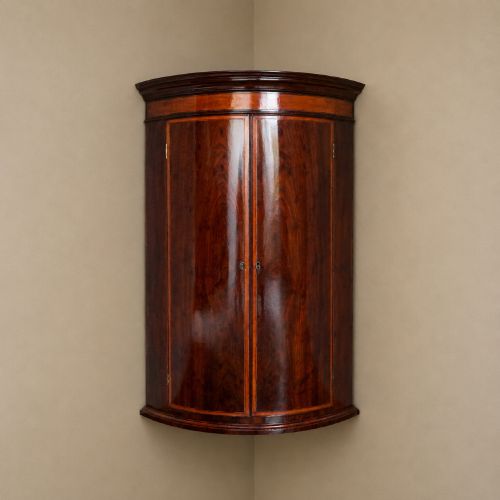
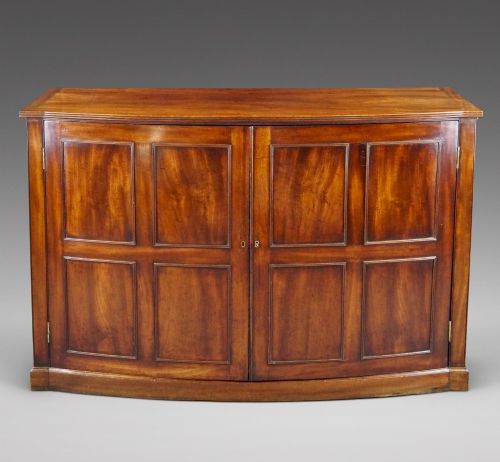
When you search for a georgian bow cabinet, you are looking at curved storage pieces built to soften the rigid angles of a traditional room.
Georgian Bow Cabinet
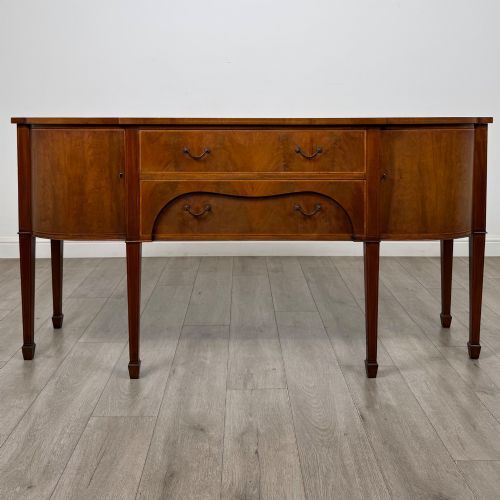
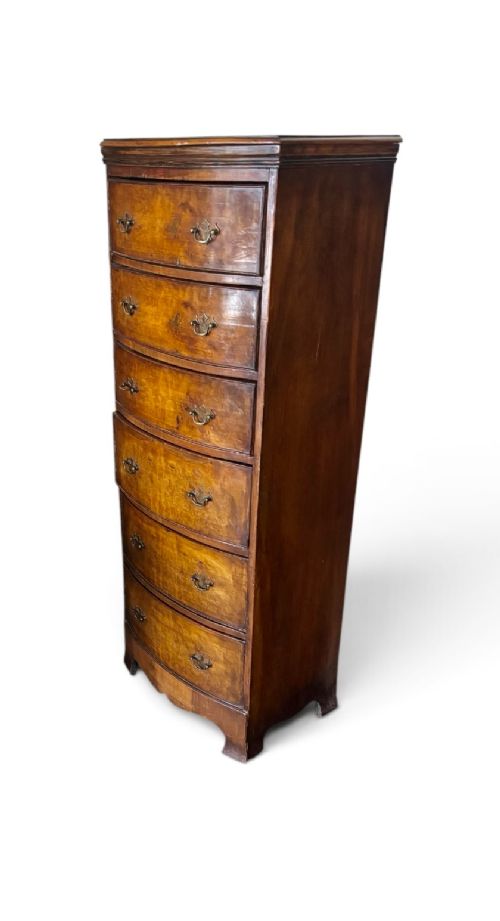
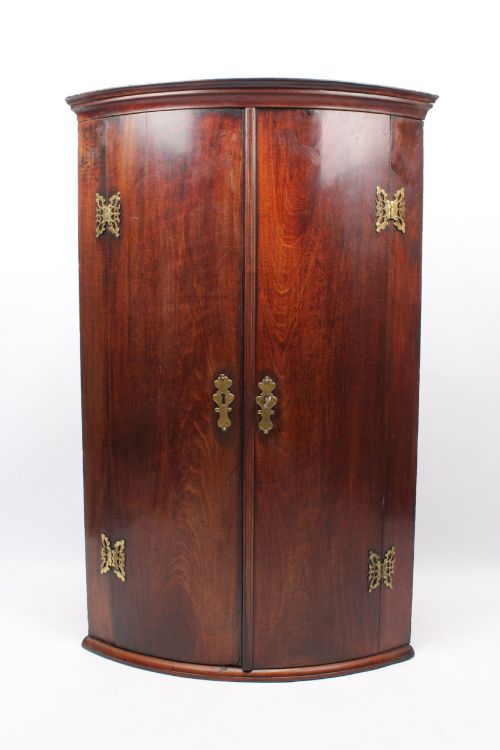
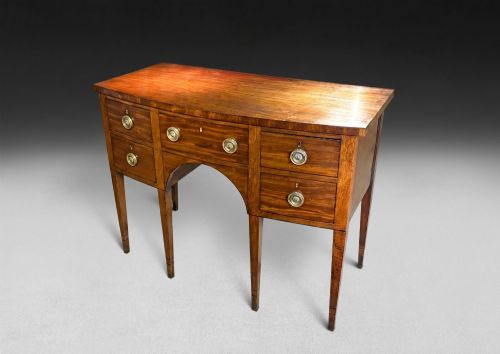
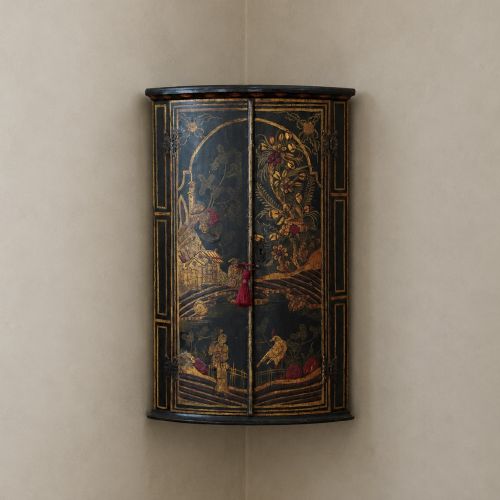
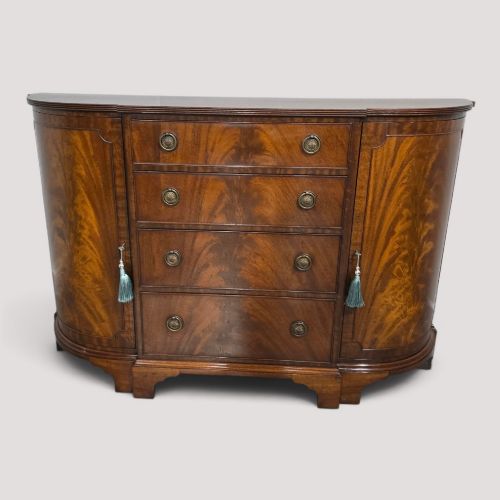
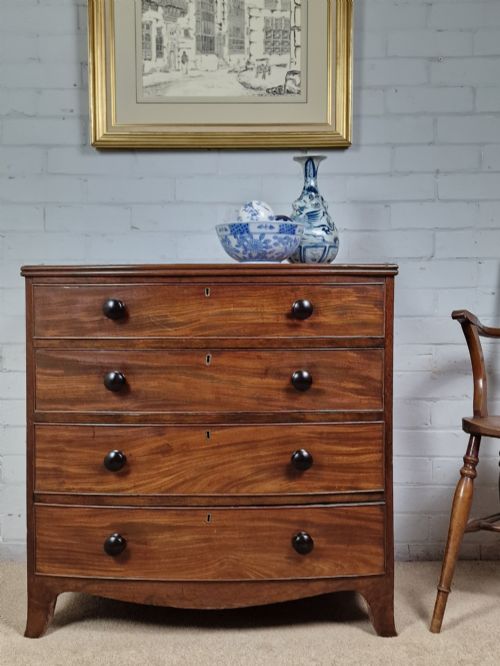
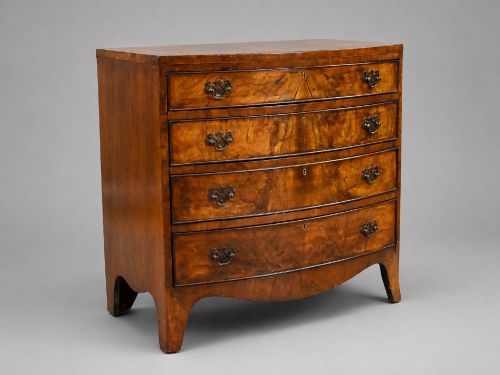
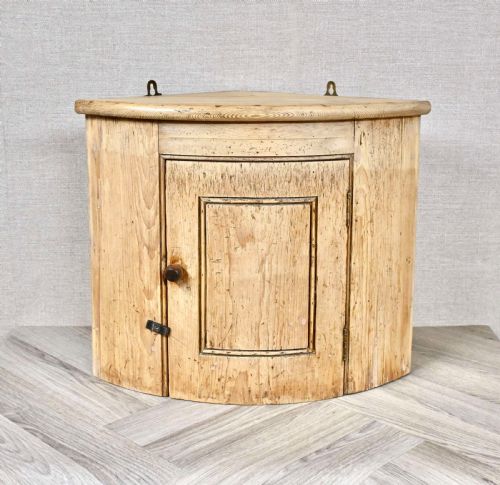
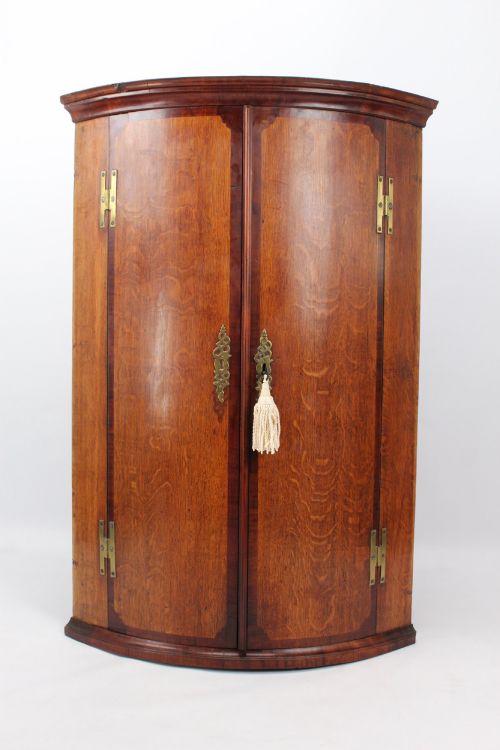
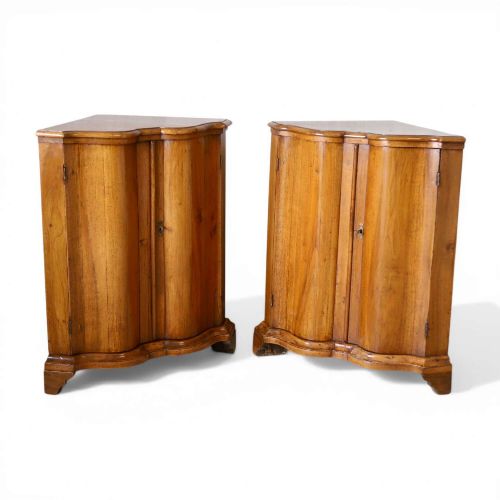
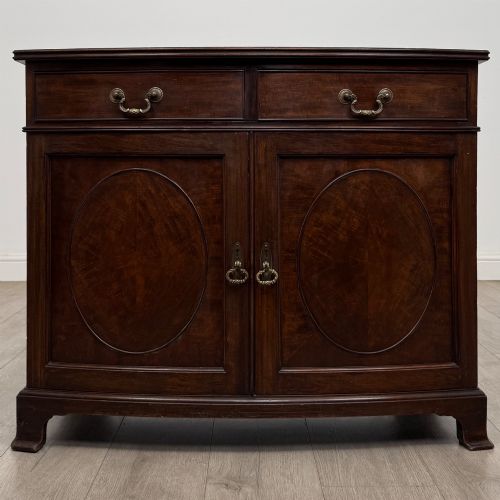
A georgian bow cabinet most commonly appears as a wall-hanging corner cupboard or a freestanding sideboard, chest of drawers, and linen press. These pieces emerge predominantly from the Georgian, George III, and Regency periods, continuing into later Edwardian revivals.
Makers designed the curved front to project outward into the room, creating a convex profile that distinguished standard rectangular storage. Corner cupboards dominate the early archive, while sideboards and chests of drawers appear frequently among both current listings and sold stock.
Materials and Construction
Cabinet makers relied heavily on solid oak and rich mahogany, often selecting figured varieties like plum pudding mahogany or flame mahogany for primary surfaces. Secondary woods and decorative accents incorporated satinwood, walnut, boxwood, and brass hardware.
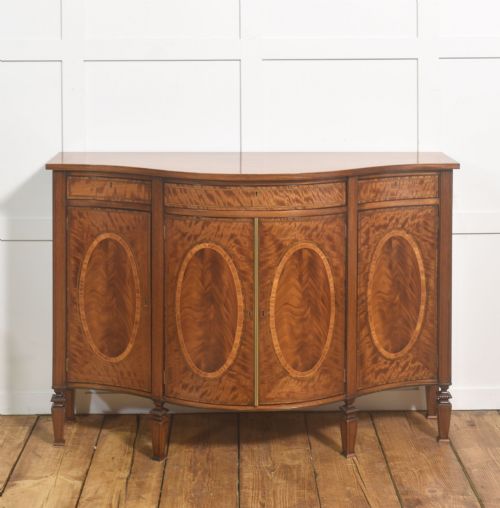
The characteristic curved front required specialised joinery to bend timber or laminate multiple layers securely. Inlaid details using contrasting light woods often bordered the doors and drawers of high-status pieces.
Listings feature eighteenth and nineteenth-century pieces alongside Edwardian revivals, constructed in mahogany, oak, walnut, and satinwood.
Assessing Craftsmanship
Quality rests upon the selection of timber veneers and the precision of the curved drawer fronts or door panels. Superior examples display carefully matched grain patterns that wrap fluidly across the convex curve without interruption.
The refinement of the inlay work and the integrity of the original brass hinges and escutcheons signal higher workshop standards. Lesser pieces show simpler construction, plain pine carcasses, or heavy later alterations.
The Georgian Bow Cabinet Glossary
- Bow front
- A convex, outward-curving front profile typical of select cabinets, sideboards, and chests of drawers. This design softens room geometry and increases central storage depth.
- Linen press
- A tall storage piece featuring upper cabinet doors enclosing sliding trays for textiles, positioned above a base of wider drawers. Georgian examples often showcase figured mahogany and inlaid borders.
- Chinoiserie
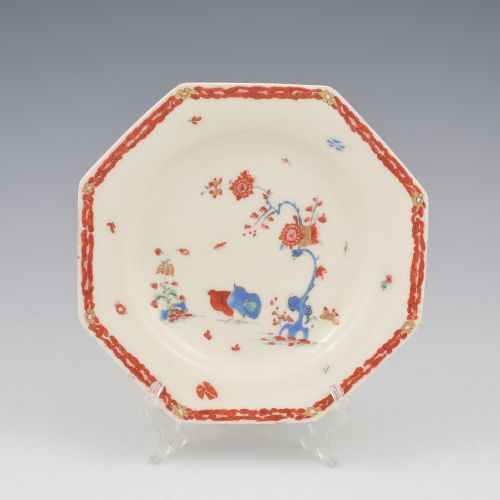
- European decorative style imitating Chinese artistic motifs, frequently rendered as hand-painted lacquer scenes on a japanned ground. This technique appears on specific eighteenth and nineteenth-century corner cupboards.
Georgian Bow Cabinet: Frequently Asked Questions
Where do I put a corner cupboard?
These wall-hanging or standing units fit directly into room angles to utilise awkward dead space efficiently. They work effectively in dining rooms or hallways where standard rectangular furniture protrudes too far.
Ensure the wall structure can support the weight of solid timber carcasses, particularly when dealing with dense eighteenth-century oak or mahogany examples.
How do I clean mahogany surfaces?
Dust regularly with a soft, dry cloth and apply a traditional beeswax polish sparingly to nourish the timber. Avoid modern silicone sprays that build up a sticky residue over time.
Keep wooden cabinets away from direct sunlight and radiators to prevent the mahogany or flame veneers from drying out and cracking.
How do I date a Georgian piece?
Examine the construction methods inside the drawers, looking for hand-cut dovetails and timber linings rather than modern metal fixings or plywood. Secondary woods like oak or pine inside the carcass often provide clues to regional English workshops.
Stylistic markers such as Sheraton Revival inlays point toward later Edwardian interpretations, whereas genuine George III pieces exhibit earlier cabinet-making proportions.
What is a tallboy?
A tallboy combines a chest of drawers stacked vertically, offering substantial storage capacity with a relatively small floor footprint. Walnut and mahogany versions from the early twentieth century mimic earlier proportions.
These pieces suit bedrooms and dressing areas where vertical wall space is available but floor width is restricted.