






Georgian Bow Back Chairs
Georgian bow back chairs bring sturdy English country character to a room, offering practical seating built from traditional local timbers.
Georgian Bow Back Chairs
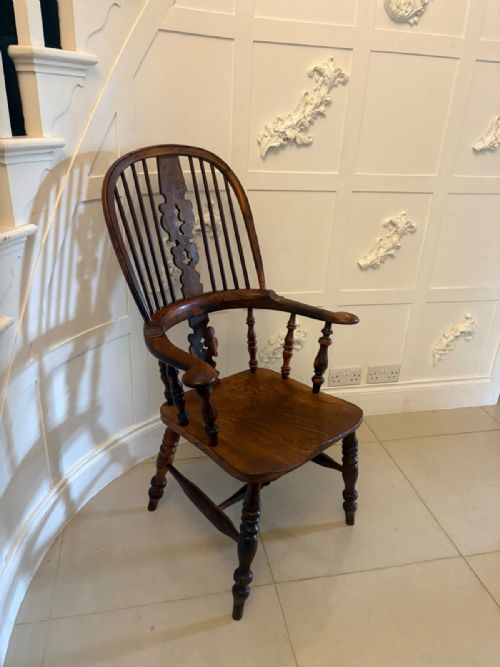
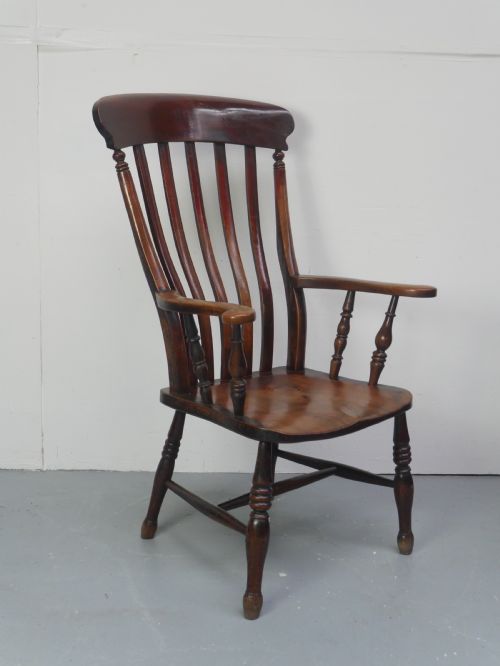
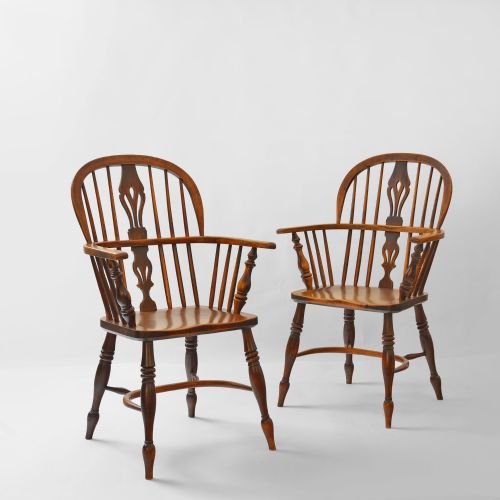
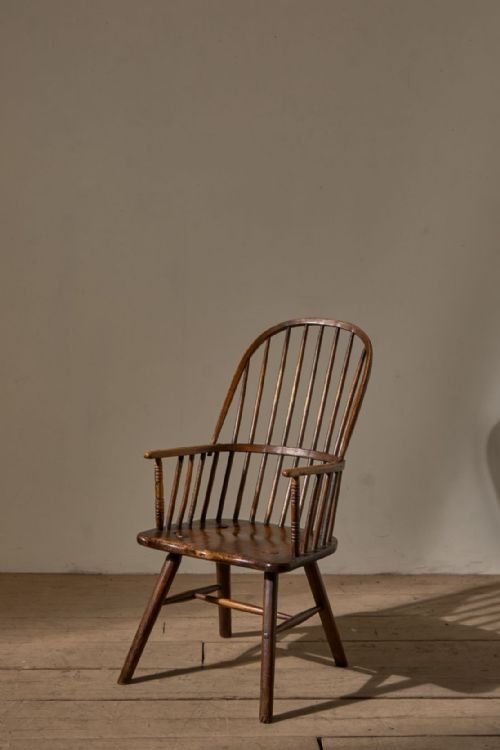
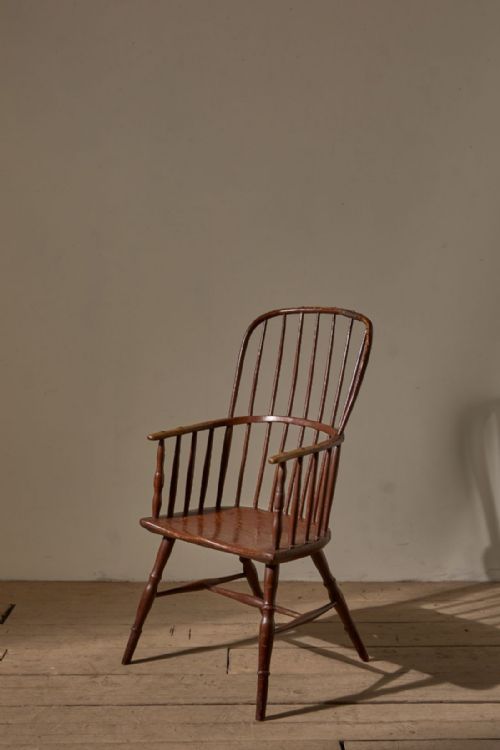
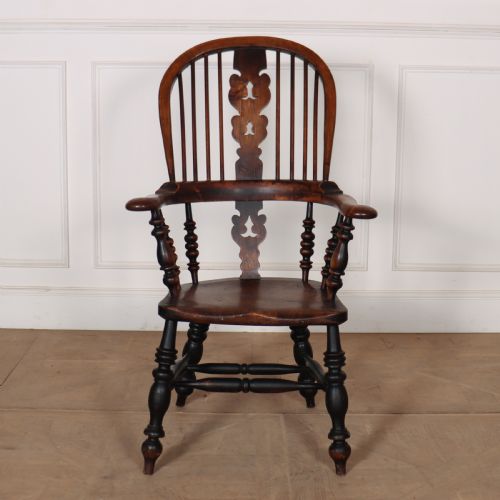
When buyers search for georgian bow back chairs, they encounter robust vernacular seating designed for practical use in farmhouses and country homes. These pieces predominantly take the form of armchairs, dining chairs, and childs armchairs originating from the eighteenth and nineteenth centuries.
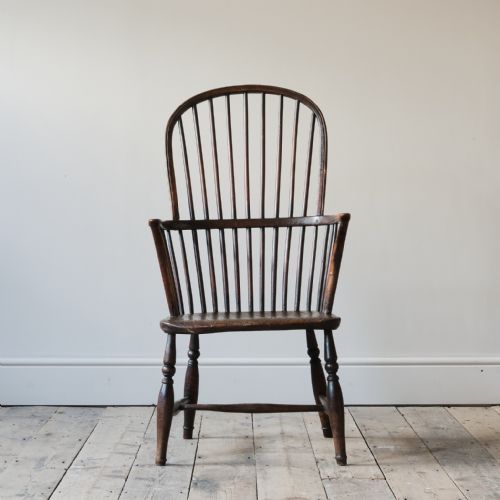
The selection on this page demonstrates strong regional traditions, including Scottish and Yorkshire examples alongside English country house variations. Most listings reflect vernacular styles such as Windsor seating with hoop, low, and stickback designs executed in solid native woods.
How they were made
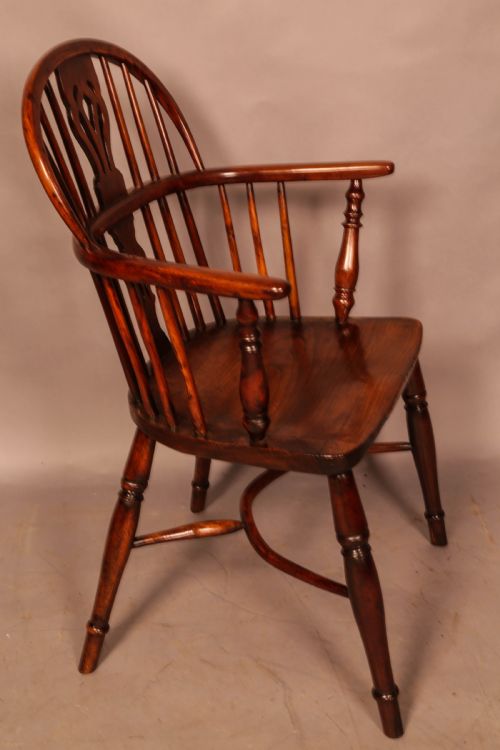
Maker-craftsmen built these chairs by combining contrasting native timbers to serve specific structural functions. Ash typically formed the resilient framework and legs, whilst elm provided a strong, carved seat slab and yew added rich grain to the bowed backs.
Joinery relied on traditional turned spindles and pegged joints rather than metal fixings, allowing the frame to accommodate natural wood movement. Some pieces retain original brown paint applied over the timber, whilst others display the exposed grain of polished yew wood.
Georgian Bow Back Chairs Retail Price Guide 2026
Typical asking prices for georgian bow back chairs among the pieces listed under this phrase on Sellingantiques today, from the lower quarter to the upper quarter. They describe what is for sale here now, not the wider market.
Primary timbers recorded in the evidence include elm, ash, yew, beech, and mahogany, occasionally finished with original paint.
What varies in quality
The distinction between standard examples and superior pieces rests on the choice of timber and the complexity of the turning work. Yew wood examples with well-figured grain and broad armrests generally command greater appreciation than simpler utilitarian ash and beech versions.
Proportion and retention of original surface patination also define the upper tier of these chairs. Elements such as a crisply defined saddle seat, well-balanced stickbacks, and documented maker attributions elevate an individual piece above standard regional workshop production.
John Brand of Sleaford·Rockley Maker
The Georgian Bow Back Chairs Glossary
- Windsor chair
- A traditional wooden chair featuring a solid carved seat into which the legs and back spindles are separately socketed. This construction method provides exceptional stability.
- Hoop back
- A continuous curved wooden bow that forms the top rail and arm supports of the chair. It is typically steam-bent from a single piece of timber.
- Low back
- A chair design where the back rail sits lower relative to the seat, offering a compact profile often associated with early vernacular seating.
- Stickback
- A chair back constructed from multiple simple turned vertical spindles rather than a central splat. This utilitarian form distributes weight evenly across the hoop.
- Patina
- The surface sheen and colour acquired by wood through decades of handling, polishing, and natural ageing. It indicates long-term use and care.
Georgian Bow Back Chairs: Frequently Asked Questions
Are these chairs comfortable for daily dining?
Most examples feature ergonomically carved wooden saddle seats designed to support extended sitting periods without upholstery.
Their sturdy timber construction makes them robust enough for regular use around a kitchen or dining table.
How do I identify a yew wood chair?
Yew timber displays a distinctively warm reddish-brown tone combined with intricate, swirling grain patterns and occasional dark knots.
It tends to feel heavier and denser than standard ash or beech alternatives.
Can I mix these chairs with modern tables?
Their organic timber tones and traditional craftsmanship allow them to complement contemporary minimalist or rustic interiors alike.
Placing a single armchair in a study or pairing a set around a plain wooden table creates a striking visual contrast.
What distinguishes an 18th century chair from a later copy?
Earlier pieces exhibit hand-turned spindle variations, native timber shrinkage patterns, and historic tool marks left by regional joiners.
Subtle irregularities in the construction often point to authentic period manufacture rather than later industrial replication.