





Scottish Georgian Chairs
These scottish georgian chairs combine regional craft traditions with classic forms, offering robust construction and distinct local character for any interior.
Scottish Georgian Chairs
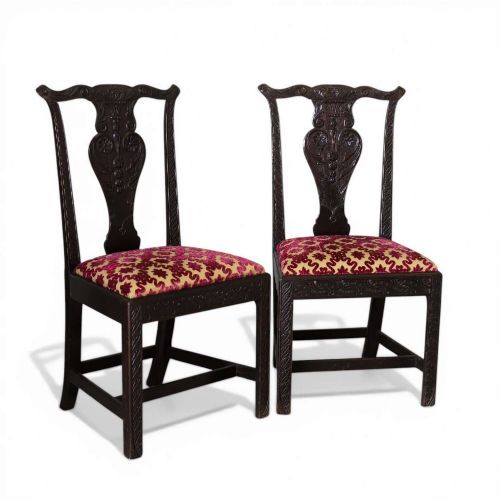
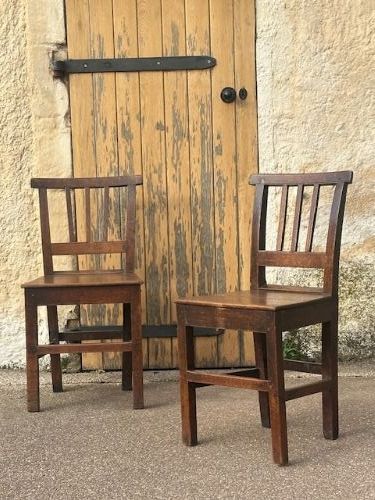
Scottish georgian chairs encompass a variety of seating forms, including side chairs, dining chairs, armchairs, and hall chairs dating primarily from the eighteenth and nineteenth centuries. Regional makers produced pieces ranging from vernacular oak designs to sophisticated mahogany seating reflecting metropolitan influences.
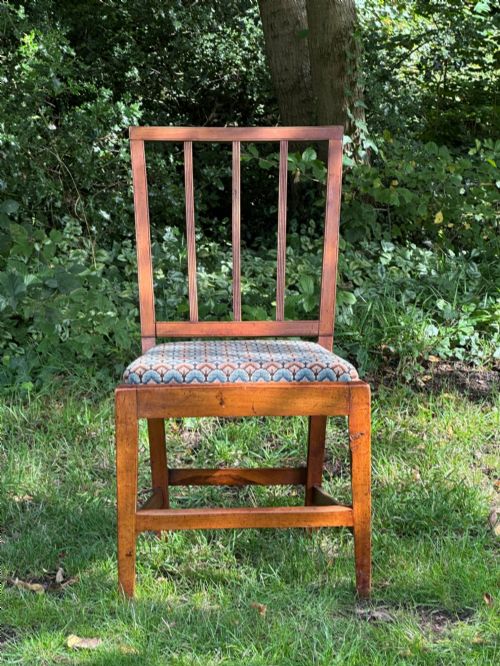
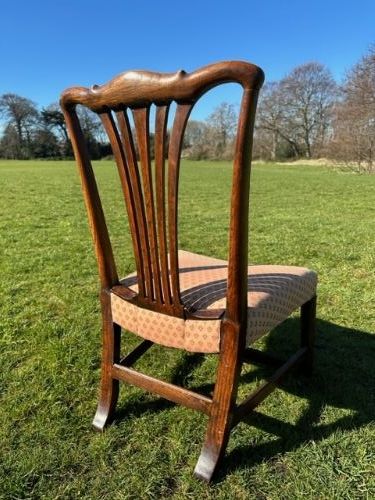
Buyers frequently encounter dining chairs and armchairs shaped by George III and Regency styles, alongside distinct local variants such as Cockpen chairs and fan back designs in birch, oak, and walnut. These seating options serve practical functions in dining rooms, halls, and studies while displaying notable cabinetmaking skills.
How They Were Made
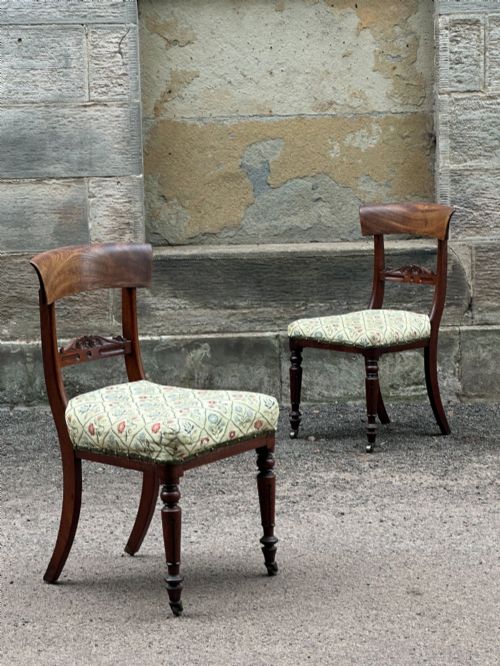
Joiners and cabinetmakers utilised dense timbers such as mahogany, oak, walnut, and birch to construct sturdy frames using traditional mortise and tenon joinery. Selected pieces incorporate carved decorative motifs and turned elements executed directly in the solid wood.
Upholstery materials including leather, brass details, and various fabrics complete the seats, with needlepoint and modern textiles appearing on surviving examples. Construction techniques prioritized structural integrity alongside refined surface finishes.
Scottish Georgian Chairs Retail Price Guide 2026
Typical asking prices for scottish georgian chairs among the pieces listed under this phrase on Sellingantiques today, from the lower quarter to the upper quarter. They describe what is for sale here now, not the wider market.
Listings feature pieces spanning the eighteenth century through to the Edwardian era and the 1920s, constructed in mahogany, oak, walnut, birch, and brass.
What Varies In Quality
The standard of carving and the crispness of detail on elements like splats and legs distinguish finer examples from simpler provincial work. Timber selection also dictates grade, with dense, well-figured mahogany or richly patinated walnut marking superior execution.
Structural preservation and the survival of original joinery without excessive timber replacement determine the integrity of a piece. The quality of the underlying frame construction and upholstery support further separates standard utility seating from high-status commissions.
Whytock & Reid of Edinburgh
The Scottish Georgian Chairs Glossary
- Cockpen chair
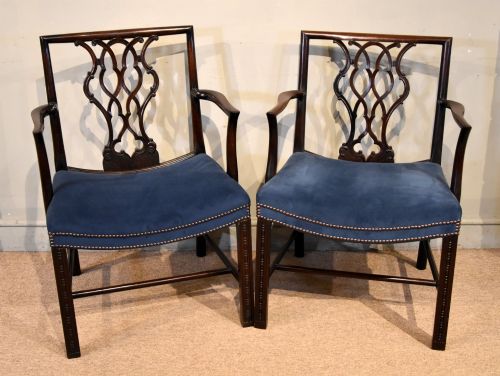
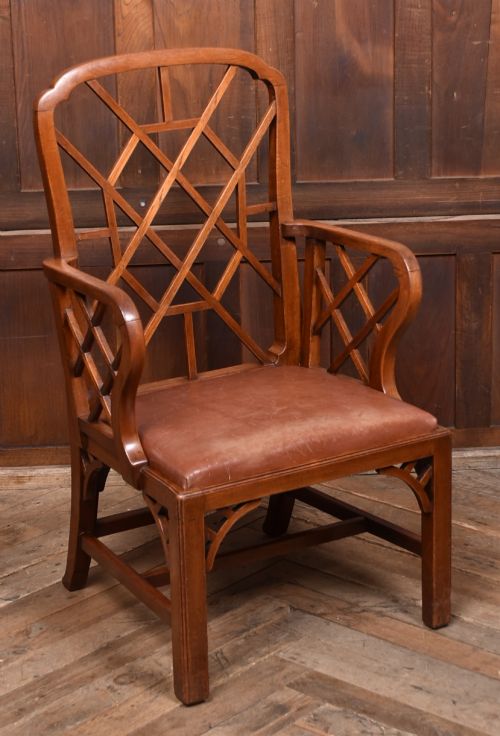
- A Chinese Chippendale style chair with a straight square leg and an open lattice fretwork back, popular in Scotland during the eighteenth century.
- Fan back chair
- A seating form featuring radiating slats or splats arranged in a fan shape within the upper backrest, often seen in regional Scottish work.
- Vernacular
- Objects made by local craftsmen for regional use, drawing on traditional local styles rather than following strict metropolitan academic designs.
- Grecian style
- A design influence from the Regency period incorporating classical motifs derived from ancient Greek architecture and furniture forms.
- Hall chair
- A rigid wooden seat placed in entrance halls, typically un-upholstered and carved with family crests or decorative panels.
Scottish Georgian Chairs: Frequently Asked Questions
What defines a scottish georgian chair?
Scottish georgian chairs are seating pieces produced in Scotland during the eighteenth and early nineteenth centuries, sharing stylistic traits with English Georgian design while incorporating local timber choices and regional cabinetmaking techniques.
These pieces range from formal mahogany dining chairs to vernacular oak and birch seating made by regional makers.
How do i identify a cockpen chair?
A Cockpen chair is recognised by its distinctive open lattice work back and straight square legs, reflecting eighteenth-century Chinese Chippendale influences adapted by Scottish makers.
Such chairs are typically constructed from solid woods like mahogany or ash and provide a lighter visual appearance while maintaining structural strength.
Were these chairs used in dining rooms?
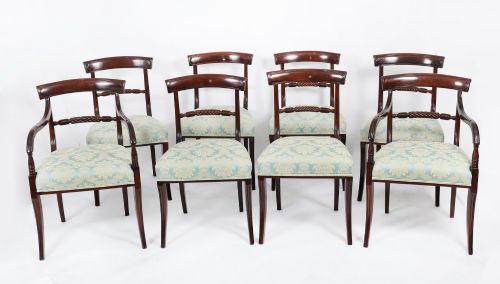
Many surviving examples served as dining chairs, often found in matched sets or larger groupings intended for formal household dining.
Alongside dining chairs, the category includes armchairs, hall chairs, and low chairs designed for specific rooms and reception spaces.
What woods were commonly used?
Makers relied heavily on imported mahogany for high-status urban furniture, while regional workshops utilised domestic timbers including oak, walnut, birch, and elm.
Combinations of woods often appear within a single piece, with secondary timbers utilised for internal framing and seat blocks.