

Georgian Bookcase with Doors
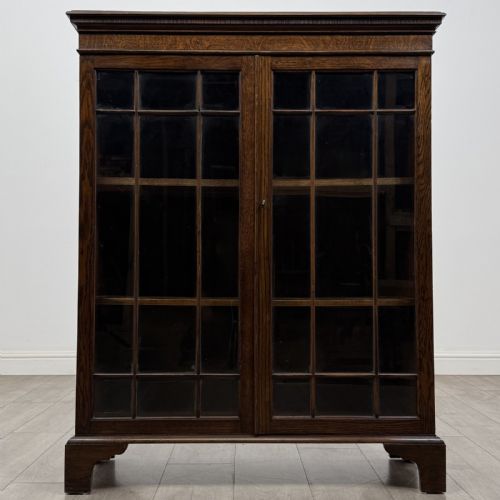
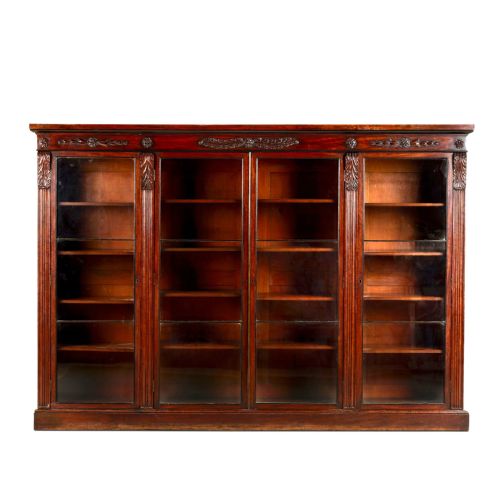
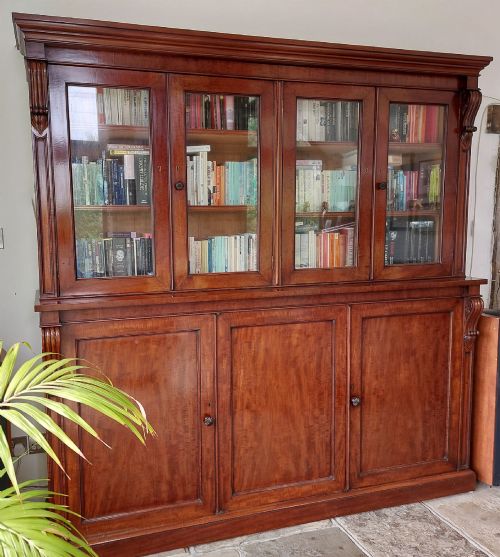
A georgian bookcase with doors holds centuries of volumes behind glass or timber, bringing architectural order and rich mahogany grain to a room.
Georgian Bookcase with Doors
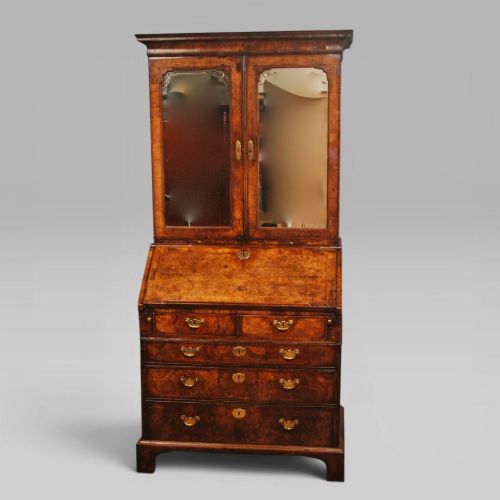
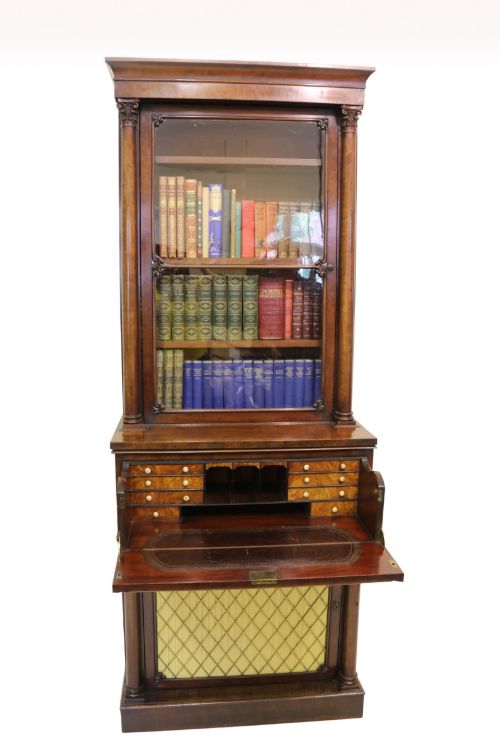
A georgian bookcase with doors brings together tall shelved upper cabinets and lower storage chests or writing sections, forming substantial furniture built for domestic libraries and studies. You meet bureau bookcases and secretaire variations most often, alongside glazed door cabinets dating from the eighteenth century into the nineteenth century.
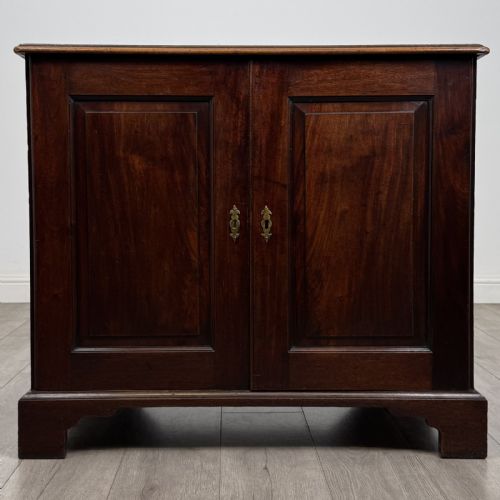
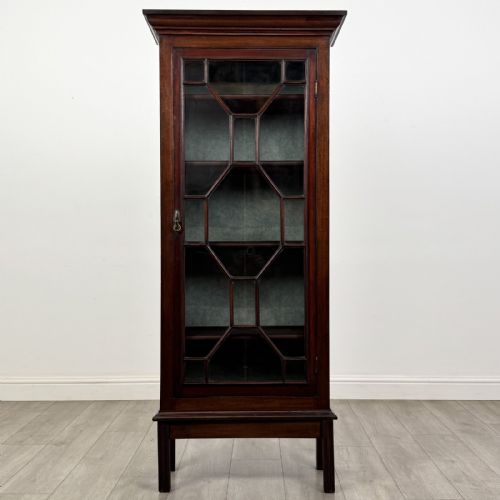
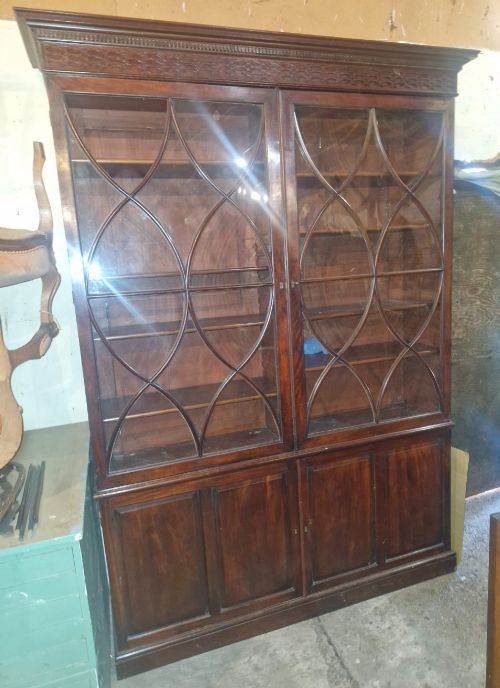
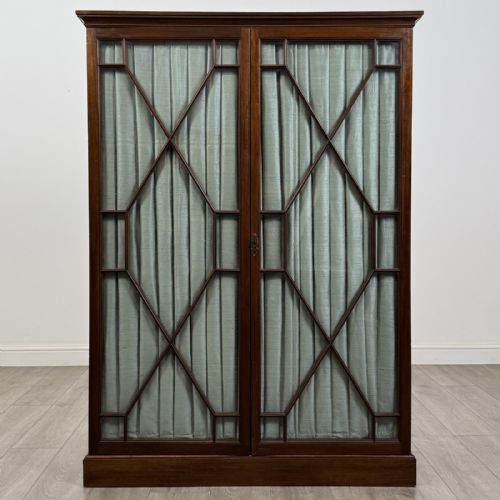
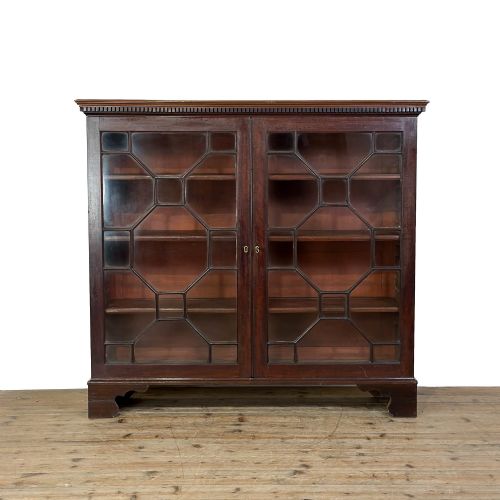
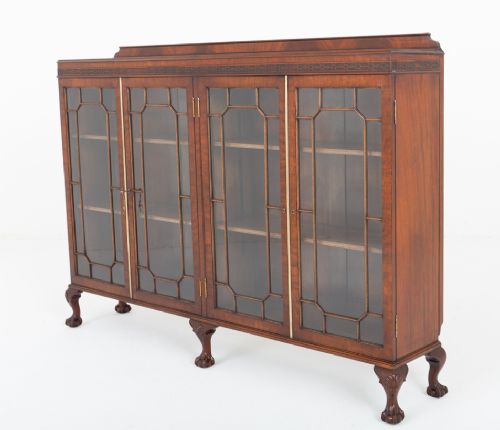
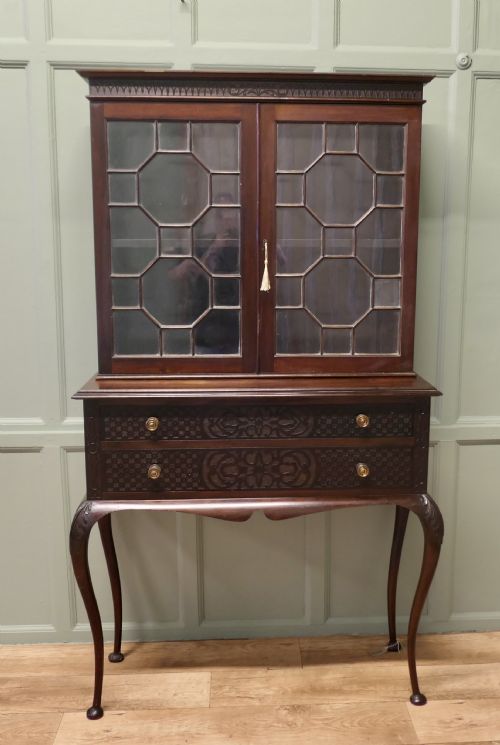
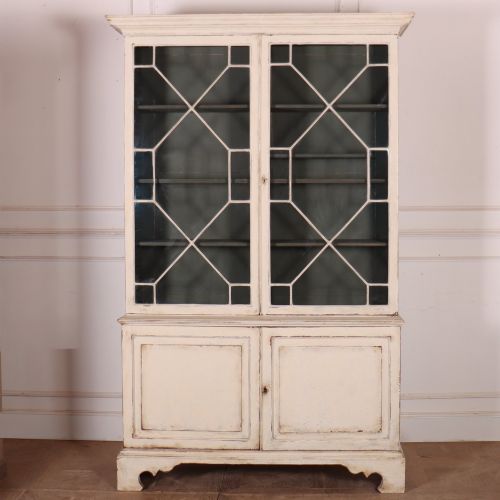
The material range spans rich mahogany and flame mahogany veneer, alongside walnut, burr walnut, satinwood, and oak. Pieces frequently display astragal glazing bars across the upper doors or solid timber panels below, reflecting the cabinetmaker's balance of display and concealment.
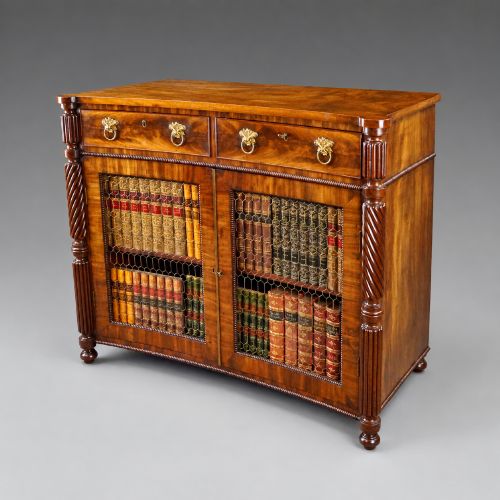
While formal Georgian and Regency examples dominate, the selection extends through nineteenth-century interpretations into Edwardian Sheraton Revival pieces and later Edwardian adaptations. Each form retains the architectural proportions and timber selection characteristic of its period.
How they were made
Cabinetmakers constructed these large carcasses primarily from solid mahogany and walnut, frequently applying flame mahogany veneer to drawer fronts and door panels to create rippling grain patterns. Secondary timbers provided sturdy internal framing for shelves and writing compartments.
Glazing involved assembling delicate wooden astragal bars to hold individual panes of glass securely within the upper doors. Brass hardware, including hinges, escutcheons, and drop handles, completed the joinery alongside fitted leather writing surfaces within drop-front secretaire drawers.
Secret compartments hidden inside bureau drawers offered early owners a private place to keep ledger keys and love letters.
What varies in quality
Quality rests upon the selection of timber figures and the crispness of the cabinetmaker's joinery, particularly in the precision of the astragal glazing bars and the matching of veneer panels across the front. Superior examples display thoughtful grain continuity and fine interior drawer construction.
The integration of original brass hardware and the preservation of early glass panes elevate a piece above standard utility versions. Proportions also dictate standing, as well-balanced cornices and well-scaled bracket feet or plinth bases separate master cabinetwork from simpler provincial production.
Tudor & Burrey
The Georgian Bookcase with Doors Glossary
- Astragal
- The narrow wooden moulding strips that divide individual panes of glass within a glazed bookcase door. These bars form geometric or intersecting lattice patterns across the front.
- Secretaire drawer
- A pull-out drawer featuring a hinged drop front that conceals a fitted interior of small drawers and pigeonholes. It serves as a concealed writing desk within the larger cabinet structure.
- Flame mahogany veneer
- A sliced sheet of mahogany displaying a distinct leaping flame pattern derived from the branch junctions of the tree. It creates a striking visual display on primary surfaces.
- Glazed top
- The upper section of a cabinet fitted with glass doors designed to display leather-bound volumes while protecting them from dust.
Georgian Bookcase with Doors: Frequently Asked Questions
What is a secretaire bookcase?
A secretaire bookcase combines a shelved upper cabinet for books with a lower chest containing a specialised pull-out drawer with a drop-down front. This drawer opens to reveal an internal arrangement of small compartments and a writing surface.
Such dual-purpose furniture allowed owners to store a library and write letters within a single upright carcass. They became popular in the eighteenth century and remained so through the Regency period.
How do I date a Georgian bookcase?
Dating relies on observing timber choices, construction methods, and stylistic details such as cornice design and foot shapes. Walnut predominated in early pieces, while mahogany became the primary timber as the eighteenth century progressed.
Glazing bar thickness and the presence of hand-blown glass panes also help narrow the period of manufacture. Cabinet construction shifted from pegged solid timbers to more refined veneering techniques over the decades.
Where should I place a large bookcase?
Large bookcases require stable wall space away from direct sunlight and temperature fluctuations that might affect timber and veneer. Placing them in studies, libraries, or spacious sitting rooms allows the architectural proportions to anchor the interior.
Because these tall cabinets often arrive in two sections for transport, placement near adequate clearance makes assembly straightforward. Ensuring the floor is level helps the heavy doors hang correctly.
What is astragal glazing?
Astragal glazing refers to the network of slender wooden bars holding multiple small panes of glass within a cabinet door. This technique provided structural support for large openings before single large glass sheets were common.
Cabinetmakers shaped these bars into delicate profiles that defined the aesthetic of the upper doors. The complexity and fineness of the glazing pattern often indicate the quality of the piece.