


Georgian Bonbonniere
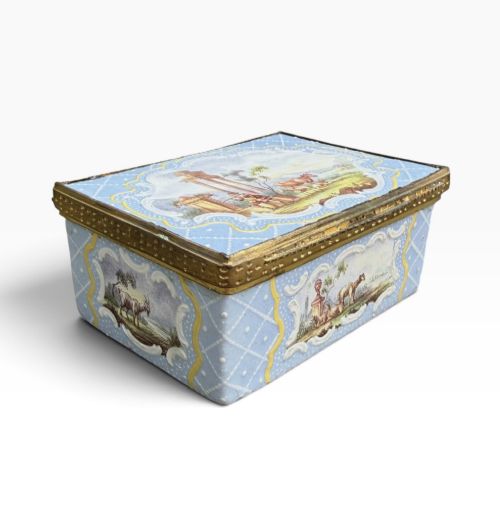
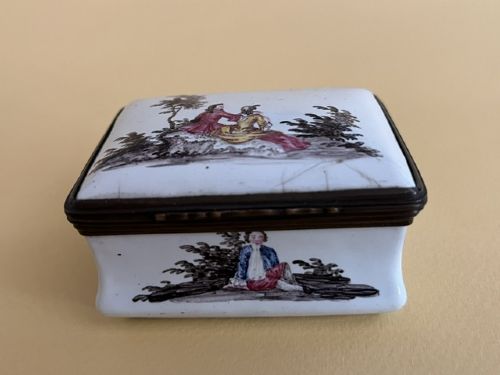
A georgian bonbonniere is a small, decorative container for sweets or patches, prized by collectors for its exquisite enamelwork and delicate metal mounts.
Georgian Bonbonniere
When you search for a georgian bonbonniere, you are looking at small, hinged containers that served aristocratic social rituals during the eighteenth and nineteenth centuries. These pieces encompass snuff boxes, patch boxes, and decorative containers made for holding small luxuries.
The versions you are most likely to meet on this page hail from eighteenth-century English workshops, particularly those in Staffordshire and Bilston. They typically combine enamelled copper bodies with brass or gilt metal mounts, reflecting the dominant styles of the Georgian and Rococo periods.
How they were made
The construction of a georgian bonbonniere relies on a base of hammered copper or cast silver, shaped to form the body and lid. Artisans applied vitreous enamel to the metal surfaces, firing them in kilns to achieve a smooth, opaque ground.
Painters then decorated the enamel with detailed miniature scenes, floral motifs, or portraits using mineral pigments. Finally, smiths fitted the boxes with hinged bezels in brass, gilt metal, or sterling silver to secure the closure.
Some eighteenth-century boxes feature portraits of King Charles spaniels peering out from the lid to melt the hearts of Georgian dog lovers.
What varies in quality
The refinement of the painted miniature and the crispness of the enamel surface set the finest examples apart. Superior pieces display intricate brushwork, vibrant colour retention, and minimal pitting in the fired glaze.
The execution of the metal mounts also dictates standard, where precision in the hinge fitting and depth of the gilt chasing distinguish masterwork containers from simpler production wares.
The Georgian Bonbonniere Glossary
- Bonbonniere
- A small ornamental box intended for holding sweets, sugared almonds, or small confections. These containers were fashionable accessories among the European elite.
- Patch box
- A small box, often fitted with an interior mirror, used to hold cosmetic silk patches worn on the face. Ladies applied these to cover blemishes or highlight complexions.
- Enamel
- A glassy substance fused to a metal substrate through high-temperature firing. This technique provides a durable, glossy coloured surface for detailed painting.
- Bezel
- The metal rim or collar that surrounds the opening of a box and secures the hinged lid. It ensures a snug and secure closure for the container.
- Gilt metal
- Base metal coated with a thin layer of gold through fire gilding or electroplating. This treatment gives the appearance of solid gold while maintaining structural strength.
Georgian Bonbonniere: Frequently Asked Questions
What is a georgian bonbonniere used for?
These small containers were originally carried in pockets or reticules to hold luxury sweets, breath fresheners, or cosmetic patches during social gatherings.
Today, they function primarily as cabinet pieces or decorative objects, appreciated for their miniature artistry and tactile qualities.
How do I identify a Bilston piece?
Bilston pieces typically feature finely painted enamel over a copper base, often associated with the Staffordshire enamel industry of the eighteenth century. They frequently depict pastoral scenes, portraits, or sentimental mottos on the lid.
Examining the interior reveals the characteristic white or pale counter-enamel applied to the reverse of the copper plate during firing.
Are these boxes made of solid silver?
While some examples are forged from solid sterling silver, the majority of enamel bonbonniere and patch boxes utilise a copper body with gilt metal or brass mounts. Silver variants tend to feature repousse work or cast Rococo motifs.
The metal mounts on enamel pieces were primarily chosen for their durability and ability to hold a secure hinge.
How should I care for an enamel box?
Enamel surfaces require gentle handling to prevent scratching or chipping against hard objects. Keep them away from direct sunlight and excessive moisture to protect the metal mounts and pigments.
Cleaning should be limited to a soft, dry cloth without the use of chemical polishes that might damage the delicate glaze.