



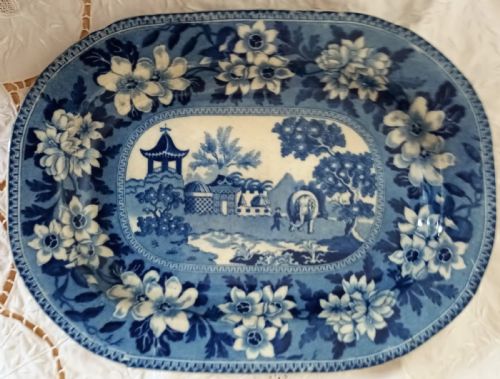

Georgian Blue Platter
A georgian blue platter brings bold cobalt transfer prints and substantial earthenware forms directly to the table.
Georgian Blue Platter
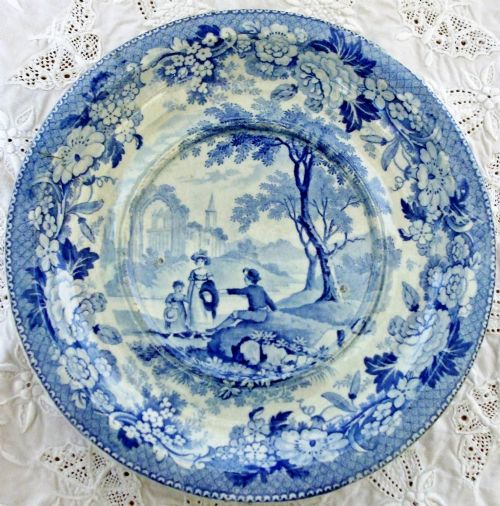
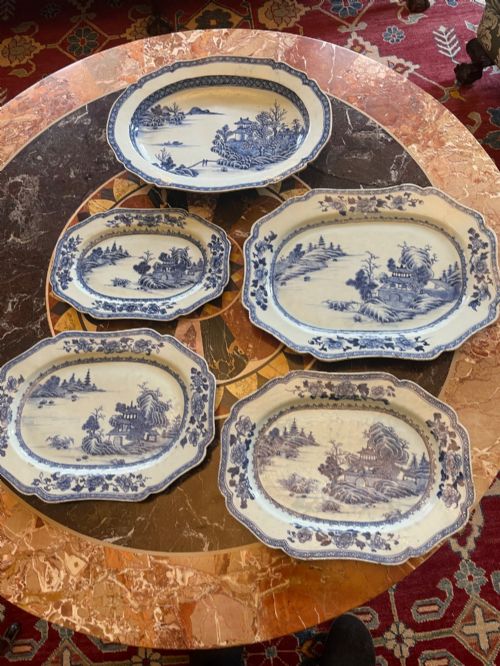
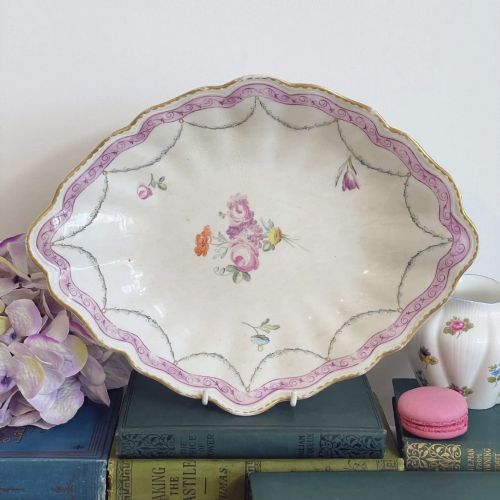
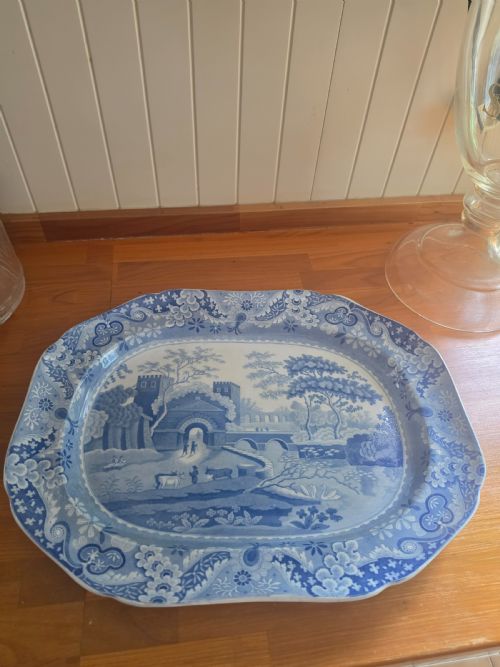
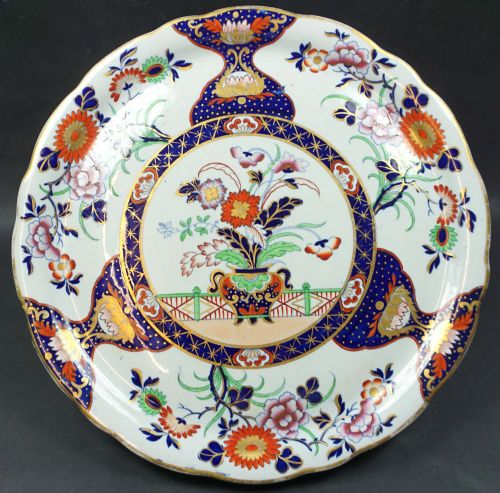
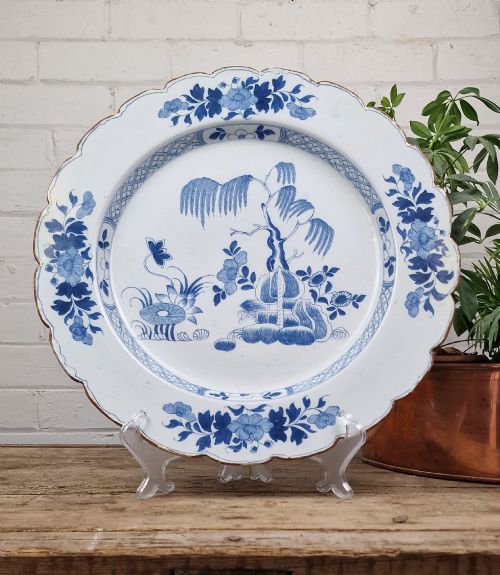
When searching for a georgian blue platter, buyers encounter large serving vessels intended for meat, game, and table presentation during the eighteenth and nineteenth centuries. These items appear primarily as earthenwares, pearlwares, and tin-glazed delft chargers carrying rich blue pigments.
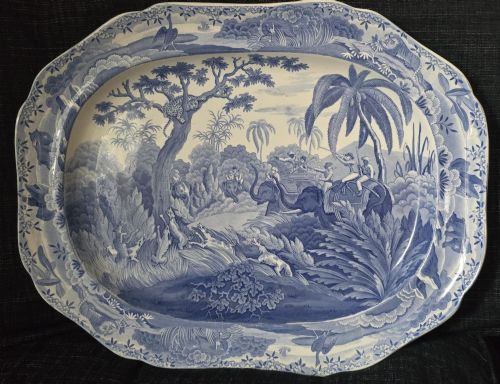
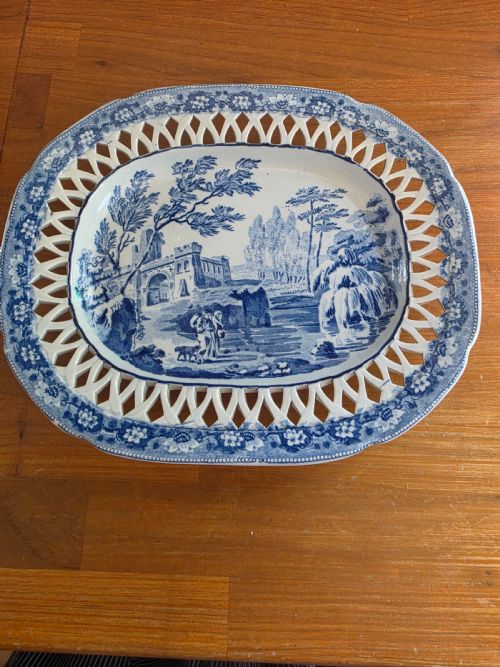
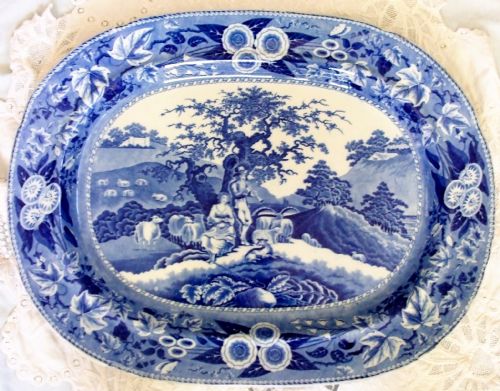
The assortment spans English factories and regional potteries producing transfer-printed patterns like botanical studies, pastoral scenes, and topographical views. Platters of this period frequently measure large enough to dominate a dining service, often accompanied by matching drainers or sauce tureen stands.
Materials and Manufacture
Potters shaped these dishes from earthenware, ironstone, and pearlware bodies before applying cobalt pigment by hand or through copperplate transfer printing. Artisans then sealed the ceramic surfaces with transparent lead or tin glazes, firing the pieces in kilns to fix the deep blue tones.
Georgian Blue Platter Retail Price Guide 2026
Typical asking prices for georgian blue platter among the pieces listed under this phrase on Sellingantiques today, from the lower quarter to the upper quarter. They describe what is for sale here now, not the wider market.
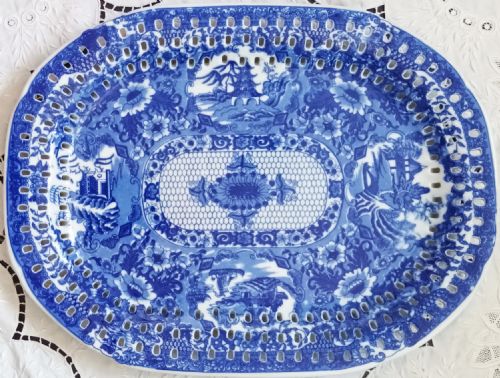
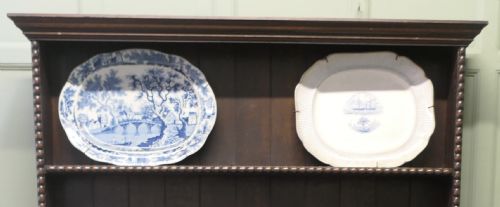
Serving vessels range from large meat platters and pierced drainers to deep chargers and botanical serving dishes.
Distinctions in Quality
The clarity and depth of the cobalt transfer print dictate much of the visual success, separating sharp, well-defined impressions from blurred or smudged patterns. The crispness of moulded edges, particularly on pierced net borders and scalloped rims, reflects the precision of the original ceramic mould.
Makers' marks stamped or printed to the underside elevate specific examples, connecting ordinary serving pieces to notable Staffordshire and northern potteries. The overall proportion and survival of matching elements, such as original meat drainers, define the standing of individual platters.
Spode·Davenport·Hicks and Meigh·John Rogers and Son·Coalport·Minton·Don Pottery·Thomas Lakin
The Georgian Blue Platter Glossary
- Pearlware
- A refined earthenware developed in the late eighteenth century featuring a subtle bluish glaze that pooled in recesses to mask the underlying cream body. This material served as the primary canvas for detailed blue transfer printing.
- Delftware
- Tin-glazed earthenware produced in England and the Netherlands during the seventeenth and eighteenth centuries, known for opaque white surfaces painted in blue. These charger plates often display Chinese export motifs or Dutch baroque influences.
- Transfer printing
- A decoration technique where an engraved copper plate transfers a design onto tissue paper, which is then pressed onto the ceramic body. This process allowed factories to produce intricate pictorial scenes with consistent detail across large meat platters.
- Meat drainer
- A curved ceramic insert pierced with holes or slots that sits inside a serving platter to elevate jointed meats. These functional components are frequently found in larger nineteenth-century Staffordshire services.
- Charger
- A large decorative plate or shallow dish traditionally used for display or as a base plate during formal dining. Eighteenth-century examples often measure substantial diameters and feature hand-painted polychrome or cobalt designs.
Georgian Blue Platter: Frequently Asked Questions
What were these large platters used for?
These large serving dishes were designed to present roasted meats, game, and large courses at the dining table during the Georgian and Regency periods. Their generous surfaces accommodated substantial joints of food for communal dining.
Many included internal wells and removable drainer inserts to collect meat juices during carving, keeping the main course elevated before service.
How do I care for antique ceramic platters?
Antique earthenware and pearlware require gentle hand washing in warm water using mild soap, avoiding dishwashers entirely. Sudden temperature changes should be prevented to protect the historic glaze from crazing.
Displaying them securely on sturdy plate stands or storing them vertically in cabinets ensures these heavy ceramic bodies remain safe from accidental knocks.
What periods do these blue and white pieces cover?
The pieces span from the mid-eighteenth century through the Regency era and into the early Victorian period. Eighteenth-century examples frequently showcase hand-painted delftware chargers and early Chinese export styles.
Nineteenth-century items transition toward industrial transfer printing from major Staffordshire factories, featuring topographical views, botanical studies, and romantic landscape patterns.