




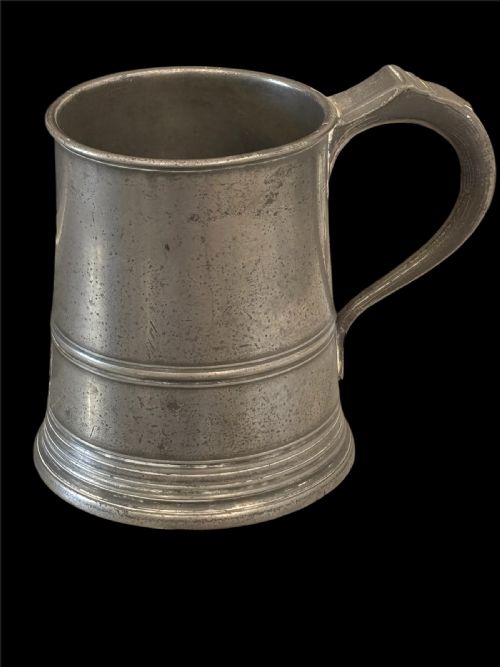
Georgian Beer Mug
A georgian beer mug brings tangible weight and history to the table, combining functional drinking vessel design with the craftsmanship of the eighteenth and early nineteenth centuries.
Georgian Beer Mug
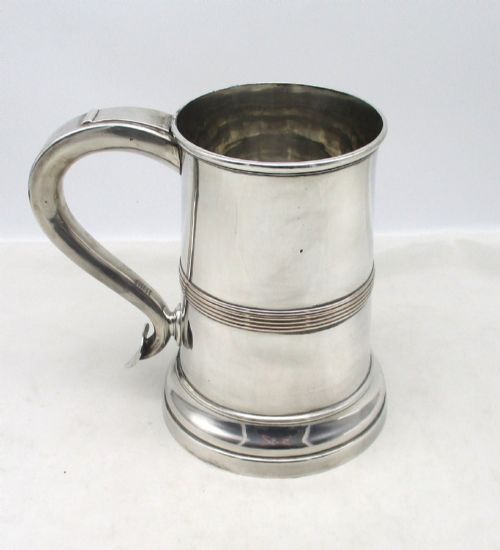
When searching for a georgian beer mug, buyers encounter sturdy drinking vessels designed for ale, beer, and stout during the eighteenth and nineteenth centuries. These pieces typically take the form of tankards, mugs, and lidded containers intended for daily tavern or domestic use.
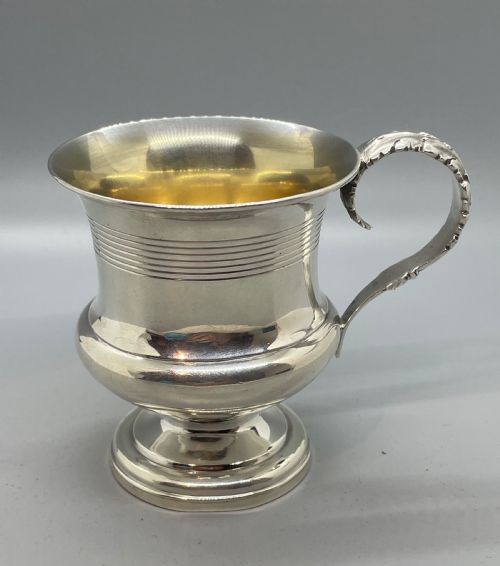
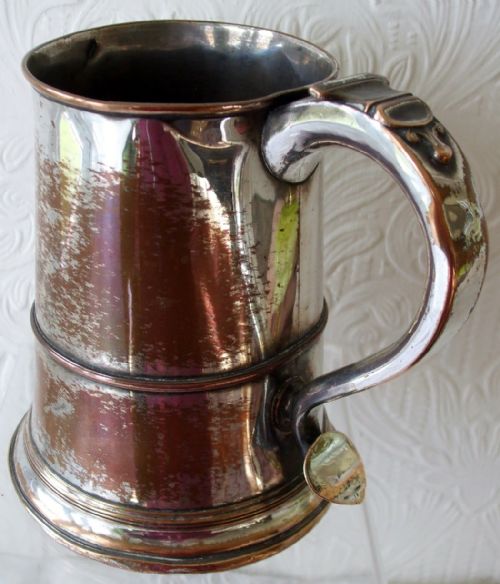
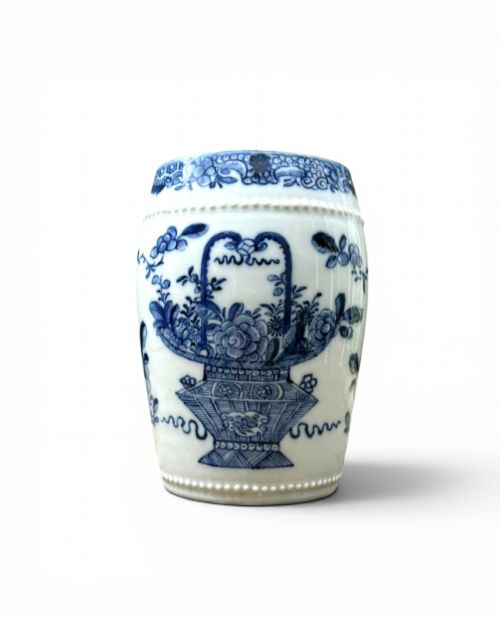
The selections available here range from heavy pewter and copper vessels to polished sterling silver, Old Sheffield Plate, and ceramic examples such as Chinese porcelain, creamware, and Westerwald stoneware. Silver and Old Sheffield Plate tankards frequently feature maker marks and assay office details from London and Newcastle.
Many of these historical drinkware items include sturdy handles and optional hinged lids, reflecting the practical drinking habits of the period. Buyers most often meet Old Sheffield Plate and solid silver iterations alongside robust pewter and earthenware forms.
How they were made
Metals such as sterling silver, pewter, and copper were cast, hammered, and soldered to build strong, functional walls capable of holding liquid. Old Sheffield Plate combined a thin layer of silver fused to a copper base, creating durable vessels with the appearance of solid silver at a lower weight.
Ceramic examples including creamware, porcelain, and stoneware relied on throwing clay upon a potter's wheel or moulding, followed by hand-painted or salt-glazed decoration before kiln firing. Handles were securely joined to the body, and lidded variants utilised precise metal hinges to attach thumbpieces.
Georgian Beer Mug Retail Price Guide 2026
Typical asking prices for georgian beer mug among the pieces listed under this phrase on Sellingantiques today, from the lower quarter to the upper quarter. They describe what is for sale here now, not the wider market.
Lidded tankards helped keep flies out of sweet tavern ales during warm Georgian summers.
What varies in quality
Quality rests upon the crispness of maker marks, the balance of the vessel, and the integrity of the joins between body and handle. Solid silver and heavy pewter demonstrate superior weight and substantial metal gauge, whereas plated items reveal varying degrees of silver wear over the copper base.
Artistic execution also separates standard utility ware from finer parlor pieces, particularly in the hand-painted polychrome details of porcelain and the refined proportions of engraved silver tankards.
John Payne·William Grundy·Richard Morton·Burgum And Catcott Of Bristol
The Georgian Beer Mug Glossary
- Tankard
- A tall, cylindrical drinking vessel, usually featuring a single handle and sometimes fitted with a hinged lid. They were historically used for beer and ale.
- Old Sheffield Plate
- A composite material made by fusing a thin sheet of silver to a thick copper base. This technique preceded modern electroplating.
- Quart
- A traditional liquid capacity measurement equivalent to two pints. Quart tankards are notably larger and heavier than pint versions.
- Creamware
- A fine-grained, cream-coloured earthenware developed in Yorkshire during the eighteenth century. It gained widespread popularity for tableware and drinkware.
- Westerwald
- A German region renowned for producing salt-glazed stoneware. These vessels often display distinctive grey bodies with cobalt blue incisions.
Georgian Beer Mug: Frequently Asked Questions
Can I still drink beer from these?
Many solid silver, pewter, and ceramic vessels remain physically capable of holding liquids. However, historical plating wear or solder composition requires careful consideration before regular use.
Hand washing is essential for antique drinkware, as dishwashers use harsh detergents and extreme heat that will ruin historic surfaces.
What is the difference between a mug and a tankard?
A mug generally refers to an open-topped drinking vessel with a handle. A tankard specifically denotes a taller, cylindrical vessel that frequently includes a hinged lid and thumbpiece.
Both terms occasionally overlap in historical descriptions and makers' records, depending on the exact capacity and form.
How do I date an eighteenth century tankard?
Silver pieces often feature hallmarks, including assay office symbols and date letters, which allow for precise chronological placement. Maker marks stamped into the base or side provide further historical context.
Stylistic shifts in handles, body shape, and materials like creamware or Old Sheffield Plate help narrow down unmarked examples.